Beach plum is one of the most recognizable wild fruits of the Atlantic coast, and one of the most misunderstood. Most people who grow up near the dunes from Maine to Virginia know the shrub on sight, but far fewer know how to identify it with confidence, when to harvest it, or what parts of the plant demand real caution.
This guide covers the botany, foraging, traditional and modern uses, cultivation, and safety considerations of Prunus maritima from start to finish. By the end you will know exactly how to find it, harvest it, use it, and handle the one part of the plant that genuinely deserves respect.
What Is Beach Plum
Beach plum (Prunus maritima) is a native, deciduous, often multi-stemmed shrub in the rose family, closely related to cultivated plums, cherries, and peaches. It typically grows 3 to 8 feet tall on coastal dunes, though it can reach 12 to 18 feet when planted inland in richer soil.
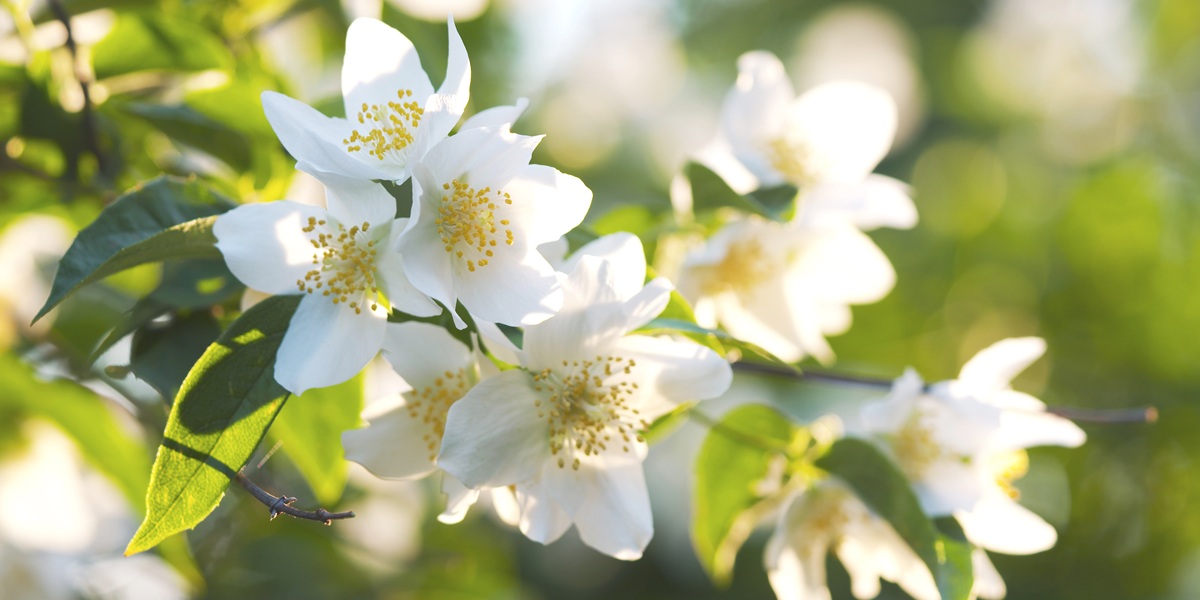
The leaves are firm, dull green, oval, and finely toothed, roughly two to three inches long and hairy on the underside. White, five-petaled flowers open in small clusters before the leaves emerge in April or May, and each flower fades to a soft pink after successful pollination.
Where Beach Plum Grows and When to Find It
Beach plum is native to the Atlantic coast from the Canadian Maritime provinces south to Virginia, with its heaviest concentration in New England, New York, and New Jersey. It thrives specifically on older, more stable dune systems where salt spray is less intense, and it rarely grows in standing water or heavily saturated soil.
The shrub blooms in a dramatic, dune-wide show of white flowers in April and May, well before most other coastal plants leaf out. Fruit ripens from late August through September, and this narrow harvest window is one of the reasons beach plum foraging has become something of a seasonal tradition in shore towns up and down the coast.
Beyond its native range, beach plum has been planted successfully inland in sandy, well-drained soils as far west as parts of Pennsylvania and even the Great Plains. Wherever it grows, it prefers full sun and struggles in heavy clay.
Identifying Beach Plum in the Wild
Growth form: a low, dense, often thicket-forming shrub, rarely a single trunk
Bark: reddish brown and smooth on young growth, with horizontal lenticel bands typical of the Prunus genus, darkening and roughening with age
Leaves: oval, finely serrated, dull dark green above, paler and finely hairy beneath
Flowers: white, five petals, blooming in small clusters of two or three before the leaves appear
Fruit: round, cherry-sized, bluish purple to dark purple at ripeness, with a single large stone inside
The single most reliable identifying feature is context: a Prunus shrub matching this description, growing directly on or near coastal sand dunes and fruiting in late summer, is almost certainly beach plum. Inland stands can occasionally be confused with other wild plums, so when in doubt, cross-reference with a regional field guide or a local native plant society before eating anything you have not positively identified.
Colonial households used beach plums in preserves and in a foamy fermented drink called syllabub. The tradition of turning the tart, astringent fruit into jam, jelly, and wine has continued essentially unbroken along the coast, and beach plum products remain a point of regional pride from Cape Cod to Cape May.
Nutritional and Medicinal Properties
Beach plum fruit is notably high in phenolic compounds and organic acids compared to many cultivated stone fruits, which is part of what gives it its characteristic tart, astringent edge. Growers and researchers have promoted the fruit specifically for its antioxidant content.
Research cited in the USDA Plant Guide indicates beach plums contain high levels of proanthocyanidins, the same class of compounds studied in cranberries for their role in urinary tract health. This is a promising area of traditional and modern interest, though beach plum itself has not been studied nearly as extensively as its cranberry cousin.
As with most wild fruit, the nutritional value is real but modest per serving, and beach plum is best thought of as a flavorful, antioxidant-rich addition to the diet rather than a medicinal treatment for any specific condition.
Safety Warning: The Pit Is Toxic
Beach plum pits, like the seeds of all Prunus fruits (cherries, peaches, apricots, and cultivated plums), contain cyanogenic glycosides, primarily amygdalin, which release cyanide when chewed, crushed, or digested.
Do not chew, crush, or grind the pits. Discard the whole stone after eating or processing the fruit, and remove pits before making jam, jelly, or any preparation intended for children.
The leaves and young shoots of beach plum also contain these same compounds and should never be brewed as tea or ingested. Wilted or damaged foliage is a known hazard to grazing livestock for the same reason.
If a pit is swallowed whole and unchewed, it is unlikely to cause harm and will typically pass through the digestive tract. If pits have been chewed, crushed, or swallowed in quantity, or if anyone develops symptoms such as headache, difficulty breathing, or dizziness, contact Poison Control at 1-800-222-1222 or seek emergency care immediately.
Harvesting Beach Plums Responsibly
Beach plums ripen unevenly even within the same shrub, so plan to visit a stand more than once during late August and September rather than stripping it in a single pass. Ripe fruit should give slightly under gentle pressure and pull free with a light tug; unripe fruit is firm, more astringent, and harder to separate from the stem.
Beach plum shrubs are notorious for biennial bearing, meaning a shrub that produced heavily last year may barely fruit this year. Never harvest more than you can process within a few days, since the fruit bruises easily and does not store well unwashed and unrefrigerated.
Watch for fungal issues common to the Prunus genus, particularly black knot, which shows up as rough, black, gall-like swellings on branches, and brown rot, which causes fruit to shrivel and mummify on the shrub. Skip any fruit from visibly diseased branches, and always harvest with the landowner’s permission, since much of the best beach plum habitat sits on protected dune systems.
How to Use Beach Plums in the Kitchen
Fresh beach plums are edible raw, but the tough, tannic skin makes most people prefer them cooked. Jelly is the most traditional preparation, prized for its clear color and distinctive tart-sweet flavor that balances beautifully with the fruit’s natural astringency.
For a tested, safe canning method, the National Center for Home Food Preservation’s plum jelly recipe with powdered pectin works well with beach plums: simmer the whole fruit with a little water until the skins split, strain the juice through a jelly bag, then combine the juice with pectin and sugar and process in a boiling water canner. This method also applies well to beach plum jam, syrup, and shrub-style vinegar drinking mixtures.
Beyond jelly, beach plums are traditionally fermented into wine and infused into gin, vinegar, and cocktail syrups. In every preparation, remove and discard the pits before cooking down the fruit, and never include crushed or ground pits in a recipe.
Growing Beach Plum at Home
Beach plum is a forgiving, low-maintenance native shrub for the right site: full sun, well-drained sandy or loamy soil, and a slightly acidic to neutral pH. It tolerates drought, salt spray, and poor soil far better than most fruiting shrubs, which is exactly why it thrives on open dunes with no irrigation or fertilizer at all.
Named cultivars such as Ocean View, Eastham, Hancock, and the newer Rutgers Jersey Jems were all selected for more reliable, better-flavored fruit than typical wild seedlings. If landscaping rather than harvesting is the goal, know that beach plum spreads by suckering and can form thickets wider than expected if left unpruned.
Beach Plum’s Role in the Landscape
Beach plum is far more than an edible curiosity. Its dense root system and layering growth habit make it one of the most effective native shrubs for stabilizing secondary dunes, and it is a standard choice in coastal restoration and erosion control projects up and down the Atlantic seaboard.
The shrub’s early, abundant bloom is an important food source for native bees at a time when little else is flowering on the dunes, and its thickets provide cover and food for songbirds and small mammals through late summer and fall. Beach plum is currently listed as endangered in Maine, Maryland, and Pennsylvania, which is worth keeping in mind when deciding how much to harvest from any single wild stand.
Safety, Precautions, and Who Should Be Cautious
The fruit’s flesh, once the pit is removed, carries no known toxicity and is the part used in every traditional food preparation. The concern is specific and limited to the pit, the leaves, and the young shoots, all of which contain cyanogenic glycosides in common with every other member of the Prunus genus.
There is no specific research on beach plum fruit and pregnancy, but there is also no traditional or documented concern with eating the ripe, pitted fruit in food-level amounts during pregnancy or while nursing. As with any wild food, avoid homemade extracts, teas, or concentrated preparations made from the leaves, bark, or pits, since these have not been studied and carry the same cyanide risk described above regardless of who is consuming them.
No specific drug interactions have been documented for beach plum fruit itself. Because reliable information on concentrated leaf or bark preparations is lacking, it is best to treat any beach plum product beyond the plain, pitted fruit as an unknown rather than assuming it is safe to combine with medications.
How Many Healing Plants Would You Recognize in Your Own Backyard?
Beach plum is a perfect example of why traditional plant knowledge matters.
To most people, it’s simply another wild shrub growing along the coast. But once you know what you’re looking at, you begin to understand its history, how the fruit was traditionally used, when it can be harvested – and, just as importantly, which parts of the plant should be avoided.
And beach plum is only one of hundreds of useful plants growing around us.
This richly illustrated guide helps you recognize medicinal plants and understand the traditional ways they have been used. Instead of simply giving you a list of unfamiliar plant names, it is designed to help you connect the plant you see in nature with the remedies people once made from it.
Inside, you’ll discover:
Medicinal plants you may already have growing nearby
Detailed information to help you recognize useful herbs and plants
Traditional preparations using leaves, roots, flowers, bark, and other plant parts
Herbal teas, tinctures, salves, poultices, oils, and other preparations
Forgotten remedies passed down through generations
Practical ways to build your own home herbal reference
Important knowledge about using plants carefully rather than assuming that everything “natural” is automatically safe
That last point matters.
As beach plum demonstrates, knowing a plant’s name isn’t enough. You need to know which part was traditionally used, how it was prepared, and which parts require caution.
That kind of knowledge was once passed naturally from one generation to another. Today, much of it has been forgotten.
The Lost Book of Herbal Remedies helps put that knowledge back into your hands.
If articles like this make you wonder how many useful plants you’ve walked past without recognizing them, this is the book you’ll want beside you.
Yes, the flesh is edible raw once the pit is removed, though the tannic skin makes many people prefer it cooked into jelly, jam, or syrup.
Are beach plums the same as regular plums?
No. Beach plum (Prunus maritima) is a distinct wild species native to Atlantic coastal dunes, smaller and more tart than the cultivated plums (Prunus domestica or Prunus salicina) found in grocery stores.
Why didn’t my beach plum shrub fruit this year?
Biennial bearing is normal for this species, meaning a heavy fruit year is often followed by a light one. Cold, wet weather during the April to May bloom period can also reduce pollination and fruit set regardless of the shrub’s bearing cycle.
Is it safe to eat a beach plum if I accidentally swallow the pit?
Swallowing a whole, unchewed pit is generally not dangerous, since the toxic compound is sealed inside the hard stone and the pit typically passes through the digestive tract intact. The danger comes specifically from chewing, crushing, or grinding pits, not from swallowing one accidentally.
Bottom Line
Beach plum is a genuinely rewarding wild fruit: easy to identify with a little practice, tied to centuries of coastal foraging tradition, valuable for pollinators and dune stabilization, and forgiving enough to grow at home in the poorest, sandiest soil you have. Respect the narrow harvest window, always discard the pits, and this native shrub will reward you with jelly, syrup, or wine worth the wait for its next good fruiting year.
We use cookies to ensure that we give you the best experience on our website. If you continue to use this site, we will assume that you are happy with it.
Functional Always active
The technical storage or access is strictly necessary for the legitimate purpose of enabling the use of a specific service explicitly requested by the subscriber or user, or for the sole purpose of carrying out the transmission of a communication over an electronic communications network.
Preferences
The technical storage or access is necessary for the legitimate purpose of storing preferences that are not requested by the subscriber or user.
Statistics
The technical storage or access that is used exclusively for statistical purposes.The technical storage or access that is used exclusively for anonymous statistical purposes. Without a subpoena, voluntary compliance on the part of your Internet Service Provider, or additional records from a third party, information stored or retrieved for this purpose alone cannot usually be used to identify you.
Marketing
The technical storage or access is required to create user profiles to send advertising, or to track the user on a website or across several websites for similar marketing purposes.





These look like high bush blueberries with firmer skin. Subtle berry/ cherry flavor.