

Banned Foods You’re Probably Eating Every Day
Have you ever stopped to think about what’s lurking in your food? There are plenty of toxic ingredients banned in other countries that show up in the standard American diet. In this post, we’ll explore banned foods you’re probably eating every day. You’ll be shocked to learn what is hiding in popular foods!
These outlawed components appear in grocery stores, restaurant entrées, and even colorful snacks marketed to kids. These ingredients disturb hormones and can even cause behavioral problems. Most people have no clue what’s going on, but with a little learning, you’ll be more educated in this area.
We’ll uncover some of the top offenders and give you a tasty recipe to help you replace one of these toxic products. While cleaning up your diet is an ongoing journey, these simple tips and tricks will give you the confidence to choose better for your household. If you’re ready to overhaul your pantry, let’s keep reading!
Why Are These Ingredients Still Legal in America?
This is the first question most people ask when they learn that ingredients common in American food have been banned in dozens of other countries. The answer is not reassuring, but understanding it helps you make sense of why you cannot rely on government approval as a safety guarantee.
The United States food regulatory system operates on a principle that is fundamentally different from the approach taken in Europe and many other countries. The European Union uses what is called the precautionary principle: if there is credible evidence that an ingredient may cause harm, it is restricted or banned until it is proven safe. The United States operates closer to the opposite approach: ingredients are generally permitted unless they are proven harmful, and the burden of proof falls on regulators rather than manufacturers.
The practical consequence of this difference is enormous. An ingredient that triggers precautionary restriction in Europe can remain on American shelves for decades while the evidence accumulates, is contested, is reviewed, and is slowly acted upon through a regulatory process that is chronically under-resourced and heavily influenced by the industries it regulates.
Related: How to Use Mulberry Medicinally
The Food and Drug Administration, which oversees most food additives, operates with a budget and staffing level that makes comprehensive independent safety testing impossible. The agency relies heavily on safety data submitted by manufacturers themselves, a structural conflict of interest that has been criticized by independent researchers and former FDA officials for decades.
The food industry spends hundreds of millions of dollars annually on lobbying efforts in Washington. The Grocery Manufacturers Association and similar industry groups employ large teams of lobbyists and lawyers whose specific function is to slow, weaken, or prevent regulatory action on ingredients that generate profit. When the FDA does move to restrict an ingredient, the process typically takes years or decades, during which the ingredient remains in the food supply.
Related: Liver-Damaging Foods You’re Eating Right Now
The GRAS loophole makes this worse. GRAS stands for Generally Recognized as Safe, a designation that allows manufacturers to introduce new ingredients without FDA review if they determine the ingredient to be safe based on their own assessment. Thousands of ingredients currently in the American food supply have never been independently reviewed by the FDA at all. They entered the food supply through self-declared GRAS status and remain there.
None of this means every approved American food additive is dangerous. It means that regulatory approval in the United States is a much weaker safety signal than most consumers assume, and that the gap between American and European food standards reflects a difference in regulatory philosophy and industry influence rather than a difference in the underlying science.
Banned Ingredients You Should Avoid
America is known for its liberty, which carries over into food laws. Many ingredients that would never make it to conception in other countries are the standard in America. Here are the top five offenders that you may want to keep an eye out for.
Artificial Food Dyes: Good marketers know that food should be an experience. They work to create products that are not only tasty but also visually appealing. This hook leads manufacturers to include Red 40, Yellow 5 & 6, and Blue 1 in their ingredient list.
These dyes lend a beautiful hue to beverages, yogurt, and candy but come with many problems. They’re carcinogenic, can cause hypersensitivity, and are even linked to severe behavioral problems in children. Thankfully, there are a variety of vibrant veggies and herbs that naturally dye beverages, as you’ll see with our homemade electrolyte drink.
If you’ve purchased soda, flavored yogurt, candy, or packaged snacks in the last year… you’ve likely already ingested—and stored—artificial food dyes in your body. These toxins don’t just pass through… they build up, disrupt hormones, and fuel long-term health issues. You need to know what to look for, what to avoid, and how to flush the damage before it’s too late. Start here.
Brominated Vegetable Oil: If you drink citrus-flavored sodas, you’re consuming brominated vegetable oil, which evenly distributes flavorings. Bromine is commonly found in flame retardants and is known to affect the thyroid and even cause neurological damage. This ingredient is banned in Europe and Japan, but other countries have yet to take note of it.
Related: 10 Mistakes You Could Be Making When Storing Herbs
Most people think if something’s on the shelf, it’s safe. But brominated oils? They’ve been banned in other countries for a reason—because they quietly build up in your body and mess with your thyroid before you even know it.

If you’ve felt “off” lately and can’t quite explain it… this might be why. Thankfully, there’s a natural way to support your thyroid and gently bring it back into balance—without meds. Watch the video to see exactly how it’s done.
👉 Click here or tap the image to see how to support your thyroid naturally.
Potassium Bromate: Store-bought breads and pastries are hailed for their doughy, pillowy texture due to the addition of potassium bromate. In animal studies, potassium bromate caused cancerous tumors, and we can only assume the same is true for humans.
rBGH & rBST: This jumble of letters can be classified as growth hormones, often given to cows to help them produce more milk. Just as a mother passes nutrients to her nursing baby, humans who consume cows milk are at risk of ingesting hormones themselves.
Not only can these growth hormones affect your hormones, but they can also increase your risk of cancer. Canada and Japan have already banned this practice, but those in more liberal countries may want to stick to plant-based milk.
If growth hormones have already thrown your body off balance, it’s not enough to just ditch dairy—you also need to help your cells fight back.
There is one mushroom that’s been studied for its ability to “starve” tumors by helping your immune system spot and shut down abnormal cells. It doesn’t just sit in your body—it pushes cancer cells to self-destruct, slows down their spread, and blocks the blood vessels they try to grow to feed themselves. Some studies even show it can make chemo work better with fewer side effects.
You don’t have to take my word for it—the research is public. A recent study in Scientific Reports (you’ll find it on PubMed Central) breaks down exactly how Reishi interacts with cancer cells.
But here’s what matters most: if you want to actually feel the benefits, you need the real stuff. Not powders or supplements that skip the most powerful compounds.
I only use a dual-extracted Reishi Tincture that actually delivers. If you’re serious about protecting your health, this is where to start:
👉 Click here to try the Reishi Tincture I trust
Azodicarbonamide (ADA): This toxin is found in fast food buns, packaged pastries, and shoes. Companies use it to condition dough for the perfect rise. When heated (which is always the case when making bread), this chemical has been linked to asthma and severe allergies.
How to Actually Find These Ingredients on a Label
Knowing which ingredients to avoid is only useful if you can find them on packaging. Food manufacturers are skilled at listing problematic ingredients in ways that are technically compliant but practically obscure. Here is what to look for.
- Artificial food dyes are listed by their official names, which vary by country. In the United States, look for: Red 40 (also called Allura Red), Yellow 5 (Tartrazine), Yellow 6 (Sunset Yellow), Blue 1 (Brilliant Blue), Blue 2 (Indigo Carmine), Red 3 (Erythrosine), and Green 3 (Fast Green). These will always appear by name on US labels because they are required to be individually disclosed, unlike many other additives. However, the phrase artificial colors or artificial color added is sometimes used on front-of-pack marketing while the individual names appear only in the fine print ingredient list.
What Artificial Dyes Do to Children Specifically
The article mentions behavioral problems in children twice, and this point deserves significantly more attention because it is one of the most well-documented and most alarming aspects of artificial food dye consumption, and it is the area where the evidence is strongest and most directly actionable for parents.
The connection between artificial food dyes and childhood behavioral problems, particularly hyperactivity, attention difficulties, and impulsivity, has been studied for over four decades. The landmark study that forced regulatory action in Europe was a 2007 randomized controlled trial funded by the UK Food Standards Agency and published in the journal The Lancet. Researchers at the University of Southampton gave children either a mixture of the artificial dyes most commonly found in food and drinks or a placebo drink, then measured their behavior using standardized assessment tools. Children who consumed the dye mixture showed significantly increased hyperactivity compared to those who consumed the placebo, across multiple age groups and in children both with and without existing ADHD diagnoses.
The results were significant enough that the European Food Safety Authority reviewed the evidence and the EU subsequently required warning labels on foods containing the six dyes tested in the Southampton study. Those warning labels read: “May have an adverse effect on activity and attention in children.” Many manufacturers reformulated their products for the European market to avoid the label requirement while continuing to sell dye-containing versions in the United States.
Beyond hyperactivity, research has linked artificial dye consumption in children to increased irritability, shortened attention span, sleep disturbance, and in some studies worsened symptoms in children already diagnosed with ADHD. The mechanism appears to involve multiple pathways including interference with neurotransmitter production, zinc depletion (zinc plays a significant role in behavior regulation), and direct neurological effects of the dye compounds themselves.
The children most affected are not only those with existing behavioral diagnoses. The Southampton study found behavioral effects across the general child population. However, children with existing sensitivities, ADHD diagnoses, or zinc deficiency appear to be more reactive to dye exposure.
For parents, the practical implication is straightforward. The foods most heavily loaded with artificial dyes are precisely the foods most aggressively marketed to children: brightly colored cereals, fruit snacks, gummy candies, flavored drinks, popsicles, cake mixes, and packaged snack foods. Reading labels on everything marketed to children and replacing dye-containing products with alternatives colored using natural ingredients, beet juice, turmeric, spirulina, and elderberry are all used commercially as natural colorants, is one of the highest-leverage dietary changes a parent can make.
- Brominated vegetable oil appears as BVO or brominated vegetable oil on ingredient lists. It is most commonly found in citrus-flavored sodas and sports drinks. Because it is used in small amounts as an emulsifier, it often appears near the end of the ingredient list where fewer readers look.
- Potassium bromate appears by its full name or as potassium bromate (to strengthen dough) on labels. It is most commonly found in commercial bread, bagels, pizza dough, and baked goods. Many manufacturers have voluntarily removed it from their formulations following consumer pressure but it remains in use in others. Checking the ingredient list of every bread product you buy is the only reliable way to screen for it.
- rBGH and rBST do not appear on ingredient lists at all because they are administered to animals rather than added directly to food. The only way to avoid them is to purchase dairy products labeled rBGH-free, rBST-free, or from cows not treated with artificial growth hormones. Certified organic dairy is required by law to be free of these hormones.
- Azodicarbonamide appears as azodicarbonamide or ADA on ingredient lists. It is found in commercial bread, fast food buns, packaged pastries, and some frozen dough products. Because it sounds like a technical term rather than a recognizable word, it is easy to overlook.
- Other names to watch for on labels. Beyond the five main ingredients covered above, the following terms on ingredient lists are worth pausing on: BHA (butylated hydroxyanisole) and BHT (butylated hydroxytoluene), which are synthetic antioxidants used as preservatives and are banned in Japan and parts of Europe; carrageenan, a thickener derived from seaweed that has raised concerns about gut inflammation; titanium dioxide, a whitening agent used in candies, gum, and some sauces that is banned in the EU; and sodium nitrate and sodium nitrite, preservatives in processed meats that convert to nitrosamines, which are known carcinogens, during digestion.
- The practical label-reading habit. Flip every packaged product to the ingredient list before it goes in your cart. Ignore the front-of-pack health claims entirely. They are marketing, not nutrition. Read from the beginning of the ingredient list, where the highest-volume ingredients appear, through to the end, where preservatives, dyes, and additives typically cluster. If you see more than one or two ingredients you cannot identify or pronounce, that is a reliable signal that the product is heavily processed. The five-ingredient rule, choosing products with five or fewer recognizable ingredients wherever possible, is an imperfect but practical shortcut for reducing your exposure to the category of additives covered in this article.
Foods to Stay Away From
Here’s your cheat sheet for which foods contain these ingredients. Consider this your official warning not to add these items to your shopping cart.
Twinkies: This popular American sweet is banned in Norway and most European countries due to artificial dyes and BHT.
Gatorade: Though this drink is highly desirable among young athletes, its use of brominated vegetable oil has been banned in Japan and the EU. The company has developed a safer formula, which has not yet reached the US.
Mountain Dew: This heavily caffeinated drink is taboo in Japan because it uses brominated vegetable oil. Most American soft drinks include BVO, an ingredient not found in many other countries.
Skittles: The European Union looks down on brightly colored candies because they use artificial food coloring heavily. However, you’ll still find brilliant candies across the pond, colored using natural ingredients.
If you or your kids regularly reach for colorful snacks and sweet drinks, it’s time to rethink what those cravings might be costing you. The truth is, you can satisfy your sweet tooth and support your health at the same time.
With the right recipes, you hit two birds with one stone:
✔️ Treats that look and taste like a guilty pleasure
✔️ Remedies that actually do something—like boost your metabolism, nourish your gut, support your liver, or calm nausea.
How to Make an Herbal Electrolyte Drink
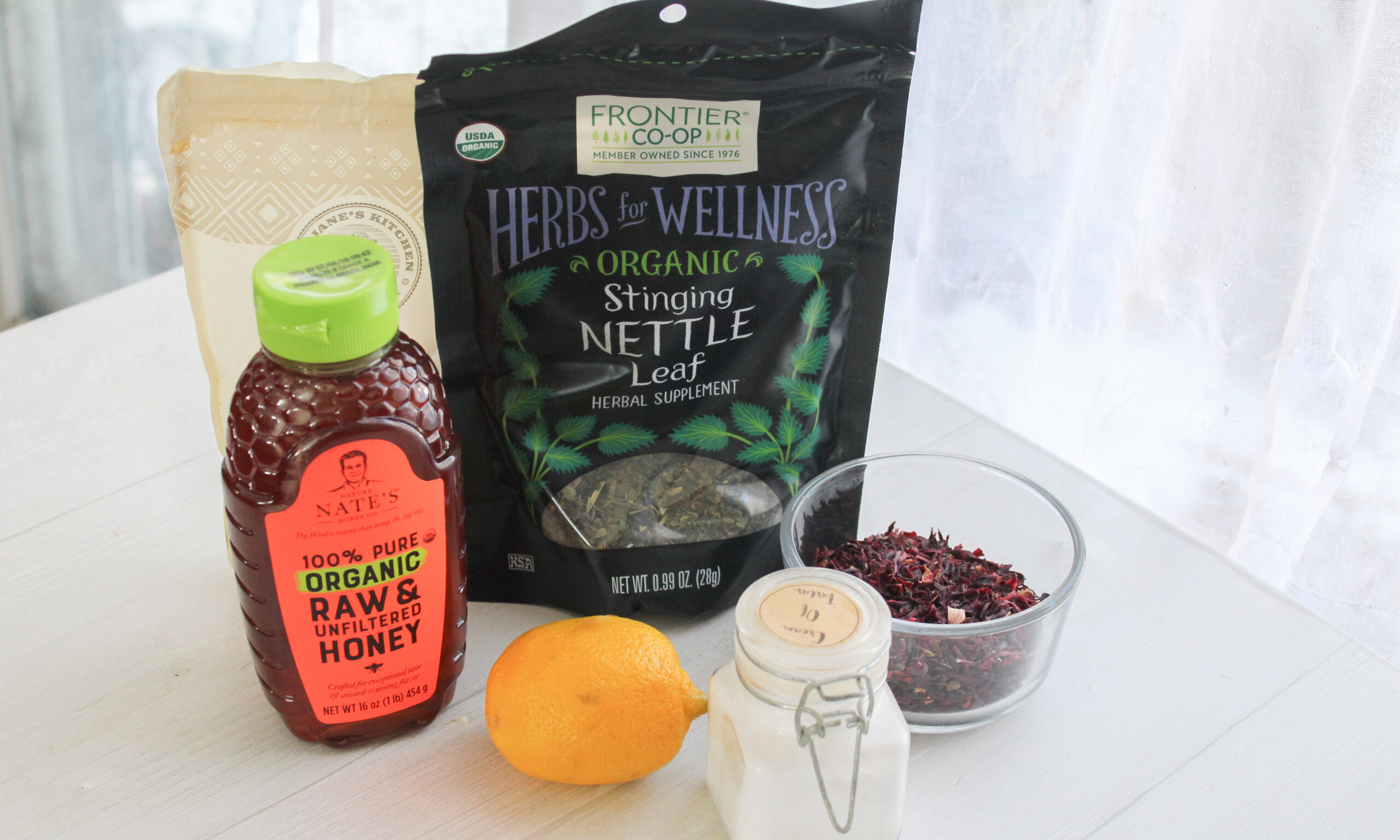
If you want a delicious alternative to Gatorade, try this gorgeous Herbal Electrolyte Drink. It uses wild hibiscus to create a beautiful hue, nettles to boost your body’s magnesium, sea salt and cream of tartar for muscle recovery, and lemon juice to keep you hydrated.
It looks (and tastes) almost identical to the toxic varieties but will give you peace of mind knowing you’re nourishing your body. Plus, kids will love this drink and beg for it! If you live in a hot climate, you’ll love how this drink gives you energy and prevents dehydration.
 Want to see exactly how it’s made? Watch the step-by-step video guide here and follow along, mixing up this vibrant, refreshing drink from scratch. It’s easy, quick, and so satisfying to make at home.
Ingredients:
- 2 cups boiling water
- 1 tablespoon dried nettles
- 1 tablespoon dried hibiscus
- Juice of 1 lemon
- 1 tablespoon raw honey or maple syrup
- ¼ teaspoon pink Himalayan salt
- ¼ teaspoon cream of tartar
 Step One: Place the dried nettles and hibiscus in a tea strainer set in a cup. Pour the boiling water over top and let steep for at least 10 minutes. The longer you steep, the more vibrant the color. Strain the herbs and let the mixture cool until room temperature. You can put it in the fridge to speed up the process.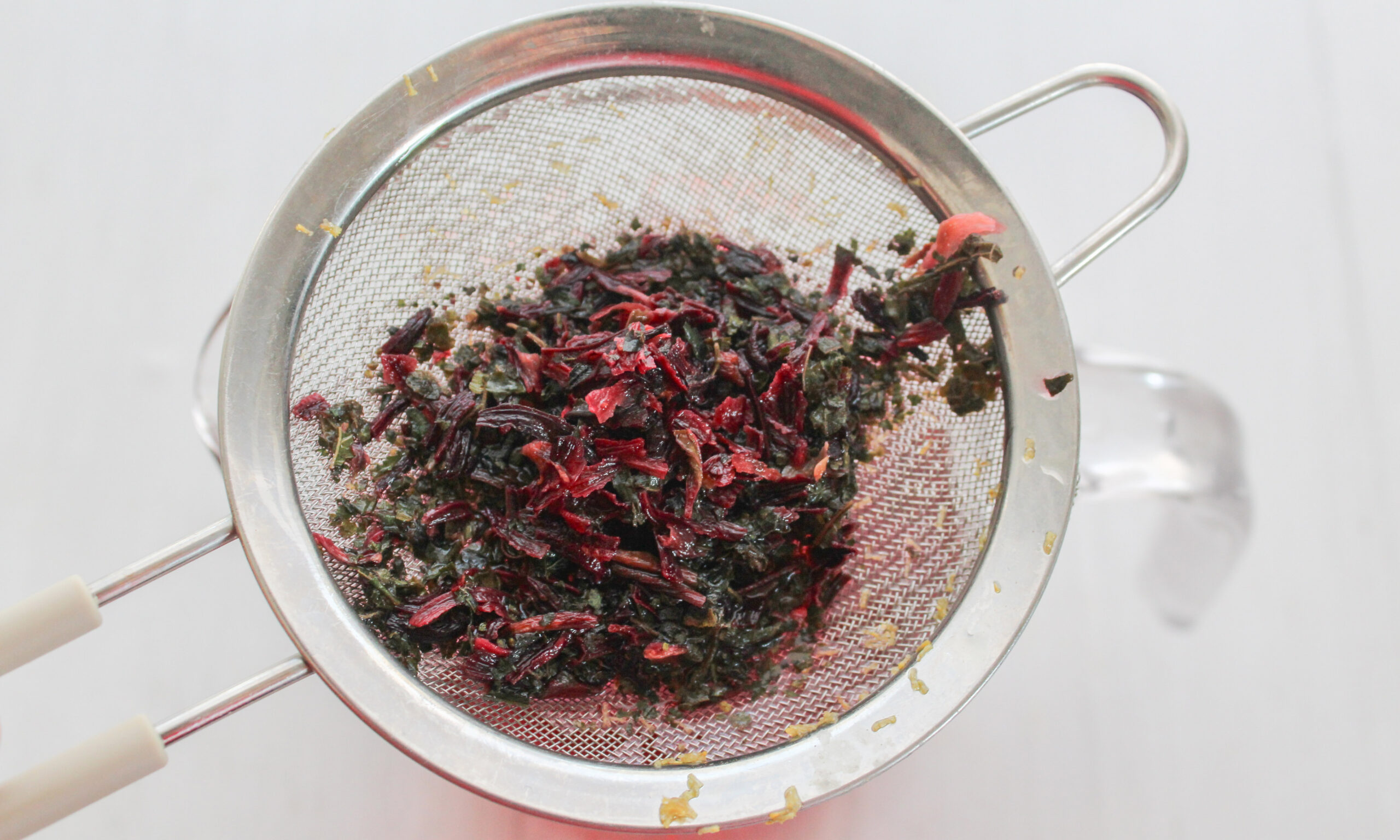
Step Two: Add the lemon juice, honey, salt, and cream of tartar. Stir well to mix. This drink is best served over ice. Enjoy!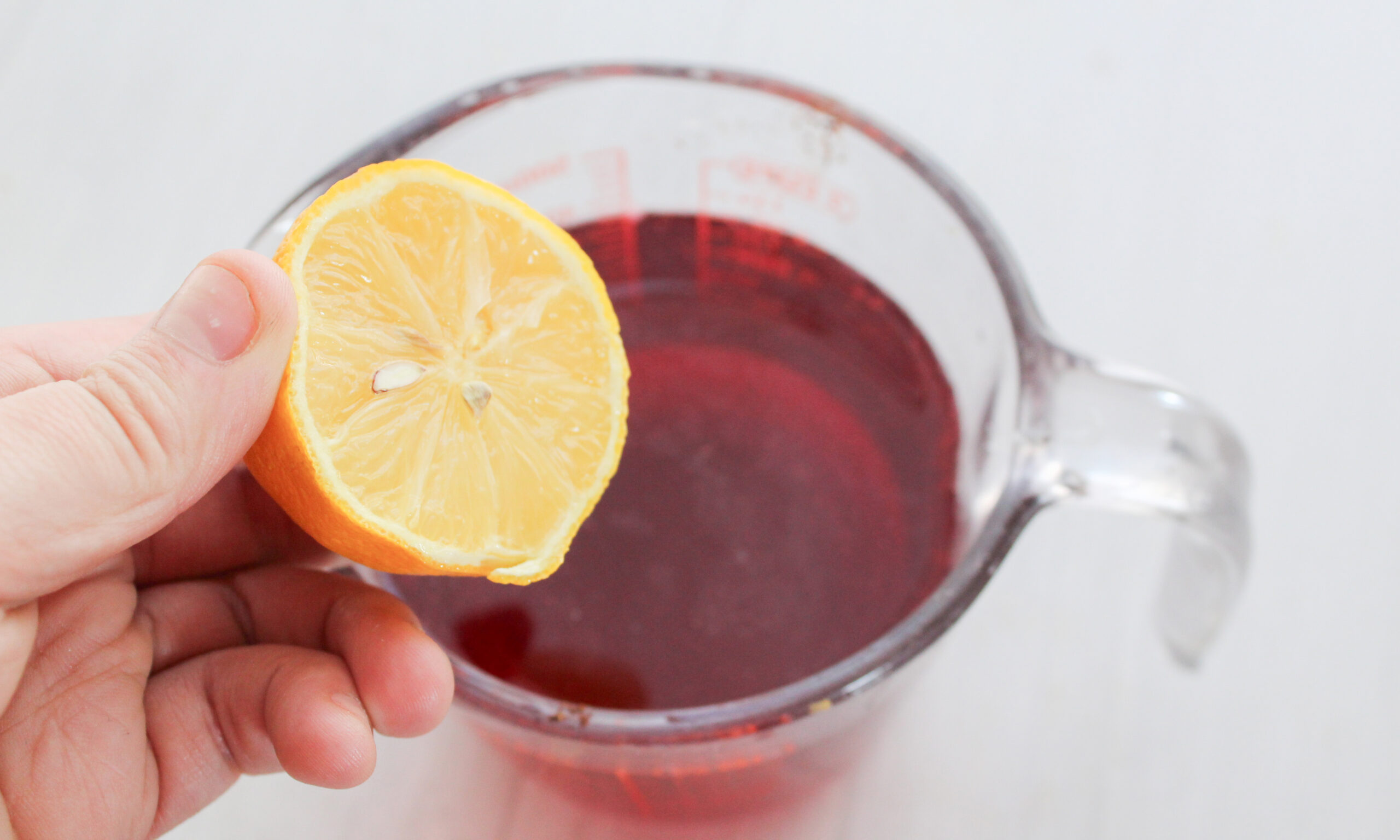
How to Use This Remedy
This homemade electrolyte drink is an excellent way to replenish lost minerals and support energy levels. It can be sipped before, during, or after heavy work or exercise, on hot days, or when you’re feeling rundown.
If your gut has already taken a hit from artificial dyes and processed ingredients, restoring balance takes more than hydration alone. You need targeted herbal support to soothe inflammation, rebuild your gut lining, and fight off the hidden culprits behind bloating and fatigue. That’s exactly what this powerful tincture was designed to do—drop by drop. 👉 Support your gut here
Its pleasant taste and abundance of vitamins make it an excellent alternative to toxic electrolyte drinks .This remedy is safe for the entire family and will be particularly loved by children. However, those on a low-potassium diet should avoid it as it can interfere with their needs.
You can make this drink in advance and store it in the fridge for up to four days. You can also make ice cubes with this mixture and add them to beverages for the same effect.
I don’t eat any of that junk, thank Goodness, I eat no dairy since 1982 and vegan since 2007.
thanks for exposing these toxic ingredients. Why so many are so overweight too!