
Worms Crawling In Your Gut? Read This.
There might be something alive inside you right now.
Not a figure of speech. An actual parasite—living, feeding, and multiplying inside your body.
And the scariest part? You might not even know it.
If you’ve eaten undercooked fish, drunk untreated water, or walked barefoot on contaminated soil, you may have been exposed.
Parasites don’t care how healthy you are, where you live, or how often you wash your hands.
They need just one thing: a host. And that host could be you.
In this article, you’ll discover how parasites enter your body, the damage certain infections can cause, and the natural remedies our ancestors used against them.
Some of it might sound like science fiction. Some might gross you out. But it’s all part of a very real problem.
And if you think parasites only exist in developing countries, think again.
They can spread through contaminated food, water, and soil—even here in America.
Worldwide, an estimated 1.5 billion people are infected with soil-transmitted parasitic worms.
That’s nearly 1 in 5 people on Earth.
And if you believe this article is not for you… it’s because you are not aware of the parasite symptoms. You can find them here.
Now, let’s uncover the uncomfortable truth.
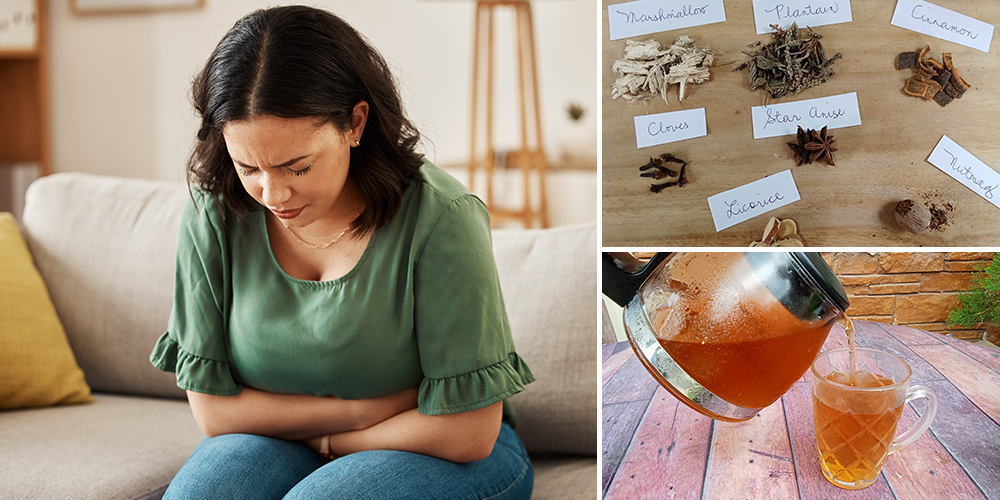
Could You Have Intestinal Parasites Without Knowing?
You don’t have to feel terribly sick to have an intestinal parasite.
You could spend weeks wondering whether something you ate is upsetting your stomach when the real issue is some unwanted guests.
Certain symptoms are worth paying attention to:
- Persistent bloating or abdominal discomfort: Some intestinal parasites can irritate your digestive system.
- Recurring diarrhea: Particularly when it continues after traveling or drinking untreated water.
- Unexplained weight loss: Some infections interfere with digestion or nutrient absorption.
- Unusual fatigue: Certain parasites, particularly hookworms, can contribute to anemia.
- Itching around your anus at night: This is a characteristic symptom of pinworms.
- Visible worm segments in your stool: Certain tapeworm infections can cause this.
Still, one symptom doesn’t confirm that parasites are there.
And just like one symptom doesn’t prove anything, one random herb won’t magically remove them overnight either.
If you want to follow a more complete parasite purge protocol and know what to eat in the morning, afternoon, and evening, this is where I’d look.
It also shows you which foods may be feeding the unwanted guests you’re trying to get rid of, so you know what to avoid too.
Click here to see the full parasite protocol.
You May Be Exposed in Ways You Never Considered
And it’s not always about what you eat or drink.
Sometimes, something as ordinary as touching a contaminated doorknob and then putting your fingers near your mouth can expose you to certain parasites.
You don’t need an unusual lifestyle to come into contact with them.
Why You Don’t Want Parasites Living Inside You
Some parasites can rob your body of the nutrients it needs.
Hookworms feed on your blood, potentially causing anemia, while other parasites can trigger diarrhea, weight loss, or even intestinal blockages.
And here’s the tricky part: some infections cause no obvious symptoms, allowing certain parasites to do damage unnoticed.
The good news? Parasites can be treated, and our ancestors had some fascinating herbal remedies worth exploring.
Black Walnut Hull: The Old Herbalist’s Favorite
Black walnut (Juglans nigra) grows throughout parts of North America, and its hulls have a long history of traditional medicinal use.
The Black Walnut is famous for its reputation as a vermifuge — a substance traditionally used to help expel intestinal worms.
For generations, people collected the hulls, dried them, and incorporated them into herbal remedies.
They learned which parts of the tree they wanted and passed that knowledge down.
Today, black walnut hull is still found in various commercial herbal preparations.
Black walnut hull is a potent herb, so don’t use it without proper guidance. Its concentrated compounds demand extra care.
Here’s the interesting part: for this remedy, you only need 7 whole green walnuts.
And green walnuts are often easy to find because most people walk right past them without realizing what they can be used for.
Add some vodka, and you already have the basic ingredients.
But with something this potent, the preparation matters.
I can’t take credit for this one, because Nicole Apelian’s method is much better than anything I could improvise. She lays it out step by step in her Deep Gut Sweep for Unwanted Guests recipe.
I’ll leave an image of the recipe here so you can see what I mean.
And if you want the full instructions plus 250+ other remedies, you can get them all in the same book.
Garlic: The Powerful Little Clove in Your Kitchen
You probably don’t need me to introduce you to garlic.
For thousands of years, garlic has been valued for much more than flavor.
Traditional healers used it for various digestive complaints, infections, and intestinal worms.
And unlike some obscure herbs that are difficult to find, garlic is wonderfully practical.
You can buy it in almost any grocery store. You can grow it in your garden. And you can add it to meals you’re already making.
So what makes it interesting?
Crushing garlic releases allicin, the sulfur compound behind its strong smell—and much of its medicinal reputation.
For centuries, garlic was traditionally used to fight intestinal worms. Its compounds have even been found to damage or kill certain parasites in laboratory experiments, including organisms such as Giardia and intestinal tapeworms.
Papaya Seeds: Stop Throwing Away the Interesting Part
Stop throwing away those little black papaya seeds! They might be more valuable than you think.
For generations, people in tropical regions have used papaya seeds to help get rid of intestinal worms.
And there’s something particularly interesting about this traditional remedy.
In a human trial, children given dried papaya seeds mixed with honey were significantly more likely to clear intestinal parasites than those given honey alone.
That’s a promising result for something most people toss in the trash!
Papaya seeds have a long history as a natural remedy for intestinal worms. While they shouldn’t replace proven treatment, you can explore their traditional use with proper guidance, since safe and effective doses haven’t been established.
If I wanted to make a serious home remedy for this kind of thing, I would not just throw papaya seeds in a blender and hope for the best.
That’s where instructions matter.
Papaya seeds are interesting, and there is some science behind their traditional use. But the difference between “I saw this online” and “I know how to prepare this properly” is huge.
Inside The Forgotten Home Apothecary, Nicole includes a remedy called Herbal Parasite Flush, along with many other digestive remedies that are organized so you can actually find what you need. I made it myself; this is what it looks like: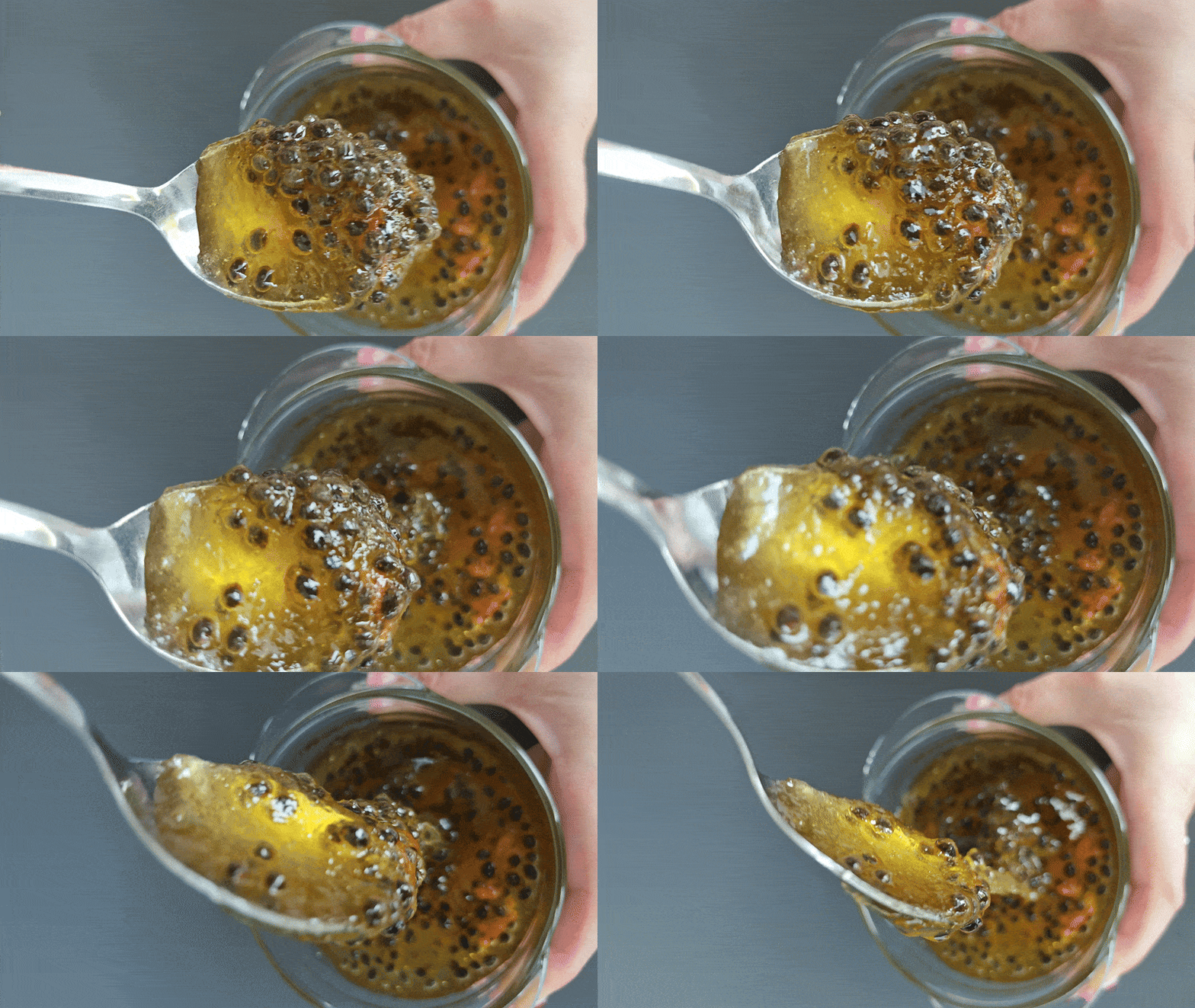 That matters because with parasites and gut issues, random guessing can waste time, or make you feel worse.
The book gives you the measurements, pictures, steps, and context. And once you have it on your shelf, you don’t have to depend on the internet being helpful during the next outbreak.
Paper doesn’t disappear when the search results get flooded.
And the best part is, you don’t just get one parasite remedy. You get access to hundreds of other home remedies too, for digestion, immunity, wounds, sleep, pain, respiratory issues, and more.
You can try out the book by clicking here, and if what’s inside doesn’t feel useful to you, you’re covered by the 60-day money-back guarantee.
Pumpkin Seeds: The Old-Fashioned Remedy You Can Snack On
Pumpkin seeds have been used for generations to help expel intestinal worms.
They contain cucurbitin, a compound linked to their traditional deworming reputation. Certain pumpkin seed extracts have even been found to damage parasites in laboratory experiments.
Just keep your expectations realistic. A handful won’t necessarily eliminate worms, so explore their traditional use with proper guidance, alongside proven treatment.
More Reasons to Love Pumpkin Seeds!
Their benefits go far beyond their traditional use against worms!
Packed with magnesium, zinc, protein, healthy fats, and antioxidants, they help support your heart, bones, and immune system.
Sprinkle them over salads, add them to oatmeal, or enjoy a handful as a snack.
Cloves
You probably associate cloves with holiday baking, but these tiny flower buds have a surprising medicinal history!
Cloves contain eugenol, a compound found to damage certain parasites in laboratory experiments, including the roundworm Trichinella spiralis.
While they haven’t been proven to eliminate worms in humans, cloves are easy to enjoy. Add them to oatmeal, baked apples, or warm cider.
Just remember: concentrated clove oil can be toxic if swallowed.
Wormwood
With a name like wormwood, you can probably guess what our ancestors used it for!
For centuries, herbalists used wormwood (Artemisia absinthium) to help expel intestinal worms and ease digestive complaints.
But this bitter herb contains thujone, which can harm your nervous system in high amounts.
Wormwood is powerful, and homemade preparations aren’t proven to eliminate parasites safely. Only explore its medicinal use with qualified guidance, never as a replacement for proven treatment.
Pomegranate Peel: Don’t Throw It Away!
While you enjoy the juicy seeds, traditional healers valued pomegranate peel against intestinal worms.
Its tannins and polyphenols have shown activity against certain parasites in laboratory experiments. Even pomegranate bark was traditionally used against tapeworms!
But be careful: Some bark preparations contain toxic compounds, and concentrated peel remedies aren’t proven safe or effective in humans.
For everyday benefits, enjoy the antioxidant-rich seeds in salads, yogurt, or straight from the fruit.
Black Seed
Black seed (Nigella sativa) has been treasured in traditional medicine for centuries.
It contains thymoquinone, a compound studied for its antioxidant and anti-inflammatory properties.
Black seed preparations have also reduced certain intestinal worms in animal experiments, although results vary by parasite.
It’s not a proven dewormer, but its traditional uses are worth exploring with proper guidance.
For everyday use, sprinkle these peppery seeds over bread, roasted vegetables, or savory dishes.
One More Thing: Don’t Forget Your Gut Health!
We’ve talked about the organisms you don’t want in your intestines.
But what about the trillions of beneficial bacteria you actually need?
Keeping them healthy is just as important, and you don’t need expensive supplements to do it!
Feed your good bacteria. Oats, beans, apples, nuts, and leafy greens provide fiber that supports healthy digestion and nourishes beneficial gut microbes.
Bring back fermented foods. Your grandparents were onto something! Sauerkraut, kefir, kimchi, and yogurt with live cultures can help support your gut microbiome.
After talking so much about the organisms you don’t want in your gut, don’t forget the ones you absolutely do want there.
That’s why fermented foods matter so much.
And one of my favorites is fermented cabbage juice.
It’s about as traditional as it gets, and it honestly feels like drinking something our ancestors could have made centuries ago.
You only need one medium cabbage and sea salt.
Simple ingredients — but the details matter.
I prefer Nicole’s version because she gives you the exact salt ratio and the bare-hand preparation method, just like people traditionally made it before everything came pre-packaged.
It’s easy, cheap, and one of the simplest ways I know to bring a traditional fermented food back into your routine.
Click here to see the exact fermented cabbage recipe I use.
Don’t forget your herbs! Garlic, thyme, and other culinary herbs add flavor and variety to a gut-friendly diet.
Protect Your Gut and Keep Parasites Away
Prevention starts with simple habits: wash your hands and produce, cook meat properly, avoid untreated water, and keep your surroundings clean.
But don’t stop there!
Your gut deserves the best care you can give it. Nourish it with fiber-rich foods, fermented vegetables, and beneficial herbs that support healthy digestion.
Cramps, bloating, gas, or diarrhea that keeps coming back?
You might blame stress. Or something you ate. But certain parasites can irritate your intestines and cause symptoms that resemble IBS.
And here’s something you shouldn’t overlook:
Your gut is home to a major part of your immune system. So caring for your digestive tract isn’t just about avoiding an upset stomach. It’s about supporting your overall well-being.
And who better to learn from than Nicole Apelian, a herbalist and biologist with decades of experience working with medicinal plants?
She’s brought together the most potent herbs in her Balanced Gut Tincture, designed to support digestive comfort and gut balance.
You can absolutely explore making a similar blend yourself. But sourcing the right plants and preparing mushroom extracts takes knowledge and time.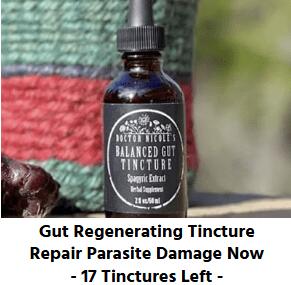
If you’d rather have Nicole’s ready-made formula, she’s already done that work for you.
👉 Discover Nicole Apelian’s Balanced Gut Tincture here.
Because your gut deserves more than attention when something goes wrong. It deserves proper care every day.
So, Which Herbal Remedy Should You Try?
From black walnut and wormwood to garlic, papaya seeds, and pumpkin seeds, our ancestors had an impressive collection of plants they turned to for intestinal worms.
And many of those plants are still being investigated for their antiparasitic properties today.
But remember: traditional use doesn’t guarantee that a remedy will eliminate an infection.
If you suspect intestinal parasites, getting tested is the best first step. Different parasites require different treatments, and herbal remedies shouldn’t replace proven medical care.
That doesn’t mean you have to abandon your love of natural solutions!
You can explore traditional herbal preparations with qualified guidance, enjoy garlic and pumpkin seeds in your meals, and nourish your gut with fiber-rich plants and fermented foods.
Want to Make Your Own Herbal Remedies?
Looking at all these herbs, seeds, tinctures, and traditional preparations…
It might sound like a lot.
And maybe it even feels like something only trained herbalists can pull off.
But it’s not—not when you have a certified herbalist guiding you every step of the way.
Inside this step-by-step video training, you’ll learn how to make over 300 natural remedies, right from your own kitchen.
You’re not just handed a recipe—you’re making it with a legit expert by your side, showing you exactly how to blend, pour, steep, stir, and store.
And yes… You even get to print out your own herbalist diploma with your name on it. This is how I got my diploma too!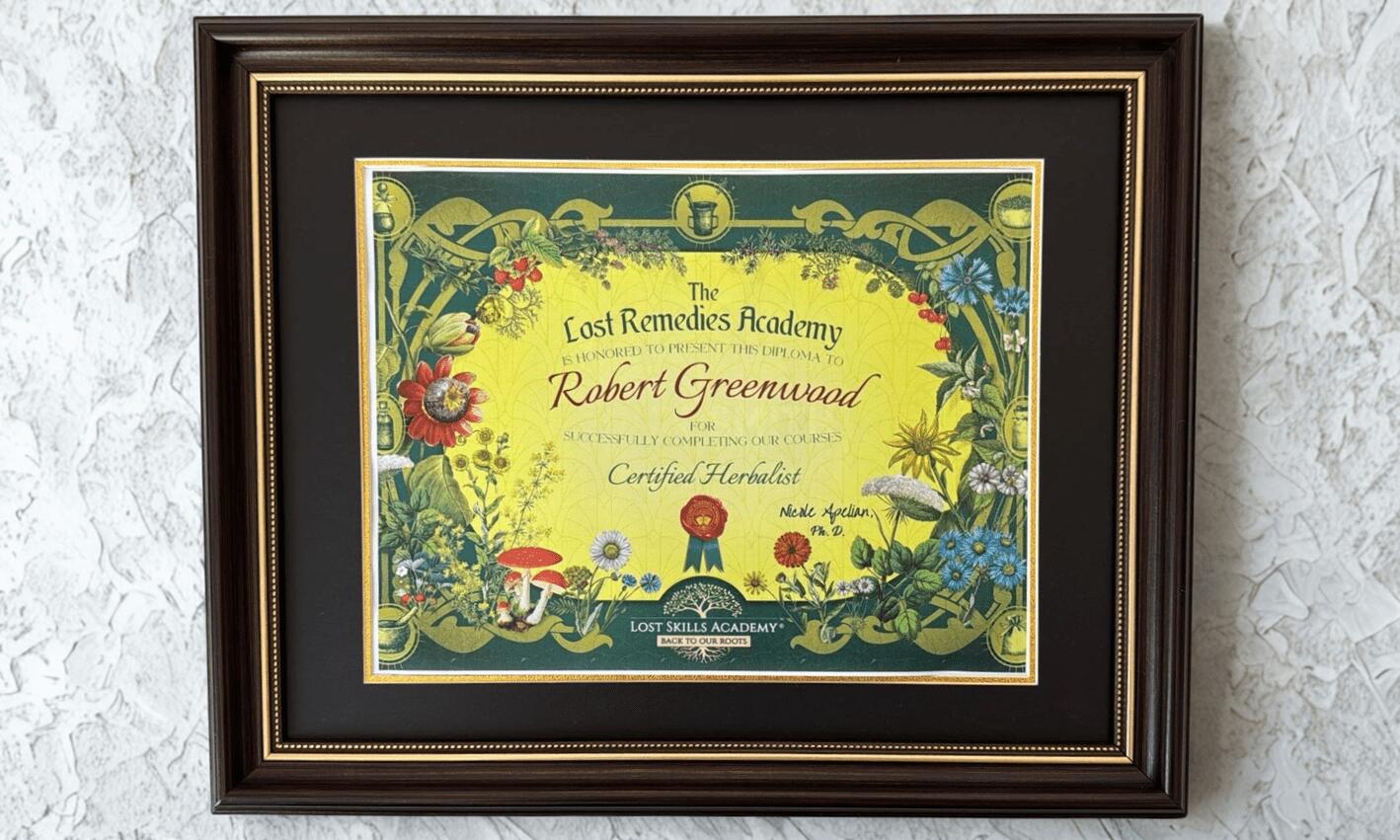
Your friends will be impressed. Your family will ask for your remedies.
But more importantly—you’ll gain the confidence to prepare your own herbal remedies using real plants, real ingredients, and the traditional knowledge that’s been hiding in your kitchen all along.
👉 Click here to see how easy it actually is—with the videos to prove it.
Because this time, you’re not just reading about remedies.
You’re making them.
You may also like:
Lavender Lemonade Recipe – The Herbalist’s Guide to Making It Right
Never Do This Before Going To Sleep (Video)
Does Herbal Tea Have Caffeine? An Herbalist’s Guide to What’s Really in Your Cup
DIY Bath Salts: An Herbalist’s Guide to Making Your Own Soothing Soaks