
Milk Bath – The Herbalist’s Guide to an Old-World Skin Ritual
A Ritual With a Very Old History
Long before dermatologists understood why it worked, people were soaking in milk to soften and calm their skin. The most famous version of this story belongs to Cleopatra, who legend says bathed in sour donkey’s milk to keep her skin smooth, but the practice shows up independently across ancient Egyptian, Roman, and Japanese bathing traditions as well.
What all of these traditions stumbled onto, centuries before modern skincare chemistry existed, was a genuinely functional ingredient. Milk is not just a soothing, luxurious-feeling addition to bathwater, it contains compounds that do measurable things to skin, which is exactly why the ritual survived long enough to become a modern spa staple.
What Milk Actually Does for Skin
The key active ingredient in a milk bath is lactic acid, a naturally occurring alpha hydroxy acid found in milk. A peer-reviewed review of AHA research explains that these acids work as gentle exfoliants used in dermatology to help improve the appearance of rough, keratotic skin, though their effects depend heavily on concentration.
In practical terms, this means the lactic acid in milk helps loosen the bonds between dead skin cells on the surface of your skin, encouraging them to shed more easily and leaving the skin beneath feeling smoother. Milk also contains fat and proteins that coat the skin lightly, which is part of why a milk bath tends to leave skin feeling soft rather than tight or dry the way plain hot water often does.
Choosing Your Milk: Whole, Powdered, Goat, or Buttermilk
Whole cow’s milk is the most common choice, and its higher fat content compared to skim milk gives it a richer, more moisturizing feel in the tub. Powdered milk works just as well and is often more practical to keep on hand, since it stores for months and dissolves easily into warm bathwater without needing refrigeration.
Goat milk is a popular alternative among herbalists because its fat molecules are naturally smaller than those in cow’s milk, which some people find absorbs into skin more easily and feels less greasy. Buttermilk, naturally higher in lactic acid due to fermentation, is worth trying if your goal is exfoliation specifically rather than pure moisture, though its stronger smell is not for everyone.
The Basic Milk Bath Recipe
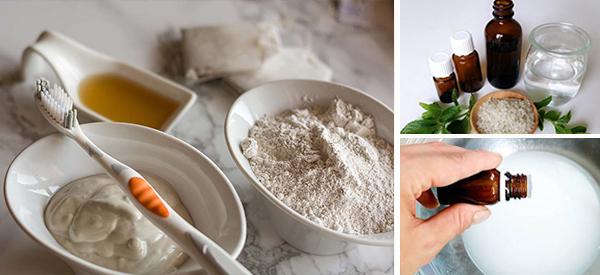
A simple milk bath needs nothing more than milk and warm water, and that simplicity is part of its appeal. Add two to four cups of whole milk, or one to two cups of powdered milk dissolved in a bit of warm water first, directly to a full tub of comfortably warm bathwater.
Swirl the water gently to distribute the milk evenly rather than letting it pool at the bottom of the tub. This basic version is a complete milk bath on its own, and everything that follows in this guide is simply a way to build on that foundation.
Milk Baths Across Different Cultures
Beyond the Cleopatra legend, milk bathing traditions developed independently in several parts of the world, which is often a sign that a practice has real functional value rather than being pure folklore. In Japan, milk baths became associated with the onsen bathing tradition, where dairy or rice-milk soaks were used alongside mineral hot springs for their skin-softening reputation.
In parts of Eastern Europe and Scandinavia, whey, the liquid left over from cheesemaking, was traditionally saved and added to bathwater rather than discarded, making practical use of a lactic-acid-rich byproduct that would otherwise go to waste. Traditional Ayurvedic practice in India also incorporates milk into bathing and skin rituals, often combined with turmeric or sandalwood. This kind of independent, cross-cultural convergence on the same basic idea, using fermented or fresh milk on skin, is part of what makes the ritual worth taking seriously rather than dismissing as just a modern spa trend.
Boosting It With Oats
Colloidal oatmeal is one of the most well-supported additions you can make to a milk bath, and unlike many bath ingredients, it actually carries formal regulatory backing. The FDA’s final monograph on OTC skin protectants classifies colloidal oatmeal as an approved active ingredient that temporarily protects and helps relieve minor skin irritation and itching due to rashes, eczema, and other causes when used as a soak in a tub.
To add it, grind plain rolled oats into a fine powder using a blender or food processor, then stir about half a cup into your milk bath along with the milk itself. The combination of milk’s lactic acid and oatmeal’s soothing, film-forming polysaccharides makes this one of the gentlest, most broadly useful versions of the ritual, particularly for dry, itchy, or easily irritated skin.
Adding Honey for Extra Moisture
Raw honey is a natural humectant, meaning it draws and holds moisture against the skin rather than simply sitting on the surface. Stirring two to three tablespoons of honey into warm milk before adding it to the bath helps it blend in rather than clumping at the bottom of the tub.
Honey also has a long traditional reputation for being gentle on sensitive skin, which makes this combination a favorite for anyone dealing with dry patches during colder months. As with any new ingredient, anyone with a known bee product allergy should skip this addition entirely.
Adding Herbs and Essential Oils Safely
Dried lavender, chamomile, rose petals, or calendula can all be added to a milk bath, either loose in a muslin bag or steeped first as a strong tea that gets poured into the bathwater along with the milk. This adds fragrance and a gentle traditional herbal element without introducing anything as concentrated as an essential oil.
If you do want to use essential oils, dilution matters far more than people expect. The National Institutes of Health’s National Center for Complementary and Integrative Health notes that essential oils used in aromatherapy are most often used by inhaling them or by applying a diluted form to the skin, never applied undiluted directly to skin. A few drops mixed into the milk itself, rather than dropped directly into bathwater, disperses the oil more evenly and reduces the risk of a concentrated drop landing directly on skin.
Safety Note, Pregnancy, and Skin Precautions: Do a patch test on a small area of skin before adding any new herb or essential oil to a bath, and wait 24 hours to check for a reaction. Never bathe in milk or any additive if you have broken skin, an active skin infection, or an open wound, since this can introduce bacteria and delay healing. Milk and oil-based additions can make a tub surface slippery, so use a bath mat and take extra care getting in and out. If you are pregnant or breastfeeding, Mayo Clinic notes that essential oils applied directly to the skin can cause side effects such as allergic reactions or irritation, and recommends avoiding placing essential oils directly on the skin and never ingesting them during pregnancy or while breastfeeding. Anyone with a dairy protein allergy, as opposed to lactose intolerance, should avoid milk baths entirely, since a skin reaction is possible even though the milk is not being consumed.
Combining Milk Bath Ingredients Thoughtfully
Once you are comfortable with the basic milk and oat combination, layering in additional ingredients works best when done thoughtfully rather than all at once. Milk, oats, and honey together form a particularly well-balanced trio, since each targets a slightly different aspect of skin comfort: gentle exfoliation, soothing protection, and moisture retention.
Adding too many ingredients into a single bath at once makes it harder to identify what is actually helping, and harder to pinpoint the cause if your skin reacts poorly to something new. A simple rule worth following is to introduce one new ingredient per bath for the first few tries, only combining your favorites into a signature blend once you know how each one behaves on its own.
How Often and How Long to Soak
A milk bath does not need to be a daily ritual to be effective, and for most people, two to three times a week is a comfortable, sustainable frequency. Soaking for fifteen to twenty minutes gives the lactic acid enough contact time to work without leaving skin over-softened or pruney the way an excessively long soak can.
Rinsing off with plain warm water afterward is optional but can help remove any residue if you added oats or honey, both of which can otherwise leave a slight film if left to air dry.
Milk Baths for Babies and Children
A very mild, well-diluted milk and oat bath is a traditional remedy some parents use for a baby’s mild skin irritation, but this is an area where extra caution genuinely matters. Infant skin is thinner and more permeable than adult skin, and reactions can develop that would not occur in an adult.
Skip essential oils entirely for children under two, use only a small amount of plain milk or colloidal oatmeal rather than a full adult-strength recipe, and check with a pediatrician first if your child has eczema, a known skin condition, or any diagnosed allergy.
Dairy-Free and Vegan Alternatives
Coconut milk is the most popular dairy-free substitute, offering a similar richness and mild fat content, though it lacks the lactic acid that makes traditional milk baths exfoliating. Oat milk is another option, and pairs naturally well with the colloidal oatmeal addition described earlier, reinforcing rather than duplicating its benefits.
Neither alternative replicates the exfoliating action of lactic acid exactly, but both deliver the moisturizing, skin-softening feel that draws most people to a milk bath in the first place.
Storing Leftover Ingredients Properly
If you dissolve powdered milk into a small amount of water ahead of time rather than adding it dry, use it the same day rather than storing the mixture, since reconstituted milk spoils just as quickly as fresh milk once it is wet. Any honey and milk mixture prepared in advance should be treated the same way, kept refrigerated and used within a day if not added to bathwater right away.
Dried herbs meant for milk baths keep far longer than the liquid ingredients, so it makes sense to prepare small jars of a favorite herb blend ahead of time, ready to combine with fresh milk whenever you want to draw a bath. Keeping dried herbs in a sealed container away from light and moisture preserves both their scent and their gentle skin-soothing properties considerably longer than leaving them exposed on an open shelf.
Common Mistakes That Ruin a Milk Bath
Using water that is too hot is one of the most common mistakes, since excessive heat strips natural oils from skin and can counteract much of what the milk is trying to add back. Adding cold milk straight from the refrigerator into a full tub can also cool the water down more than expected, so warming it slightly first, or simply adding a bit more hot water to compensate, keeps the bath at a comfortable temperature throughout.
Skipping the patch test when trying a new herb or oil is another frequent misstep, particularly for anyone with generally sensitive or reactive skin. A five-minute test today prevents a genuinely uncomfortable reaction during an actual bath later.
Making It a Seasonal Ritual
Many herbalists find that milk baths feel especially suited to colder months, when dry indoor heat and harsh outdoor air take a real toll on skin. Building a simple rotation, a plain milk and oat bath through winter, a lighter honey version in spring, feels less like a chore and more like a seasonal check-in with your own skin’s changing needs.
There is no wrong way to structure this, and the ritual works just as well as an occasional treat as it does a regular habit. What matters most is paying attention to how your skin actually responds each time, adjusting the recipe accordingly, and letting the practice remain genuinely enjoyable rather than one more item on a lengthy self-care checklist.
Your Home Apothecary Can Go Far Beyond a Milk Bath
A milk bath is a wonderful example of something our ancestors understood long before modern shelves were filled with expensive creams and complicated formulas: sometimes the most useful remedies are made from simple ingredients you can keep right at home.
Milk, oats, honey, chamomile, calendula, lavender, and other traditional ingredients have been part of home care for generations. But knowing which plants and ingredients to use—and how to turn them into something practical, is where forgotten knowledge becomes genuinely useful.
That’s exactly what Forgotten Home Apothecary was created to help you rediscover.
Instead of relying entirely on ready-made products, you’ll learn how ordinary herbs and natural ingredients can be transformed into practical preparations you can make and keep at home.
Discover traditional ways to prepare herbal teas, tinctures, salves, poultices, infused oils, syrups, washes, and other home remedies, along with the knowledge you need to begin building an apothecary tailored to your household.
Imagine opening a cabinet and finding jars and preparations you’ve made yourself, not because you’re trying to replace every aspect of modern medicine, but because you’ve rebuilt the practical herbal knowledge that generations before us routinely kept at home.
The milk bath in this article is only one small glimpse into that older tradition. Forgotten Home Apothecary takes you much deeper.
Final Thoughts
A milk bath earns its long history honestly, combining a mild, functional exfoliating acid with fats and proteins that leave skin feeling genuinely different by the time you step out of the tub. It is simple enough to make with ingredients most kitchens already have, and flexible enough to build into something more elaborate with oats, honey, and herbs as you get comfortable with the basic ritual.
Start with the simplest version, pay attention to how your own skin responds, and layer in additional ingredients one at a time rather than all at once. That patient approach, more than any specific recipe, is what turns a milk bath from a pleasant one-time treat into a reliable part of your regular self-care routine.
You may also like:
Never Do This Before Going To Sleep (Video)
Why You Should Rub Honey On Your Skin
This Is Why You Should Put Banana Peels On Your Skin
🌿 Join Our Private Herbal Community For Free. 👉 Click here!