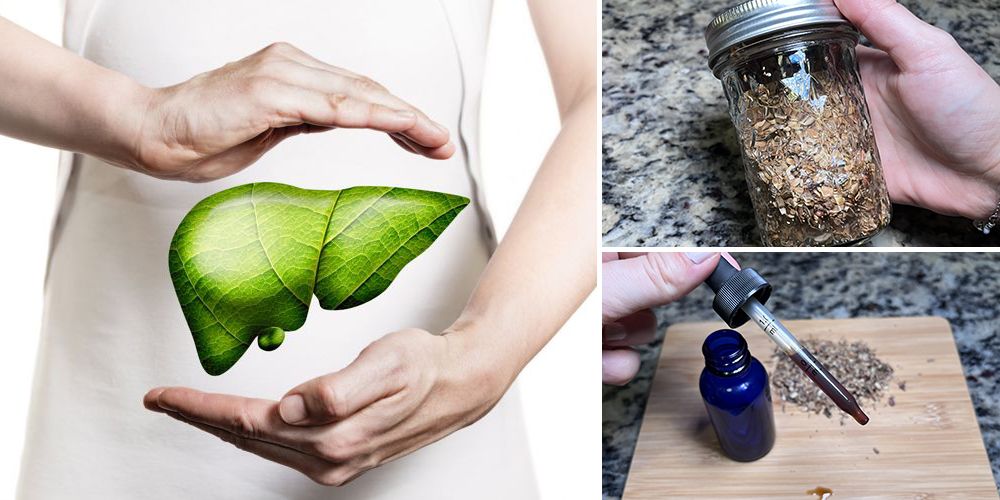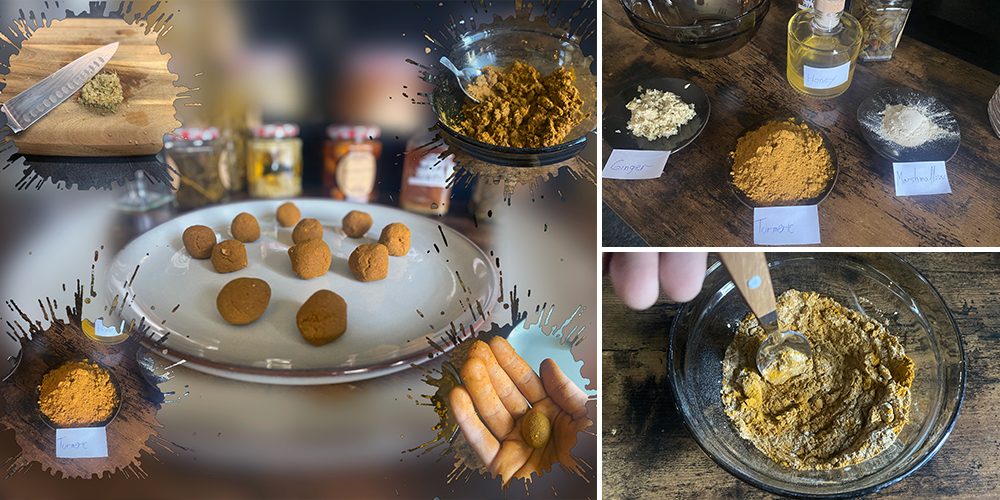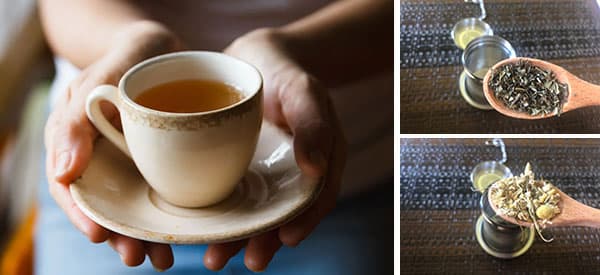

Liver Congestion Herbal Protocol
Your liver does a lot of work without making much noise.
Every day, it processes nutrients, alcohol, medications, and metabolic waste while helping with digestion and blood chemistry.
So when you feel unusually tired, lose your appetite, or notice something feels off, it’s natural to wonder whether your liver could use more support.
Herbalists have traditionally described this as an “overworked” or “congested” liver.
The goal isn’t an aggressive “detox.” It’s simpler:
Give your liver less unnecessary work, and support it with better daily habits.
Could Your Liver Be Trying to Get Your Attention?
Liver problems don’t always announce themselves clearly.
Fatigue, nausea, appetite changes, or discomfort under the right ribs can have many causes. More concerning changes include dark urine, pale stools, yellowing of the skin or eyes, persistent itching, unusual bruising, swelling, or ongoing upper-right abdominal pain.
Some liver problems can also stay quiet for years, which is why persistent or unusual symptoms deserve attention.
A Different Kind of Liver Protocol: Less Work, More Support
Forget extreme cleanses.
Your liver is already doing the work. Your job is to make that work easier.
1. Give Your Liver One Less Job
If you drink alcohol regularly, take a break.
And don’t assume more supplements automatically mean more support. Complicated herbal stacks can sometimes do more harm than good.
Use fewer things, with a clear reason for each one.
2. Put Real Food First
Build more meals around vegetables, fruit, legumes, nuts, fiber-rich foods, quality protein, and healthy fats.
Cut back on refined carbs, excess saturated fat, and sugar-heavy foods and drinks.
Simple, boring, effective.
3. Move More
Regular movement supports metabolic liver health.
Aim for roughly 150 minutes of moderate activity per week: walking, gardening, dancing, whatever you’ll actually keep doing.
Consistency matters more than intensity.
4. Keep the Easy Rituals
Drink water. Add lemon if you enjoy it.
And if you love coffee, you may not need to give it up. Regular coffee consumption has been associated with better liver-related outcomes in some populations. 
Your liver-support routine shouldn’t feel like punishment.
If it’s miserable, you probably won’t keep doing it.
The Herbs Traditionally Used For Liver Support
Now we come to the plants.
Milk thistle, dandelion, and schisandra have each earned a place in traditional herbal practice, but for very different reasons.
And they shouldn’t be treated as interchangeable.
Nettle Leaf (Urtica dioica): The Old-Fashioned Spring Tonic
Nettle is one of those plants our ancestors didn’t wait for a laboratory to appreciate.
For generations, herbalists gathered young nettle leaves in spring and used them as a restorative, mineral-rich tonic after the long winter months.
In traditional European herbalism, nettle was also used as a “depurative” herb: an old herbal term for plants believed to support the body’s natural processes of elimination and renewal.
And that makes nettle especially interesting when you’re trying to give your liver a little more support.
Nettle leaves naturally contain minerals, chlorophyll, polyphenols, and other plant compounds, while their traditional use was often connected with supporting digestion, urinary elimination, and the body’s overall “cleansing” processes.
Rather than thinking of nettle as something that aggressively flushes your liver, think of it as the kind of gentle herb traditionally used to support the systems working alongside it.
A simple way to use nettle
One of the easiest ways to bring nettle into your routine is as a tea or strong herbal infusion.
But if you’re already a coffee drinker, you can also make it part of that ritual.
Try brewing a strong nettle infusion and adding a splash to your morning coffee, or use cooled nettle tea in place of some of the water when making iced coffee. It gives you an easy way to work this old-fashioned spring tonic into something you already drink every day.
Nettle also pairs naturally with dandelion root.
Dandelion brings the bitter. Nettle brings the nourishing spring tonic. Coffee makes the whole ritual easier to keep.
You can absolutely make a nettle infusion yourself. The plant is easy to love, and the ritual is simple.
However, the tincture form is much more concentrated. Instead of drinking cup after cup of nettle tea, you’re getting the plant in a stronger, more convenient liquid extract.
But tincturing nettle properly is a little more demanding. You need the right harvest time, the right drying process, the right alcohol strength, and enough patience to preserve the plant well.
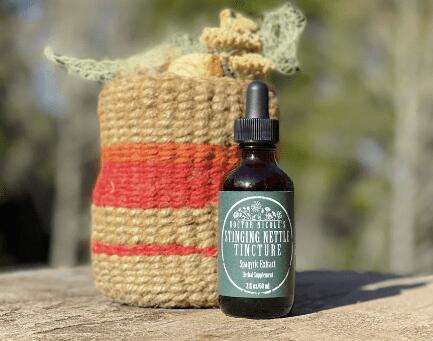 Nicole Apelian has been making tinctures for decades, and she knows exactly what properly prepared nettle should look and feel like.
So if you want the benefits without the learning curve, this is the one I’d reach for.
Click here to see the nettle tincture I trust.
Milk Thistle Seed (Silybum marianum): The Classic Liver Herb
If you’ve explored natural liver support before, you’ve probably already met milk thistle.
It’s practically impossible not to.
Its best-known extract, silymarin, contains a collection of compounds called flavonolignans that have attracted considerable research interest, particularly for their antioxidant activity.
Milk thistle also has centuries of traditional association with liver and digestive support.
Modern human trials, however, have produced mixed results.
Studies involving hepatitis C and fatty liver disease haven’t established milk thistle as a stand-alone treatment for these conditions.
But that doesn’t make the herb irrelevant.
It simply tells you where it fits.
Milk thistle makes far more sense as part of a wider liver-support routine than as something you expect to undo years of poor habits by itself.
How to use it
Choose a single-ingredient milk thistle product that clearly lists its silymarin content and follow the labeled serving.
Quality matters because milk thistle supplements can vary considerably in composition.
Milk thistle is generally well tolerated, although digestive discomfort can occur, and people who react to ragweed, daisies, chrysanthemums, or related plants should be cautious.
Dandelion Root (Taraxacum officinale): Humble, Bitter, and Easy to Overlook
There’s something wonderfully unassuming about dandelion.
People spend half the summer trying to rip it out of their lawns while herbalists are busy digging up the roots.
Dandelion has a long history as a bitter botanical used in traditional digestive and herbal preparations.
Modern detox culture has stretched that reputation into claims that dandelion somehow “flushes” the liver, kidneys, and gallbladder clean.
That goes further than current human research can support.
But you don’t need those exaggerated claims to appreciate the plant.
Dandelion root is interesting precisely because it gives you a simple, traditional bitter that can fit naturally into an everyday herbal routine.
And this is where digestion and liver support start to overlap.
Your liver doesn’t work alone. It works closely with your gut, bile flow, elimination, and the way your body handles food every single day.
 So when you support digestion, you’re often supporting one of the systems your liver depends on most.
Reishi, Turkey Tail, Lion’s Mane, and three other herbs are traditionally used to support gut and digestive health. That’s why I recommend you also look at Nicole Apelian’s Balanced Gut Blend Tincture.
This way, you’ll support the whole digestive system that works alongside it.
A simple way to use it
One of the easiest options is commercially prepared dandelion-root tea.
Warm, earthy, slightly bitter, and much simpler than swallowing another handful of capsules.
Just remember that dandelion isn’t equally suitable for everyone. It may interact with diuretics, diabetes medications, and medicines affecting blood clotting, and people sensitive to the daisy family can react to it.
Schisandra Berries (Schisandra chinensis): The Most Intriguing of the Three?
Then there’s schisandra.
These berries bring something completely different to the trio.
Schisandra has a long history in East Asian herbal traditions, while its lignans have become increasingly interesting to researchers studying antioxidant activity and liver-related pathways.
Preclinical research has produced intriguing results involving markers such as ALT, AST, oxidative stress, and inflammation.
There has also been limited human research, including a small trial where a combination containing schisandra fruit extract was associated with improvements in liver-function markers.
So schisandra sits in an interesting place:
Traditional reputation behind it. Fascinating research around it. Plenty still left to learn.
The important catch
Schisandra deserves extra respect if you take medication.
It can influence enzymes and transport proteins involved in how your body handles certain drugs and has been shown to alter levels of medications such as tacrolimus.
So this isn’t the herb to casually add on top of a long prescription list.
If it fits your situation, use a reputable product and stick to its directions rather than assuming that a higher dose is better.
What a Simple Liver-Support Day Could Look Like
You don’t need to reorganize your life around your liver.
Morning: Start with a large glass of water. Add lemon if you enjoy it. Have your coffee if you tolerate it and choose a whole-food breakfast instead of a punishing detox fast.
With food: If milk thistle fits your routine, take a quality single-ingredient product according to its label.
During the day: Enjoy a cup of dandelion-root tea as your traditional bitter.
Considering schisandra? Check your medications first and use a reputable product according to its directions.
At meals: Build more of your plate around vegetables, fruit, legumes, nuts, fiber-rich foods, suitable proteins, and unsaturated fats.
Move: Work toward roughly 150 minutes of moderate activity across your week.
Alcohol: Give it a break.
At night: Eat a normal nourishing meal and prioritize consistent sleep.
No flush. No punishment. No cabinet full of mystery capsules.
Sleep is one of the most overlooked parts of liver support.
While you rest, your body handles repair, regulation, and recovery. And when sleep is poor, everything feels harder the next day: your cravings, your energy, your stress, even your motivation to eat well or move.
So if your liver feels overworked, don’t just think about what you eat.
Think about how well you sleep too.
Valerian has long been known for its traditional use for calming the body at night.
A stronger sleep routine may be one of the simplest ways to support your body’s nightly reset, including the organs doing the quiet work while you rest.
The Easy Way to Bring These Liver Herbs Together
Your herbs should be the supporting cast, not the entire movie.
And this is exactly why I like a finished liver blend.
You’ve just seen how dandelion, milk thistle, schisandra, and nettle each bring a different traditional role to a liver-support routine.
But sourcing them separately, preparing them properly, and knowing how to combine them can become the roadblock that stops people from doing anything at all.
Nicole Apelian’s Liver Blend Tincture brings these classic liver-support herbs together in one ready-made bottle.
No sourcing separate herbs. No guessing ratios. No waiting weeks for an infusion.
Just the herbs that matter, prepared for you.
Add it to your routine, and you’ve brought together dandelion’s traditional bitter use, milk thistle’s classic liver reputation, nettle’s old spring-tonic role, and schisandra’s traditional resilience support.
I’ll leave a link for you here.
Your Liver Needs Consistency, Not Extremes
Supporting your liver doesn’t require a harsh cleanse or a cabinet full of supplements.
Eat well. Move. Hydrate. Give alcohol a break. Sleep. And if you want herbal support, use plants like milk thistle, dandelion, and schisandra thoughtfully.
Your liver is already doing the hard work.
Your job is simply to make that work a little easier.
And that’s the part most people miss.
They look for one liver herb, one detox drink, one supplement, one quick fix.
But your liver doesn’t respond to one heroic action. It responds to the pattern you repeat: food, sleep, stress, movement, digestion, alcohol, hydration, and the herbs you choose.
That’s why I like having a complete liver protocol instead of guessing.
Inside Nicole Apelian’s holistic protocol guide, there’s a full Liver Health Protocol that shows you what to do morning, afternoon, and evening. Not just which herb to take, but how to build a real routine around food, movement, stress relief, remedies, and daily support.
The book includes 45 holistic protocols, and the liver protocol is one of them.
So instead of asking, “Which one thing should I take?” you can follow a clear plan.
Click here to see the Liver Health Protocol before the current copies are gone.
Important Safety Note
This information is for educational purposes only and is not intended to diagnose, treat, cure, or prevent any disease. Herbs and dietary supplements can cause side effects and interact with medications. Speak with a qualified healthcare professional if you have known liver or gallbladder disease, abnormal liver tests, take prescription medication, are pregnant or breastfeeding, or develop persistent or concerning symptoms.
If you notice yellowing of the skin or eyes, tea-colored urine, pale stools, persistent upper-right abdominal pain, unusual swelling or bleeding, or new confusion, don’t try to “detox through it”. Those signs deserve proper medical evaluation. And if you already have liver or gallbladder disease or take prescription medications, be more cautious with concentrated herbal products.
You may also like:
The ‘Nerve Oil’ You Should Use For Shaky Hands
Never Do This Before Going To Sleep (Video)
How to Make Loose Incense Blends at Home – The Complete Guide
🌿 Join Our Private Herbal Community For Free. 👉 Click here!
References
Nicole Apelian’s The Holistic Guide to Wellness: Herbal Protocols for Common Ailments, Chapter 12, “Liver Health Protocol,” pp. 76–82.
Liver Function, Symptoms & Medical Red Flags
National Institute of Diabetes and Digestive and Kidney Diseases — Liver Disease
NIDDK — Symptoms & Causes of Cirrhosis
NIDDK — Symptoms & Causes of Autoimmune Hepatitis
NIDDK — Symptoms & Causes of Gallstones
NIDDK — Symptoms & Causes of Primary Sclerosing Cholangitis
Diet, Weight, Activity & Coffee
NIDDK — Treatment for NAFLD/NASH, now also called MASLD/MASH
Milk Thistle
NIH National Center for Complementary and Integrative Health — Milk Thistle: Usefulness and Safety
NCCIH — Hepatitis C and Dietary Supplements
Dandelion
NIH National Center for Complementary and Integrative Health — Dandelion: Usefulness and Safety
Schisandra
Memorial Sloan Kettering Cancer Center — Schisandra Monograph
Herbal & Supplement Liver Safety
NIH LiverTox — Herbal and Dietary Supplements
U.S. FDA & FTC Guidance
FDA — Structure/Function Claims
FDA — Small Entity Compliance Guide on Structure/Function Claims
FDA — Notifications for Structure/Function and Related Claims in Dietary Supplement Labeling
FDA — Questions and Answers on Dietary Supplements
FDA — December 2025 Letter to the Dietary Supplement Industry on the DSHEA Disclaimer
Federal Trade Commission — Health Products Compliance Guidance