

If Pharmacies Closed Tomorrow, You’ll Regret Not Having This
Imagine waking up one morning to find your local pharmacy closed. Shelves stripped bare. No prescription refills. No over-the-counter remedies.
It sounds dramatic, but drug shortages are real. Around 216 medications are currently in shortage nationwide. Nearly 30% of U.S. pharmacies have closed in the last decade. Rural areas are losing pharmacies entirely.
Depending solely on the corner drugstore leaves you vulnerable when supply chains break down.
But I’m gonna tell you something: you don’t need to panic! You need to prepare. A little herbal knowledge and some quality remedies can be your backup plan when pharmacy shelves go empty.
Let me show you what to have ready.
The Reality: Supply Gaps Are Getting Worse
The U.S. drug supply chain faces serious strains much farther than the weight loss industry shows. An average shortage affects about 500,000 Americans and tends to last over a year. Some medications simply disappear from shelves for months.
Rural communities lose access entirely when local pharmacies close. Even in cities, you might find your usual medication unavailable with no clear timeline for when it’ll return.
This isn’t fearmongering. It’s reality. And it means relying entirely on conventional pharmacies is risky. 
Knowledge First, Supplies Second
Before you stockpile anything, understand this: the most valuable preparation is knowledge.
Knowing that ginger tea may calm an upset stomach means more than having a bottle of antacids you might run out of. Understanding which herbs may support immunity gives you options when cold medicine is unavailable. There are a couple of remedy books out there that I fully trust.
The most reputable book I’ve found for the US, with hundreds of plant profiles, foraging guides, and remedy instructions, is The Lost Book of Herbal Remedies. It works, and it covers what actually grows here.
Related: How to Use Onions for Hair Growth
Start by learning remedies for common ailments. Keep an herbal first-aid notebook or printed guide for common ailments you can reference when someone has a fever, cut, stomach bug, or worse.
Save information offline so you’re not dependent on internet access during emergencies. Take a first-aid course. Learn basic herbal preparation.
 Even an online workshop (save the materials) gives you confidence to act calmly under pressure. Nicole Apelian has a video-based course exactly like this. It teaches herbal preparation step by step. I followed it myself and got my diploma at the end.
The goal isn’t to become a doctor. It’s to not be helpless when you can’t access conventional medicine.
Your Home Herbal Pharmacy: The Basics
Start with versatile staples that may help address common problems. You don’t need exotic ingredients—kitchen herbs work remarkably well.
For Digestive Issues
Ginger root (fresh or dried): May help with nausea, motion sickness, morning sickness, and digestive upset. Contains compounds that may reduce inflammation throughout the body. Make tea, add to meals, or chew candied ginger for nausea relief.
Peppermint (dried): May soothe upset stomachs, ease gas and bloating, and support digestive comfort. Research suggests peppermint oil may help people with IBS. As tea, it’s traditionally used for digestive discomfort, tension headaches, and congestion.
Chamomile (dried): May support gentle digestion and calm mild stomach upset. Also may help promote relaxation and better sleep. Generally considered very safe and gentle.
Throughout this article, I chose the most common and easy-to-get herbs. But if you want to stockpile the most potent gut-blend, consider slippery elm, marshmallow, and plantain combined. This Balanced Gut Tincture has all three. It’s what I use even now, not just for emergencies.
For Immune Support 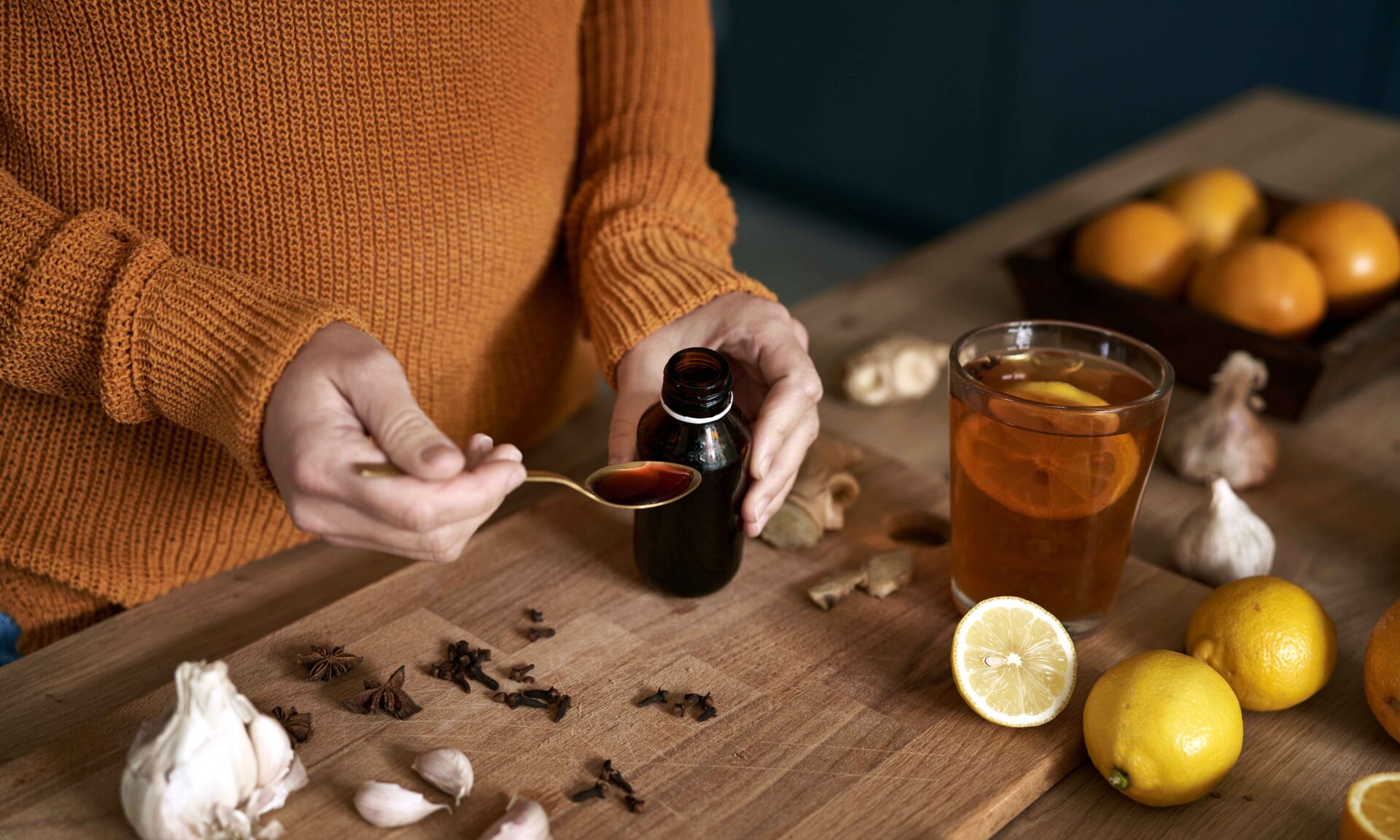

Garlic and onions: Research shows garlic may help support healthy cholesterol and blood pressure. Both contain compounds that may have antimicrobial properties. Traditional use includes support during cold and flu season.
Elderberry: May help reduce severity and duration of cold and flu symptoms when taken at first sign of illness. Tincture or syrup is convenient and shelf-stable. Keep in mind that elderberry tincture is the most potent form due to the already-extracted compounds.
Echinacea: Traditionally used to support immune function. Some studies suggest it may help reduce cold duration when taken early. Generally safe for short-term use. If you have any autoimmune diseases, be extra careful with echinacea, maybe it’s better to avoid it due to it’s potency.
Related: Why Put Onions in Your Socks Before Sleeping
For Inflammation and Pain
Turmeric (with black pepper): Contains curcumin, studied for anti-inflammatory properties. May support joint comfort, digestive health, and overall cellular health. Black pepper increases absorption significantly.
Cayenne pepper: May support circulation and provide topical support for pain. Traditional use includes adding to warm water with honey and lemon for sore throat support.
Be careful with cayenne. It can burn your skin in excess, and if juice pops into your eye when you cut it, that’s even worse. You can use herbal cayenne salves like this ready-made Cayenne Salve instead. It helps with back pain, joint pain, and muscle pain without the risk.
For Wounds and First Aid
Honey: Raw honey has antimicrobial properties studied for wound care. Apply to minor cuts and scrapes under a clean bandage. Also may help soothe sore throats and coughs. Never expires.
Yarrow: Traditional wound herb with history of use for stopping bleeding. May help blood clot and reduce inflammation. Keep dried yarrow or tincture for cuts and scrapes.
If you can, forage your own yarrow from safe areas and make tinctures and salves. If there is no yarrow safe to pick around your area, you can use this ready-made Yarrow Tincture. Dilute a few drops in clean water to wash minor wounds, or apply to wound edges and bruises.
To use a yarrow-based remedy topically, try this Yarrow Salve to soothe skin all around from bug bites, rashes, cuts, scratches and more.
Beyond the Basics: Powerful Allies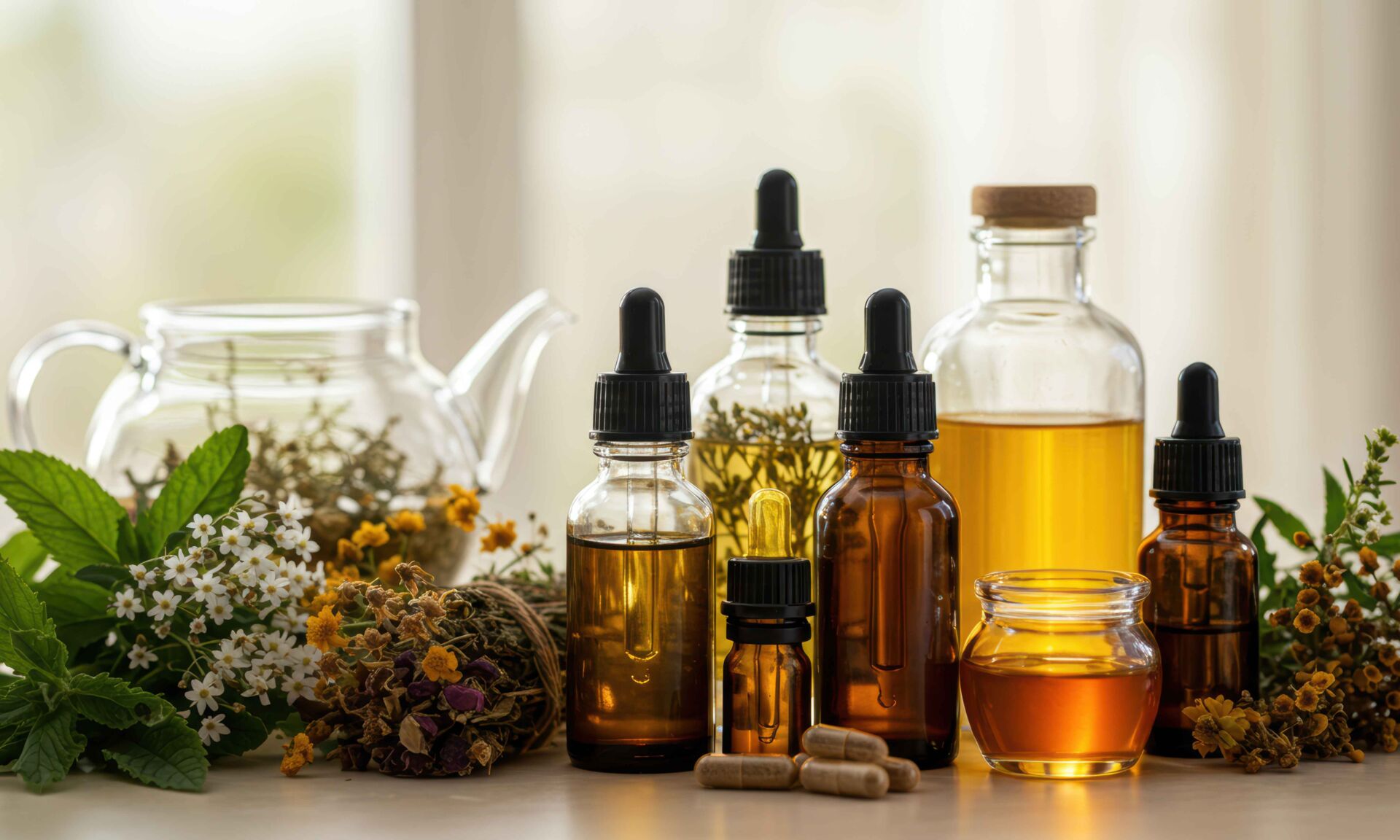
Once you have kitchen staples covered, consider these more specialized herbs that may support specific body systems.
For Brain and Nervous System
Lion’s mane mushroom: May support cognitive function, memory, focus, and nerve health. Research suggests it might support nerve growth factor production. People dealing with brain fog, age-related cognitive concerns, or nerve issues may find it supportive. Tincture form is shelf-stable and easy to dose.
Lion’s Mane contains rare compounds called hericenones and erinacines that stimulate Nerve Growth Factor (NGF), helping your brain grow new neurons and repair old ones.
In studies, it even helped rebuild myelin, the insulation around your nerves that keeps signals firing fast. It’s literally a mushroom that can help regrow your brain tissue.
If you’re short on time, skip the brewing and a few drops of this Lion’s Mane Tincture in your morning coffee. It gives you all the brain-boosting power with no steeping required.
For Respiratory Issues
Yerba santa: May help clear thick mucus from lungs and sinuses. Traditionally used for stubborn coughs and bronchial congestion. Tincture works faster than tea. You can get a ready-made Yerba Santa Tincture here. It works faster than tea.
Mullein: May help soothe irritated airways and support the body’s natural ability to expel mucus. Traditional use for bronchitis and chest congestion. Often combined with yerba santa or even lungwort lichen for targeted lung support. This Bronchial Blend Tincture contains mullein, yerba santa, and lungwort lichen. People have been reporting its effectiveness for years now.
For Overall Resilience
Reishi mushroom: May support immune function, help the body manage stress, and promote better sleep. Traditional use for anxiety, insomnia, and immune weakness. Works best as daily support taken over time.
It’s also called the “mushroom of immortality” by some, due to its adaptogenic properties. Read more about it here.
Turkey tail mushroom: One of the most-studied mushrooms for immune support. May help modulate immune function appropriately. Supportive during cold and flu season or when immune system is compromised.
Turkey tail is the only mushroom extract approved for cancer treatment in Japan, where it’s been used alongside chemotherapy for 30+ years. The active compound PSK improved survival rates in over 8,000 gastric cancer patients.
If it’s approved for that, it’s clearly good for something. This dual-extracted Turkey Tail Tincture delivers the same standardized PSK doses used in those clinical trials.
Cordyceps mushroom: May support energy, stamina, and lung function. Research suggests it may help with oxygen utilization. People recovering from illness or dealing with fatigue may find it supportive.
I know it’s popular from The Last of Us show, and their idea started from a truth — that it has effects on your brain. I took this Cordyceps Tincture myself, and here I am providing you with quality information. Nothing took over my brain. It works!
These medicinal mushrooms build resilience over time rather than treating acute symptoms. Tinctures are concentrated, shelf-stable, and easy to dose.
Sourcing and Storage
Quality matters. Buy from reputable sources with USDA Organic labels or third-party verification like NSF certification.
My personal favorite place to stock up my ready-made herbal products is Nicole’s Apothecary.
Storage tips:
- Keep dried herbs in airtight glass jars in cool, dark places
- Label everything with purchase or harvest dates
- Dried herbs last about a year if aromatic
- Tinctures last for years when stored properly
- Frozen ginger or turmeric paste stays good for months
Start with small quantities. Rotate your stock and use older items first, replacing as you go.
Safety Matters
“Natural” doesn’t automatically mean safe. Common kitchen herbs are usually very safe in food amounts, but can interact with medications.
Important cautions:
- Check interactions if you take prescription medications
- Start with small doses to see how you respond
- Pregnant or nursing women should research herbs carefully
- Children need smaller doses adjusted for weight
Stick to well-known, edible herbs. When in doubt, consult a knowledgeable herbalist or healthcare provider.
Mindset: Empowerment Over Fear
This isn’t about hoarding in fear. It’s about valuing knowledge and building resilience.
When pharmacy shelves are empty, you’ll know which herbs may support immunity, what to use for cuts, and how to soothe a sore throat naturally. That’s resourcefulness.
Share what you learn. Build community resilience, not just personal stockpiles. Practice using these remedies now, not in an emergency.
You’re not just collecting products—you’re building skills that serve you regardless of what supply chains do.
Your Complete Herbal Pharmacy Organized by Body System 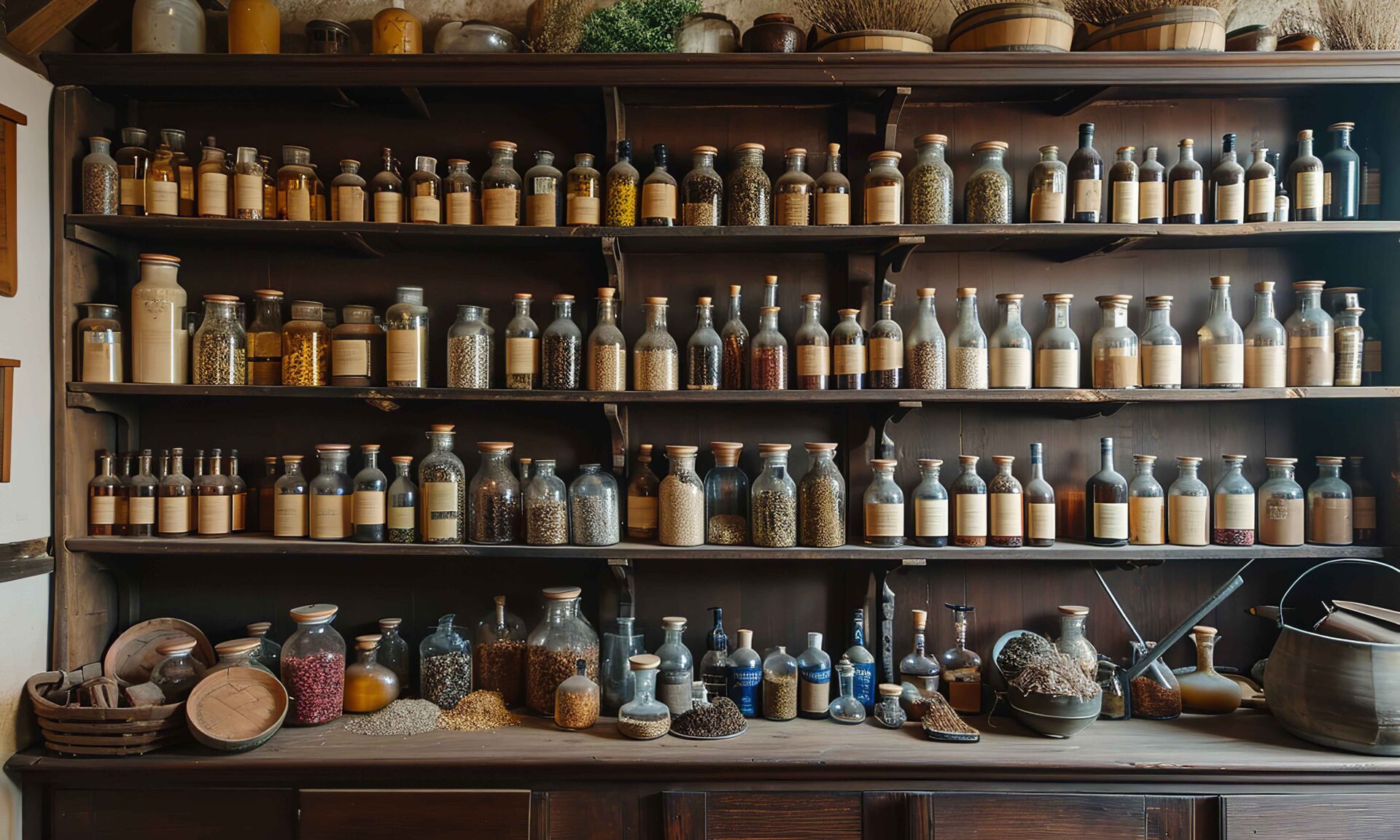
When pharmacies close or run out, you don’t want to scramble through random recipes trying to remember which herb does what. You want a system — one place where you can flip to the exact body system you need and find remedies ready to go.
The Forgotten Home Apothecary is organized exactly like that. Instead of guessing, you go straight to the shelf that covers your issue. Here’s what’s inside:
- Nervous System — sleep, anxiety, brain fog, pain, stress
- Digestive System — bloating, constipation, parasites, leaky gut, IBS
- Immune System — colds, flu, infections, weak immunity
- Cardiovascular System — blood pressure, circulation, clotting
- Endocrine System — blood sugar, thyroid, hormones, cortisol
- Skin & Wounds — cuts, burns, eczema, infections
- Musculoskeletal — joint pain, muscle pain, bone strength
- Reproductive System — menstrual cramps, menopause, fertility
- Urinary System — kidney support, UTIs, bladder health
- Respiratory System — coughs, congestion, asthma, allergies
- Detox — heavy metals, microplastics, liver cleanse
250 recipes total, every one with step-by-step instructions, dosages, and color photos. This is the book people keep on their kitchen counter when pharmacies aren’t an option.
You can get yours using this link to receive 78% off and 4 free bonus guides.
The Bottom Line
If pharmacies unexpectedly closed tomorrow, you’d wish you had more than prescription bottles. What you really need is knowledge, skill, and quality natural ingredients.
Build that foundation now:
- Learn basic herbal remedies for common ailments
- Stock kitchen staples (ginger, garlic, turmeric, honey, chamomile, peppermint)
- Add targeted herbs (yarrow, yerba santa, lion’s mane)
- Keep medicinal mushrooms (reishi, turkey tail, cordyceps) for daily support
- Source quality products from reputable suppliers
- Store properly with clear labels
- Practice now, not in an emergency
When challenges come, you’ll face them with practical skills and a clear head.
That’s worth far more than any medicine cabinet full of pills.
You may also like: 
🌿 Join Our Private Herbal Community For Free. 👉 Click here!
How To Manage Your Adrenal Fatigue
How To Make Backyard Penicillin
Rub This Herb on Your Scalp and Watch What Happens in 2 Weeks
Disclaimer: This article is for educational purposes only and does not provide medical advice. These remedies are not intended to diagnose, treat, cure, or prevent any disease. Always consult qualified healthcare providers for medical conditions. Never stop taking prescribed medications without medical supervision. Herbs can interact with medications—discuss with your doctor before using herbal supplements.
References: Information drawn from ASHP Drug Shortages Report, JAMA Network research on pharmacy closures, NCBI resources on herbal supplements, NIH NCCIH evidence reviews, and NSF supplement certification standards.
Your books are extremely useful and easy to understand. I will be growing a variety of plants in my garden this year.
I wish I could get this book in NZ I have all of Nicole’s books but when the last 1 came out shipping to NZ stopped.