

Astragalus: Benefits, Uses, and How to Prepare It at Home
Milkvetch (Astragalus spp.) is one of the most revered herbs in Traditional Chinese Medicine, so much so that it is included in the 50 fundamental herbs in China. There are many species of astragalus, some of which are toxic. Identifying the appropriate variety is important to ensure the safe use of the herb in many medical and health conditions.
Astragalus has been studied for its effect on people suffering from simple illnesses such as common colds to more complex diseases like breast and lung cancers. Though more studies are required, preliminary studies already suggest that humans can benefit from this plant. Astragalus supplements like pills and capsules have made their way into the commercial market. But some other preparations such as decoctions and tinctures can be conveniently done at home. These preparations ensure that you get the best advantages that astragalus roots can offer.
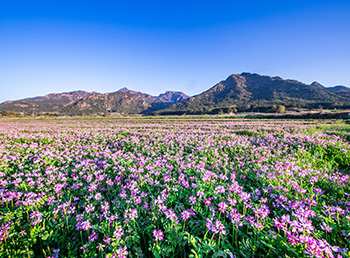 Astragalus is believed to have the capacity to prolong human life. Aside from oral intake, some hospitals also give astragalus via injection or through intravenous fluids. But before taking astragalus in any form, make sure to talk with your attending physician first since it can interact with other drugs you might be taking.
The plant was introduced in North America by the USDA’s Plant Introduction Office in 1925 and has then circulated worldwide. Several studies conducted in various countries also offer an overview of the benefits we can get from this plant. Studies from the United States show that it may help people with weak immune systems caused by radiation therapies.
Where The Plant Is Found
Astragalus usually grows in a place with full sun to partially shaded and dry areas. It prefers well-drained, sandy loam soil with neutral to alkaline pH. The plant thrives best in places categorized under zones 5 to 9 of the USDA hardiness zone.
It is also wildly cultivated in Asian countries, particularly in China, where it is used as part of folk medicine. It also grows in mountain thickets, meadows, coniferous forests, and steppes.
Related: I Stopped Spending Money At The Pharmacy By Growing These 10 Plants (Video)
How To Identify Astragalus
Astragalus is an herbaceous perennial. It is one of the members of the Fabaceae or pea family, which is the third-largest plant family overall. This herb grows up to 4 feet or 1.2 meters in height. There are many varieties of astragalus as well. Hence, you need to know which is which.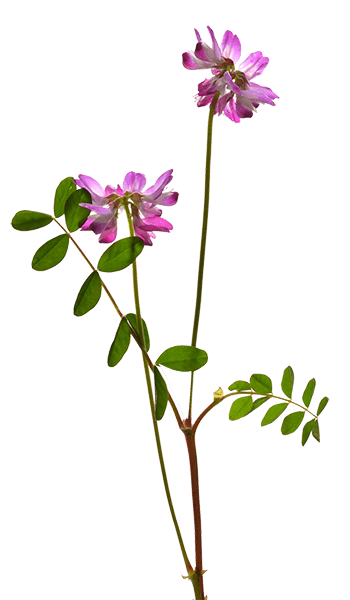
- Leaf. Most plants in the Fabaceae family have pinnate leaves. However, the astragalus flower only has one pinnate leaf that contains several smaller leaflets. This distinctive trait can help you differentiate astragalus better.
- Flower. Astragalus produces white or pale to dark pink flowers that closely resemble that of the peas, which turn into egg-shaped beans once they mature. Members of the pea family also have distinctive “papilionaceous” flowers. This means that the flowers look like a butterfly. The flowers usually bloom from the middle of the summer to late fall.
- Roots. The fibrous roots have yellow color on the inside. That is why the name of “yellow leader” came to be.
- Stem. The astragalus stem is short and hairy. The raised stem is covered with imparipinnate leaves.
Related: Plant Identification Guide – 400 Wild Plants That You Can Forage For (Video)
There are more than 3,000 species of astragalus. Some species are toxic. Hence, you need to be aware of the variety you want to grow if you plan on using it medicinally. Two varieties of astragalus often used in supplements are:
- Astragalus membranaceus
- Astragalus mongholicus
How To Grow Astragalus
Some find it easy to grow astragalus, while some find it hard. To grow astragalus, preparing the seeds beforehand is a must. You also have to ensure that the soil medium has the proper pH level since astragalus is somewhat finicky about the soil’s pH.
Prepare The Seeds
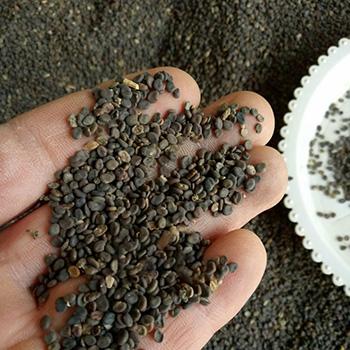 Before you can plant the seeds, it needs to undergo certain procedures. Astragalus seeds are covered with a hard coat, which you need to scrape and remove. Lightly rub the seeds on sandpaper to get rid of the hard coat. This step is essential because it helps with faster germination. But, make sure that you do the scraping carefully and gently. Otherwise, the seeds may get damaged.
Soak The Seeds
Soak the seeds overnight in warm water.
Some others prefer the cold stratification method (intended for plants that need to thrive on cold winter grounds) for at least 3 weeks. In this method, the seeds are soaked for 12 to 24 hours before putting them inside a sealable container with proportioned amounts of sand and peat. The container is sealed and placed inside the refrigerator for 21 days. Check the seeds after the given time to see if they have sprouted already. Some seeds, however, may take up to 9 weeks to sprout.
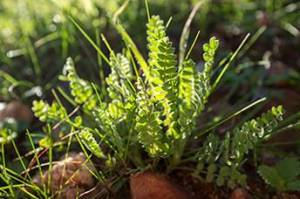
 Plant
Plant
After the soaking or cold stratification method, plant the seeds in small pots or seed trays for at least 2 inches deep. Cover the seeds with a thin layer of soil, approximately ¼ inch.
Maintain The Growth
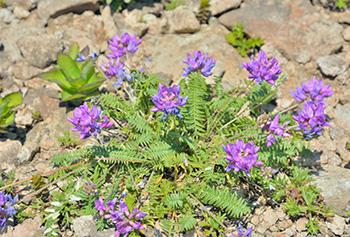 Germination usually takes 3 to days after sowing. When watering, water slowly and deeply. Astragalus thrives better in moist soil, but not too damp. You can transfer the plants to bigger pots once they are a few inches tall.
As soon as the plants are big enough and stable, bring the plants outside every day for a week. Gradually increase the length of time daily. Do not leave the plants unattended for long periods during the first few days they are exposed outside. This will shock the plants and won’t allow them to adjust accordingly to the external factors outside the house.
Transplant Outside
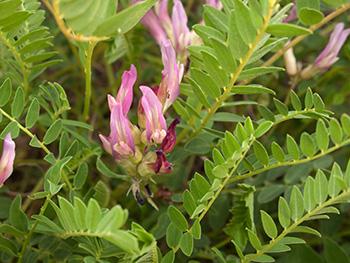 After the last frost, it is now safe to plant the potted astragalus outside. If you have several astragalus plants you want to transfer to outside grounds, make sure to evenly space them 8 to 16 inches apart.
You may opt to keep the plants in containers too. Just make sure that the pots you use are light-colored to prevent fluctuating temperatures. The pots also need to have plenty of room for the roots to grow well.
Related: 10 Plants That You Should Never Plant Together (Video)
Things To Remember
Growing astragalus is easy if you know what to do. Keep these things in mind:
- Choose a planting location that is partially shaded or with full sun.
- Always check the pH level. Astragalus thrives best in soil with pH levels over 7.
- Sandy soil is the best choice for astragalus growth.
- Keep the plant moist, especially during hot summer days.
- Make sure to prune the plant since astragalus is a fast grower and can be invasive if not dealt with properly.
How To Harvest Astragalus
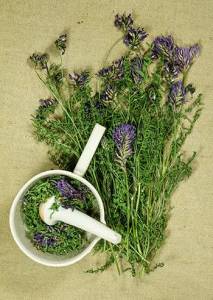 Roots of any age from astragalus can be harvested at any time. However, it is best to wait for a few years if you want a potent medicine. Astragalus needs to grow for 2 to 4 years before you can make use of its root for medicinal purposes. The older the roots are, the more effective they are.
The best time to harvest astragalus is during fall. Remove the foliage and the stems first. Gently dig the base of the stem to reveal the taproot. Dig and twist until a good portion of the root comes out. If you want to keep the plant alive, only harvest 30% of the smaller roots. Leave the main taproot untouched.
After harvesting the roots you need, wash them using warm water. Remove all dirt and clean them thoroughly. Once cleaned, slice and dry the roots accordingly. Store the roots in a dark container with an airtight lid.
The Active Compounds in Astragalus Root
Understanding what makes astragalus medicinally useful starts with its constituent chemistry. The root contains several classes of active compounds, each contributing to different aspects of the herb’s documented effects.
Polysaccharides are the most extensively studied fraction and are primarily responsible for the immune-modulating activity that astragalus is best known for. These large carbohydrate molecules are water-soluble, which is why traditional preparation as a decoction or soup is particularly effective at extracting them. The polysaccharide fraction also contributes to the adaptogenic and antioxidant properties of the root.
Saponins, particularly the triterpenoid saponins known as astragalosides, make up a second major class of active compounds. There are over 40 astragalosides identified in Astragalus membranaceus, but astragaloside IV has attracted the most scientific attention. Research into astragaloside IV has focused on its role in activating telomerase, an enzyme that maintains the protective caps at the ends of chromosomes known as telomeres. Telomere shortening is associated with cellular aging, and the ability of astragaloside IV to slow this process has made it the subject of longevity research, including studies by the University of California, Los Angeles. Cycloastragenol, a compound derived from astragaloside IV, has also been studied for similar telomerase-activating properties and is found in several commercial anti-aging supplements. It should be noted that while the laboratory findings are compelling, clinical evidence in humans for meaningful life-extension effects remains preliminary.
Flavonoids round out the primary active fraction and contribute antioxidant activity, helping neutralize free radicals associated with cellular damage and chronic disease progression. The combined action of polysaccharides, astragalosides, and flavonoids is thought to underlie the broad range of conditions for which astragalus has historically been used.
What Astragalus Is Good For And Natural Remedies Made From It
Astragalus is one of the most powerful herbs in the world. It acts as both an immunostimulant and immunomodulant. It stimulates the immune system and adjusts the immune response when pathogens attack.
The compounds primarily responsible for these effects are polysaccharides, saponins, and flavonoids found in the root. The polysaccharide fraction has shown the most consistent immunomodulatory activity in research settings, with studies demonstrating increased production of T-cells, natural killer cells, and macrophages in response to astragalus supplementation. A review published by the National Institutes of Health found that astragalus polysaccharides stimulated both innate and adaptive immune responses across multiple study models, though the authors noted that large-scale human clinical trials remain limited. This mechanistic understanding helps explain why astragalus has been used historically during periods of illness and recovery rather than as a treatment for acute infection.
This herb is also considered an adaptogen that protects the body against diseases and stress.
Astragalus is also useful in preventing senility in older people. Additionally, few studies suggest the use of astragalus to help lessen the side effects of chemotherapy in cancer patients such as the loss of appetite.
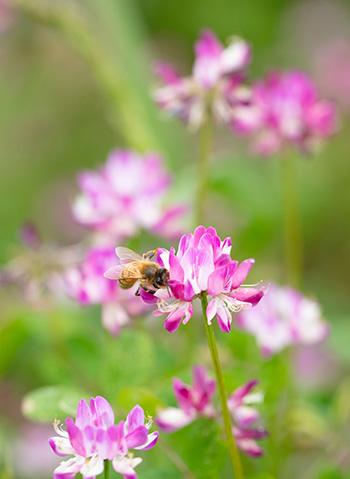
Some other conditions that may benefit from astragalus include:
- Anemia
- Anorexia nervosa
- Blood sugar problems / Diabetes
- Colds
- Diarrhea
- Fatigue
- Fibromyalgia
- Heart diseases
- Hepatitis
- Influenza
- Kidney problems
- Seasonal allergies
- Upper respiratory infections
Astragalus is often made into decoctions and soups rather than made into tinctures. That is because hot water draws out the antioxidant-rich polysaccharides found in astragalus. But if you want an astragalus tincture, you can still make one since other astragalus compounds are best extracted through the use of alcohol.
Astragalus is considered an important part of Traditional Chinese Medicine. However, more studies may be required to provide proof of its usefulness in the Western market.
What Parts Of Plants Are Used For Remedies
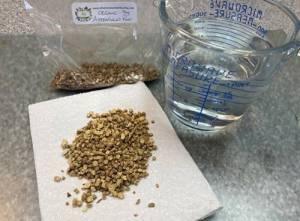
Astragalus root is the primary medicinal component of plants. When harvesting, you can discard foliage and stems since they do not hold any medicinal value at all.
Astragalus Decoction
Ingredients
- 2 tsp dried astragalus root
- 1 ½ to 2 cups water
Steps
- Combine water and astragalus root in a small pot. Bring to a boil in medium heat.
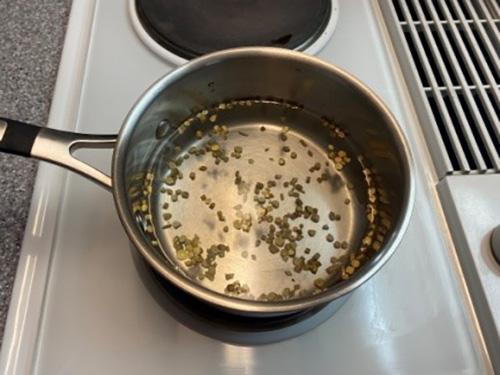

- Once boiling, reduce heat. Cover and simmer for 30 to 45 minutes. Astragalus root is hard. Thus, preparing it as a decoction instead of tea is the best way to release its therapeutic properties.
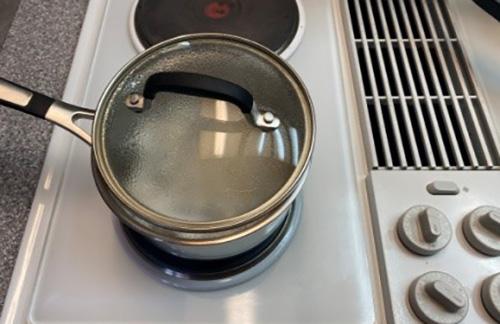

- After simmering, remove the pot. Set aside for 20 to 30 minutes more.
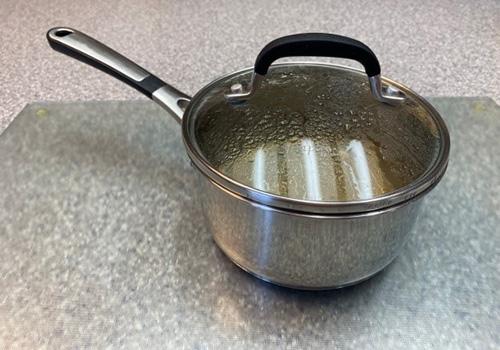

- Strain the liquid to remove the roots before drinking.
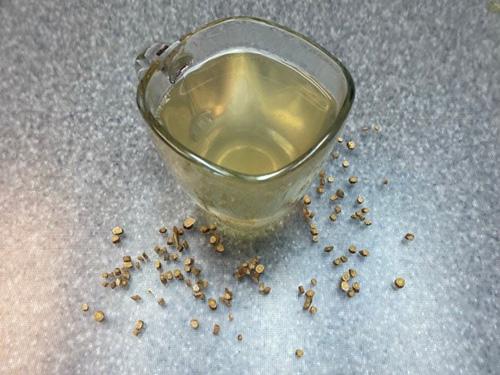
How To Use The Remedy
Drink the decoction as you would with tea. You can drink the preparation 1 to 3 times a day if desired.
Related: Ancient Japanese Tonic Melts 54 LBS Of Fat (Video)
While standardized clinical dosing has not been firmly established through large-scale trials, traditional use and available research offer a reasonable working range. Dried astragalus root used in decoction is typically prepared at 9 to 30 grams per day in Traditional Chinese Medicine practice, with the lower end of that range appropriate for general wellness support and higher amounts used under practitioner supervision for specific therapeutic purposes. The recipe above uses approximately 2 teaspoons of dried root, which falls at the conservative lower end of this range and is appropriate for daily maintenance use. Commercial standardized extracts are typically dosed at 250 to 500 mg taken two to three times daily, though these concentrations differ significantly from a home-prepared decoction and should not be compared directly. As with any herb, starting at the lower end of the dose range and observing your response before increasing is the sensible approach.
What Plants Resemble Astragalus
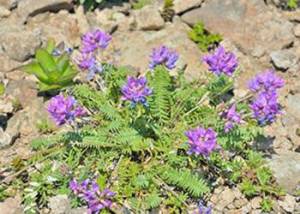
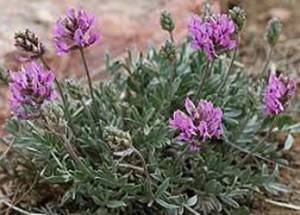
| Feature | Mongolian Milkvetch (Astragalus membranaceus) | Lambert’s Locoweed (Oxytropis lambertii) |
|---|---|---|
 |  | |
| Size | 48 inches tall | 18 inches tall |
| Leaves | Leaves have 12 to 18 pairs of leaflets; pinnate | Basal leaves in tight rosettes; 9 to 10 stalkless leaflets |
| Flowers | Forms in clusters; purple; pea-like | Spike cluster containing up to 25 flowers; pea-shaped; deep pink to purple; ¾ inch long |
| Stem/Trunk | Hairy and raised vertically | Hairy and leafless |
| Scent | Earthy and sweet smell | Flowers have a sweet smell like carnation |
Warnings and Cautions
Astragalus has a strong safety record in traditional use, but several cautions apply and are worth taking seriously before beginning any astragalus preparation.
Use in children should be approached carefully. Scientific evidence for pediatric use is limited, and Traditional Chinese Medicine practice advises against giving astragalus to children with active fever, as the herb’s immune-stimulating activity may prolong or intensify the febrile response.
Pregnant and breastfeeding women should avoid astragalus. Animal research has suggested potential harm to both mother and fetus, and in the absence of adequate human safety data the standard recommendation is to avoid use entirely during pregnancy and lactation.
People with autoimmune conditions including systemic lupus erythematosus, rheumatoid arthritis, and multiple sclerosis should not use astragalus. Because the herb functions as an immunostimulant, it has the potential to exacerbate autoimmune activity and worsen symptoms in people whose immune systems are already overactive.
Astragalus should not be taken continuously as an adaptogen over long periods. The general guidance in herbal practice is to rotate adaptogenic herbs every two months, cycling between astragalus and other adaptogens such as Siberian ginseng, reishi mushroom, or ashwagandha, to prevent tolerance and maintain effectiveness.
Drug interactions are also a practical concern. Astragalus may interfere with immunosuppressant medications, and interactions with lithium and cyclophosphamide have been noted in the literature. Anyone taking prescription medications should discuss astragalus use with their prescribing physician before starting.
Final Thoughts on Astragalus
Astragalus root occupies a well-earned place in herbal medicine. Its long history of use in Traditional Chinese Medicine is increasingly supported by laboratory and early clinical research, particularly around its immune-modulating polysaccharides and the telomere-related activity of astragaloside IV. For general wellness support, the decoction preparation described in this article is a practical and time-tested starting point that extracts the most therapeutically relevant compounds from the root.
That said, astragalus is not a herb to take casually or indefinitely. The contraindications around autoimmune conditions, pregnancy, and drug interactions are genuine and should be respected. Starting with a conservative dose, observing your response, rotating with other adaptogens, and keeping your physician informed are all reasonable practices that allow you to benefit from this herb safely. As with any medicinal plant, the goal is not maximum dosage but appropriate and informed use over time.
You may also like:

Add This “Unusual Nutrient” to Coffee or Tea, to Effortlessly and Fully Empty Your Bowels Every Single Morning (Learn More)
10 Herbs That Kill Viruses and Clear Lungs
Soothing Elixir For Cold and Flu Season
How To Make Fire Cider The Ultimate Natural Remedy To “Burn” Your Cold Away
You mention the hot water extraction method to capture the polysaccharides, and also state alcohol extraction is beneficial for other components. It sounds to me that perhaps a dual-extraction similar to how one approaches medicinal mushrooms might be good here? Is that so?
Read again, it is about the roots
You still must identify the correct plant to correctly and safely use the roots.
To be fair, Carol has a good point. The article says:
” Flower. Astragalus produces yellowish flowers that closely resemble that of the peas, … “
But I think that is an error that can be corrected
I read it in the beginning of the article, but at the end it says the right color. I guess they turn more to pink later before they form the seed pod.
Flowers: Forms in clusters; purple; pea-like
Spike cluster containing up to 25 flowers; pea-shaped; deep pink to purple; ¾ inch long
I thought the same thing while reading the article. Going to look into it further.
^ ^ 2nd sentence says: “there are MANY varieties” lol
Look here. Astralagus can have many colours.


It very well could just be a typo. I’m sure if you look up astragalus on the internet you can find even more information. She is human and everyone makes mistakes in one way or another. I do hope that this one mistake does not ruin your view towards her.
Everyone makes mistakes, and I view part of this forum as a good place to point out the mistakes so the author can correct and/or clarify any confusion and misconceptions created by the way the information has been presented.
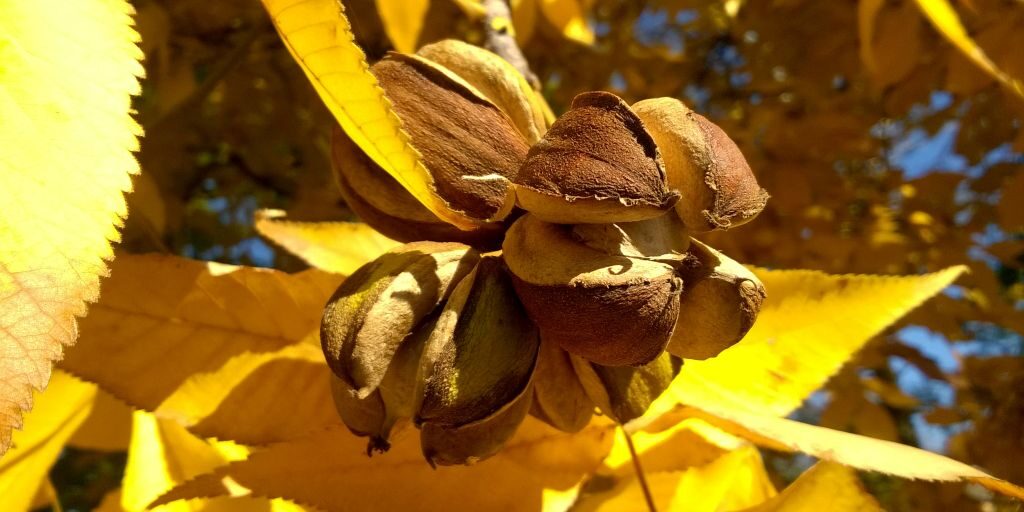
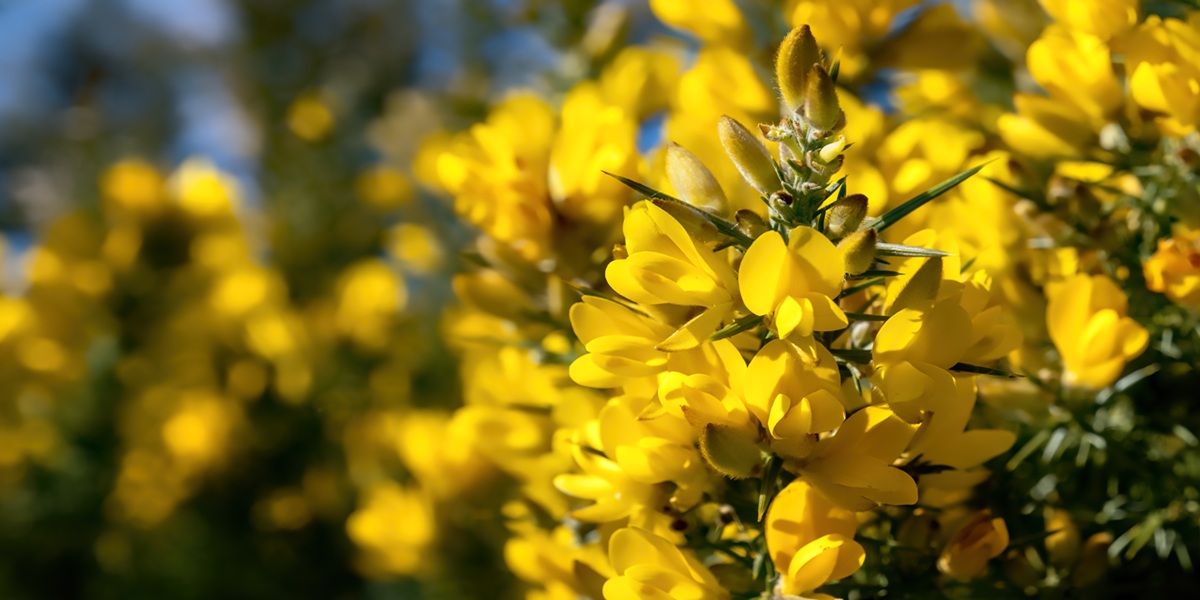
I agree with Carol – the picture next to the description does NOT resemble the flower, hairy stem or pinnate leaf described. The picture below the handful of seed picture looks closer, but is not a very good detail illustration.
We are here to increase our arsenal of herbal knowledge (especially at a time when we are looking for immune-boosting herbs), and there is a lot of conflicting and incomplete information here. The ads at the right seem to cover up some of the article, and I can only see 2 of the 6 look-a-like examples. It also should be mentioned that the Lambert’s Locoweed shown is toxic to livestock, for those of us who have animals that could possibly ingest some.
Sorry, not a very helpful article.
There are native species of Astragalus, so your blanket statement that “Astragalus spp” was introduced is not correct in North America.
Actually there are plenty of color variations. A quick Google image search will turn up white varying shades of yellow and the pins to purple spectrum. I look at these posts as the opening of the door … After that it is up to me to study the particular herb and to get to know it inside and out; in all its nuances.
I agree that further research is necessary. Here’s the deal. The article says there are toxic forms and medicinal forms. Googling images doesn’t help because no expert is reviewing and removing incorrect images. Trying to get to know an herb utilizing a book that purports to give me the information, and then doesn’t give me the details for how I might do that safely I find disingenuous.
In my above comment, I made a typo. I wrote, “pins to purple.” I meant Pink to purple. Typos or missing information is why we need to study for ourselves. Every teaching we receive should be proven.
Just to clarify (it isn’t mentioned in the article); does mongolian milkvetch (Astragalus membranaceus) have pink flowers (as pictured) and does the other medicinal – Astragalus mongholicus have the yellow flowers?
There are many different types of Astragalus plants, this is mentioned throughout the article (3000 species) and flower colors will vary since there are different species (from yellow, pink, purple) depending on the species. As we read the articles we can supplement our knowledge by doing additional research. Hope this helps the confusion.
Exactly!
If you go back and look, there is a small pea sized yellow flower blooming on it… just as was mentioned in the description.
fascinating how to buy the book
Go to Nicole’s website to buy the book: on Amazon: https://www.amazon.com/Dr.-Nicole-Apelian/e/B07WX1319L%3Fref=dbs_a_mng_rwt_scns_share
I already have the book
I have powered astragalus purchased from Amazon. https://amzn.to/3VeUfOE
If it is used to make a tea, can it be consumed directly or must it be filtered out? How much would you use in a cup? Thanks