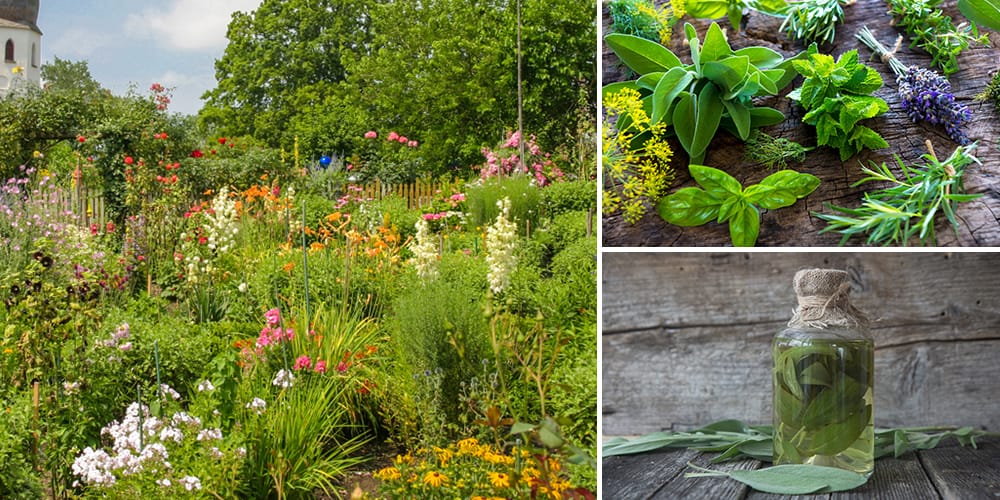
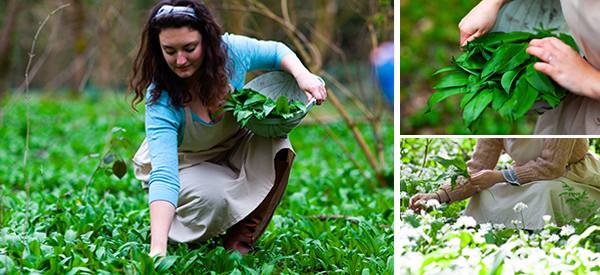
Growing herbs in water is one of the most accessible forms of gardening there is. No trowels, no bags of potting mix, no drainage holes to worry about. A clean glass jar, a cutting from a healthy plant, and a spot with reasonable light is all you need to have a living, productive herb on your kitchen counter in a matter of weeks.
For herbalists and herb enthusiasts, water growing offers something particularly valuable: a way to keep medicinal and culinary herbs continuously available regardless of season or outdoor growing conditions. Whether you live in an apartment with no outdoor space, want to overwinter tender perennials that would not survive the cold, or simply want a reliable supply of fresh herbs without the mess of soil, growing herbs in water is a technique worth mastering.
This guide covers the complete picture, from the science behind why herbs root and grow in water, to the step-by-step method for setting up your water garden, to detailed guidance on the best culinary and medicinal herbs to grow this way, and the troubleshooting you need to keep your water garden thriving long-term. For a broader reference on herb propagation from cuttings, LearningHerbs provides a thorough primer on cutting selection and rooting that applies well to the water-growing method.
Why Herbs Grow in Water: The Biology Behind It
To understand how to grow herbs in water successfully, it helps to understand what is happening at the root level. Most herbs, when they encounter a moist environment around their stem, are capable of generating adventitious roots, roots that form from stem tissue rather than from pre-existing root structures. This is the same biological process that makes plant cuttings possible in soil, but water propagation takes advantage of a different version of it.
When a stem cutting is placed in water, the cut end is in direct contact with moisture. The plant begins to produce callus tissue at the wound site, a response to damage that the plant uses to seal off the cut. From this callus, root primordia develop and eventually emerge as visible white roots. The speed of this process varies dramatically between species. Soft-stemmed herbs like mint, basil, and lemon balm can show visible roots within a week. Woody-stemmed herbs like rosemary may take four to six weeks or longer.
Once rooted, many herbs can continue growing in water indefinitely, feeding on dissolved minerals in the water and whatever nutrients are supplied by periodic fertilization. This is essentially a simplified version of hydroponics, the science of growing plants in nutrient-enriched water without soil. Commercial hydroponic operations grow everything from lettuce to tomatoes in this way at significant scale, and the same principles apply to a row of mason jars on your windowsill.
Research documented through the University of Illinois Extension herb culture resources confirms that herbs propagated from cuttings maintain all the characteristics of the parent plant, which matters when you are propagating a specific cultivar or a particularly potent medicinal variety. Water propagation is one of the most reliable ways to clone a plant you want to preserve.
Two Ways to Grow Herbs in Water
There is an important distinction between two approaches that both fall under the category of growing herbs in water, and understanding which you are doing affects your setup and expectations.
Water Propagation: Rooting Cuttings Before Transplanting
Water propagation uses water as the rooting medium for cuttings that will eventually be transplanted to soil. The water is a temporary environment that allows roots to develop before the plant moves to its permanent home. This method is used when you want to multiply plants, overwinter tender herbs as cuttings, or establish new plants from a grocery store bunch of fresh herbs that still has intact stems.
For propagation purposes, you typically move the cutting to soil once roots are two to three inches long. Plants left in plain water indefinitely after rooting will eventually exhaust the available nutrients and begin to decline, so transitioning to soil or to a supplemented water system is important for long-term health.
Long-Term Water Growing: Keeping Herbs in Water Indefinitely
Long-term water growing keeps herbs alive and productive in water for months, sometimes indefinitely, by supplementing the water regularly with a dilute liquid fertilizer. This supplies the nitrogen, phosphorus, potassium, and trace minerals the plant needs but cannot get from plain water alone. With regular fertilization and water changes, many herbs, particularly mint, oregano, lemon balm, lemon verbena, and lemongrass, thrive in water for extended periods without needing soil at all.
This is the approach to use if you want a permanent windowsill herb garden in water rather than a propagation setup. The investment is slightly higher because you need a basic liquid fertilizer and a more consistent maintenance routine, but the result is a genuinely productive indoor herb garden that never needs repotting.
What You Need to Get Started
The equipment for growing herbs in water is minimal and largely things you probably already have.
Containers
Clear glass jars are the best containers for water-grown herbs. The transparency lets you monitor root development, water level, and water clarity without disturbing the plant. Mason jars of various sizes work excellently. Repurposed glass bottles, jam jars, and drinking glasses all work well. The container should be wide enough that stems do not crowd each other but narrow enough to support the cutting without it falling sideways.
Avoid narrow-necked containers that make it difficult to clean and change the water. The container should be easy to reach into for maintenance. Colored glass can reduce algae growth in the water, which is a genuine benefit with long-term setups, though it sacrifices the ability to observe root development easily.
Water Quality
Tap water works for most herb propagation and short-term growing, but chlorine and chloramine in municipal water can inhibit root development in sensitive herbs. The simplest solution is to fill your containers the evening before use and leave them uncovered overnight. Chlorine dissipates on its own within several hours. Chloramine, used in some municipal systems, does not evaporate and requires either a water filter or a brief exposure to strong sunlight to break down.
If your tap water is very hard, with high mineral content, a gentle weekly flush of the container with distilled water reduces mineral salt buildup on the container walls and roots. Rainwater, where you have access to it, is excellent for water herb gardens.
Light
Light is the primary limiting factor for water-grown herbs indoors. Most culinary and medicinal herbs need at least six hours of direct or bright indirect light daily to stay productive. A south or west-facing window provides the best natural light in the Northern Hemisphere. East-facing windows give adequate morning light for less demanding herbs.
If your window light is limited, a basic grow light changes everything. LED grow light strips placed directly above the plants for twelve to fourteen hours per day support vigorous growth even in rooms with minimal natural light. Modern LED grow lights use very little electricity and are inexpensive. For a serious indoor water herb garden in a low-light space, a grow light is the single most impactful addition you can make.
Liquid Fertilizer
For long-term water growing beyond the propagation stage, a dilute liquid fertilizer replenishes nutrients the plant depletes from the water. A balanced liquid fertilizer diluted to one-quarter the recommended strength is typically appropriate for water-grown herbs. Apply it at water change time, roughly every one to two weeks. Do not over-fertilize. In a soil garden excess fertilizer is buffered by the growing medium. In water, excess nutrients go directly to the plant roots and can cause more harm than under-fertilizing.
How to Take Cuttings for Water Growing
The quality of your cutting determines how quickly and reliably it roots. A poor cutting from the wrong part of the plant, taken at the wrong time, may sit in water for weeks without rooting or may rot before roots develop.
Choose healthy, actively growing stems. Avoid stems that are flowering or that have yellowing, diseased, or damaged leaves. The best cuttings come from plants that are in vigorous vegetative growth.
Cut stems four to six inches long using clean, sharp scissors or pruning snips. A clean cut minimizes cell damage at the cut end and reduces the risk of infection. Ragged cuts made with dull blades are more prone to rot at the wound site.
Remove all leaves from the lower half of the cutting. Any leaf that would sit below the waterline in the container must be removed. Submerged leaves decompose rapidly, contaminating the water and promoting bacterial growth that can kill the cutting.
Leave two to four healthy leaves at the top of the cutting. These are the photosynthetic surface that keeps the plant alive and generates the energy for root production.
For woody-stemmed herbs like rosemary and thyme, take cuttings from the green, new-growth tips rather than older brown wood. New growth roots significantly more readily than established woody tissue.
Place the cutting in the prepared container so that the bottom two to three inches of bare stem are submerged. The leaves should sit above the waterline.
Change the water every two to three days initially, or any time it becomes cloudy. Fresh, oxygenated water supports root development. Stagnant water promotes rot.
The Best Medicinal and Culinary Herbs to Grow in Water
Not all herbs root and grow equally well in water. The following herbs have strong track records in water growing, with notes on both their practical cultivation and their herbal properties.
Mint (Mentha species)
Mint is arguably the easiest herb to grow in water and one of the most historically documented plants to have been propagated this way. It roots within a week or two in most cases and can thrive in water for months, producing vigorous growth even in relatively low light. Grocery store mint sprigs with intact stems can be placed directly in water with good results.
Because mint spreads aggressively through runners, water growing actually contains it more effectively than soil growing, where it can colonize an entire bed in a season. Keep different mint varieties in separate containers to prevent mixing. For medicinal use, peppermint and spearmint have documented applications for digestive discomfort, nausea, and headaches. Water-grown mint used fresh in tea delivers the same aromatic volatile oils as garden-grown mint.
Lemon Balm (Melissa officinalis)
Lemon balm is a member of the mint family and roots in water with similar ease, though it may take four to eight weeks to develop a substantial root system compared to mint’s faster pace. Cuttings should be taken from actively growing stems before flowering begins. Plants that are flowering divert energy to seed production rather than root development, so vegetative cuttings root more readily.
Lemon balm is one of the most useful medicinal herbs you can keep in water on a kitchen counter. Its calming, anxiolytic properties, backed by clinical trial evidence showing effects on GABA receptor pathways, make it a frequently used herb for stress and mild sleep disturbances. Fresh lemon balm leaves steeped as a simple tea deliver its active compounds effectively. Having it growing continuously in water means a fresh tea is always minutes away.
Basil (Ocimum basilicum)
Basil is one of the fastest-rooting herbs in water, typically showing visible roots within one to two weeks. A grocery store bunch of fresh basil with the stems intact is an excellent source of cuttings. Cut individual stems, remove the lower leaves, and place in a jar of water near a bright window.
The key challenge with basil in water is water freshness. Basil stems are highly susceptible to bacterial growth in the water, which turns the stem black and slimy before roots can develop. Changing the water every two days prevents this. As Gardening Know How notes, basil in water needs at least six hours of bright light or the aromatic punch of the leaves diminishes. With adequate light and frequent water changes, basil can be kept productive in water for several months.
Beyond its culinary applications, holy basil or tulsi (Ocimum tenuiflorum) is a distinct medicinal variety that also roots readily in water. Tulsi has a substantial body of Ayurvedic and modern research behind its adaptogenic, antimicrobial, and anti-inflammatory properties. It grows similarly to culinary basil in water but has a spicier, more complex flavor and greater medicinal significance.
Rosemary (Salvia rosmarinus)
Rosemary takes longer to root in water than soft-stemmed herbs, typically four to six weeks or more, and requires more patience. Take cuttings from green, actively growing stem tips, not older woody growth. Strip the lower leaves, leaving a clean stem to submerge, and place in a jar in a bright, warm location.
The slower rooting of rosemary rewards patience with a genuinely productive water-grown plant. Rosemary in water can supply months of cuttings for culinary use, fresh tea, and topical preparations. Its well-documented antimicrobial, antioxidant, and circulatory-supporting properties make it a valuable medicinal herb to have consistently on hand. Rosemary’s active compounds are best preserved in fresh material, making a live water-grown plant superior to dried herb for many applications.
Oregano (Origanum vulgare)
Oregano roots reliably in water within two to three weeks and grows well long-term with periodic fertilization. It prefers strong light and can become leggy in low-light conditions. Take cuttings from actively growing stem tips before the plant has flowered, as pre-flower growth has the highest concentration of the volatile oils responsible for both flavor and medicinal activity.
Oregano’s active compound thymol and its antimicrobial properties are well documented. Fresh water-grown oregano used in cooking or prepared as a tea for respiratory support delivers active compounds that are less present in dried herb. Mediterranean oregano varieties tend to have higher medicinal potency than milder varieties bred primarily for culinary use.
Thyme (Thymus vulgaris)
Thyme roots more slowly than most soft-stemmed herbs, typically three to five weeks for green stem cuttings. Taking cuttings from new spring or summer growth when the stems are still flexible and green gives better rooting results than older, woodier growth. Thyme does well in water with strong light and benefits from longer photoperiods under a grow light.
Thyme contains thymol, one of the most studied natural antimicrobial compounds in herbal medicine, with documented activity against a wide range of respiratory pathogens. It is used in several European countries in licensed herbal preparations for coughs and bronchitis. Having a productive thyme plant in water means fresh material is available for tea, honey infusions, and steam inhalations through winter cold and flu season.
Sage (Salvia officinalis)
Sage roots moderately well in water from green stem cuttings taken in spring or summer. Take cuttings about four inches long from new growth, strip lower leaves, and place in water in a bright location. Rooting typically occurs within three to four weeks. Long-term water growing of sage is possible but it benefits more than most herbs from occasional fertilization.
Sage has one of the longest documented histories of medicinal use in European herbal traditions. Its traditional use for sore throats, oral inflammations, and hot flashes is supported by modern research confirming anti-inflammatory, antimicrobial, and estrogenic activity. Fresh sage leaves prepared as a gargle for sore throat represent one of the most direct traditional uses, and a water-grown sage plant provides fresh material year-round.
Lemon Verbena (Aloysia citrodora)
Lemon verbena is a tender perennial that does not survive cold winters outdoors in most climates. Rather than attempting to overwinter the whole plant, taking cuttings in autumn and rooting them in water is an excellent way to keep the plant going through cold months. As Savvy Gardening notes, lemon verbena cuttings acclimate to indoor environments more easily than mature plants and should root in a few weeks. The rooted cutting can be potted up in spring and moved back outdoors.
Lemon verbena has a clean, intensely lemony fragrance and flavor that makes it one of the most pleasant medicinal herbs to use in tea. It has documented mild sedative, antispasmodic, and digestive properties and is widely used in European herbal traditions. Having it rooted and growing indoors through winter solves the seasonal availability problem entirely.
Lemongrass (Cymbopogon citratus)
Lemongrass is one of the most dramatic and satisfying herbs to root in water. Intact stalks purchased from a grocery store or farmers market can be placed directly in a glass of water, and roots begin appearing within days. The stalks develop a substantial root system rapidly and can then be potted up for continued growth or kept in water with regular fertilization.
Lemongrass has documented antimicrobial, anti-inflammatory, and antifungal properties, and it is used extensively in Asian traditional medicine as well as global cuisine. A glass of grocery store lemongrass on a sunny counter, converting itself into a rooted plant at no cost beyond the price of the grocery purchase, is one of the most satisfying demonstrations of what water propagation can do.
Chamomile (Matricaria chamomilla)
German chamomile is primarily grown from seed rather than from cuttings, which makes it slightly different from most of the herbs in this list. It can be started from seed in a specialized hydroponic sponge or seed-starting medium and transitioned to a water system once established. Chamomile grown hydroponically produces healthy foliage and flowers that can be harvested for tea and topical preparations.
For the water herbalist, chamomile represents one of the most valuable herbs to maintain in a growing system. Its anti-inflammatory, antispasmodic, and calming properties are among the most thoroughly documented in herbal medicine, and fresh chamomile flowers make a superior tea compared to dried commercial chamomile. Growing it in a hydroponic setup ensures a continuous supply of fresh flowers through the growing season.
Long-Term Maintenance: Keeping Water Herbs Healthy
A water herb garden that is set up and then largely ignored will decline gradually. Consistent light maintenance is what keeps it productive.
Water Changes
Change the water in your herb containers every one to two weeks for established plants, or every two to three days for newly placed cuttings before roots have formed. At each water change, rinse the container to remove any algae or mineral deposits. Fresh water replenishes dissolved oxygen and prevents the buildup of bacterial populations that can damage roots.
Algae growth in the container is common and generally harmless in small amounts, but it competes with the plant for nutrients and can eventually affect root health. Colored or opaque containers reduce light penetration and significantly slow algae development. If you want the visual pleasure of watching roots grow through clear glass, plan for more frequent cleaning.
Fertilizing
For herbs that have been in water longer than three to four weeks after rooting, add a few drops of dilute liquid fertilizer at each water change. A balanced formula such as 10-10-10 diluted to one-quarter the label strength is appropriate. More is not better. Signs of over-fertilization include brown or burnt root tips and yellowing leaves despite adequate light. Signs of under-fertilization include slow growth and pale or yellowing new leaves in a plant otherwise receiving adequate light.
Pruning and Harvesting
Regular pruning is the single most important thing you can do to keep water-grown herbs bushy and productive. Herbs left to grow unpruned become tall and leggy, producing fewer leaves and lower concentrations of the essential oils responsible for both flavor and medicinal activity. Pinch growing tips regularly to encourage branching. For herbs like basil, remove any flower buds as soon as they appear. Once a basil plant has flowered, leaf production slows and the flavor quality of existing leaves declines.
Harvest by removing stems from the outer edges of the plant, always leaving the central growing tip intact. Never remove more than one-third of the plant at a single harvest. Frequent small harvests produce a bushier, more productive plant than infrequent heavy cutting.
Troubleshooting Common Problems
Rotting stems: The most common cause is submerged leaves decomposing in the water. Check that no leaf material is below the waterline and increase the frequency of water changes.
No root development after several weeks: The cutting may have been taken from woody growth that does not root readily in water. Try a new cutting from younger, greener stem growth. Low temperatures can also slow rooting significantly.
Yellowing leaves: In established plants, yellowing leaves typically indicate insufficient light or nutrient deficiency. Move the plant to a brighter location or add dilute fertilizer at the next water change.
Green algae coating the container: Algae needs light to grow. Switching to a colored or opaque container eliminates algae almost entirely. Alternatively, clean the container at each water change.
Leggy, sparse growth: Almost always a light issue. Move to a brighter window or add a grow light. Herbs stretch toward light when they are not getting enough of it, producing long weak stems with few leaves.
Wilting despite being in water: Overlong root systems in small containers can become oxygen-deprived if roots fill the container and restrict water circulation. Move to a larger container or transplant to soil if the root system is very dense.
Taking Water-Grown Herbs to Soil
Many water-grown herbs eventually benefit from transition to soil, either because their root system has outgrown the container or because you want a larger, more established plant for outdoor growing. The transition requires care because roots grown in water have developed a different structure than soil-grown roots. Water roots tend to be longer, less branched, and adapted to an oxygen-rich aquatic environment. Soil roots are denser, more branched, and adapted to a drier, microbially active environment.
To transition successfully, pot the rooted cutting into a light, well-draining potting mix. Keep the soil consistently moist for the first two to three weeks as the root system adapts. Do not allow the soil to dry out completely during this adjustment period. Gradually reduce watering frequency over a month to the level appropriate for the herb. Some wilting immediately after transplanting is normal as the plant adjusts. Place the newly potted plant in indirect light initially rather than direct sun, and move it to its permanent light conditions after a week.
Sourcing Cuttings for Your Water Garden
You do not need to buy plants specifically for water growing. Several excellent sources of cuttings are often already available.
Fresh grocery store herbs: Many supermarkets sell fresh herbs in bunches with stems intact. Mint, basil, rosemary, thyme, sage, oregano, and lemongrass are commonly available this way. Check that the stems have not been heat-treated, which would prevent rooting. Fully intact, undamaged stems placed in water within a few hours of purchase root reliably.
Friends’ and neighbors’ gardens: A mature herb garden in summer is an almost unlimited source of cuttings. Most herb gardeners are happy to share. A few stems of mint, lemon balm, or rosemary taken with permission causes no harm to the parent plant and is a valued tradition in herbal communities.
Your own existing herbs: If you are growing herbs outdoors in summer, taking cuttings in autumn before cold weather arrives is the ideal way to overwinter tender species indoors. The parent plant remains in the garden until frost, and you bring the cuttings inside to root and grow through winter.
Farmers markets: Fresh herb vendors at farmers markets often sell whole plants or large bunches that include rooting-quality stems. The herb quality at farmers markets is typically higher than supermarket herbs and the stems are often fresher.
Growing a Medicinal Water Herb Garden
For readers interested specifically in the medicinal dimension of water herb growing, the following combination of herbs covers a broad range of traditional applications and roots or grows well in water as a group.
A small collection of four or five jars on a bright windowsill, each growing one of the following, provides a genuinely useful home apothecary. The North Star Monthly herb garden guide notes that lemon balm, thyme, and calendula together cover an impressive range of everyday health needs and that all can be grown in small spaces or containers.
Lemon balm: Calming, GABA-modulating herb for stress, anxiety, and mild sleep disturbance. Easy and fast in water.
Peppermint: Digestive support, nausea, headaches, and respiratory congestion. Roots in water within a week.
Thyme: Antimicrobial, expectorant, and cough-supportive herb. Particularly valuable through respiratory illness season.
Lemon verbena: Digestive antispasmodic, mild calming herb. Excellent in tea. Grows well as overwintered water cutting.
Rosemary: Antimicrobial, circulatory, and cognitive-supportive herb with extensive traditional use. Slower to root but rewarding long-term.
Each of these herbs provides fresh material for teas, infusions, and simple preparations throughout the year when kept growing in water. Fresh plant material delivers active compounds that may be partially lost or altered in drying and long-term storage. A water herb garden is, for the practicing herbalist, a way to keep your most-used plants alive and accessible regardless of what month it is.
Grow Your Home Apothecary Beyond the Windowsill
Growing fresh herbs in water is a great start, but knowing how to turn those herbs into effective remedies is where the real value begins.
Make herbal teas, tinctures, salves, syrups, and infused oils
Identify the best medicinal herbs for common everyday ailments
Build a practical home herbal medicine cabinet
Preserve your harvest so it’s available year-round
Whether you’re growing herbs in jars, pots, or a backyard garden, this guide helps you transform them into remedies your family can actually use.
Summary
Growing herbs in water is genuinely simple, genuinely practical, and genuinely rewarding. The barrier to entry is lower than any other form of herb gardening. A jar, a cutting, a bright window, and a willingness to change the water regularly are all that is required to get started.
The herbs that grow best in water include some of the most useful culinary and medicinal plants available: mint, lemon balm, basil, rosemary, thyme, oregano, sage, lemon verbena, and lemongrass all root and grow reliably in water with the right approach. Each brings its own flavor, fragrance, and herbal tradition to a kitchen counter that might otherwise have nothing growing on it.
Start with one or two jars and one or two cuttings. Watch the roots develop. Taste the leaves. Brew a tea from herbs you grew yourself without a garden, without soil, without anything more complicated than a clean glass jar and the oldest horticultural technique in the world.
We use cookies to ensure that we give you the best experience on our website. If you continue to use this site, we will assume that you are happy with it.
Functional Always active
The technical storage or access is strictly necessary for the legitimate purpose of enabling the use of a specific service explicitly requested by the subscriber or user, or for the sole purpose of carrying out the transmission of a communication over an electronic communications network.
Preferences
The technical storage or access is necessary for the legitimate purpose of storing preferences that are not requested by the subscriber or user.
Statistics
The technical storage or access that is used exclusively for statistical purposes.The technical storage or access that is used exclusively for anonymous statistical purposes. Without a subpoena, voluntary compliance on the part of your Internet Service Provider, or additional records from a third party, information stored or retrieved for this purpose alone cannot usually be used to identify you.
Marketing
The technical storage or access is required to create user profiles to send advertising, or to track the user on a website or across several websites for similar marketing purposes.