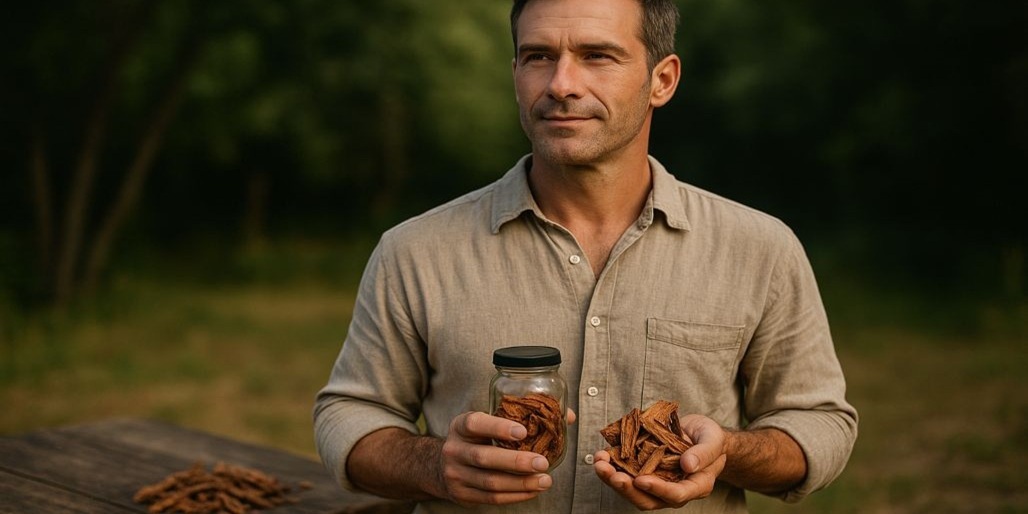

Why This Plant Is Being Compared to GLP-1
There’s a moment many people know too well.
Dinner is over. You’re full. You told yourself you were done eating.
Then the craving shows up.
A little voice starts negotiating from the back of your mind: Just one cookie. Just a few bites. Just something sweet.
And before you know it, you’re standing in the kitchen, wondering why your willpower disappeared again.
That’s exactly where Gymnema sylvestre becomes so fascinating.
This climbing plant has been used in Ayurveda for generations, and its old nickname says almost everything you need to know: “the sugar destroyer.” Not because it burns sugar away like magic. Not because it replaces modern medicine. But because it can do something surprisingly practical: it may make sweet foods taste less exciting.
And when sugar loses some of its charm, you finally get a little breathing room. 
Why Gymnema Is Called the “Sugar Destroyer”
Gymnema contains natural compounds called gymnemic acids. These compounds appear to temporarily interfere with sweet taste receptors on your tongue.
That means sweet foods may not taste as sweet for a short period of time.
Imagine taking a bite of something sugary and instead of that big “wow” hit, your taste buds shrug. The cookie is still a cookie. The chocolate is still chocolate. But the pull is weaker.
Related: DIY Probiotic Fermented Apples
That matters because cravings are not just about hunger. They are also about reward. Sweet foods light up that little “more, more, more” part of the brain. Gymnema may help lower the volume on that signal by reducing how rewarding sweet foods feel in the moment.
Related: Fennel Tea: A Soothing Brew with Ancient Roots and Modern Benefits
For someone trying to cut back on sugar, that can be a big deal. And this is where appetite control becomes so important.
Because when the desire to eat quiets down, the whole battle gets easier. You’re not fighting yourself every hour. You’re not walking past the pantry like it has a magnet inside. You’re not spending the evening negotiating with cookies.
That’s what people now call “food noise” — that constant background chatter telling you to snack, nibble, taste, and reach for something sweet.
You Might Also Want To Learn About: Betony
Gymnema may help take the shine off sugar specifically, but there are other plants people have used for appetite, cravings, and fullness too: matcha, goji berries, garcinia cambogia, ginger, and fennel.
Inside The Forgotten Home Apothecary, Nicole Apelian shows you simple remedies you can make at home with plants like these, including things like Bay Leaf Water, Flat Tummy Capsules, and Metabolic Superfood Bars.
Because sometimes the best way to fight cravings isn’t to “try harder.” It’s to give your body better tools.
The Real Beauty: It Works Where the Battle Usually Starts
Most people try to fight cravings with discipline.
They tell themselves to be stronger. They throw out sweets. They promise to start fresh on Monday.
But cravings do not always care about promises.
Gymnema offers a different approach. Instead of forcing you to wrestle with your sweet tooth all day, it may help make sweets less tempting before the craving snowballs.
That’s why this herb is so interesting for people who want to support healthy blood sugar habits, manage snack urges, or simply feel more in control around dessert.
It does not “do the work for you.” You still have to make the choice. But it may make the better choice easier. And honestly, sometimes easier is exactly what you need.
Why People Compare It to GLP-1 Support
GLP-1 has become a huge topic because of its role in appetite, fullness, blood sugar regulation, and metabolic health. Prescription GLP-1 medications are powerful pharmaceutical tools used under medical care.
Gymnema is not the same thing. That distinction matters.
Gymnema is a plant. It is not a prescription GLP-1 drug, and it should not be treated like one. But it has earned attention because it supports some of the same everyday goals people care about: fewer cravings, better food control, and healthier metabolic patterns.
The most grounded way to look at Gymnema is this: it may help support your body’s normal relationship with sugar.
That includes how sugar tastes, how strongly you want it, and how your body handles carbohydrates as part of your overall routine.
More Than Just Cravings
Gymnema’s sweet-taste effect is the part people love to talk about, but the plant may go deeper.
Research suggests Gymnema may support normal carbohydrate metabolism. Some of its compounds appear to influence glucose absorption in the gut and may support insulin-related pathways.
That does not mean it cures blood sugar problems. It does not mean you can ignore your doctor, your labs, your diet, or your medications.
But it does mean this herb has a serious place in the conversation about metabolic wellness.
For someone who wants to build a more plant-centered routine, Gymnema may be a smart ally alongside meals rich in protein, fiber, bitter greens, movement, and less added sugar.
And no, you shouldn’t feel judged for liking sugar.
I like it too. Most people do. That’s the whole problem.
But here’s the part that made me take it more seriously: sugar isn’t only in cookies, candy, and chocolate bars. It’s in bread. It’s in sauces. It’s in cereals. It’s in flavored yogurts, dressings, “healthy” snacks, and plenty of foods that don’t even taste like dessert.
So if you add extra sweets on top of that, your body may be dealing with more sugar than you realize.
And over time, that doesn’t just matter for your waistline. It can touch your blood sugar, your blood vessels, your circulation, your cholesterol patterns, your blood pressure, and ultimately your heart.
That’s the part I wish I had taken seriously sooner.
Years of eating whatever was easy, sweet, fast, or comforting eventually made me stop and think: my heart has been working through all of this, every single day, whether I cared for it or not.
Now I’m trying to do better. Not perfectly. Just better. Because I want as many good years as possible with the people I love.
That’s why heart-supporting plants make so much sense to me.
Nicole’s Heart Health Blend Tincture brings together herbs traditionally used for cardiovascular and metabolic support, including hawthorn, tulsi, fenugreek, and bilberry.
It’s a simple way to support the systems that sugar can quietly wear down over time: blood sugar balance, circulation, blood pressure, and heart health.
You can get it here and take a few drops daily for a while; you’ll notice the difference.
How You Might Use Gymnema Practically 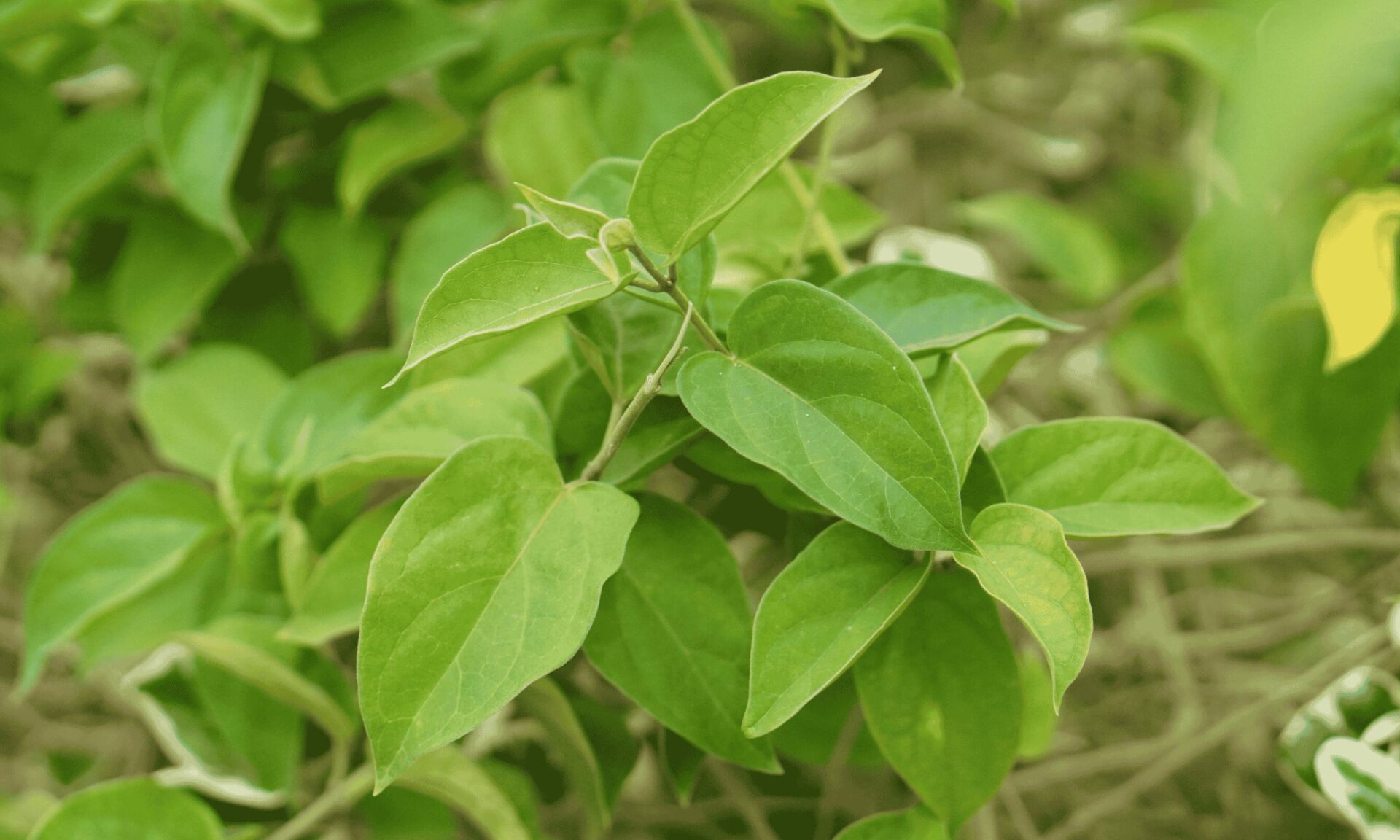

The most practical way people think about Gymnema is around “danger windows.”
You know yours.
Maybe it is mid-afternoon, when energy dips and sweets start calling your name.
Maybe it is after dinner, when you want “just a little something.”
Maybe it is when you walk through the store and suddenly the snack aisle looks like it has a tractor beam.
That is where Gymnema may be useful. Some people use Gymnema before times when cravings usually hit, especially in forms that come into contact with the tongue, such as tablets, lozenges, or powders held briefly in the mouth.
The goal is not to punish yourself for wanting sweets. The goal is to interrupt the automatic pattern.
And this is where plants can do more than quiet cravings.
Gymnema may help make sugar less tempting, but your body also needs daily support underneath that craving: fiber, greens, antioxidants, gut-friendly ingredients, and plants that help your metabolism work with you instead of against you.
Because cravings don’t usually appear out of nowhere.
They often show up when your energy dips, your digestion feels sluggish, your blood sugar swings, or your body starts looking for quick fuel.
That’s why a combination of fat-burning plants, green superfoods, mushrooms, fiber-rich ingredients, and a digestive support complex is probably what your body needs.
You can get it from ginger, green tea, cinnamon, turmeric, reishi, ashwagandha, ginseng, spirulina, greens, fruits, fiber, and probiotics.
Also Read: Blue Milk
I know they seem like A LOT, and they sound super expensive… and they are… but only if you don’t know where to get them.
 This super green antioxidant fuel that’s optimizing fat burn that I found, called the Green Burn Blend, fits beautifully here 🌱.
It brings together 48 plants, mushrooms, fibers, superfoods, and gut-supporting ingredients in one scoop — the kind of combination that would be expensive and annoying to piece together one by one.
One scoop in water, tea, coffee, juice, or a smoothie — and you’ve turned a regular drink into a daily green habit that actually supports your bigger goal.
A Plant With Promise, Not a Miracle
Gymnema is exciting, but it deserves honesty.
It is not a magic weight-loss shortcut. It is not a cure. It is not a natural replacement for prescribed medication. And anyone who makes it sound like a botanical version of a pharmaceutical injection is stretching the truth too far.
The real story is better anyway.
Gymnema may help you take the edge off sweet cravings. It may help make sugary foods less rewarding. It may support healthy blood sugar and lipid patterns as part of a bigger lifestyle approach.
Some plants support far more than one thing.
Lemon balm is loved for calm. Cordyceps is known for steady stamina. Reishi and turkey tail are respected for deeper resilience. Hawthorn, tulsi, fenugreek, and bilberry have long histories around heart, circulation, stress, and metabolic support.
Together, they make sense because cravings, blood sugar, blood pressure, stress, and energy are often connected.
Nicole Apelian created a bundle around this bigger picture: Heart Health Blend, Lemon Balm, Cordyceps, Reishi, and Turkey Tail.
It’s a more practical way to get broad support without buying every tincture separately, and without gambling on random bottles from brands you don’t know.
A Few Words of Caution
Natural does not always mean harmless.
If you take medication for blood sugar, speak with your healthcare provider before using Gymnema. Because it may support lower blood sugar patterns, combining it with glucose-lowering medication could potentially make blood sugar dip too low.
You should also be cautious if you take medications processed by the liver, if you are pregnant or breastfeeding, or if you have a liver condition. Rare liver-related issues have been reported with products containing Gymnema, so quality and caution both matter.
Used wisely, Gymnema can be a fascinating herbal ally. Used carelessly, even a helpful plant can become the wrong tool.
And this is the bigger lesson behind Gymnema.
It’s not just about knowing one “sugar herb.” It’s about understanding which plants help with cravings, digestion, stress, sleep, pain, inflammation, blood sugar, and everyday problems — and how to use them safely.
That’s what Nicole Apelian teaches inside The Lost Remedies Academy 🌿.
You hear her explain the plants, see how to identify them, and watch how the remedies are made step by step. It’s the kind of learning that sticks because you’re not just reading — you’re seeing it happen.
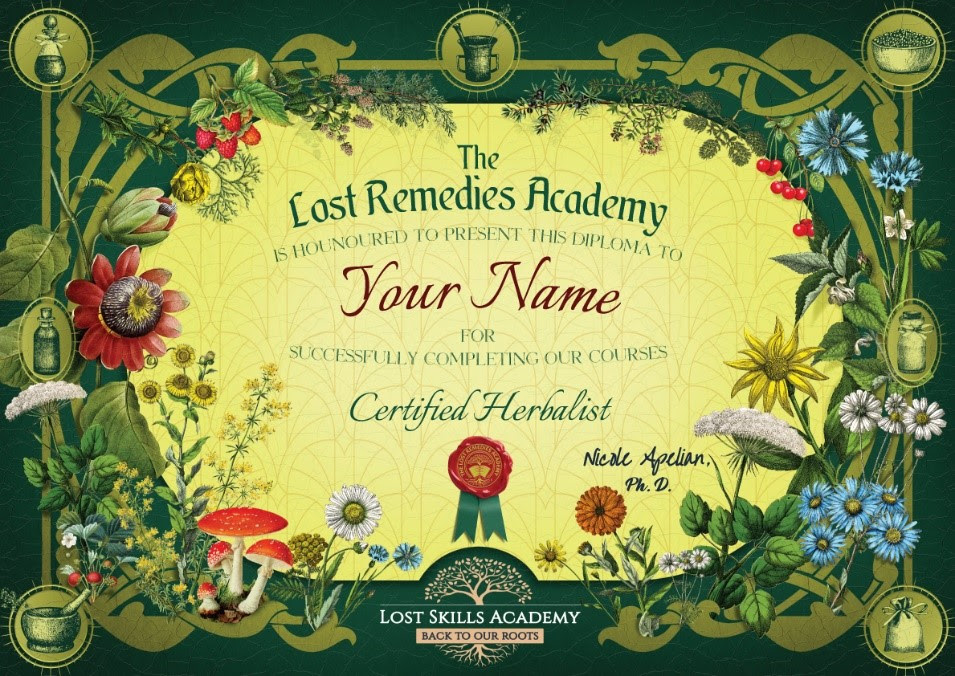 And yes, there are quizzes and a diploma at the end, which gives you a real sense of confidence in what you’ve learned.
Even if you never plan to become a practicing herbalist, imagine how different it feels to sit with family or friends and actually know what these plants can do.
Not guessing. Not repeating internet rumors.
Knowing.
You can discover The Lost Remedies Academy here.
The Bottom Line
Gymnema sylvestre is not “nature’s Ozempic.”
But it may be one of the most interesting herbs for people who want help with sweet cravings, sugar control habits, and metabolic support.
Its gift is simple: it may make sugar less seductive.
And when sugar loses some of its power over your taste buds, you gain something more valuable than a quick fix.
You gain a pause.
A choice.
A chance to say, “Not this time.”
For anyone trying to step away from the daily pull of sweets, that little moment can change everything.
You May Also Like: 
Flu, Viral, and Immune System Protocol (Video)
What People Are Saying About The Lost Book of Herbal Remedies II
This Is Why You’re Not Losing Weight (It’s Not You)
References
- Devangan S, Varghese B, Johny E, et al. The effect of Gymnema sylvestre supplementation on glycaemic control in type 2 diabetes patients: A systematic review and meta-analysis. https://pubmed.ncbi.nlm.nih.gov/34467577/
- Zamani M, et al. The effects of Gymnema sylvestre supplementation on lipid profile, glycemic control, blood pressure, and anthropometric indices in adults: A systematic review and meta-analysis. https://pubmed.ncbi.nlm.nih.gov/36580574/
- Turner S, Diako C, Veysey M, et al. Consuming Gymnema sylvestre reduces the desire for subsequent high-sugar sweet foods. https://pubmed.ncbi.nlm.nih.gov/32290122/
- Turner S, et al. The Effect of a 14-Day Gymnema sylvestre Intervention to Reduce Sugar Intake in People Self-Identifying with a Sweet Tooth. https://pubmed.ncbi.nlm.nih.gov/36558446/
- Hsiao WH, et al. The effect of a 14-day Gymnema sylvestre intervention to reduce sugar cravings in adults. https://pubmed.ncbi.nlm.nih.gov/39855349/
- Kashima H, et al. Suppression of Oral Sweet Taste Sensation with Gymnema sylvestre Affects Postprandial Gastrointestinal Blood Flow and Gastric Emptying in Humans. https://pubmed.ncbi.nlm.nih.gov/28431091/
- Wang Y, et al. Gymnemic acids inhibit sodium-dependent glucose transporter 1. https://pubmed.ncbi.nlm.nih.gov/24856809/
- Warren RP, Pfaffmann C. Inhibition of the sweet taste by Gymnema sylvestre. https://pubmed.ncbi.nlm.nih.gov/5792442/
- Zuñiga LY, González-Ortiz M, et al. Effect of Gymnema sylvestre administration on metabolic syndrome, insulin sensitivity, and insulin secretion. https://pubmed.ncbi.nlm.nih.gov/28459647/
- NCBI LiverTox. Gymnema. https://www.ncbi.nlm.nih.gov/books/NBK610217/
- Endotext. Non-Pharmaceutical Intervention Options for Type 2 Diabetes: Complementary & Integrative Health Approaches. https://www.ncbi.nlm.nih.gov/books/NBK279062/