
Multi-Use Herbs You Need This Fall
The fall of 2026 seems so messed up. I feel it too.
Your evenings changed. Your stress levels shift. Colder weather settles in.
And suddenly you’re staring at your kitchen shelf thinking: Do I really need a different bottle for every single problem?
The truth is, you don’t need a cabinet overflowing with 30 different bottles to practice herbalism at home.
The same herb that winds down your evening can also be food. The same plant prepared one way helps your stress; prepared another way, it addresses something completely different.
And that matters, especially when every bottle costs money, and your shelf space is limited.
Here are some of the multi-purpose herbs you should have within reach this season:
1. Stinging Nettle: The Herb That Does Far More Than Its Name Suggests
Once properly prepared, stinging nettle (Urtica dioica) becomes one of the most versatile plants in the herbal cabinet.
The leaves contain minerals and plant compounds that have made nettle a traditional food and remedy for generations.
Why You Might Keep Nettle Around
Nettle has traditionally been used for:
- seasonal respiratory and allergy discomfort
- urinary support
- joint comfort
- general nourishment
- skin and scalp care
- hair rinses and traditional hair preparations
Different parts of the plant also have different histories of use. Nettle root, for example, has been studied particularly for urinary symptoms associated with benign prostate enlargement, while the leaf is far more commonly used as a nutritive herb.
And then there’s your hair.
Nettle has become extremely popular in scalp oils, shampoos, rinses, and hair formulas.
Nettle has a long history in scalp care, but it’s not the only plant our grandparents would have looked at for hair.
And no, I’m not saying you should sting your own scalp just to “wake up” the blood flow around your follicles.
What I’m saying is that you can still make your own hair-support recipe at home without synthetic fragrances, harsh chemicals, or ingredients you can barely pronounce.

It even shows you the steps, how to apply it, and the safety notes to keep in mind.
Click here to see the Scalp-Revive Spray recipe.
Why It Makes Sense in Fall
Fall can bring changing pollen, dry indoor air, less time outdoors, heavier meals, and an entirely different rhythm for your body.
Instead of buying one herb for your scalp, another for seasonal discomfort, and something else for nourishment, nettle gives you several possibilities from one plant.
You can drink the leaves as tea, cook young nettles like greens, use herbal preparations internally, or incorporate a cooled nettle infusion into your scalp routine.
Here’s what I like about Nicole’s Nettle Tincture: it isn’t just one of those “single-use” bottles.
Nettle has a long history as a spring tonic, but herbalists also value it during allergy season and for general seasonal support.
And I’ll tell you exactly how I use it sometimes.
I add a few drops of nettle tincture into my shampoo, just to bring those nettle compounds into a more natural scalp routine.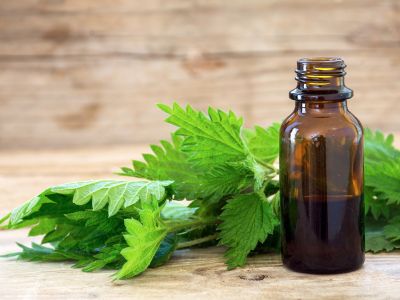
Is it fancy? No. But that’s the whole point.
One plant with several uses. No giant shelf of products and more money in your pocket.
Click here to see Nicole’s Nettle Tincture.
2. Elderberry: Not Just Something You Remember When You’re Already Sick
Elderberry has practically become synonymous with cold season.
But I wouldn’t wait until everyone around you is sniffling to remember it exists.
Black elderberry (Sambucus nigra) contains deeply pigmented compounds called anthocyanins, along with other polyphenols.
Its best-known modern use is for support during upper-respiratory infections, and some human research suggests elderberry preparations may help reduce the duration or severity of cold or flu-like symptoms.
Traditionally, herbalists have also reached for elderberry for:
- immune support
- respiratory-season wellness
- antioxidant-rich preparations
- warming seasonal syrups and teas
And elderflowers have their own traditional uses, especially in teas during cold and flu season.
Elderberry is one of those remedies that became popular for a reason.
Long before every store had an “immune support” aisle, families were making elderberry syrups, teas, and extracts for the cold season.
And now it feels like half the country is finally catching up.
Across the U.S., people keep elderberry close when the weather turns cold and everyone around them starts coughing, sneezing, and reaching for the same overpriced seasonal products.
That’s why I like having this ready-made version from Nicole Apelian. (Click here to check it out).
No boiling berries. No straining syrup. No wondering if you prepared it right.
Just elderberry in a clean tincture from a herbalist I trust.
Why It Earns a Fall Shelf Spot
Because this is the season when everyone suddenly starts buying “immune” products.
Elderberry allows you to simplify.
Instead of thinking of it as a magic berry that makes illness disappear, think of it as a seasonal herbal staple you can turn into syrups, teas, extracts, or tinctures.
3. Lemon Balm: For the Nights When Your Brain Refuses to Clock Out 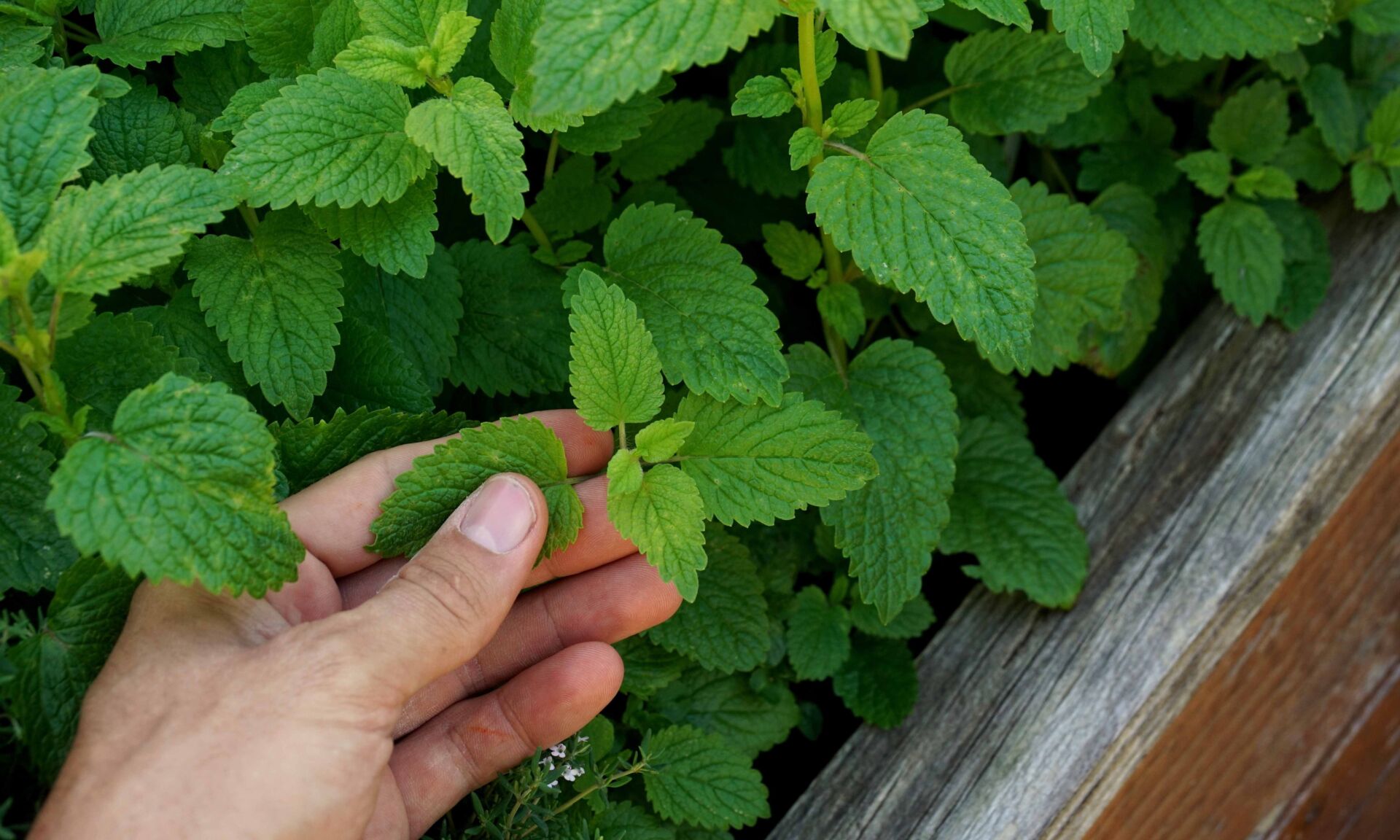

I’m curious if this is only me in the evenings; I’m totally exhausted.
You’re replaying conversations, remembering today’s mistakes or tomorrow’s to-do list, checking your phone again, and wondering why you’re still awake.
That’s when I understand why herbalists have loved lemon balm (Melissa officinalis) for centuries.
Lemon balm has traditionally been used as a gentle calming herb, and human research has explored its effects on mood, stress, anxiety, and sleep.
It also has another side that doesn’t get nearly as much attention.
Lemon balm has traditionally been used for digestive discomfort, particularly when a nervous stomach seems to arrive at the same time as stress.
That gives you one herb with several practical roles:
- helping you wind down
- supporting relaxation
- supporting sleep
- soothing occasional digestive discomfort
- making a surprisingly good-tasting tea
That’s useful because your nervous system and digestion don’t live in separate little boxes. I’m sure you know well about the gut-brain connection.
You’ve probably already experienced it yourself. A stressful day can become a tight stomach. A restless mind can become a restless night.
The Easiest Way to Use It
Make tea. Lemon balm is one of those herbs you don’t need to turn into an elaborate herbal project.
A warm cup in the evening can become part of the signal you give your body that the day is finished.
Tea is lovely, but tincture form is simply easier.
A few drops in water, tea, or even coffee, and you’ve brought lemon balm into your day without steeping, waiting, or cleaning another cup.
And honestly, lemon balm in coffee makes more sense than people think.
Coffee wakes you up, but sometimes it can also make your mind feel a little too sharp around the edges. Lemon balm brings a softer, calmer side to the ritual.
For evenings, stressful afternoons, or those days when your gut and your nerves seem to be speaking the same anxious language.
Click here to get your Lemon Balm Tincture.
4. Yarrow: One of Those Herbs Your Grandparents Would Have Known
If you want to understand old-fashioned household herbalism, learn about yarrow (Achillea millefolium).
It’s been used for thousands of years.
Traditionally, yarrow has been used externally for minor skin concerns and internally in preparations associated with digestion, menstrual comfort, feverish illnesses, and respiratory-season support.
Yarrow demonstrates something important about traditional herbalism: a useful plant didn’t necessarily belong to one body system.
Yarrow became associated traditionally with:
- minor cuts and skin care
- digestive support
- menstrual comfort
- seasonal teas
- sweating during feverish conditions
It’s this versatility that made herbs like yarrow so valuable when people couldn’t simply run to a store and buy a different product for every situation.
Yarrow is not the kind of herb you buy because it looks trendy.
You keep yarrow because generations before you knew it was useful.
Digestion. Seasonal teas. Menstrual comfort. Minor skin care. Old household preparations.
That’s the power of a true multi-purpose herb.
But with yarrow, I don’t want weak herbs from a random shelf or a plant I’m not 100% sure I identified correctly. 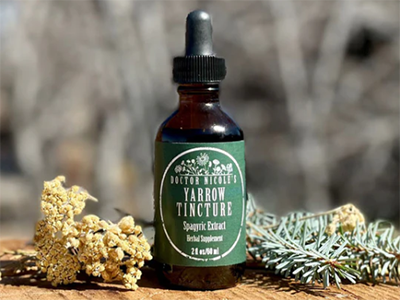
I want it prepared by someone who actually knows what they’re doing.
That’s why Nicole’s Yarrow Tincture is my favorite pick.
One Caution
Yarrow belongs to the Asteraceae family, so anyone with sensitivities to plants such as ragweed, chrysanthemums, or daisies should be particularly careful.
Pregnancy is another situation where yarrow shouldn’t be casually experimented with.
Traditional doesn’t automatically mean appropriate for everyone; that’s why you need guidance.
5. Yerba Santa: A Fall Herb Your Lungs May Appreciate
Yerba santa literally became known as the “holy herb.” That’s quite a reputation to live up to.
Native to western North America, Eriodictyon species have a long history of traditional use, particularly among Indigenous peoples, for respiratory complaints.
Today herbalists commonly associate yerba santa with:
- throat comfort
- respiratory support
- mucus and occasional congestion
- soothing herbal teas and tinctures
Its aromatic leaves were traditionally used when breathing felt uncomfortable or when coughs and mucus made respiratory illnesses miserable.
People have used this plant for generations, herbalists still value it, and modern research hasn’t fully caught up yet. 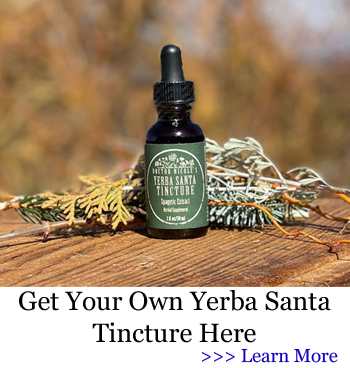
You can try to find it yourself, dry it, and prepare it at home.
Or you can keep the ready-made tincture nearby and skip the guesswork.
Click here to see why herbalists still respect Yerba Santa.
Why Fall?
Cool weather means more time indoors. Then the dry heat turns on.
Your throat gets scratchy. Your nose feels dry. Everyone seems to be coughing somewhere in the grocery store.
That makes respiratory herbs particularly interesting this time of year.
For persistent wheezing, breathing difficulty, chest pain, or significant respiratory symptoms, though, don’t rely on an herb. Those symptoms deserve medical evaluation.
6. Reishi: Not Just an “Immune Mushroom”
Calling reishi an immune mushroom is a little like calling a smartphone a calculator.
Technically true.
But you’re missing most of the picture.
Reishi (Ganoderma lucidum and related species) has been used in East Asian traditional medicine for centuries and contains beta-glucans, triterpenes, and numerous other compounds that continue to attract scientific interest.
You’ll often see reishi discussed for:
- immune function
- stress resilience
- sleep and relaxation
- fatigue and general wellness
Reishi’s broad traditional role is exactly what makes it interesting. Because it’s an adaptogen.
It wasn’t historically viewed as something you used for three days and forgot about. It was closer to a general wellness tonic.
For a modern herbalist, that makes reishi particularly interesting during fall, when darker evenings, busy schedules, disrupted sleep, and the start of respiratory season often arrive all at once.
Fall asks your body to adapt.
Less sunlight. Colder mornings. More time indoors. More stress. More people getting sick around you.
And that’s exactly where reishi makes sense.
Reishi is an adaptogen, and that’s literally what adaptogens are known for in herbal tradition: helping the body stay steady when life, seasons, and stress start shifting around you.
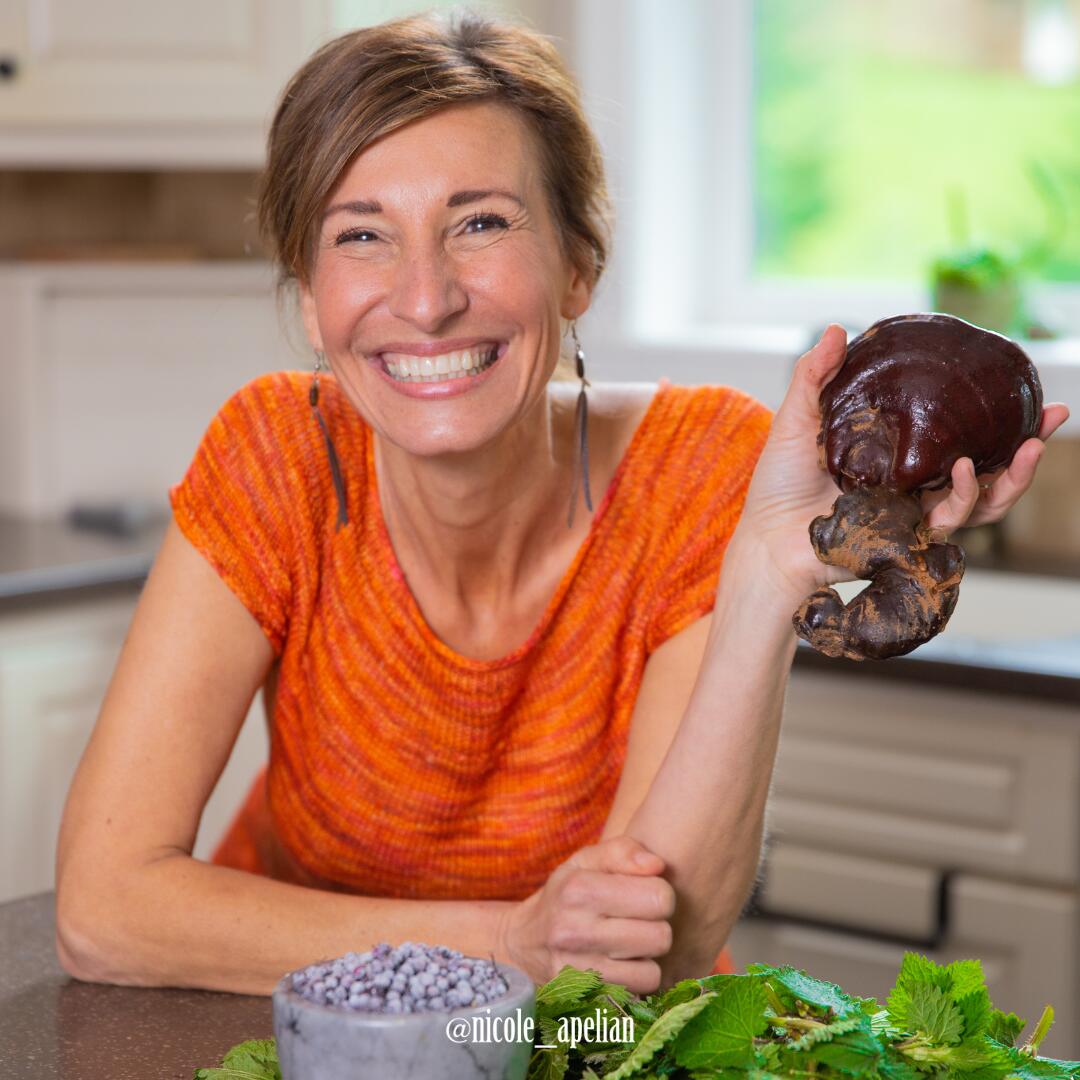
It’s not a quick jolt like coffee.
It’s more like long-game support for resilience, calm, immune balance, and general wellness.
That’s why I like it in tincture form.
Just a few drops of one of the most respected mushrooms in traditional herbalism.
Click here to see Nicole’s Reishi Tincture.
7. Lion’s Mane: The Mushroom You May Want on Busy Fall Mornings
Fall has a way of speeding everything up. Work picks up. Schools reopen. Holidays start creeping onto your calendar.
And somehow you’re supposed to function the same.
That’s why it’s a must to mention lion’s mane (Hericium erinaceus).
Unlike herbs traditionally associated mainly with respiratory or digestive complaints, lion’s mane has attracted attention because of research surrounding the nervous system and cognition.
Human studies are still relatively small, but researchers have explored lion’s mane for areas including: 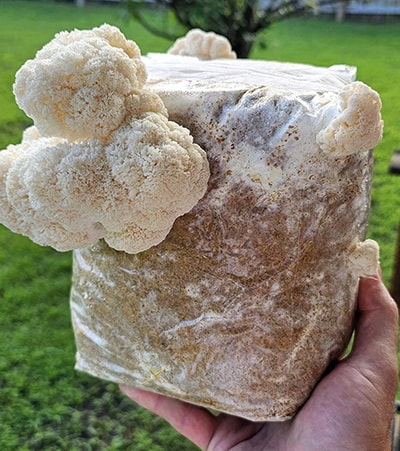
- cognitive function
- memory and concentration
- mood
- stress
- general nervous-system support
Inside this mushroom are rare compounds called hericenones and erinacines, and they do something no pharmaceutical has ever mastered:
They stimulate Nerve Growth Factor (NGF) — a natural compound your brain uses to grow new neurons and repair the old ones.
That’s right — Lion’s Mane doesn’t just protect your brain. It helps regrow it.
Start with one cup. Let your brain feel the difference.
No Time to Brew?
If you’re short on time or just prefer something quicker, you can skip the stove entirely. A few drops of Lion’s Mane Tincture in your morning coffee or water gives you all the brain-boosting power — no steeping required.
👉 Try the tincture here.
You can actually cook fresh lion’s mane mushrooms.
That’s the kind of multi-use plant medicine I like: something that can live both in the kitchen and in the herbal cabinet.
You Don’t Need More Herbs. You Need to Know Your Herbs Better.
“Supplements” can accidentally become another form of consumerism.
One problem? Buy a bottle.
New symptom? Buy another bottle.
Before long, you’ve spent hundreds of dollars and still aren’t quite sure what half of those bottles actually do.
There’s another way.
Build a smaller herbal cabinet around plants that can earn their space.
Plant knowledge gives you something a bottle never can:
confidence in what you’re using and why you’re using it.
The Best Place to Learn Herbs Is From a Real Herbalist
This is the part people forget.
Buying herbs is easy.
Knowing what to do with them is the real skill.
Because one plant can be used as a tea, a tincture, a salve, a poultice, an oil, a syrup, or even food — and each preparation can change the way you use it.
That’s why learning from a real herbalist matters.
Inside The Lost Remedies Academy, Nicole Apelian shows you how to identify medicinal plants, avoid dangerous lookalikes, and turn them into real remedies step by step. You don’t just read the recipe. You watch how it’s done.
Some of the lessons inside include: 
- The Stress Relieving “Pills” That Grow on THIS Plant
- Doxycycline of the Woods
- The Fatty Liver Repair Tea
- Homemade Anti-Fungal Salve
- How to Make Your Own Lubricating Joint Juice
- Better Than Sleeping Pills
- The Herb You Can Add to Your Coffee or Tea
- The Plant That Can Save Your Life in a Crisis
- Grandma’s Antibiotic in a Jar
- Nature’s Anesthetic
And that’s exactly the kind of knowledge that helps you stop collecting random bottles and start understanding the plants themselves.
Click here to watch Nicole’s free video about The Lost Remedies Academy.
A Quick Herbalist’s Note: Herbs can interact with medications and health conditions. Check with your healthcare provider if you’re pregnant, breastfeeding, preparing for surgery, taking prescriptions, or managing a chronic condition. Avoid ashwagandha during pregnancy and use caution with thyroid, autoimmune, blood pressure, or diabetes concerns. Use elderberry properly cooked, berries only; raw or unripe berries may cause digestive upset.
Disclaimer: This article is for educational purposes only. These plants are not intended to diagnose, treat, cure, or prevent any disease. Always consult a healthcare provider before starting new herbs, especially if you’re pregnant, breastfeeding, taking medications, or managing health conditions. Seek medical care for any symptom that persists or concerns you.

Kava Tea – How to Prepare It the Traditional Way and Drink It Safely
Never Do This Before Going To Sleep (Video)
How to Make Sun Brewed Tea (And How to Do It Safely)
Red Clover Tea – What It Actually Does and How to Prepare It
🌿 Join Our Private Herbal Community For Free. 👉 Click here!
References
For editorial verification and further reading:
- National Center for Complementary and Integrative Health (NCCIH):
https://www.nccih.nih.gov/ - PubMed — Urtica dioica / stinging nettle research:
https://pubmed.ncbi.nlm.nih.gov/?term=Urtica+dioica - PubMed — stinging nettle and benign prostatic hyperplasia:
https://pubmed.ncbi.nlm.nih.gov/?term=Urtica+dioica+benign+prostatic+hyperplasia - PubMed — elderberry clinical research:
https://pubmed.ncbi.nlm.nih.gov/?term=Sambucus+nigra+elderberry+clinical+trial - PubMed — elderberry and respiratory infections:
https://pubmed.ncbi.nlm.nih.gov/?term=elderberry+respiratory+infection - PubMed — lemon balm (Melissa officinalis), anxiety, stress, and sleep:
https://pubmed.ncbi.nlm.nih.gov/?term=Melissa+officinalis+anxiety+sleep - PubMed — yarrow (Achillea millefolium):
https://pubmed.ncbi.nlm.nih.gov/?term=Achillea+millefolium - PubMed — yerba santa / Eriodictyon:
https://pubmed.ncbi.nlm.nih.gov/?term=Eriodictyon+yerba+santa - PubMed — reishi / Ganoderma lucidum:
https://pubmed.ncbi.nlm.nih.gov/?term=Ganoderma+lucidum+clinical - PubMed — lion’s mane / Hericium erinaceus and cognition:
https://pubmed.ncbi.nlm.nih.gov/?term=Hericium+erinaceus+cognition - PubMed — lion’s mane, anxiety, and depression:
https://pubmed.ncbi.nlm.nih.gov/?term=Hericium+erinaceus+anxiety+depression - PubMed — turkey tail / Trametes versicolor:
https://pubmed.ncbi.nlm.nih.gov/?term=Trametes+versicolor - National Library of Medicine / PubMed:
https://pubmed.ncbi.nlm.nih.gov/