A microscopic parasite has triggered one of the largest cyclosporiasis surges ever reported in the United States, and it may be hiding on foods you normally consider healthy.
Recent reports from Reuters and the Associated Press describe thousands of illnesses across more than 30 states. Lettuce and other produce are being investigated, but health officials have not confirmed one food, farm, restaurant, or supplier as the source.
As of July 14, 2026, the CDC had confirmed 1,645 domestically acquired cases and 141 hospitalizations, while more than 5,100 additional reports still required analysis. No deaths had been reported.
That does not mean you should panic or abandon every fresh vegetable in your kitchen. It means you should understand what you are dealing with, recognize the warning signs, and know the natural support you need.
What Is Cyclosporiasis?
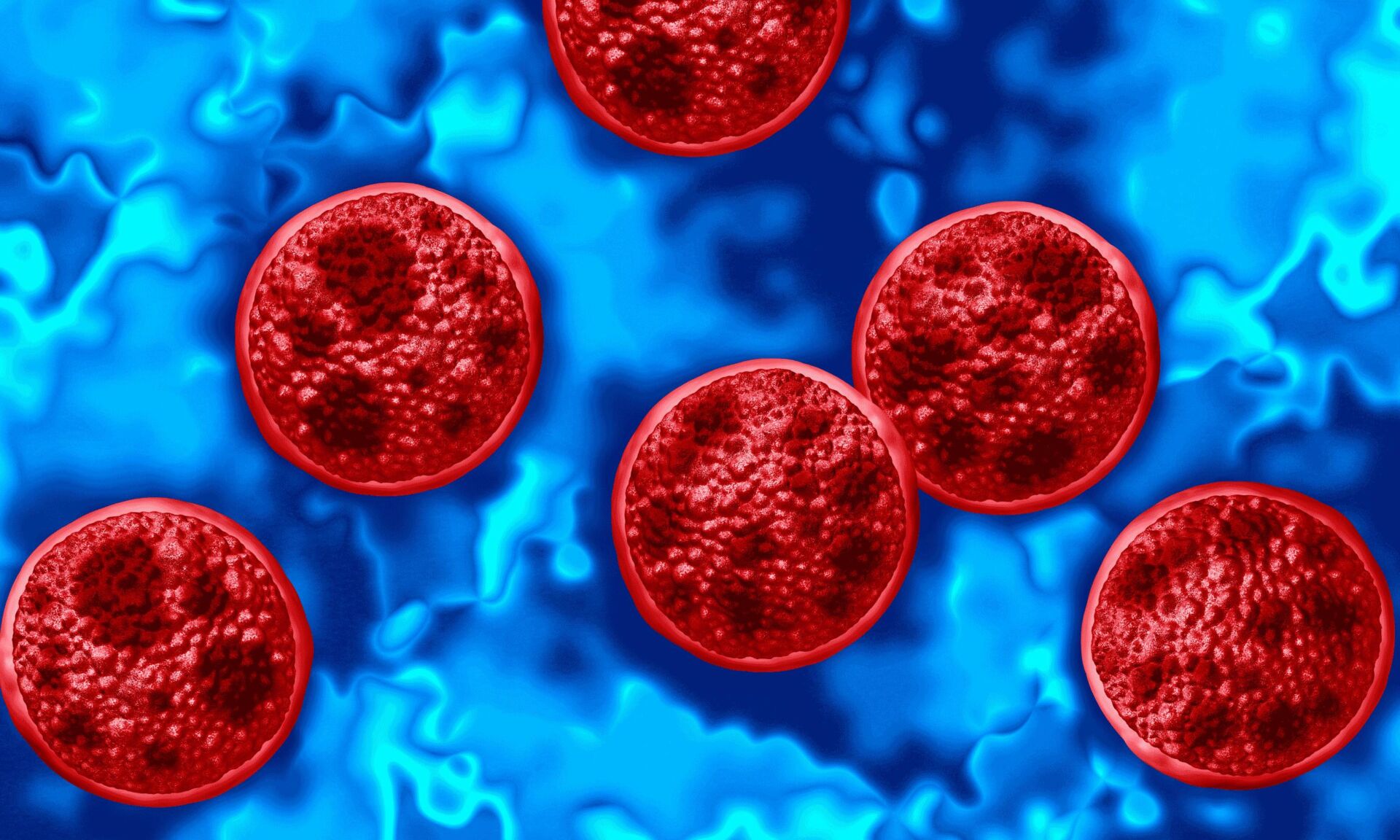
Cyclosporiasis is an intestinal illness caused by Cyclospora cayetanensis, a microscopic parasite that infects the small intestine.
You can become infected after consuming food or water contaminated with human fecal matter. Fresh produce presents a particular concern because you often eat it raw. Previous outbreaks have been associated with salad mixes, basil, cilantro, raspberries, snow peas, and green onions.
Symptoms usually begin about a week after exposure, although the timing varies. You may experience:
Frequent watery diarrhea
Cramping, gas, and bloating
Nausea or loss of appetite
Fatigue and weakness
Unintentional weight loss
Low-grade fever or muscle aches
One of the most frustrating features is the way symptoms can fade and then return. Without appropriate care, the illness may continue for weeks or longer. Severe diarrhea can also cause dehydration, especially in older adults, young children, and people with weakened immune systems.
Parasites Are Not Only a “Tropical” Problem
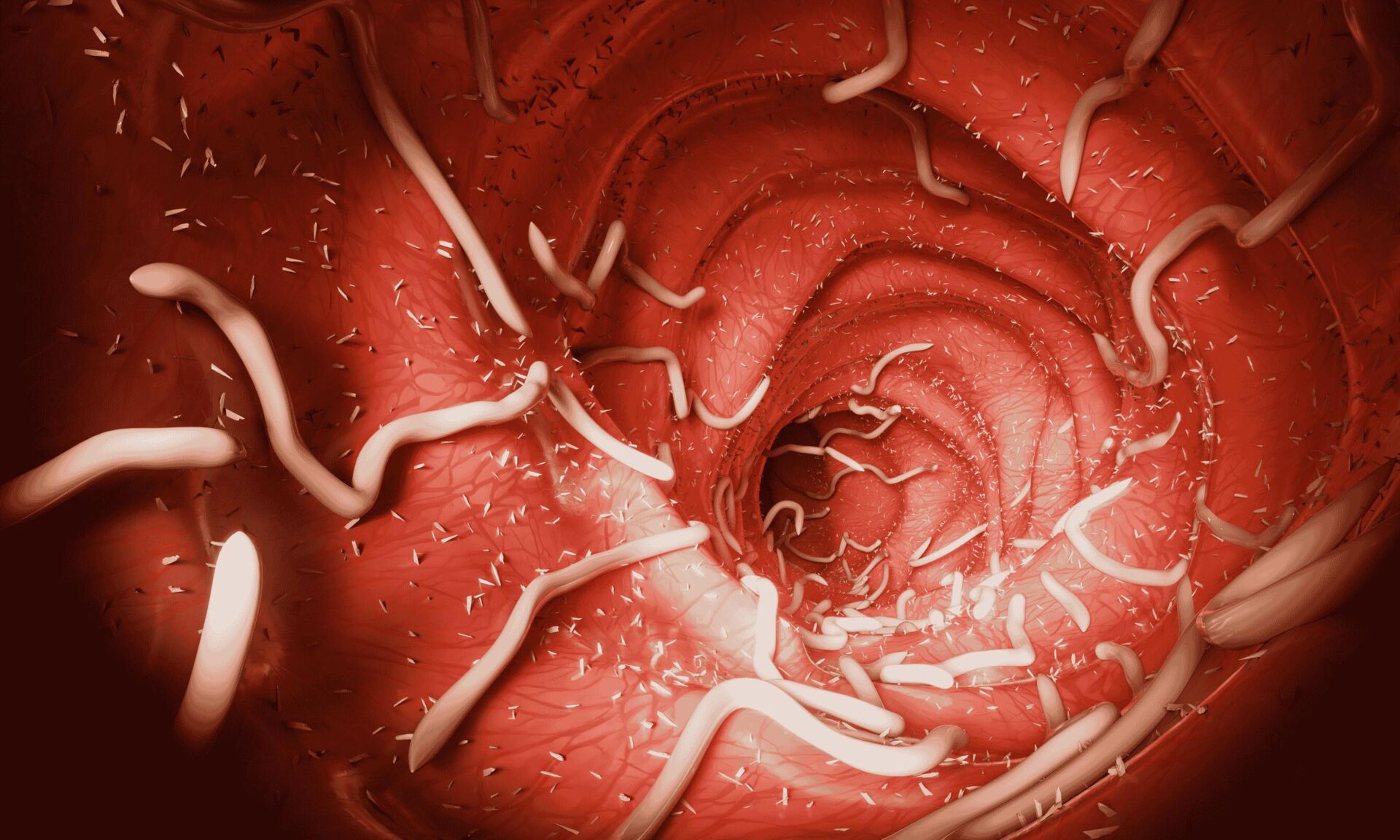
The word parasite may make you picture distant jungles or unsafe drinking water abroad. Yet parasitic infections also occur in the United States.
The CDC has identified several neglected parasitic infections as public-health priorities, including Chagas disease, toxocariasis, toxoplasmosis, trichomoniasis, and cysticercosis.
What is true is that parasites can enter the body through contaminated food or water, undercooked meat, soil, insects, animals, travel, or close contact, depending on the organism.
Some cause short-term digestive illness. Others can affect the eyes, brain, heart, liver, muscles, pregnancy, or nervous system.
The practical lesson is simple: don’t ignore persistent symptoms or guess your way through them. A healthcare provider can determine whether parasite testing makes sense.
Parasites are one of those topics people either ignore completely… or panic about for the wrong reasons.
The smarter place is in the middle.
You need to know what signs are worth paying attention to, which symptoms should send you to a doctor, what foods and habits may support your body, and which natural remedies have actually been used for this kind of problem.
This educational resource covers traditional wellness practices and general digestive support. It is not a diagnostic tool or a treatment plan for cyclosporiasis or any other parasitic infection.
If you’re curious about what a full parasite-support plan can include, the warning signs, the foods to avoid, the herbs people traditionally used, the gut-support steps, and the daily actions that help your body recover, Nicole Apelian lays it out in a clear, practical way.
It’s not random internet “parasite cleanse” advice; it’s from a legitimate professional. It gives you an organized look at traditional herbal practices and general digestive wellness, so you can learn without relying on scattered internet advice.
Wash your hands before and after handling produce. Rinse fruits and vegetables thoroughly under running water, scrub firm produce with a clean brush, and refrigerate cut produce promptly.
These steps can reduce exposure, but washing does not guarantee that every Cyclospora organism will be removed. Cooking produce provides greater protection when contamination is a concern.
Seek medical care when diarrhea is severe, keeps returning, lasts more than a few days, or accompanies dehydration, fever, blood in the stool, dizziness, or significant weakness. Testing matters because Cyclospora may require a specific stool test. If testing confirms an infection, follow the treatment plan recommended by your healthcare provider.
Once that part is handled, the next question becomes: what can you do to support your body through the process?
Herbal medicine may still have a valuable role, but only when you give it the right job.
Papaya Seeds
Papaya seeds have a long history of traditional use for intestinal complaints. A small human study found that a preparation containing dried papaya seeds and honey helped clear certain intestinal parasites in children.
That result is promising. Science may finally be catching up with what our ancestors already Papaya seeds may have a place in traditional gut-support remedies, but only when they’re used carefully, in the right amount, and as part of a proper formula.
If I wanted to make a serious home remedy for this kind of thing, I would not just throw papaya seeds in a blender and hope for the best.
Papaya seeds are interesting, and there is some science behind their traditional use. But the difference between “I saw this online” and “I know how to prepare this properly” is huge.
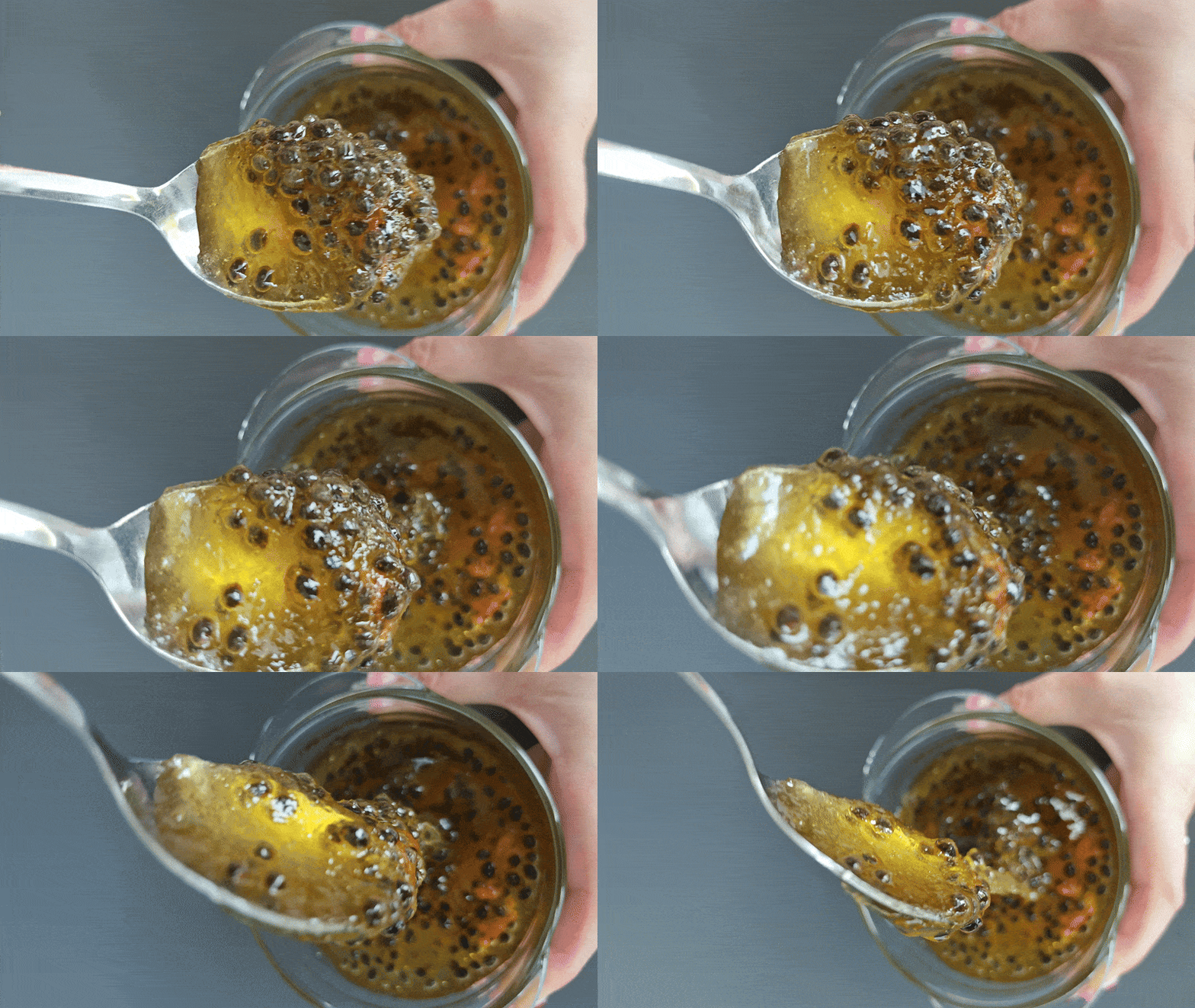
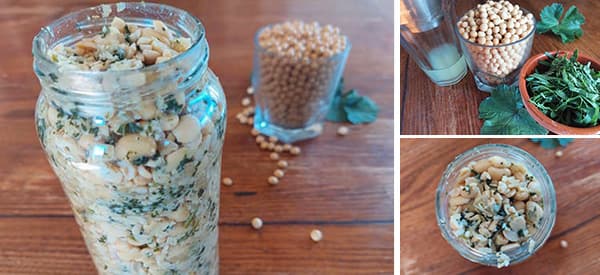
Inside The Forgotten Home Apothecary, Nicole includes a remedy called Herbal Parasite Flush, along with many other digestive remedies that are organized so you can actually find what you need. I made it myself; this is what it looks like: That matters because with parasites and gut issues, random guessing can waste time, or make you feel worse.
The book gives you the measurements, pictures, steps, and context. And once you have it on your shelf, you don’t have to depend on the internet being helpful during the next outbreak.
Paper doesn’t disappear when the search results get flooded.
And the best part is, you don’t just get one parasite remedy. You get access to hundreds of other home remedies too, for digestion, immunity, wounds, sleep, pain, respiratory issues, and more.
Garlic contains sulfur compounds, including allicin, that have demonstrated antimicrobial and antiparasitic activity in laboratory and animal research.
My mom always used to tell me to eat garlic when she worried about parasites.
And she wasn’t the only one. Garlic has a long folk reputation as one of those “clean the gut” kitchen remedies people reached for when digestion felt off or when they suspected something unwanted was living where it shouldn’t.
That old belief probably comes from garlic’s strong sulfur compounds, including allicin, which have made it interesting to researchers too.
Garlic can be a powerful food ally, but it should not replace testing or proper care when symptoms are serious or persistent.
You can still use garlic as a nourishing culinary herb if you tolerate it.
If your stomach is already raw, too much of it can make things feel worse before they feel better. And if you take blood thinners, don’t treat garlic supplements like candy, check with a professional first.
Usnea (Old Man’s Beard)
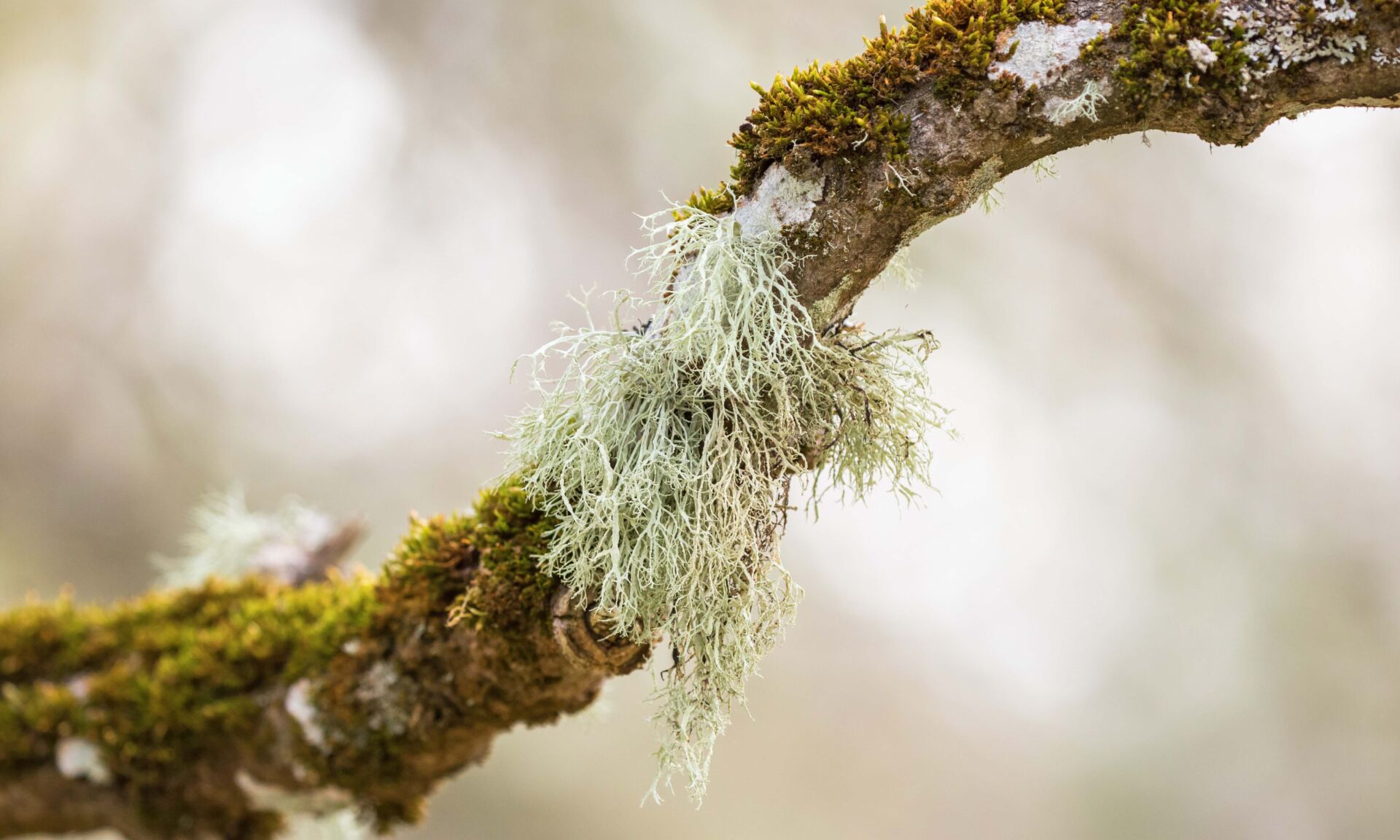
Usnea, the pale, branching lichen sometimes called old man’s beard, contains compounds such as usnic acid. Laboratory studies have found antimicrobial activity and activity against certain protozoan parasites.
Usnea is a powerful plant, and that’s exactly why it deserves respect. I wouldn’t treat it like a casual kitchen herb or use it as a replacement for proper guidance during a confirmed infection. Its place here is as a traditional immune-support remedy, especially when quality and preparation are handled by someone who knows what they’re doing.
This grayish lichen has also been used for centuries for lung and throat infections. The active compound, usnic acid, is a potent antimicrobial.
Herbalists have traditionally used usnea in preparations intended to support throat and respiratory comfort.
Usnea’s antimicrobial power (usnic acid) is only as strong as the lichen itself. Quality matters. Usnea harvested from polluted areas absorbs toxins. Usnea from clean forests has cleaner, more potent usnic acid.
But here’s the problem: finding quality usnea in the wild means knowing exactly which lichen to pick, avoiding polluted areas, and spending hours extracting it properly. Most people can’t identify usnea from other lichens, let alone prepare it correctly.
This Usnea Tincture is the ready-made version. Wild-harvested or handpicked, ready to use.
Instead of going into the forest looking for lichens like the one in the image, just keep this on your shelf. Get your Usnea Tincture here.
The Quick & Easy Way To Support Your Gut
Whether your digestion feels unsettled after an illness, a stressful week, or a change in routine, gentler herbs are often used for everyday digestive comfort. This is where the following herbs I’m going to tell you about may offer more realistic support.
Slippery Elm
When you mix slippery elm bark with water, it creates a thick, soothing mucilage. Herbalists traditionally use it to coat and calm irritated tissues in the throat and digestive tract.
Clinical evidence doesn’t say that it’s a complete cure against intestinal damage or curing inflammation. Still, its soothing physical properties may make it a reasonable comfort measure for some people. Because it may slow the absorption of medicines, take it separately from prescriptions.
Lion’s Mane
Lion’s mane is best known for research involving the nervous system, but laboratory and animal studies also suggest potential effects on the gut microbiome, intestinal barrier, and inflammatory signaling.
I first looked at Lion’s Mane for the brain.
That’s what most people know it for: memory, focus, clarity, and long-term cognitive support.
But the more you learn about the gut-brain connection, the more Lion’s Mane starts to make sense for digestion too.
Your gut and brain are constantly talking. Stress can hit your stomach. Gut problems can affect your mood. And when your digestion feels off for days or weeks, your whole mind can feel duller.
Lion’s Mane is one of those mushrooms that fits beautifully into that conversation.
If you can forage it fresh and prepare it yourself, amazing. That’s the dream.
But if you want to skip the foraging, drying, and tincture-making, Nicole’s Lion’s Mane Tincture is the easy route: clean, potent, and ready to use.
If Lion’s Mane fits your routine, this tincture offers a convenient way to use it without foraging, drying, or preparing it yourself.
Marshmallow root also contains mucilage and has a long tradition of use for irritated mucous membranes. A warm infusion may feel gentle when your digestive tract is sensitive.
Like slippery elm, marshmallow may interfere with medication absorption, so timing matters.
And if you prefer a blend rather than a single herb… marshmallow root is only the beginning.
Because a sensitive gut usually needs more than one soothing plant.
Marshmallow helps coat and calm. Slippery elm is another classic mucilage-rich herb for irritated tissues. Plantain has a long tradition of use in preparations intended to soothe mucous membranes. Reishi supports resilience and balance. Turkey tail is often valued for immune and gut support. Lion’s Mane brings in that fascinating gut-brain connection.
It’s not just a random digestive supplement. It’s a carefully built combination of gut-soothing herbs and medicinal mushrooms meant to support digestion, intestinal comfort, and overall gut balance.
And with outbreaks like cyclosporiasis reminding people how fragile the gut can be, I’m not sure this is the kind of remedy I’d wait too long to keep around.
Let Nature Support You, Without Asking It to Do the Impossible
The current outbreak is a reminder that even familiar foods can occasionally carry invisible risks. But fear will not protect you nearly as well as clear information.
Wash and prepare food carefully. Listen when your body tells you that something is not right. Get tested when symptoms persist. Use proven medical treatment when an infection requires it.
Then allow herbs to do what they often do best: nourish you, soothe discomfort, and support your body while it finds its balance again.
Natural medicine becomes more powerful, not less, when you use it honestly.
This is the bigger lesson behind all of this.
A parasite outbreak makes headlines, but the real issue is deeper: most people no longer know what to do when their body needs support.
They don’t know which plants help soothe the gut. They don’t know which ones support the lungs. They don’t know which ones belong in teas, tinctures, salves, poultices, or syrups. And they definitely don’t know which plants to avoid.
That knowledge used to live in families.
Now, Nicole Apelian teaches it step by step in her online herbal academy.
You don’t just read about plants. You see them. You hear Nicole explain them. You watch how remedies are made. You can pause, rewind, follow along, and actually retain the knowledge because it’s taught visually and practically.
And at the end, you even get a diploma after completing the course.
Even if you never plan to become a professional herbalist, knowing how to identify and use medicinal plants gives you confidence most people simply don’t have anymore.
The next time something happens, you’re not just scrolling in panic.
Disclaimer: No herb or supplement has been clinically proven to eliminate Cyclospora in humans. Cyclosporiasis requires medical evaluation, and the established treatment is prescription trimethoprim-sulfamethoxazole. The remedies discussed in this article are presented for education and general wellness only. They should not delay testing, replace prescribed treatment, or be used as a treatment for cyclosporiasis. Concentrated oral usnic-acid products have also been associated with liver injury, so speak with a qualified healthcare professional before using oral usnea, especially if you have liver concerns or take medication.
Disclosure: This article contains promotional links. We may receive compensation if you purchase through them.
I’ve had chronic diarrhea since I hit puberty. Last night I was talking to my mom, and she said I should absolutely alk to my doctor about this–something I’ve already done several times. Of course, with the recent outbreak of Cyclosporiasis, perhaps I could actually get some useful information, though I just ordered the Balanced Gut Tincture in the hopes that it will help. After all, I have several of the symptoms listed, both here and on the greater Parasite 101 page. Thank you for the information, and the tincture!
You may have a bacteria infection that your doctor has not addressed. Study on your own as medical science-doctors can not solve problems like it / they should. I was in the hospital given an antibiotic and a probiotic to take along with it,something natropaths have been recommending for decades and only a handful of MD`s did. Try this it can not harm you…Start making fresh kefir and take daily a quart or more. Try bentonite clay daily and miniweats with out sugar, cut out sugar,carbs,alcohol,glutin etc. you may have a hidden allergy that has not been diagnosed yet get a intestine biopsy and see what turns up. Look up DR.Bryan Ardis on the web and YT,rumble look into others in the natural medicine world and see what you can come up with to try treating yourself. I had to treat myself also after i was not getting better with conventional medicine. Try substack.com you can find excellent medical doctors who give free advice etc. its a great to research many things and health is just one of them.
We appreciate your perspective and your own experience with recovery. You’re right that the body is complex and sometimes answers come from exploring multiple avenues.
That said, we always encourage people to work with qualified healthcare providers first for serious or persistent symptoms, especially things like chronic diarrhea that have multiple possible causes.
Your suggestions about diet, fermented foods, and researching holistic practitioners are worth exploring alongside professional medical care, not instead of it.
Thank you so much for sharing this, Wendy. It sounds like you’ve been dealing with this for a long time, and I’m glad you’re continuing to work with your doctor while also exploring supportive options like the Balanced Gut Tincture.
The gut is complex, and sometimes it takes a combination of approaches like medical testing, professional guidance, and gentle herbal support, working together.
I hope the tincture helps bring you some relief. Keep listening to your body and don’t hesitate to advocate for yourself with your healthcare provider.
We use cookies to ensure that we give you the best experience on our website. If you continue to use this site, we will assume that you are happy with it.
Functional Always active
The technical storage or access is strictly necessary for the legitimate purpose of enabling the use of a specific service explicitly requested by the subscriber or user, or for the sole purpose of carrying out the transmission of a communication over an electronic communications network.
Preferences
The technical storage or access is necessary for the legitimate purpose of storing preferences that are not requested by the subscriber or user.
Statistics
The technical storage or access that is used exclusively for statistical purposes.The technical storage or access that is used exclusively for anonymous statistical purposes. Without a subpoena, voluntary compliance on the part of your Internet Service Provider, or additional records from a third party, information stored or retrieved for this purpose alone cannot usually be used to identify you.
Marketing
The technical storage or access is required to create user profiles to send advertising, or to track the user on a website or across several websites for similar marketing purposes.








I’ve had chronic diarrhea since I hit puberty. Last night I was talking to my mom, and she said I should absolutely alk to my doctor about this–something I’ve already done several times. Of course, with the recent outbreak of Cyclosporiasis, perhaps I could actually get some useful information, though I just ordered the Balanced Gut Tincture in the hopes that it will help. After all, I have several of the symptoms listed, both here and on the greater Parasite 101 page. Thank you for the information, and the tincture!
You may have a bacteria infection that your doctor has not addressed.
Study on your own as medical science-doctors can not solve problems like it / they should.
I was in the hospital given an antibiotic and a probiotic to take along with it,something natropaths have been recommending for decades and only a handful of MD`s did.
Try this it can not harm you…Start making fresh kefir and take daily a quart or more.
Try bentonite clay daily and miniweats with out sugar, cut out sugar,carbs,alcohol,glutin etc. you may have a hidden allergy that has not been diagnosed yet get a intestine biopsy and see what turns up.
Look up DR.Bryan Ardis on the web and YT,rumble look into others in the natural medicine world and see what you can come up with to try treating yourself.
I had to treat myself also after i was not getting better with conventional medicine.
Try substack.com you can find excellent medical doctors who give free advice etc. its a great to research many things and health is just one of them.
We appreciate your perspective and your own experience with recovery. You’re right that the body is complex and sometimes answers come from exploring multiple avenues.
That said, we always encourage people to work with qualified healthcare providers first for serious or persistent symptoms, especially things like chronic diarrhea that have multiple possible causes.
Your suggestions about diet, fermented foods, and researching holistic practitioners are worth exploring alongside professional medical care, not instead of it.
The strongest approach usually combines both.
Thank you so much for sharing this, Wendy. It sounds like you’ve been dealing with this for a long time, and I’m glad you’re continuing to work with your doctor while also exploring supportive options like the Balanced Gut Tincture.
The gut is complex, and sometimes it takes a combination of approaches like medical testing, professional guidance, and gentle herbal support, working together.
I hope the tincture helps bring you some relief. Keep listening to your body and don’t hesitate to advocate for yourself with your healthcare provider.
Wishing you better days ahead.
BEET KAVAS’ WHY WASNT IT MENTIONED
Great question! Beet kvass is absolutely a traditional fermentation with benefits for digestion and the gut microbiome.
We focused on the most direct herbal supports in this article, but you’re right that fermented foods deserve their own detailed piece.
Thanks for bringing it up, we may explore that more deeply soon in a dedicated article! Great idea!