
Can You Smoke Medicinal Herbs?
Antibiotics changed modern medicine. But bacteria kept changing too.
Some bacteria have learned how to survive the very drugs designed to kill them. That’s antibiotic resistance, and it’s already a serious global problem.
In 2019, bacterial antimicrobial resistance was estimated to be directly responsible for around 1.27 million deaths worldwide and associated with nearly 5 million deaths. Misuse and overuse of antibiotics help drive resistance, while developing entirely new antibiotics remains difficult, expensive, and slow.
That doesn’t mean you should avoid antibiotics when you genuinely need them. Antibiotics save lives, and medicinal herbs should never replace prescribed antibiotics when an infection requires medical treatment.
Long before pharmacies existed, people brewed herbs into teas, soaked them in alcohol, simmered roots, made syrups and poultices, and sometimes burned certain plants and inhaled the smoke.
Which raises a surprisingly common question:
If a plant has medicinal properties, can you smoke it?
Technically, you can smoke many dried herbs. Whether you should is a very different question.
The Problem Isn’t Always the Herb. It’s the Fire.
When you burn a medicinal plant, you change it.
You’re no longer simply taking the compounds naturally present in a leaf or flower. Combustion creates smoke, particles, carbon monoxide, and other substances your lungs then have to deal with.
That matters because “herbal” and “tobacco-free” can sound much safer than they really are.
Research on herbal cigarettes, for example, has found that removing tobacco and nicotine does not remove the harmful products created by combustion. Herbal smoke can still contain carbon monoxide and carcinogenic compounds such as benzo[a]pyrene.
So when somebody tells you an herb is “good for the lungs” and therefore makes a healthy smoke, those are two very different claims.
A plant may have a long history of respiratory use without its smoke being the part you want.
And mullein is probably the best example.
Mullein
If you’ve spent much time around herbalists, you’ve probably heard of mullein.
For generations, people have turned to its soft leaves and flowers in traditional preparations for coughs, irritated throats, and respiratory complaints. You’ll find it made into teas, infusions, syrups, oils, tinctures, and yes, smoking blends.
That last use is probably why mullein shows up so often whenever people talk about smoking medicinal herbs.
If you want to experiment with mullein, you have other options that don’t require breathing smoke. A well-strained tincture is probably the simplest traditional preparation.
Straining matters because those famously fuzzy leaves contain tiny hairs that can irritate your throat if they end up in the cup.
You can also find mullein in teas and other herbal formulas.
In other words, you don’t have to set the plant on fire to use it.
But there’s something shocking should know about mullein… and honestly, everyone should know it. 
Once you find out, you’ll probably want to tell your friends and family too.
If you want to hear what Nicole Apelian says about what happens when you smoke mullein, click here.
Lavender
Lavender is another herb that occasionally appears in smoking blends, which has always struck me as slightly unnecessary.
We already have much easier ways to enjoy what lavender has to offer.
People have used lavender for centuries in baths, pillows, oils, household preparations, and aromatic traditions. Today, modern research has also looked at lavender for stress and anxiety, with some of the better evidence involving aromatherapy and standardized oral preparations.
If you enjoy lavender because its aroma helps you unwind, simply smelling it makes far more sense than burning it and deliberately pulling the smoke into your lungs.
You can also use lavender in tea blends, depending on the preparation and your own tolerance for its strong floral flavor.
Lemon Balm
If your brain likes to replay conversations and create endless scenarios the moment your head hits the pillow, lemon balm is worth knowing.
This member of the mint family has a long history of traditional use for calming the nerves, settling restlessness, and supporting sleep. Herbalists have brewed it as tea for centuries, and today you’ll also find it in tinctures, extracts, and combination formulas.
Could somebody dry it and smoke it?
Sure.
But again, what would you actually gain?
The interesting traditional and modern uses of lemon balm don’t depend on inhaling smoke. If you want lemon balm in your routine, drinking a cup of tea or using a lemon balm tincture like this one gives you a much more straightforward way to work with the plant.
And honestly, lemon balm tea tastes considerably better than lemon balm smoke sounds.
Nettle
Nettle is one of those plants that makes you wonder who first looked at a leaf covered in stinging hairs and thought, “I’m going to eat that.”
Thankfully, somebody did.
Once properly prepared, nettle has been used as both food and medicine for generations. People have traditionally turned to it for seasonal complaints, urinary support, joints, and general nourishment.
The leaves also provide minerals and other plant compounds, which is one reason nettle became such a familiar spring tonic in traditional herbalism.
You can find nettle mentioned in herbal smoking mixtures. But you don’t have to smoke them if you don’t want to.
You can steep the leaves, cook them, add them to food, use a prepared extract, or take them as a tincture. Those methods allow you to use the plant without destroying much of it in a flame and inhaling the resulting smoke.
Speaking of stinging nettle, I can’t skip how useful this plant can be.
You probably already know it from hair and scalp traditions, especially when people talk about thinning hair and natural rinses.
But nettle is also one of those herbs people reach for during allergy season, and it has a long history as a nourishing spring tonic.
That’s why I think nettle is one of the most generally useful herbs out there.
It’s traditional. It’s studied. It’s everywhere. And somehow, it’s still one of the cheapest herbs you can keep close.
Nicole Apelian’s Nettle Tincture makes this even easier because you don’t have to harvest, dry, sting yourself, steep, strain, or guess.
You just get nettle in a simple tincture, made from carefully sourced herbs, organic or wild-harvested. Try it out here!
Usnea
Now we get into one of the stranger-looking remedies in the herbal world.
Usnea isn’t technically a plant. It’s a lichen, and you may have seen it hanging from tree branches like pale green-gray strands. That appearance earned some species the nickname “old man’s beard.”
Traditional herbalists have used usnea in different ways, especially for concerns involving the skin and microbes. For example, many used it traditionally for fungi on their feet, or when they were sick in their throat.
Scientists have also studied one of its best-known compounds, usnic acid, because it shows antimicrobial activity in laboratory experiments.
Usnea is a fascinating traditional remedy.
And sometimes, the people who actually tried it tell the story better than I ever could. Here’s one review of Nicole’s Usnea organic or wild-harvested Tincture Spray:
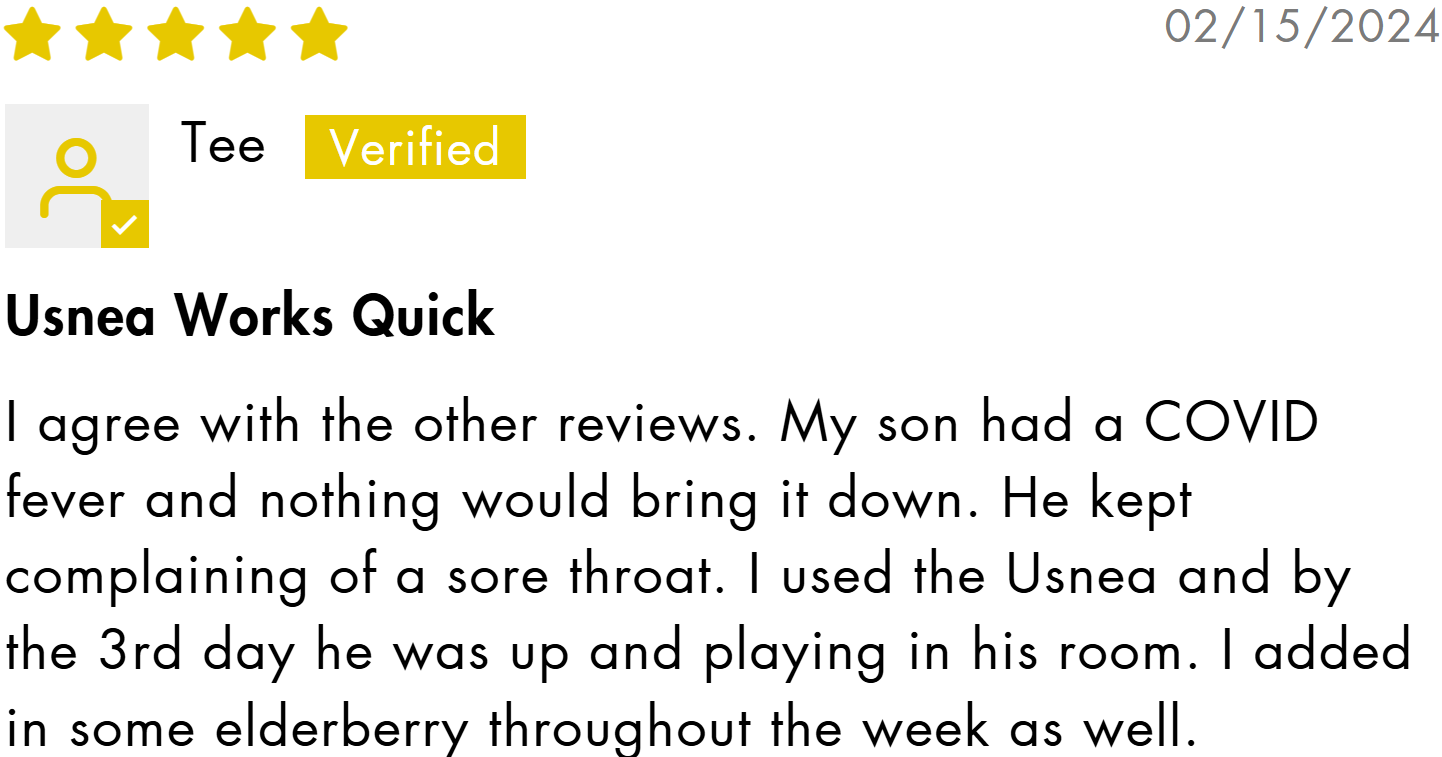 So if you want to use usnea the same way people are already using it, this ready-made spray makes it simple.
Elderberry
If you’ve ever built a winter herbal cabinet, there’s a good chance elderberry made it inside.
People have used elder preparations during cold and flu season for generations, usually as syrups, teas, wines, or extracts.
Unlike many traditional herbs, elderberry also has some human research behind it. Several trials and reviews suggest it may help reduce the duration or severity of certain upper-respiratory symptoms, although we can’t recommend treating it as a replacement for medical care.
And once again, those studies weren’t testing elderberry smoke.
There’s another reason to be careful with elder: raw or improperly prepared elderberries and other parts of the plant can contain compounds that may cause nausea, vomiting, and other symptoms. Proper identification and preparation are important.
I strongly recommend following a real recipe if you want to work with elderberry.
This isn’t the kind of plant you casually throw into a pot and hope for the best.
Raw or improperly prepared elderberries can cause problems, so the preparation matters.
If you want proper guidance, Nicole gives you step-by-step recipes, color pictures, measurements, dosages, and remedies organized by body system so you don’t have to guess from random advice online. The book also includes immune and respiratory shelves with seasonal remedies, syrups, teas, and preparations for the time of year when everyone starts coughing and sniffling.
So if you want to make elderberry preparations at home, I’d follow Nicole’s recipes instead of winging it.
Click here to see the elderberry-style seasonal remedies inside The Forgotten Home Apothecary.
Traditional herbalism has never simply been about grabbing a plant and using it however you want.
Knowing how to prepare it is part of the skill.
Or, if you’d rather skip the whole process and keep things easy, you can get the ready-made Elderberry Tincture here.
Lungwort
Even the name makes lungwort sound as though somebody designed it specifically for your respiratory system.
The story is more interesting than that.
Lungwort became strongly associated with the lungs in European herbal traditions, partly because its spotted leaves reminded people of diseased lung tissue. This idea fits into what became known as the Doctrine of Signatures: the belief that a plant’s appearance could reveal which part of the body it was meant to help.
That history is fascinating. Lungwort has traditionally been used for respiratory complaints.
Hands down, mullein is best known for its traditional use around the lungs and airways.
And lungwort has its own old respiratory history too. Even its name tells you how strongly people once connected this plant with the lungs.
So if you want to work with these herbs, I’d personally choose hot tea or a tincture before ever thinking about smoke.
Grab your mullein, dry it well, make tea with it, and strain it carefully so those tiny leaf hairs don’t irritate your throat.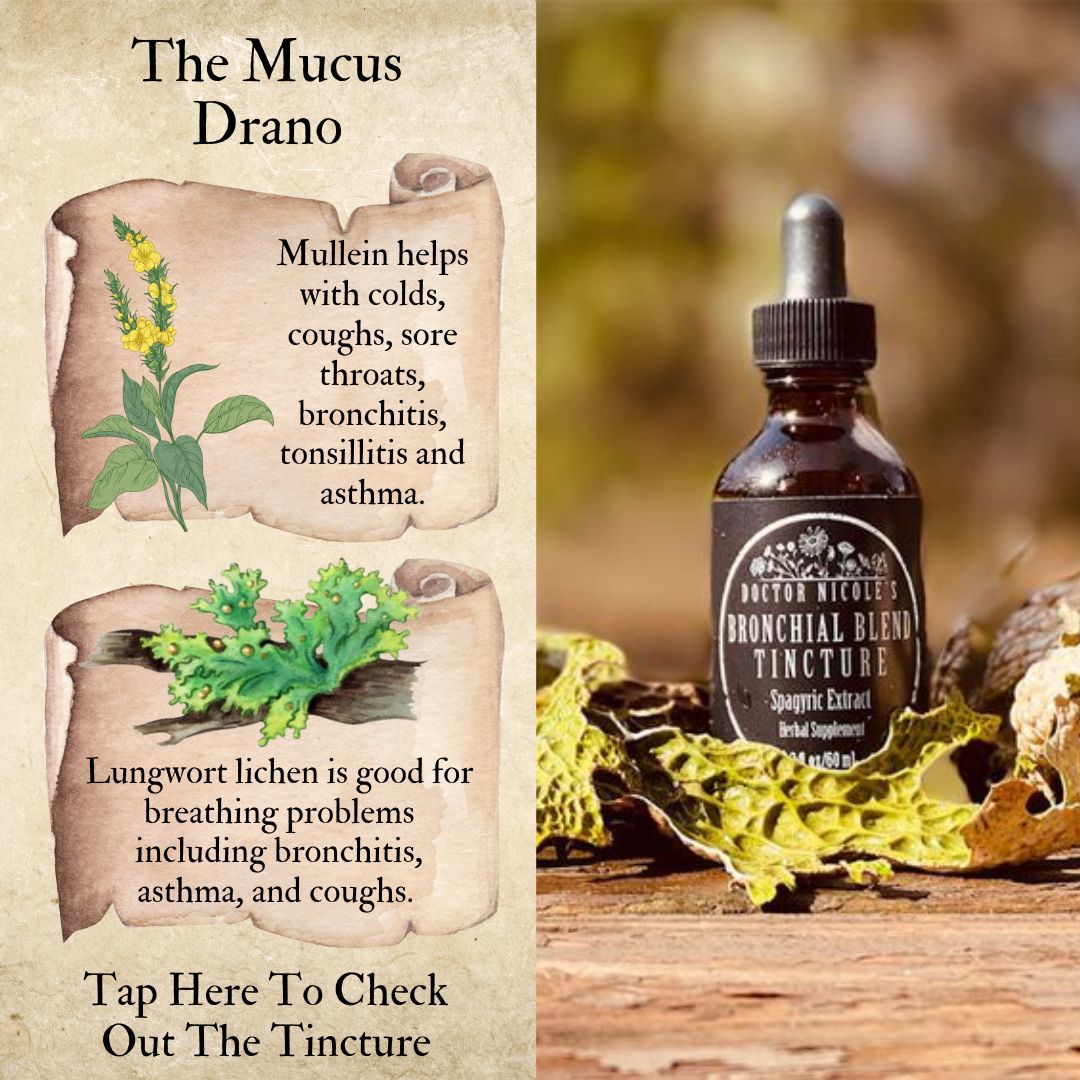
Or make it easier on yourself and use a ready-made tincture that brings mullein and lungwort together in one bottle.
A few drops in warm tea, and you get both old respiratory herbs without drying, straining, or guessing. You can make it yourself, or get it here.
So Why Do Herbalists Use Tinctures?
A tincture is essentially an herbal extract made by soaking plant material in alcohol, or sometimes another solvent, so certain constituents move out of the plant and into the liquid.
You can then take a measured amount without having to burn anything.
That alone solves the biggest problem we’ve been talking about: there’s no combustion involved.
Tinctures are also convenient. A small bottle stores easily, travels well, lasts much longer than a cup of tea, and lets you measure a relatively consistent amount each time.
The useful skill is learning which preparation fits the plant and what you’re trying to do with it.
If you want to learn how to make tinctures yourself, this is where you need a real guide.
Because yes, tinctures are simple in theory.
But you can still make mistakes.
You can use the wrong solvent. You can choose the wrong plant part. You can destroy delicate compounds. You can make something too weak, too strong, or not shelf-stable enough.
You can avoid that by letting Nicole teach you how to make remedies like a real herbalist — tinctures, salves, poultices, syrups, elixirs, extractions, and more. She also teaches plant identification first, because knowing what you’re using matters just as much as knowing how to prepare it.
She looks you in the eyes and teaches you practically, the way your mother or grandmother would have taught you a real life skill.
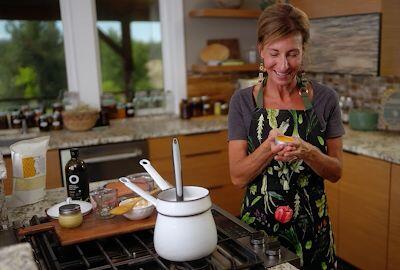
That’s exactly what Nicole Apelian wanted to do with her online academy: bring back the lost remedy skills people used to pass down inside the home.
Click here to watch Nicole’s time-limited free video.
So, Can You Smoke Medicinal Herbs?
Yes, many dried medicinal herbs can physically be smoked, and people have used plant smoke in different cultures for a very long time.
But medicinal does not mean harmless when burned.
The moment you combust a plant, you create substances that weren’t present in the unburned herb, and your lungs have to deal with them.
That’s why I’d rather explore the preparation that makes sense for the herb: a tea, tinctures (for boosted effect), syrup, food, oil, salve, or another non-combustion method.
You still get to work with plants that people have valued for generations.
And maybe that’s the more useful herbal skill to bring back: not simply learning which plants people once used, but understanding how to use them intelligently today.
A Quick Herbalist’s Note: Medicinal plants can interact with medications and health conditions, and the right preparation and dose matter. Pregnancy, breastfeeding, liver or kidney problems, surgery, and prescription medications can all change which herbs are appropriate for you. Don’t stop prescribed treatment simply because you add an herbal remedy, and seek medical care for serious or worsening symptoms.
You may also like:
Wildfire and Smoke Season: Herbal Recipes for Lung Support
Looking for The Perfect Lung Health Tincture That’s Crafted With Organic and/or Wild-Harvested Herbs? (Learn More)
10 Herbs That Kill Viruses and Clear Lungs
Best Herbs for Lungs and Respiratory Support
References
Global burden of bacterial antimicrobial resistance in 2019: https://pmc.ncbi.nlm.nih.gov/articles/PMC8841637/
CDC — About Antimicrobial Resistance: https://www.cdc.gov/antimicrobial-resistance/about/index.html
WHO — Antimicrobial Resistance:
https://www.who.int/news-room/fact-sheets/detail/antimicrobial-resistance
Safety Assessment of Mainstream Smoke of Herbal Cigarette: https://pmc.ncbi.nlm.nih.gov/articles/PMC4395654/
Effects of Lavender on Anxiety — Systematic Review and Meta-Analysis: https://pubmed.ncbi.nlm.nih.gov/31655395/
The Best Route of Administration of Lavender for Anxiety — Systematic Review and Network Meta-Analysis: https://pubmed.ncbi.nlm.nih.gov/32088511/
Elderberry for Prevention and Treatment of Viral Respiratory Illnesses — Systematic Review: https://pubmed.ncbi.nlm.nih.gov/33827515/
Black Elderberry Supplementation and Upper Respiratory Symptoms — Meta-Analysis: https://pubmed.ncbi.nlm.nih.gov/30670267/
CDC — About Antimicrobial Resistance https://www.cdc.gov/antimicrobial-resistance/about/index.html
WHO — Antimicrobial Resistance Fact Sheet https://www.who.int/news-room/fact-sheets/detail/antimicrobial-resistance
Global burden of bacterial antimicrobial resistance in 2019 — The Lancet / PMC https://pmc.ncbi.nlm.nih.gov/articles/PMC8841637/
CDC — Antimicrobial Resistance, Environment and Food https://www.cdc.gov/antimicrobial-resistance/causes/environmental-food.html
CDC — Antimicrobial Resistance and Food Safety https://www.cdc.gov/food-safety/foods/antimicrobial-resistance.html
FDA — Veterinary Oversight / Medically Important Antimicrobials
https://www.fda.gov/animal-veterinary/cvm-updates/fda-announces-transition-over-counter-medically-important-antimicrobials-animals-prescription-status
FTC — Health Products Compliance Guidance https://www.ftc.gov/business-guidance/resources/health-products-compliance-guidance
FTC — Endorsement Guides / Affiliate Disclosures https://www.ftc.gov/business-guidance/resources/ftcs-endorsement-guides-what-people-are-asking
I use a dry herb vaporizer to ‘smoke'(vape, actually) one particular medicinal herb on a daily basis so I’m not sure why you couldn’t do that with others. Anything with essential oils could be used in a dry herb vaporizer. It bakes the material at about 400°.