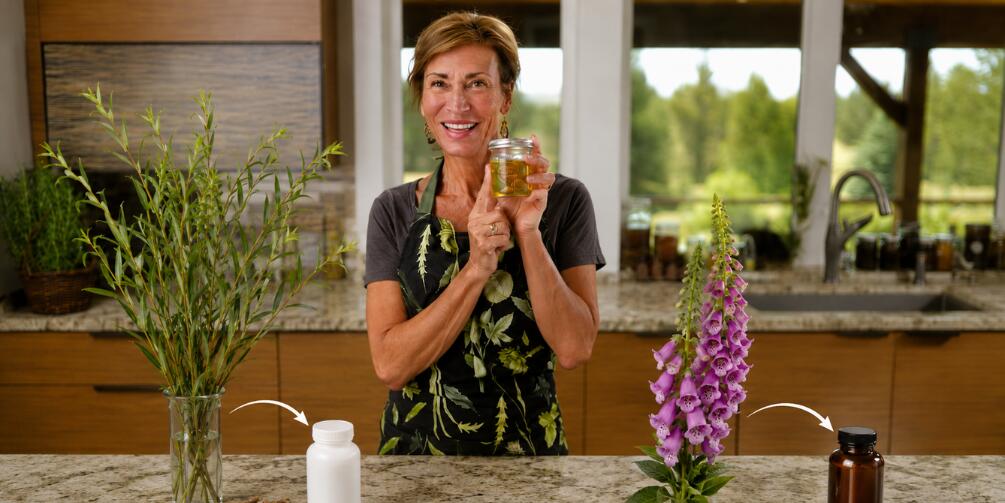
Your body doesn’t care where a plant comes from. It only cares if it actually helps.
So why do people get so passionate about one tradition over the other? Why does it feel like you have to pick a side? There’s a myth that you have to choose: ancient Eastern wisdom or practical Western herbalism. That you’re betraying one if you use the other.
It’s completely wrong.
And once you understand why, you’ll approach your health completely differently.
The American Herb Cupboard
American herbalism feels different because it’s practical. It’s about the everyday problems that show up in regular life. When your stomach turns. When a cold is circling the house. When something small threatens to ruin your day.
Peppermint is a perfect example. You probably have it in your kitchen right now. The research on peppermint is actually solid, especially when it’s in enteric-coated form for irritable bowel symptoms like bloating, gas, and cramping. It works because it’s designed for the exact problem you’re dealing with.
Cranberry is another one. You’ve probably heard about it for urinary tract infections. But here’s what most people don’t understand: it’s not a treatment for an active infection. What it does is lower the risk of recurrent UTIs in some women. That might sound like less than a miracle, but sometimes the biggest win isn’t dramatic healing. It’s keeping a problem from coming back so often.
Then there are the cold-season classics. Echinacea might slightly reduce your chances of catching a cold, though the evidence is mixed and nobody’s proven it shortens how long you’re sick. Elderberry sits in the same lane—promising for upper respiratory symptoms, but not strong enough for miracle claims. Still, people reach for them because they work with how families actually live. You brew something. You sip it. You keep it on the shelf before every sore throat turns into a household drama. That matters.
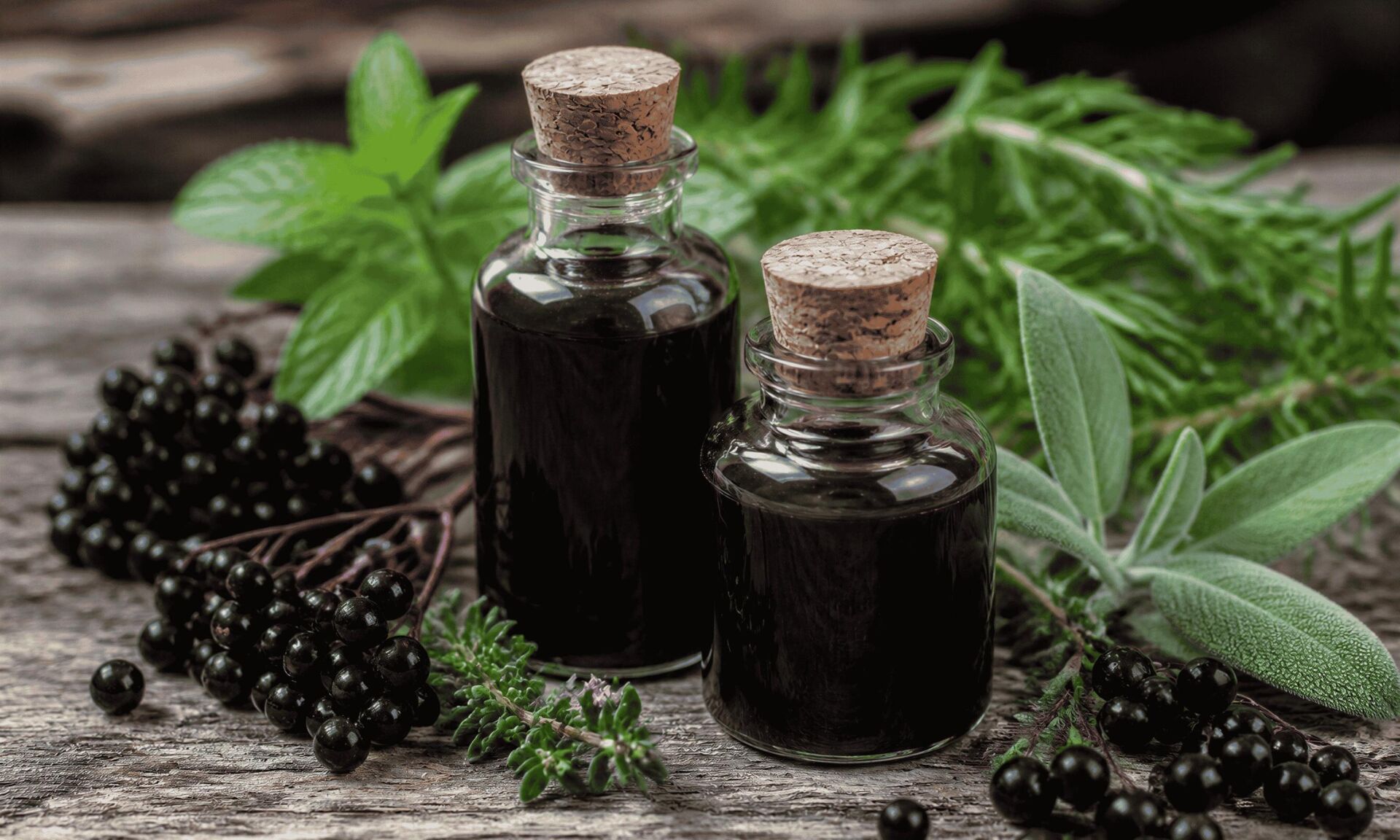
Elderberry has deep roots in American herbal tradition 🌿. Native American communities valued it long before it became popular again, and today it’s still one of the herbs people like to keep close during the cold season.
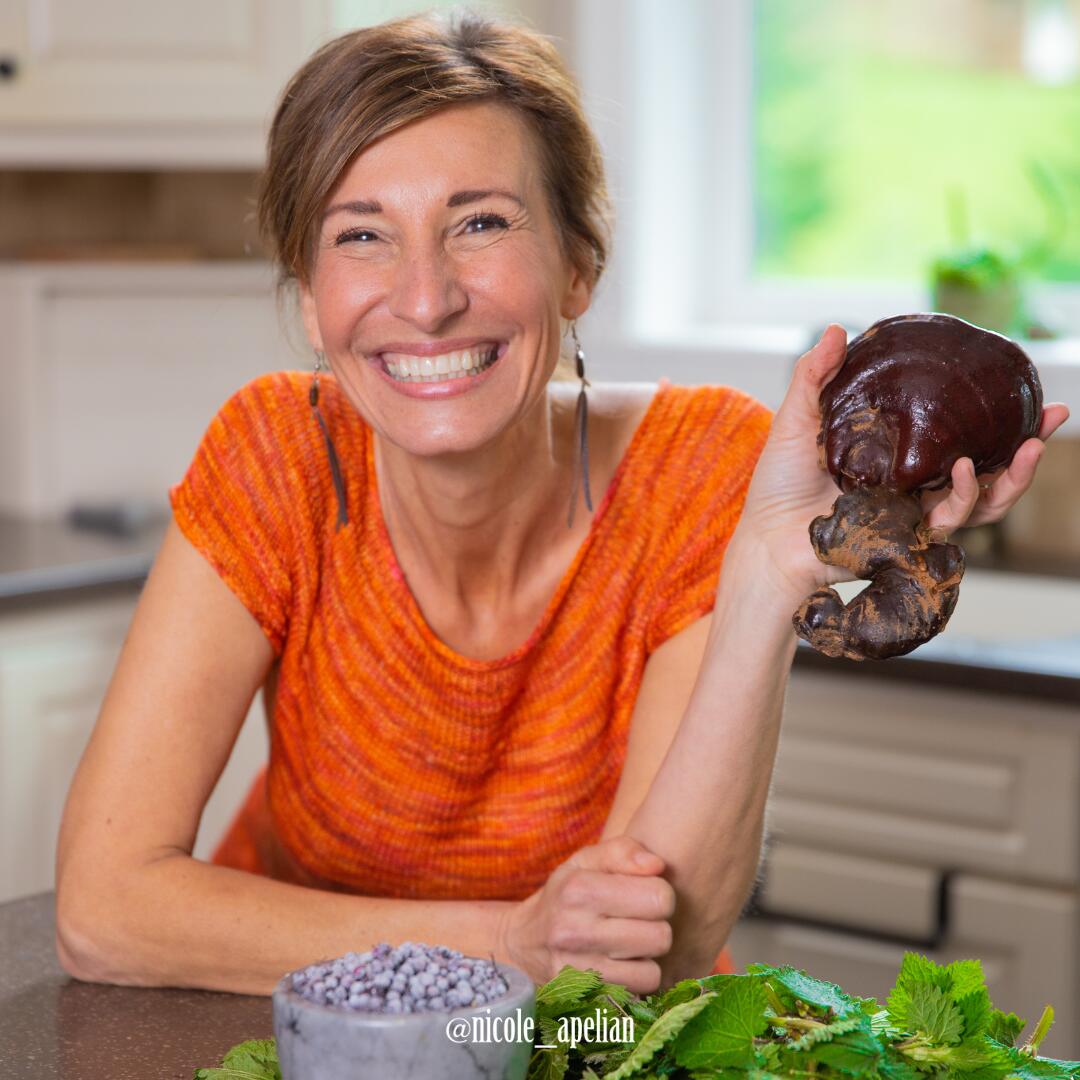
That’s why Nicole Apelian’s organic elderberry tincture makes so much sense. Nicole is one of the most trusted herbalists in the U.S., and she made this for people who want the benefits of elderberry without having to grow, harvest, and prepare it themselves 🫐.
What makes the American Herb Cupboard attractive isn’t that it beats modern medicine at everything. It’s that it offers a middle ground you’re hungry for: support that feels gentle, accessible, and rooted in daily life. Not every discomfort needs a pharmacy run. Sometimes the goal is simply to keep a small problem small.
The Chinese Mushroom Shelf
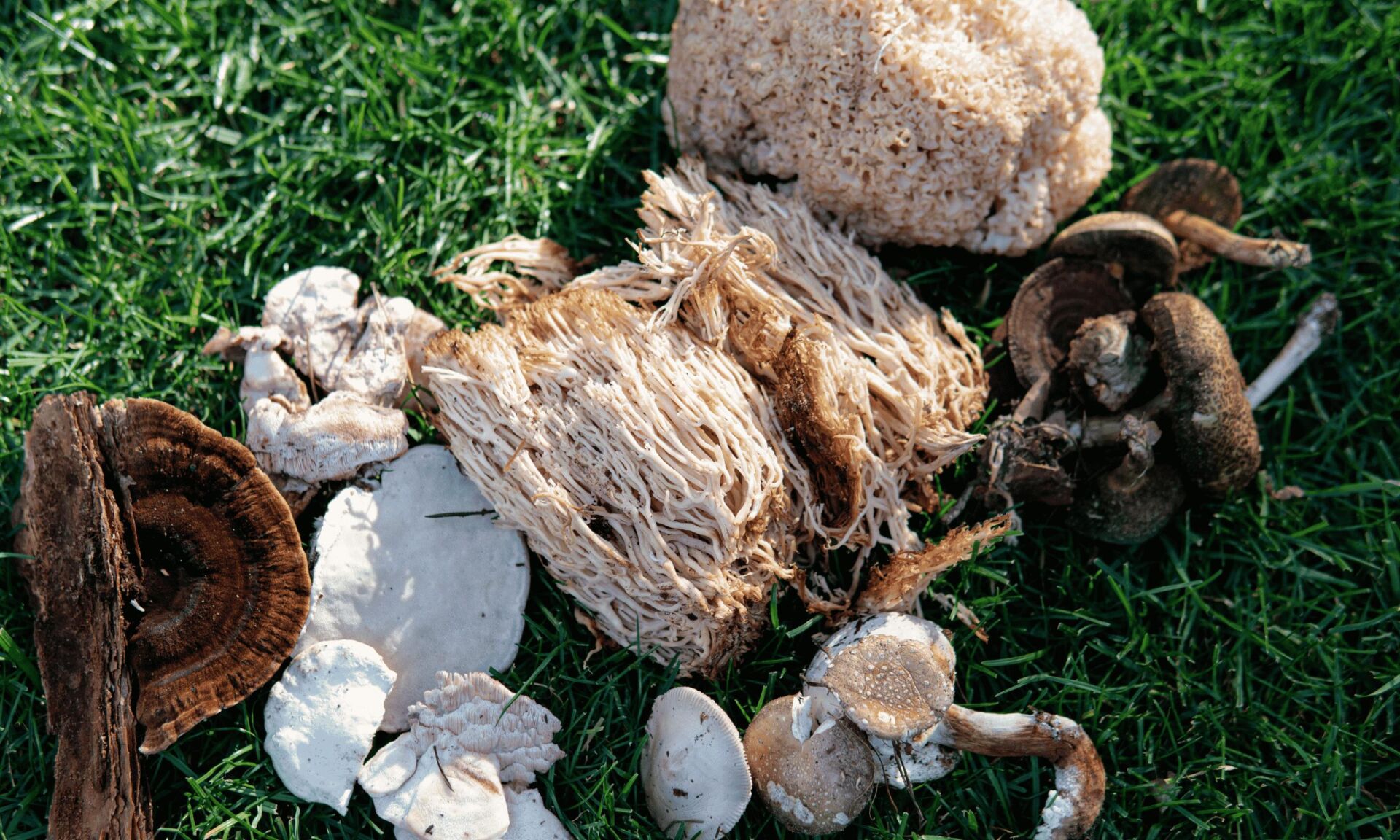
Chinese herbalism feels different because it’s deeper. It’s not asking “What can I take right now?” It’s asking “What helps me become harder to knock down?” That’s where the great Asian medicinal mushrooms come in.
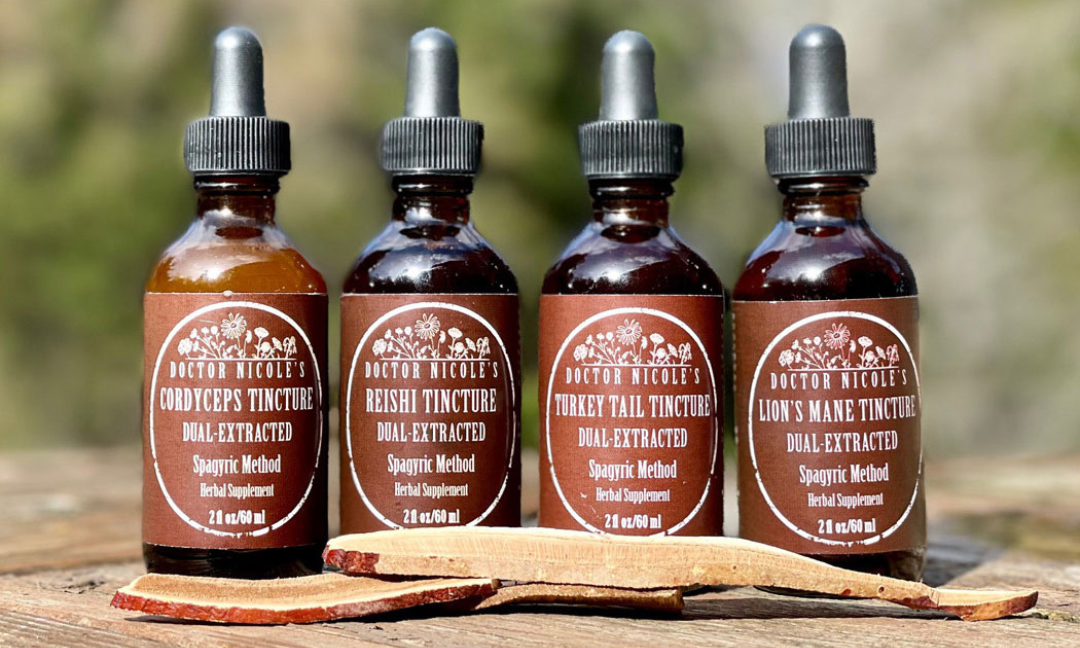
Lion’s mane has become the mushroom everyone’s talking about if they want sharper thinking and better focus. The excitement isn’t imaginary. A small trial in older adults with mild cognitive impairment showed improved cognitive scores after 16 weeks. Newer work in healthy adults has tentatively suggested improvements in focus and reduced stress.
I mentioned coffee earlier, and lion’s mane is actually what helped me when I had to quit coffee for a while ☕.
It didn’t feel like caffeine. No spike, no crash. Just a clearer, steadier kind of focus. After using it for a bit, I finally understood what people mean by mental clarity 🧠.
It’s one of those remedies I keep coming back to because it helps me feel sharper, more present, and more productive during the day.
But here’s the honest part: lion’s mane is still early-stage by mainstream standards. It looks promising, but it’s not a magic bullet for memory overnight. It’s better understood as a long-game option for people who care about their brain staying sharp as they age.
Cordyceps is the mushroom for energy and stamina. Some studies have found improved exercise performance, particularly in older adults. But the findings remain inconsistent overall. Cordyceps is intriguing for vitality, but the evidence isn’t clean enough to make huge promises. It deserves optimism with the brakes still on.
And since we’re talking about coffee, cordyceps belongs here too ☕🍄.
As you age, energy doesn’t bounce back the same way. A bad night’s sleep can follow you for days. Coffee helps for a while, but often it feels like borrowed energy.
Cordyceps is more about steady stamina ⚡. A few drops in coffee, tea, or plain water can make it an easy daily habit — especially on those days when your body asks for a little extra support.
Reishi and turkey tail are different because nobody markets them as quick fixes. Reishi is about steadiness—immune support, fatigue relief, a sense of restoration. Turkey tail has an even more defined history of being used as an immune support alongside conventional care. These mushrooms are most credible when you frame them as supportive allies, not stand-alone cures.
Reishi is known as the “mushroom of immortality” 🍄, and while that doesn’t mean magic, it shows how deeply this mushroom was respected.
It’s not a quick-fix mushroom. It’s more about steadiness, resilience, and long-term support 🌙.
Nicole Apelian speaks about reishi with that same respect. If you don’t want to forage or prepare it yourself, and this reishi tincture is the easiest way to bring this old ally into your routine.
Turkey tail is one of those mushrooms Americans should pay a lot more attention to 🍄.
In Japan, a compound from turkey tail called PSK is used as an approved supportive option alongside standard cancer treatments. Not as a cure. Not as a replacement. But as immune support during serious conventional care.
That tells you something about Turkey Tail.
In that part of the world, turkey tail isn’t some obscure forest mushroom. People know it. Doctors know it. Herbalists know it.
And maybe it’s time we learn more about it here too.
Nicole Apelian has been teaching about turkey tail for years, and she even makes an organic turkey tail tincture for people who want an easy way to bring this mushroom into their home. Click here to get yours!
Because once you understand what turkey tail has been valued for, it’s hard to look at it like “just another mushroom” again.
Then there are the classic roots like astragalus and Asian ginseng. They represent the tonifying side of Chinese herbalism—plants meant to build resilience over time. Astragalus has centuries of use and a strong reputation, but reliable clinical evidence is still limited.
Asian ginseng has more research, with small possible benefits for fatigue and cognition, but the trials are generally small and short. In other words, Eastern herbs often carry a bigger reputation than the current data fully supports.
This is the real beauty of medicinal mushrooms 🍄.
Each one brings something different to the table.
Together, they feel less like “supplements” and more like a small fortress you build around your body.
But buying them one by one from huge companies? That gets expensive fast. Your cabinet fills up, your routine gets messy, and suddenly you’re spending more than you planned.
That’s why this bundle makes so much sense. Made by a known herbalist with a small shop.
You get the mushroom support people look for most, all in one place, without chasing bottle after bottle. Simple, practical, and much easier on your wallet 💚.
So which tradition wins? Here’s the truth: you probably need both.
If you want familiar, accessible support for everyday digestive, cold-season, or urinary concerns, Western favorites like peppermint, cranberry, echinacea, and elderberry make strong sense. They’re designed for the problems you face right now.
If you’re more interested in long-haul resilience, cognitive support, immune balance, or energy, the Chinese shelf offers some of the most interesting mushrooms and roots in the natural health world. They’re designed for becoming harder to knock down.
The bigger lesson isn’t East versus West. It’s discernment versus wishful thinking. Herbs can absolutely earn a place in your life, but the strongest case for them isn’t built on fear of medicine. It’s built on using the right plant, in the right form, for the right job, with the humility to know where herbs stop and proper medical care begins.
That balance is where herbalism becomes both powerful and trustworthy. That’s when you stop picking sides and start actually using what works.
But none of this matters without plant knowledge 🌱.
Because what will you do if one day you can’t rely on pills for every little problem?
What happens when you go to the store and the shelf is empty? When the thing you always bought isn’t there anymore? When you’re left with pain, a cough, a stomach issue, a wound, or a fever… and no clear answer?
That’s when knowledge becomes your real backup.
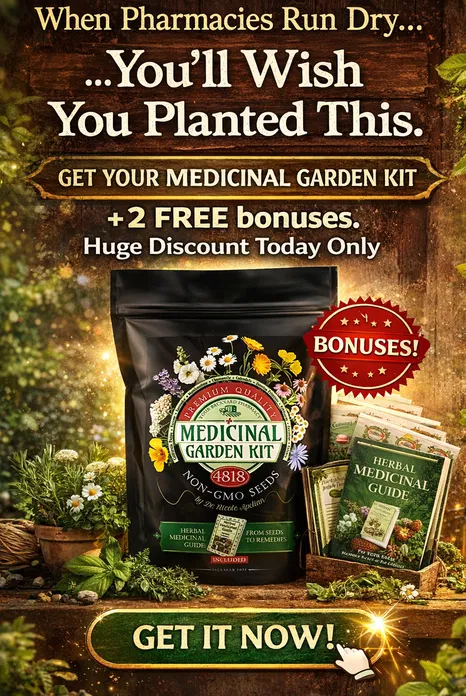
That’s why The Lost Book of Herbal Remedies and The Lost Book of Herbal Remedies II make such a powerful pair. The first book teaches you how to identify and use hundreds of medicinal plants, while the second one adds even more plants, close-up pictures, and step-by-step remedies Nicole Apelian couldn’t fit into the first volume 📖.
Together, they don’t just sit on your shelf.
They give you a home herbal library you can actually open when you need answers.
Important Note: Herbs and supplements can interact with medications. If you’re pregnant, breastfeeding, taking blood thinners, diabetes medicines, or undergoing treatment for serious illness, talk to your doctor before starting any new herbal regimen. When you do choose supplements, look for independent quality testing from groups like USP, NSF, or ConsumerLab. Those seals don’t prove a product works, but they offer assurance that what’s on the label is actually in the bottle.
References: Information drawn from NCCIH research on peppermint, cranberry, echinacea, elderberry, lion’s mane, cordyceps, reishi, turkey tail, and other medicinal herbs and mushrooms; clinical trials on herbal efficacy; and traditional herbal medicine documentation.
We use cookies to ensure that we give you the best experience on our website. If you continue to use this site, we will assume that you are happy with it.
Functional Always active
The technical storage or access is strictly necessary for the legitimate purpose of enabling the use of a specific service explicitly requested by the subscriber or user, or for the sole purpose of carrying out the transmission of a communication over an electronic communications network.
Preferences
The technical storage or access is necessary for the legitimate purpose of storing preferences that are not requested by the subscriber or user.
Statistics
The technical storage or access that is used exclusively for statistical purposes.The technical storage or access that is used exclusively for anonymous statistical purposes. Without a subpoena, voluntary compliance on the part of your Internet Service Provider, or additional records from a third party, information stored or retrieved for this purpose alone cannot usually be used to identify you.
Marketing
The technical storage or access is required to create user profiles to send advertising, or to track the user on a website or across several websites for similar marketing purposes.