There is something deeply satisfying about making your own chai syrup from scratch. Not the kind that comes in a plastic bottle at the grocery store, stripped of complexity and loaded with preservatives, but a real herbal syrup built from whole spices, medicinal roots, and the kind of warmth that settles into your chest on a cold morning.
Chai is not just a flavor. In Ayurvedic tradition, the spices that form the backbone of chai have been used for centuries to support digestion, circulation, and immune function. When you make a syrup from these ingredients rather than just brewing them in a cup of tea, you end up with a concentrated, shelf-stable preparation that can be used in dozens of ways throughout the week.
This guide will walk you through a complete herbal chai syrup recipe, explain what each ingredient actually does in the body, share several ways to use the finished syrup, and cover storage, variations, and a few things to keep in mind before you start.
What Is Chai Syrup?
Chai syrup is a concentrated, sweetened infusion of the spices and herbs that make up traditional masala chai. The base is a strong decoction of whole spices simmered low and slow, which is then strained and combined with a sweetener until it reaches a syrupy consistency.
Unlike brewed chai tea, which you consume immediately and discard, chai syrup stores for weeks in the refrigerator and can be stirred into drinks, drizzled over food, or used as a flavoring agent whenever you need it. A single batch of syrup represents the flavor and medicinal benefit of many cups of chai tea in a form that is ready to use at a moment’s notice.
The spices most commonly used in chai syrup are cinnamon, cardamom, ginger, clove, black pepper, and star anise, though variations are nearly endless. Each of these has a distinct flavor contribution and a well-documented set of herbal properties that make chai far more than a simple warming drink.
The Herbal Properties of Chai Spices
Before you make the syrup, it helps to understand what you are actually working with. These are not just culinary flavors. Each of these spices has been studied and used in traditional medicine with specific therapeutic applications.
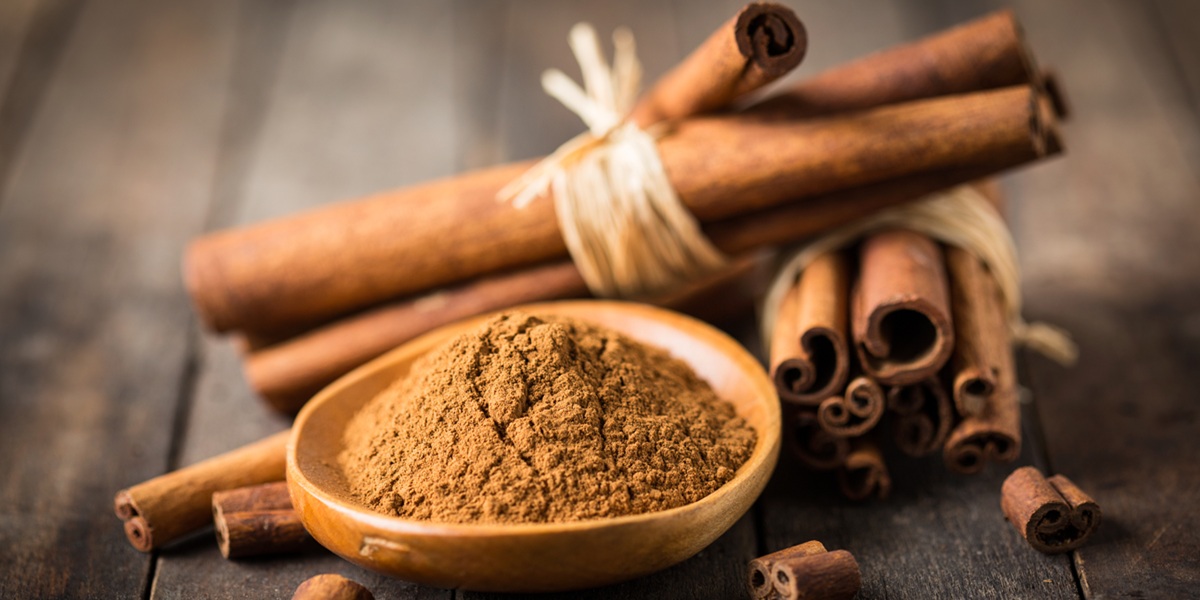
Cinnamon
Cinnamon is one of the most well-researched spices in herbal medicine. It has been studied extensively for its role in supporting healthy blood sugar levels, making it particularly valuable after meals. Cinnamon also has warming, circulatory, and antimicrobial properties. Ceylon cinnamon (true cinnamon) is considered gentler and more suitable for regular use than Cassia cinnamon, which contains higher levels of coumarin.
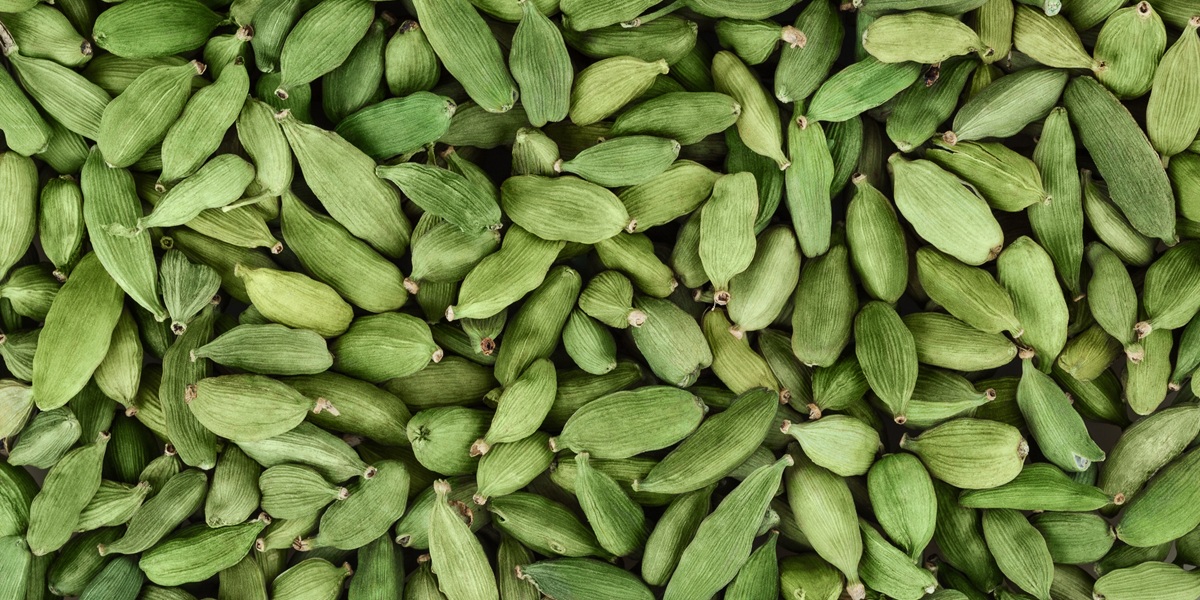
Cardamom
Cardamom is one of the great digestive herbs. It helps relieve bloating, gas, and sluggish digestion, and it has a pleasant cooling quality in the digestive tract even though it contributes warmth to the overall blend. It is also considered an expectorant in Ayurvedic tradition, making it useful during respiratory congestion.
Ginger
Fresh or dried ginger is the circulatory engine of chai. It is warming, stimulating, and deeply anti-inflammatory. Ginger has been shown in clinical research to reduce nausea, support healthy digestion, and decrease markers of systemic inflammation. In a chai syrup, dried ginger provides a sharper, more intense heat than fresh ginger and contributes a more concentrated flavor.
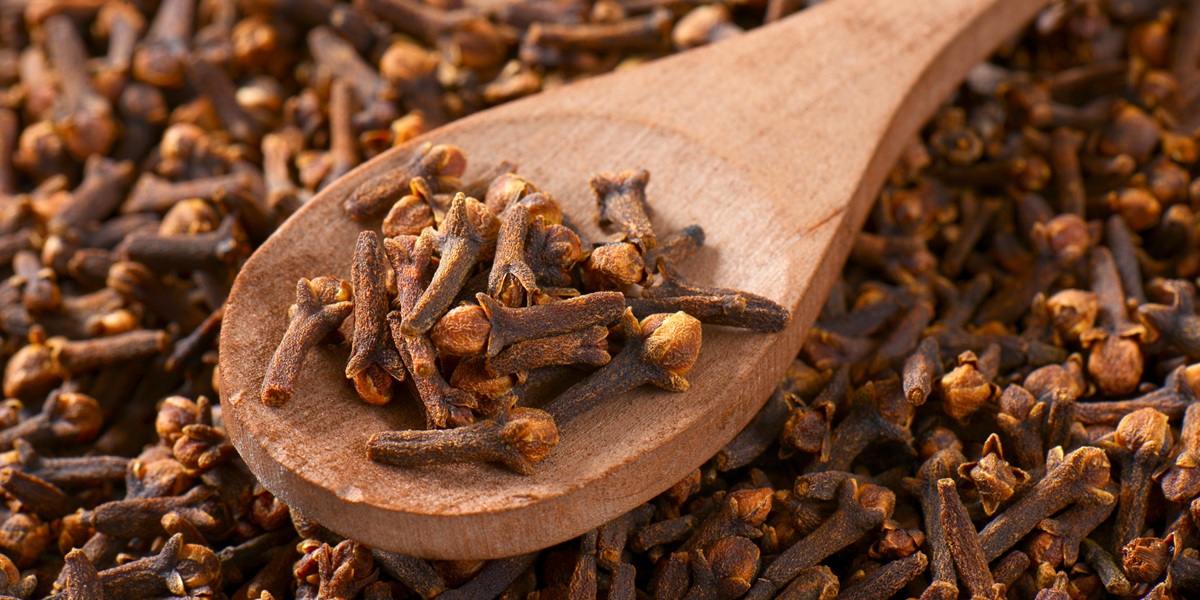
Clove
Cloves are rich in eugenol, a naturally occurring compound with significant antimicrobial and analgesic properties. In chai, clove contributes both medicinal depth and a sharp, almost sweet heat that balances the other spices. Cloves are traditionally used to support dental health, digestion, and respiratory function. Use them sparingly in syrup, as their flavor is potent and can easily overpower the blend.
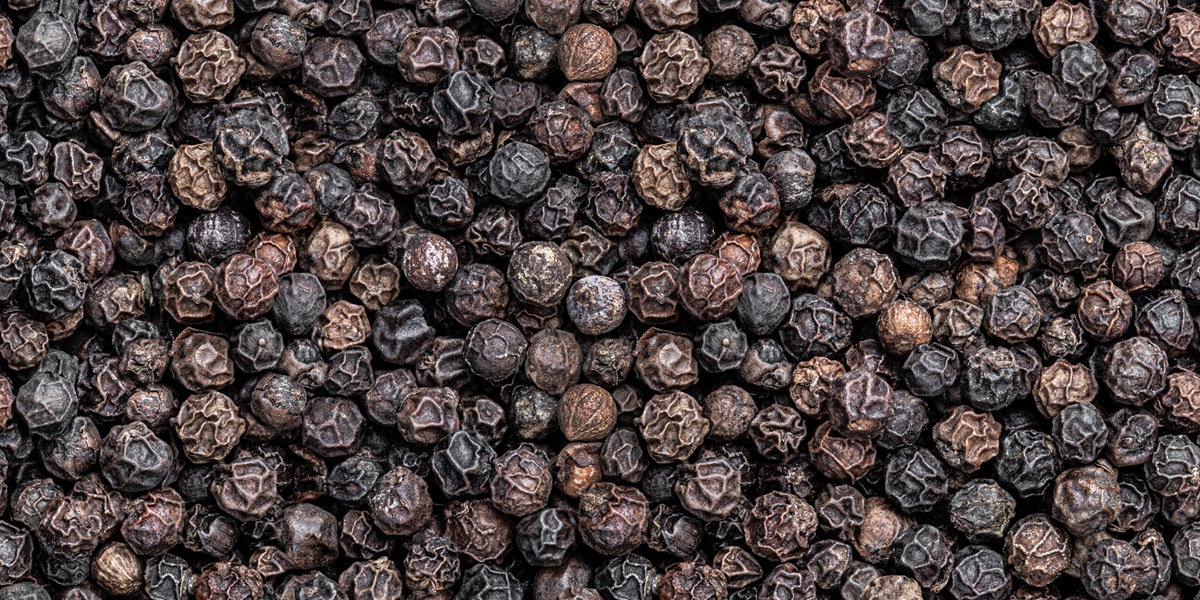
Black Pepper
Black pepper is often overlooked in conversations about herbal medicine, but it is one of the most important synergists in traditional herbal practice. Piperine, the active compound in black pepper, has been shown to dramatically increase the bioavailability of other herbal constituents, including curcumin from turmeric. In chai, black pepper adds a subtle background heat and ensures your body is actually absorbing the benefits of the other spices.
Research published in the National Institutes of Health database via PubMed has documented the antioxidant and anti-inflammatory properties of traditional chai spice combinations, supporting what herbal practitioners have long observed in clinical practice.
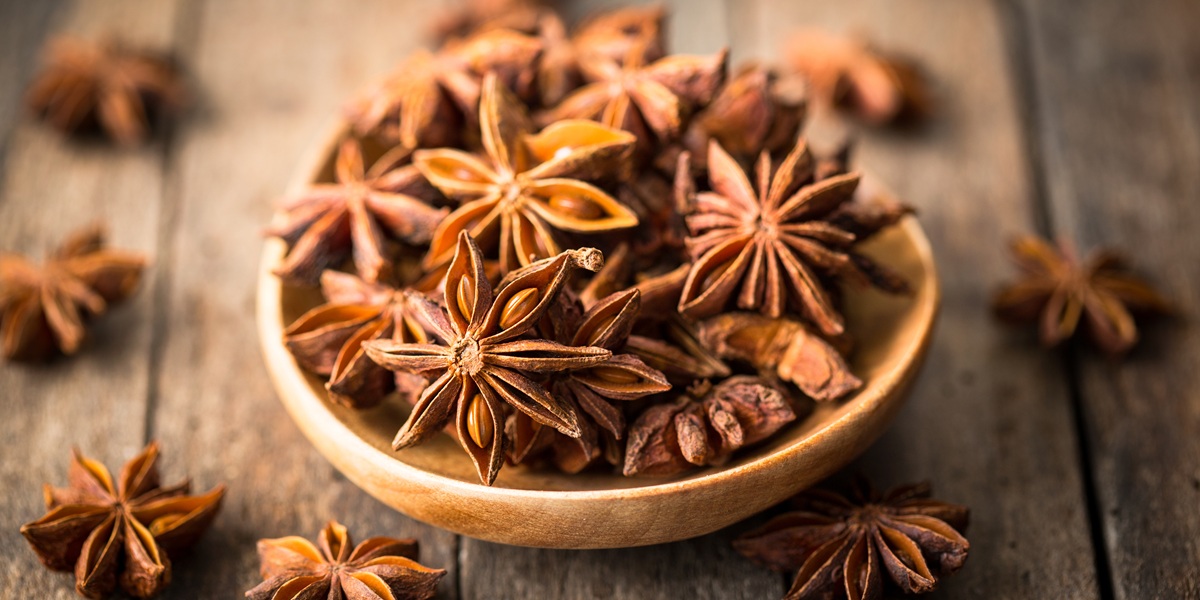
Star Anise
Star anise has a deep licorice-forward flavor that rounds out the sharper edges of ginger and clove. It is traditionally used to support digestion and relieve gas, and it contains anethole, a compound with antiviral and antifungal properties. Like clove, a little goes a long way.
Basic Herbal Chai Syrup Recipe
Ingredients
3 cups filtered water
3 cinnamon sticks (Ceylon preferred)
10 green cardamom pods, lightly crushed
1 tablespoon fresh ginger, sliced, or 1 teaspoon dried ginger
6 whole cloves
1 teaspoon whole black peppercorns, lightly cracked
2 star anise pods
1 cup raw honey, maple syrup, or cane sugar (added after straining)
Optional: 1 vanilla bean, split, or 1 teaspoon vanilla extract
Instructions
Step 1: Prepare the spices.
Lightly crush the cardamom pods and crack the peppercorns using a mortar and pestle or the flat of a knife. This opens them up and allows more surface area to release into the decoction. You do not need to grind them, just break them open.
Step 2: Make the decoction.
Combine the water and all the spices (except vanilla) in a small saucepan. Bring to a boil over medium heat, then reduce to a low simmer. Let the mixture simmer uncovered for 20 to 30 minutes. You want the liquid to reduce by about a third. The result should be a dark, intensely fragrant liquid.
Step 3: Strain.
Remove the pan from the heat and allow it to cool for 10 minutes. Strain through a fine mesh strainer or cheesecloth into a measuring cup. Discard the spent spices.
Step 4: Sweeten.
While the strained liquid is still warm (but not boiling), stir in your sweetener. Use a 1:1 ratio of liquid to sweetener for a standard syrup, or adjust to taste. If using honey, make sure the liquid has cooled below 110 degrees Fahrenheit before adding it to preserve the honey’s beneficial enzymes. Add vanilla extract or the scraped seeds from a vanilla bean at this stage if using.
Step 5: Store.
Pour the finished syrup into a clean glass jar or bottle. Let it cool completely before sealing and refrigerating. Label with the date. The syrup will keep for 3 to 4 weeks in the refrigerator. If you used honey as the sweetener, it may keep slightly longer due to honey’s natural antimicrobial properties.
How to Use Chai Syrup
This is where chai syrup becomes genuinely useful. Once you have a jar in the refrigerator, you will find yourself reaching for it constantly.
In Hot Drinks
Chai latte: Stir 2 tablespoons of chai syrup into 8 ounces of steamed milk or a dairy-free alternative. No brewing required.
Herbal chai tea: Add a tablespoon to a mug of hot water or plain black tea for an instant spiced tea without loose leaf prep.
Golden chai: Combine with warm milk, a pinch of turmeric, and a small amount of black pepper for an anti-inflammatory evening drink.
Coffee chai: Add a tablespoon to your morning coffee before adding cream. The spices complement dark roast beautifully.
In Cold Drinks
Iced chai latte: Shake 2 tablespoons of syrup with cold milk and ice for a quick iced chai.
Chai soda: Mix 2 tablespoons with 8 ounces of sparkling water and a squeeze of lemon for a spiced herbal soda.
Chai cocktail or mocktail: Use as a cocktail modifier with bourbon, rum, or in a non-alcoholic sparkling mocktail.
In Food
Oatmeal and porridge: Drizzle over morning oatmeal in place of maple syrup.
Baked goods: Substitute for plain simple syrup in chai cake, muffins, or quick breads.
Yogurt and overnight oats: Stir a tablespoon into plain yogurt or overnight oats for a warming, spiced flavor.
Glazes and marinades: Brush over roasted root vegetables or use as a glaze for baked chicken or pork.
Variations to Try
Adaptogenic Chai Syrup
Add 1 tablespoon of ashwagandha powder or 2 tablespoons of dried ashwagandha root to the decoction before simmering. Ashwagandha has an earthy, slightly bitter flavor that blends well with the warming spices and adds adaptogenic support for stress resilience and energy. This version works especially well as a pre-workout or afternoon fatigue remedy.
Tulsi Chai Syrup
Add a small handful of dried tulsi (holy basil) leaves to the decoction. Tulsi has a slightly clove-like, peppery flavor that deepens the chai profile while adding its own adaptogenic and immunomodulatory properties. This variation is particularly lovely in the autumn and winter when respiratory support is most needed.
Rose Cardamom Chai Syrup
Reduce the cinnamon to one stick, omit the star anise, and add a quarter cup of dried rose petals to the decoction in the last five minutes of simmering. The result is a more floral, feminine-leaning syrup that works beautifully in lattes, sparkling water, and desserts.
Spicy Ginger Forward Chai Syrup
Double the ginger, increase the black pepper to one and a half teaspoons, and add a small dried cayenne pepper or a pinch of cayenne powder to the decoction. This version runs hot and stimulating and is excellent for cold and flu season, circulation support, or anyone who prefers an intensely warming flavor profile.
Storage and Shelf Life
Chai syrup made with cane sugar or maple syrup will keep for 3 to 4 weeks in a sealed glass jar in the refrigerator. Honey-based versions may last slightly longer. You will know it has turned when the flavor becomes flat or off, or when you see any sign of cloudiness or mold.
For longer storage, you can freeze chai syrup in ice cube trays and transfer the cubes to a freezer bag. Each cube equals roughly 2 tablespoons and can be added directly to a hot drink without thawing. Frozen syrup keeps for up to six months with no quality loss.
Always use a clean spoon when dispensing from the jar. Introducing bacteria from a used utensil is the fastest way to shorten the syrup’s shelf life.
A Few Things to Keep in Mind
Chai syrup is generally very well tolerated, but there are a few considerations worth noting before you start using it regularly.
Blood sugar sensitivity: While the spices in chai have documented blood sugar benefits, the syrup contains concentrated sweetener. Those managing diabetes or insulin resistance should use small amounts and monitor accordingly.
Pregnancy: Large amounts of certain spices, particularly clove and ginger, are best discussed with a midwife or healthcare provider during pregnancy. Small culinary amounts in a single serving of syrup are generally considered safe, but concentrated regular use warrants a conversation with your provider.
Cassia vs Ceylon cinnamon: If you plan to use chai syrup daily, choose Ceylon cinnamon. Cassia cinnamon contains significantly higher levels of coumarin, which can stress the liver in large amounts over time.
Children: The syrup is appropriate for most children, though the spice intensity may be too strong for very young children. Dilute heavily when making drinks for kids or simply brew a gentler version with less pepper and clove.
Turn Everyday Ingredients Into Powerful Herbal Remedies
If making your own chai syrup sparked your interest in herbal medicine, imagine having an entire collection of trusted remedies at your fingertips.
Forgotten Home Apothecary contains hundreds of time-tested herbal recipes designed to help you create tinctures, syrups, salves, teas, oils, poultices, and natural wellness preparations right from your own kitchen.
Inside you’ll discover:
Herbal remedies for common everyday ailments
Step-by-step instructions anyone can follow
Traditional recipes passed down through generations
Medicinal plants and how to use them safely
Natural preparations that can be made with simple ingredients
Detailed guidance for building your own home apothecary
Whether you’re crafting a warming chai syrup, preparing seasonal immune-support blends, or learning the art of herbal self-reliance, Forgotten Home Apothecary provides the knowledge to help you do it with confidence.
The best herbal remedies aren’t found in a pharmacy. They’re often made at home, one jar at a time.
Homemade chai syrup is one of those preparations that rewards you every time you make it. The process of simmering whole spices fills your kitchen with a smell that is impossible to replicate from a bottle. The finished syrup is versatile, medicinal in the best and most practical sense, and genuinely delicious.
Once you have a batch in the refrigerator, chai stops being something you have to brew carefully every morning and becomes something you have instant access to, whether you are making a latte, stirring it into oatmeal, or sipping it with sparkling water on a warm afternoon. It is one of the most practical herbal preparations you can keep on hand, and once you taste the homemade version, the store-bought alternative will seem like a completely different product.
Start with the basic recipe, taste it, adjust the sweetness and spice balance to your preference, and then experiment with the variations as your confidence grows. There is no wrong version of chai syrup, only the one you will reach for again and again.



 Cardamom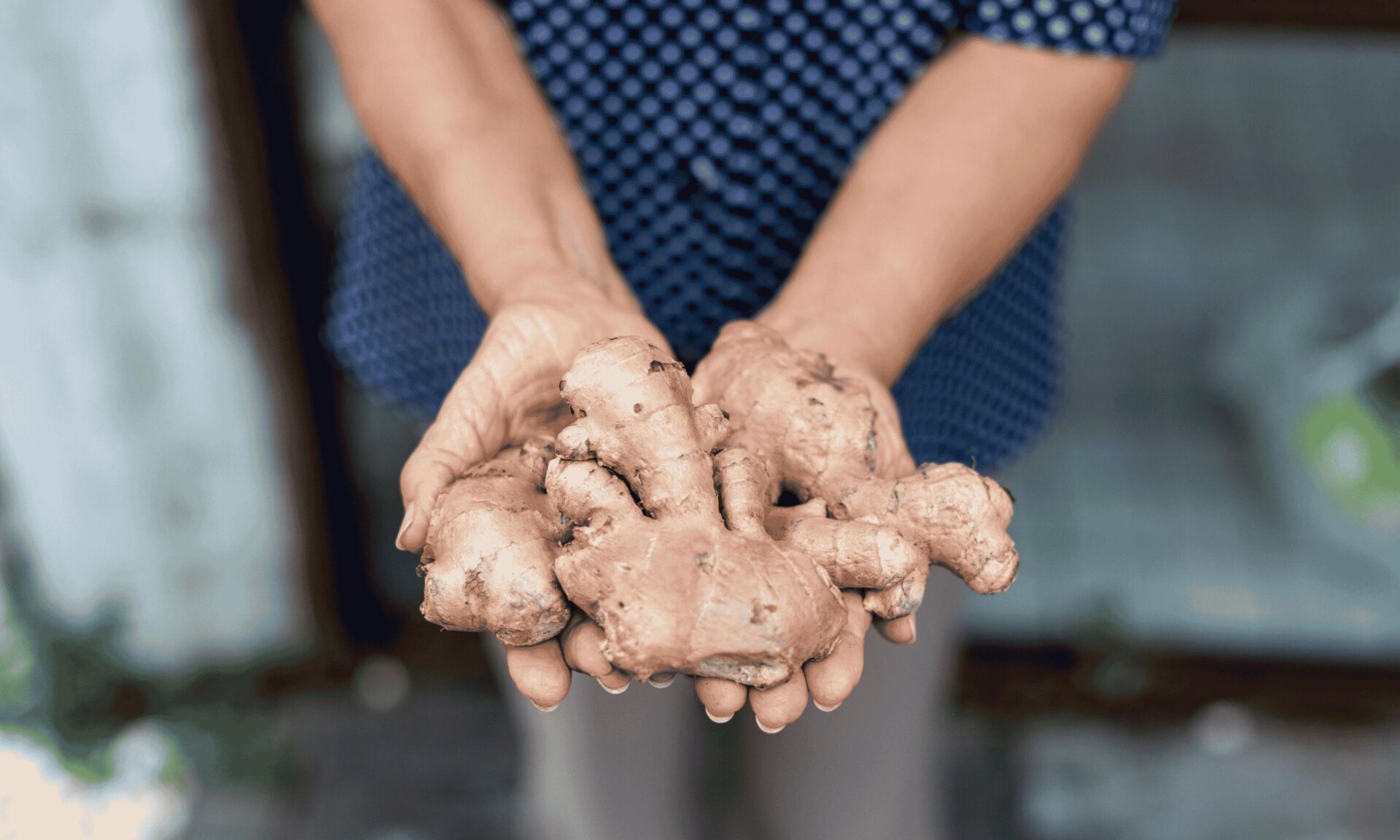
 Ginger