

How To Restore An Aging Digestive Tract
Your digestive tract is aging faster than you think. What once broke down food with ease now struggles.
The meals you enjoyed for decades suddenly leave you bloated, cramping, or running to the bathroom. Dairy turns on you. Acid creeps up your throat at night. Constipation becomes a regular battle.
And beneath it all, the “good” bacteria in your gut, the ones that protect you, quietly die off, leaving your body weaker, more inflamed, and far more vulnerable than it was in your younger years.
This isn’t just discomfort. Left unchecked, these changes pave the way to chronic illness, malnutrition, and a life where every bite feels like a gamble.
But here’s the truth: you don’t have to accept this slow decline. For centuries, people have restored their digestion with simple plants, herbs and spices that modern science now confirms can calm inflammation, heal the gut lining, and bring relief where pills fail.
In this article, you’ll discover the most potent remedies and lifestyle shifts that can help you rebuild your digestive health from the inside out, no matter your age.
Herbal Remedies to Support Digestive Health
When your gut slows down, food lingers, gas builds, and discomfort takes over. But herbs don’t sit idly by, they act. They calm, move, protect, and restore. Science confirms it. Here’s how five powerful plants fight for your digestion:
Chamomile
Chamomile soothes an irritated gut. Its compounds quiet spasms, release gas, and ease IBS symptoms within weeks, scientifically proven. At night, a cup of chamomile tea calms both belly and mind, breaking the cycle of stress that makes digestion worse. If you have a ragweed allergy, use it with caution.
Fresh chamomile hits differently. The oils that calm your gut fade fast in store-bought tea, but you lock in full potency when you grow and pick it yourself.
No yard? A simple pot by your kitchen window is enough. It sprouts quickly, thrives with little care, and turns into the strongest bedtime tea you’ll ever make.
And here’s the real secret: chamomile is only one of ten powerful plants you can grow at home. Each one carries remedies your pharmacy will never stock, yet all it takes is a handful of seeds and a little soil. Once you see how easily chamomile grows, you’ll realize you can build your own medicine cabinet right in your kitchen… and never depend on fragile supply chains again.


Artichoke Leaf
You probably eat the heart of an artichoke. But the leaves hold a forgotten digestive secret.
Traditionally, herbalists used artichoke leaves when food seemed to sit heavily in the stomach, causing bloating, fullness, and uncomfortable indigestion.
Their bitter compounds encourage bile flow, which plays an important role in digesting fats.
You can prepare dried artichoke leaves as a bitter herbal tea before meals or use a standardized extract.
And here’s what makes it interesting: the part most people throw away has a long history as a digestive remedy.
Avoid medicinal artichoke leaf preparations if you have gallstones or bile duct problems without medical guidance.
Gentian Root
What if your digestion needs a bitter wake-up call?
Long before digestive pills became common, herbalists turned to gentian root when appetite disappeared or meals left people feeling heavy and uncomfortable.
Gentian is one of nature’s most intensely bitter herbs. That bitterness stimulates saliva and digestive secretions, which explains its traditional role in supporting appetite and digestion.
You can prepare a small amount as a bitter infusion or use a properly formulated herbal bitter before meals.
But don’t mistake stronger for better. Gentian is extremely bitter, and medicinal preparations aren’t suitable for everyone, especially those with stomach ulcers or significant acid irritation.
Herbal Remedies You May Have in Your Kitchen Right Now:
- Peppermint relaxes the gut muscles. In clinical trials, peppermint oil capsules eased abdominal pain and bloating in IBS patients by stopping spasms in their intestines. Doctors now recommend it for short-term relief. Peppermint tea calms gas and cramping after meals, but if reflux plagues you, peppermint can worsen it.
- Ginger pushes food through your stomach faster. It sparks digestive juices, cuts inflammation, and shields the gut lining from damage. A 2024 review showed just 2 grams a day reduced indigestion and eased IBS discomfort. Sip ginger tea or add it fresh to meals, and you feel lighter instead of heavy and bloated. Take too much, and ginger burns back with heartburn.
- Turmeric attacks gut inflammation at the root. Its compound curcumin eases abdominal pain and lowers IBS symptoms. In one study, two out of three people felt real relief after eight weeks of turmeric extract. Stir it into milk, tea, or food, and it works daily as medicine. Large supplement doses can stress the liver, so keep it moderate.
- Fennel loosens a clenched gut. Its oils relax intestinal muscles, break cramping, and let gas escape. A study combining fennel oil and curcumin cut IBS severity and pain within 30 days. Chew fennel seeds after eating or drink them in tea to stop pressure from building. Pregnant women should get medical advice first.
You already know how peppermint calms spasms, ginger speeds digestion, turmeric fights inflammation, and fennel eases gas. But here’s the roadblock: knowing isn’t enough if you don’t have the exact recipes, doses, and steps.
Imagine opening a resource where every remedy is organized like shelves in a pharmacy. You flip to your problem, see the recipe, follow the photos, and create real medicine with what’s already in your kitchen. No guesswork. No wasted ingredients. Just clear, proven remedies at your fingertips.
This isn’t just helpful — it’s a lifeline when shelves are empty or pills stop working. And this week, when you grab your copy, you’ll also receive the FREE bonus bundle — but only while supplies last.
🔥 Click Here to Get The Forgotten Home Apothecary + Today’s Free Gifts 🔥
Lifestyle Strategies for a Healthy Gut
Supplements and teas can help, but if you ignore your daily habits, your gut keeps breaking down. What you eat, how you move, and even how you breathe decides whether your digestion thrives or fails.
I learned these from this wellness book, which contains information about what you should eat and do every day for many common painful ailments you unfortunately may have.
What I’m sharing below is just scratching the surface, but if you want a full guide to taking care of your health at home, check it out here.
Drink Enough Water
Fiber only works if you hydrate it. Dehydration hardens stools and locks them inside you, a common reason seniors suffer painful constipation. Six to eight cups of water or herbal tea each day keeps things moving. Think of water as oil for the gears of your digestive system: without it, everything grinds to a halt. 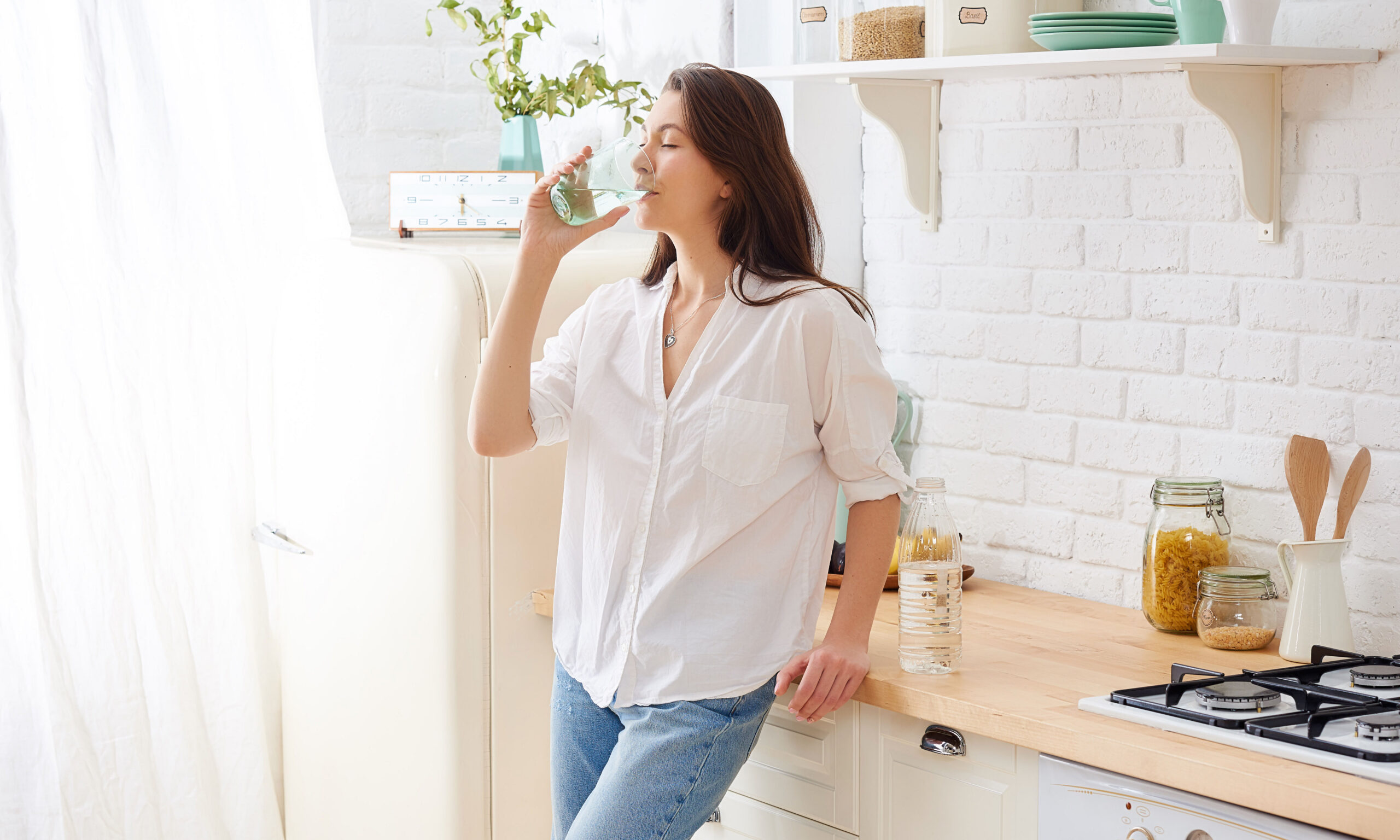
Load Up on Fiber
Fiber scrubs your intestines clean. It sweeps out waste, prevents constipation, and feeds the “good” bacteria that protect your gut. Without it, your bowels slow, toxins build, and your microbiome starves.
A dietitian from Cleveland Clinic warns that older adults who skip fiber suffer more constipation and irregularity. Fruits, vegetables, whole grains, nuts, and seeds should fill your plate every single day. Increase slowly, drink plenty of fluids, and let fiber do its work.
Feed Your Microbiome
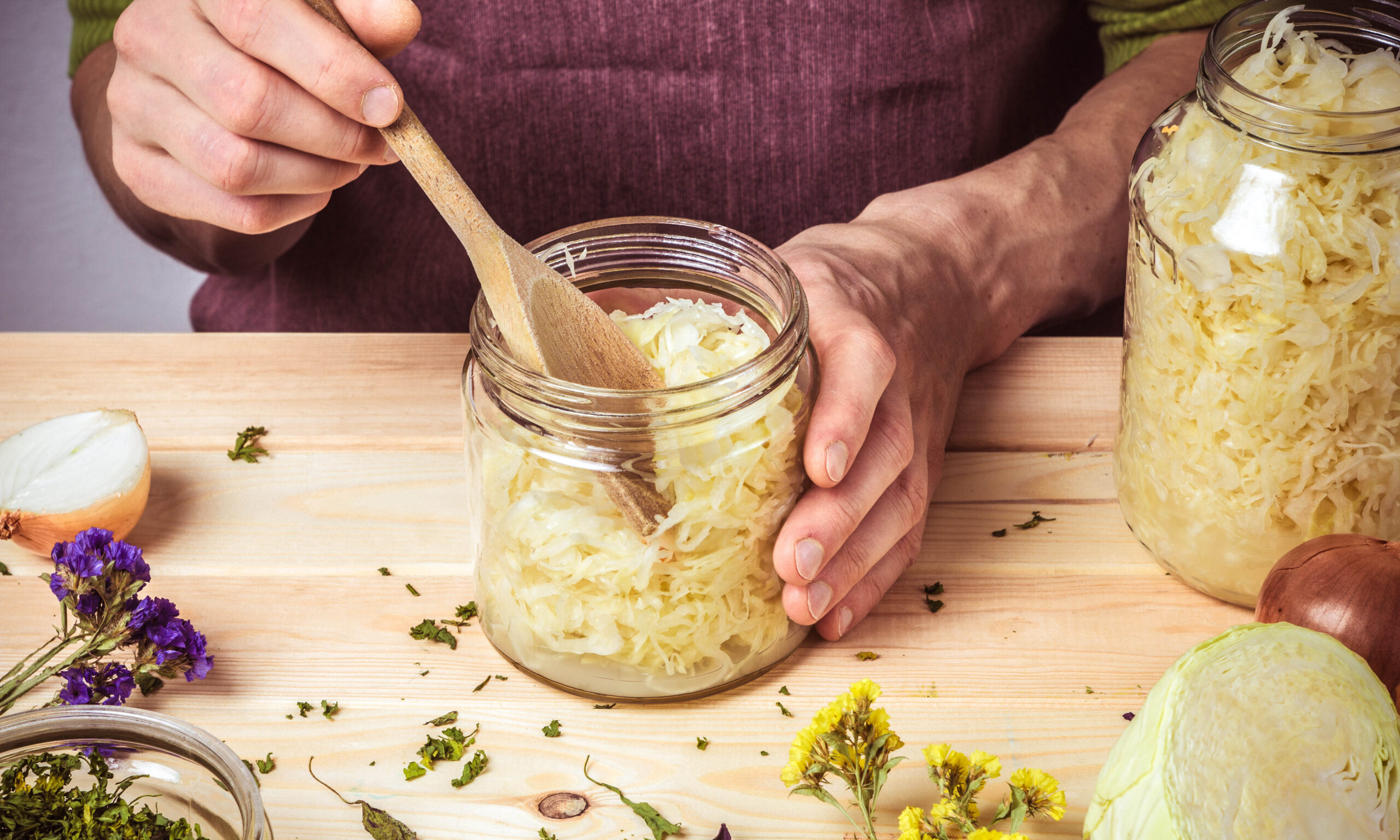
Inside your colon live trillions of bacteria that decide whether your gut inflames or heals. Age shrinks this community, leaving your defenses weak. You can fight back: eat fermented foods like yogurt, kefir, sauerkraut, or take a trusted probiotic.
Research on more than 35 studies shows probiotics can cut IBS symptoms like bloating, gas, and pain, especially when you use blends with multiple strains. Nurture your microbiome, and it nurtures you.
The 2-Ingredient “Gut Fertilizer” That May Outperform Pills
What happens when salt hits cabbage? You unlock a probiotic so powerful it can rebuild your microbiome faster than any capsule on a shelf. Just two ingredients, a jar, and a few days of patience. That’s all it takes to brew the strongest gut-soother you’ll ever try at home.
Inside The Lost Remedies Academy, Dr. Nicole Apelian shows you step by step how to make this and hundreds of other forgotten remedies that keep your gut, brain, and immune system strong. Right now, new members also unlock 4 FREE gifts with enrollment.
⚡ Reveal the 2-Ingredient Recipe for a Stronger Microbiome
Master Stress Before Stress Masters You
Your brain and gut share one nervous system. Anxiety tenses your stomach. Worry speeds or slows your bowels. Stress feeds IBS, reflux, and indigestion. You can flip the switch: deep breathing, meditation, or gentle yoga trigger the parasympathetic “rest and digest” response.
Clinical trials even prove gut-directed hypnotherapy reduces pain and restores normal bowel habits. At the very least, sip chamomile or peppermint tea, eat without rushing, and sleep enough, your gut depends on it.
When you combine these habits — fiber, hydration, movement, probiotics, and stress control, your gut gets a second chance. Herbs calm the fire, food fuels repair, and lifestyle restores the rhythm your digestion once had.
Ignore them, and the decline accelerates. But act now, and you rebuild a gut that serves you for years to come.

Move Every Day
Exercise jolts your intestines awake. Walking, gardening, yoga, even gentle stretching, pushes food waste forward and prevents that heavy, stuck feeling. Studies show seniors who stay active slash their risk of chronic constipation. Movement tones your core, strengthens pelvic muscles, and protects against straining and incontinence. Skip exercise, and your digestion pays the price.
It wasn’t easy for me to start moving again. Every stretch felt like my joints were made of rusted hinges, and even a short walk reminded me of my age. What finally changed things wasn’t willpower, it was warmth. I found a salve that eased the stiffness and heated up my joints enough to let me move freely again. That little boost was all it took to get me going… and to stop feeling “old” every time I tried to exercise.
So if you’ve been waiting for a sign to start moving again… this is it.
I left this for the end because I know how hard it is to build an exercise habit when achy knees, stiff joints, or sore muscles are already giving you a reason not to move.
I know from personal experience.
And sometimes, what helps most is simply making those first few steps feel a little easier.
That’s why I like Nicole Apelian’s Joint & Movement New Stick.
It’s one of the newest additions to her apothecary, and right now she’s keeping it very affordable so more people can actually try it.
And once you look at the ingredients, you understand why I think it’s such a good value:
Plus, the herbs are either wild-harvested or organically grown.
If stiff, uncomfortable joints are what keep stopping you from moving more, check the ingredients here and see why this little stick is worth keeping around.
Your Gut Won’t Wait Forever
Your digestion, energy, movement, and quality of life are all connected.
You don’t need to change everything today.
But you do need to start doing something.
Take care of your body now, while you can still enjoy everything you’re trying to protect it for.
Thank you for your publication