
What Is Quercetin? Benefits, Dosage, and Side Effects
Quercetin is a naturally-occurring yellow pigment, and is found in a range of fruits and vegetables. It belongs to the flavonoid family, a group of plant compounds that plants produce as part of their own defense systems against UV radiation, pathogens, and environmental stress.
Free Radicals Explained
To understand how quercetin works, you need to understand free radicals. These are unstable molecules produced naturally inside the body during everyday metabolic activity. In small amounts they are useful, helping the immune system attack pathogens and regulate inflammation. The problem is accumulation.
When free radicals build up through chronic stress, poor diet, aging, or environmental toxin exposure, they begin damaging cell membranes, proteins, and DNA. They can even activate genes that sustain a low-grade inflammatory response with no active threat to respond to. This chronic inflammation is now recognized as a driver of heart disease, type 2 diabetes, rheumatoid arthritis, and certain cancers. Antioxidants like quercetin interrupt this process by binding to free radicals or neutralizing them before damage occurs.

A Plant Compound with a Long History
Long before quercetin had a name, the plants that contain it had established roles in traditional medicine. Elderberries, among the richest dietary sources, have been used by European herbalists for at least a thousand years for fever, respiratory infections, and immune support. The quercetin content of the berries is now understood to be one of the compounds behind the documented antiviral and anti-inflammatory activity that herbalists observed for centuries.
Red onions appear in Egyptian medical papyri dating back more than three thousand years, prescribed for infections and digestive complaints. Capers, which contain the highest concentration of quercetin of any commonly eaten food, were a fixture of ancient Greek and Roman medicine for liver and kidney complaints. Fennel, dill, and coriander, all meaningful quercetin sources, have long roles in both European and Ayurvedic herbalism as digestive and anti-inflammatory herbs.
The modern science of flavonoids has not overturned this traditional knowledge. It has largely explained it.
Benefits of Quercetin
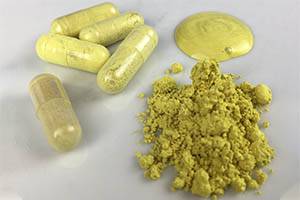 There has been a significant amount of scientific research on the effects of quercetin on inflammatory and chronic disease processes.
A substantial body of research has investigated quercetin’s effects on inflammation and chronic disease, ranging from cell studies to human clinical trials, and the findings across that spectrum are consistent.
That said, the laboratory results about the molecular effects of quercetin are convincing, and there are some studies correlating quercetin-rich diets with health benefits in people.
Chronic Disease

Multiple studies have found that daily quercetin supplementation reduces circulating markers of inflammation including C-reactive protein and interleukin-6, both associated with systemic chronic inflammation. In people living with rheumatoid arthritis, quercetin has been associated with meaningful improvements in symptom scores in clinical research. For a current index of published studies, see the quercetin research database here.
Cancer
Laboratory research has shown quercetin suppresses tumor growth signals, promotes apoptosis in cancer cells, and inhibits cancer cell migration across several cancer types. Epidemiological data has found a correlation between high quercetin intake and reduced risk of pancreatic cancer specifically. Human clinical trials are ongoing and this remains an active research area rather than an established therapy.
Allergies
Quercetin has been shown in laboratory and animal research to inhibit histamine release from mast cells, the immune cells responsible for allergy symptoms. The mechanistic evidence is well established, and many integrative practitioners recommend quercetin-rich foods for clients managing seasonal allergies, though large-scale human trials in this specific area remain limited.
Degenerative Brain Disorders
Diets high in quercetin have been linked to reduced likelihood of degenerative brain conditions, such as dementia and Alzheimer’s disease, and can even reverse the symptoms in some cases.
High Blood Pressure
Quercetin promotes vasodilation by acting directly on blood vessel walls, independently of its antioxidant activity. A meta-analysis of randomized controlled trials found that quercetin supplementation produced an average reduction of around 3 mmHg in systolic blood pressure, a modest effect that becomes significant at a population level. The benefit appears most pronounced in people with hypertension.
Dietary Sources of Quercetin
Among commonly eaten foods, raw capers contain the highest concentration of quercetin of any widely available food, at around 234 milligrams per 100 grams. They are followed by elderberries and elderberry juice concentrate, both of which are excellent sources and accessible to home growers in temperate climates. For a full breakdown by food, the USDA FoodData Central database here is the most comprehensive reference available.
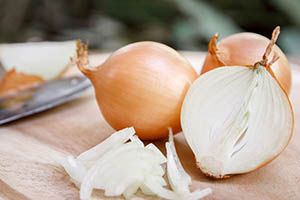
In the vegetable category, red onions are among the most practical everyday sources. Rocket, fennel leaves, radicchio, kale, and watercress are all meaningful contributors, as are hot yellow peppers and okra. Buckwheat is a useful option for those looking at grain-based sources.
Quercetin is concentrated in the outer layers and skins of fruits and vegetables. Apples, cherries, grapes, plums, cranberries, and goji berries all contribute, and eating them with the skin on delivers more quercetin than peeled versions. Organic and home-grown produce tends to test higher than commercially grown equivalents, likely because quercetin is produced by the plant partly in response to UV exposure and pest stress, conditions that conventional chemical inputs reduce.
Kitchen herbs are underappreciated quercetin sources. Dill, oregano, tarragon, chives, coriander, bay leaves, and juniper berries all contain quercetin in meaningful amounts relative to their typical serving sizes. If you maintain an herb garden, you are already growing some of the most quercetin-dense food available. Green and black tea contribute lower levels but add up for daily drinkers.
Getting the Most Quercetin From Your Food
How you prepare high-quercetin foods has a real effect on how much actually reaches your bloodstream. Quercetin is relatively heat-stable, so light cooking does not destroy it the way heat degrades vitamin C. In fact, cooking can improve quercetin availability by breaking down cell walls and releasing the compound from plant tissue. Baked and pan-fried onions deliver higher available quercetin per gram than raw onions for this reason.
Boiling is the exception. When onions or other quercetin-rich vegetables are boiled in water, quercetin leaches into the cooking liquid, reducing what remains in the vegetable by around 30 percent. If you are boiling these foods, use the cooking water in soups or stocks rather than discarding it.
Quercetin is also better absorbed alongside vitamin C and other flavonoids than it is in isolation. A meal that combines red onions, dark leafy greens, and a citrus-based dressing is providing quercetin alongside the compounds that help your body actually absorb it. Eating a variety of colorful plants together is consistently more effective than trying to maximize any single compound.
Dosage
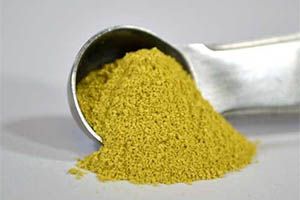
Estimates of daily quercetin intake from a typical diet range from 25 to 50 milligrams, though people who regularly eat onions, berries, leafy greens, and fresh herbs can reach 100 milligrams or more without any supplementation.
Quercetin supplements are typically sold in 500 milligram doses, taken once or twice daily. Most clinical research demonstrating measurable effects has used doses in the 500 to 1,000 milligram range. The National Institutes of Health Office of Dietary Supplements maintains an overview of quercetin research for everyone here.
One important consideration with supplements is bioavailability. Isolated quercetin is poorly absorbed on its own. Absorption improves when it is taken alongside vitamin C and other flavonoids, which is another reason food sources tend to outperform isolated supplements. Some commercial formulations include vitamin C for this reason. Taking any quercetin supplement with a meal that includes citrus or other colorful plant foods is a practical way to improve absorption without switching to a more expensive product.
Side Effects
Quercetin is generally thought to be safe to consume up to fairly high levels, particularly in dietary form. Supplemental doses of over 1000mg per day have sometimes been associated with mild headaches and stomach aches, and very high doses delivered by intravenous injection have been associated with kidney failure.
Quercetin supplements have not been evaluated for use by pregnant or breastfeeding women.
Quercetin inhibits cytochrome P450 enzymes in the liver that are responsible for metabolizing a wide range of medications. This means it can alter how quickly certain drugs are broken down, potentially increasing or decreasing their effective concentration in the body. Antibiotics, blood thinners, and other medications processed by the liver may be affected. If you take any regular medication, speak to your doctor before starting quercetin supplements.
You may also like:
 How I Make My Own Cough Mixture
Erratic Blood Sugar? Never Eat This Veggie (Video)
Best Natural First Aid: Stops Bleeding In 10 Seconds!
Just Like Doxycycline: The Antibiotic That Grows in Your Backyard
can you buy quercetin anywhere in pill form
After reading this article, I have just found out what quercetin is. I have been taking a supplement called Breathe from EU Natural, it contains quercetin and nettle leaves. It works great for allergies and sinus problems.
Thank you for this informative article on Quercetin. I’m so grateful for the wealth of information you share on a plethora of subjects surrounding health, healing, nutrition, herbals (and the list goes on!). I’ve been an ardent user of Black Current Juice for many years; but, am now considering changing over to Elderberry Juice.. Thanks fot the table listing the higher sources of Quercetin in foods.
Hi Phyllis,
Thank you so much for your comment.
We truly appreciate your feedback!
God bless!
Apparently Dandelions have quite a bit of Quercetin based on this article.
https://clinicalherbalism.com/dandelion-and-its-constituents/
Hi Tony,
Thank you so much for your comment.
Yes, dandelion has been used for diuretic, choleretic, anti-inflammatory, anti-oxidative, anti-carcinogenic, analgesic, anti-hyperglycemic, anti-coagulatory and prebiotic effects and indeed contain quercetin!
God bless!
Hi Ladder,
Thank you so much for your comment and for your feedback as well.
Please let me know if you have any question regarding this article.
God bless!
[…] What Is Quercetin? Benefits, Dosage, and Side Effects […]
For plants containing Quercetin you mention using raw dock. Which dock? Yellowdock? Burdock? What? Thank you.
WARNING: Those who have cancer might mistakenly high-dose quercetin. Blood in the urine from kidney damage may become evident. Low dose CONSISTENTLY (every day), some have suggested 10mg /kg of body weight. Research quercetin at NIH.gov . Even though FDA will not approve any neutriceuticals to treat illness, FDA has given Big Pharma approval, holding them harmless without legal action, to put quercetin in chemo therapy drug concoctions. $how me the money?
Hi , I have high inflammatory markers . Some diagnosed me with RA , some say it was limes from going for walks in the woods during Covid . I’m on Plaquinol and a limes antibiotic and a very low dose of pregnezone . I fought all of it . . Frankly, I don’t think I have either . I lost my job , business and house up north and moved due to Covid . I think it’s situational . I lost 25 lbs , my bloodwork is good and I feel good . My diet is stellar . I wander If taking quercetin would help my inflammatory markers. I want to give the meds the boot . I already get quercetin with my diet . Thank you for all of your advice .