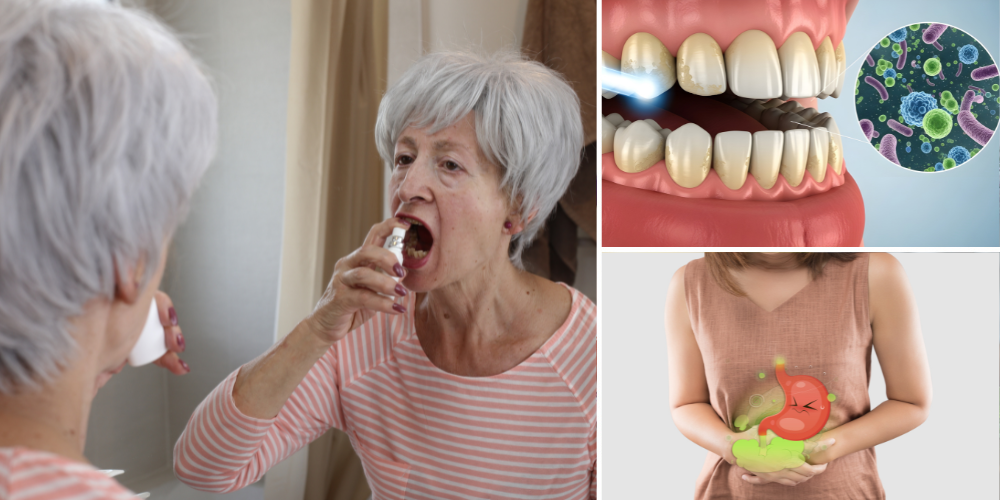
What Bad Breath Says About Your Body
Have you ever told someone to go brush their teeth because their breath stinks? Or maybe you heard the rumour that ‘someone’ has bad breath because she doesn’t brush her teeth.
Unfortunately, getting rid of stinky breath isn’t always as easy as brushing your teeth, and that person with the stinky breath might have cleaner teeth than you.
That’s because your teeth aren’t always the source of the smell (unless you seriously don’t brush or floss, the food caught in between will rot, break down, and stench will occur).
The source of bad breath, also known as Halitosis, is the process of sulfur-containing amino acids being broken down by the anaerobic bacteria in your mouth.
This process creates gases known as Volatile Sulfur Compounds (VSCs), like hydrogen sulfide which smells like rotting eggs and methyl mercaptan that smells like decay or cabbage.
The more sulfur-containing amino acids breaking down, the more rotten egg and decay smell there is.
Okay… so what causes an overgrowth of sulfur-containing amino acids?
Sulfur-containing Amino Acids
Sulfur-containing amino acids occur naturally in the body and the whole breaking down process, along with the stinky VSCs, are all natural. This process, however, doesn’t naturally make people take a step back or make a face when you talk; that’s a different story.
The story is, there’s a high count of sulfur-containing amino acids, or too many/not enough anaerobic bacteria to break them down. Let’s start with the high count of sulfur-containing amino acids.
Naturally occurring sulfur-containing amino acids, including cysteine and methionine, are in saliva and oral tissues. When food is broken down in the body, it provides the body’s salivary glands proteins and peptides, some of which include sulfur-containing amino acids.
The glands then produce saliva that naturally incorporates cysteine and methionine. The proteins released in the mouth by the food as your chewing also adds sulfur-containing amino acids to the saliva.
The body’s cells use cysteine and methionine to build proteins needed for tissue repair. Oral tissue cells contain these sulfur-containing amino acids and as the dead cells are removed as we chew, they too mix with saliva.
High protein diets, or dietary supplements, increase these amino acids. Medical conditions such as gastrointestinal issues also increase the amount of these amino acids in your mouth due to reflux bringing stomach contents up.
Sinus infections and yeast infections (oral thrush) can increase the count due to the protein rich mucous. Mouth conditions that create excessive cellular turnover, like gingivitis or ulcers.
If you’re dealing with receding gums or just want to make sure bacteria isn’t hiding in places your toothbrush can’t reach, there’s an herbal mouthwash recipe that actually strengthens gums while pulling out harmful bacteria and toxins.
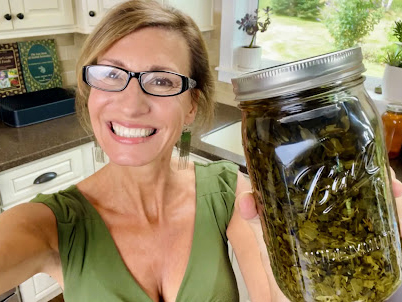 It’s not your typical store-bought mouthwash that just masks the problem. This one uses a rare mix of compounds that clean your teeth and tighten your gums. Use it once before breakfast and once before bed, swish for about a minute, and you’re covered.
The video guide walks you through making it step by step so you know you’re doing it right.
Click here to see how to make the receding gums mouthwash.
Now, when it comes to anaerobic bacteria, having too much or too little can cause bad breath. Here’s what I mean, xerostomia, aka dry mouth, is a health condition where you don’t produce enough saliva, leading to a consistently, maybe chronically, dry mouth. Since saliva is the main source of the anaerobic bacteria in your mouth, this causes a build up of sulfur compounds.
On the other hand, having a high amount of anaerobic bacteria increases the rate and amount of sulfur-containing amino acid breakdown, thus increasing the amount of VSCs, creating stinkier breath. An overgrowth can be caused by antibiotic use, immune suppression, and changes in oral pH.
Some things that contribute to both a high count of sulfur-containing amino acids, and too many/not enough anaerobic bacteria are tooth infections or decay, gum disease, and cavities.
Does Bad Breath Mean Bad Health?
Not necessarily, if it doesn’t mean bad health or hygiene, it might just be an imbalance or an improper diet. Luckily there are many tests available that actually evaluate bad breath and the bacteria in the mouth, leading to further diagnosing the cause.
For example, organoleptic measurements are taken using doctors’ noses and the Rosenberg scale to rate the intensity of the odor. Then, a bacteriological analysis is done by scraping the tongue and then studying for levels of certain bacteria.
If you suspect you have bad breath, pay attention to whether it is occasional or persistent. If it’s occasional, it’s possible it could be something you ate or drank recently or the day before, or maybe you have some sort of temporary infection.
If the bad breath is persistent, consider adjusting your diet, or incorporating some natural food remedies into your daily routine.
Here’s something most people don’t know about: Usnea. Some call it “Nature’s Doxycycline” because it’s one of the strongest natural antibiotics you can find. It kills bacteria, fights fungi, and clears out whatever’s hiding in your mouth causing that smell.
Make an usnea tincture and put it in a spray bottle. Spray it in your mouth. Make sure you get it between your teeth where bacteria love to hide. That’s where the real problems are. And if you spray it down your throat? You’ve just covered any issues lurking there too.
If you don’t want to make it yourself, there’s a ready-made usnea tincture spray that’s dual-extracted and ready to use.
Click here for the usnea spray that kills the bacteria causing bad breath.
Natural Remedies for Bad Breath
A common remedy for bad breath is to chew fresh mint leaves. Another way to freshen bad breath is to chew on some ginger, or clove seeds. If chewing is out of the question, drinking green tea with honey is a soothing bad breath eliminator.
According to the Ebers Papyrus from 1550 BC, the best remedy for bad breath is “a tablet of honey, cinnamon, incense, and myrrh” to treat bad breath; the original Listerine Breath Strips. And that’s what we will be making, though, a little bit more accessible.
The Original Listerine Breath Strip Recipe
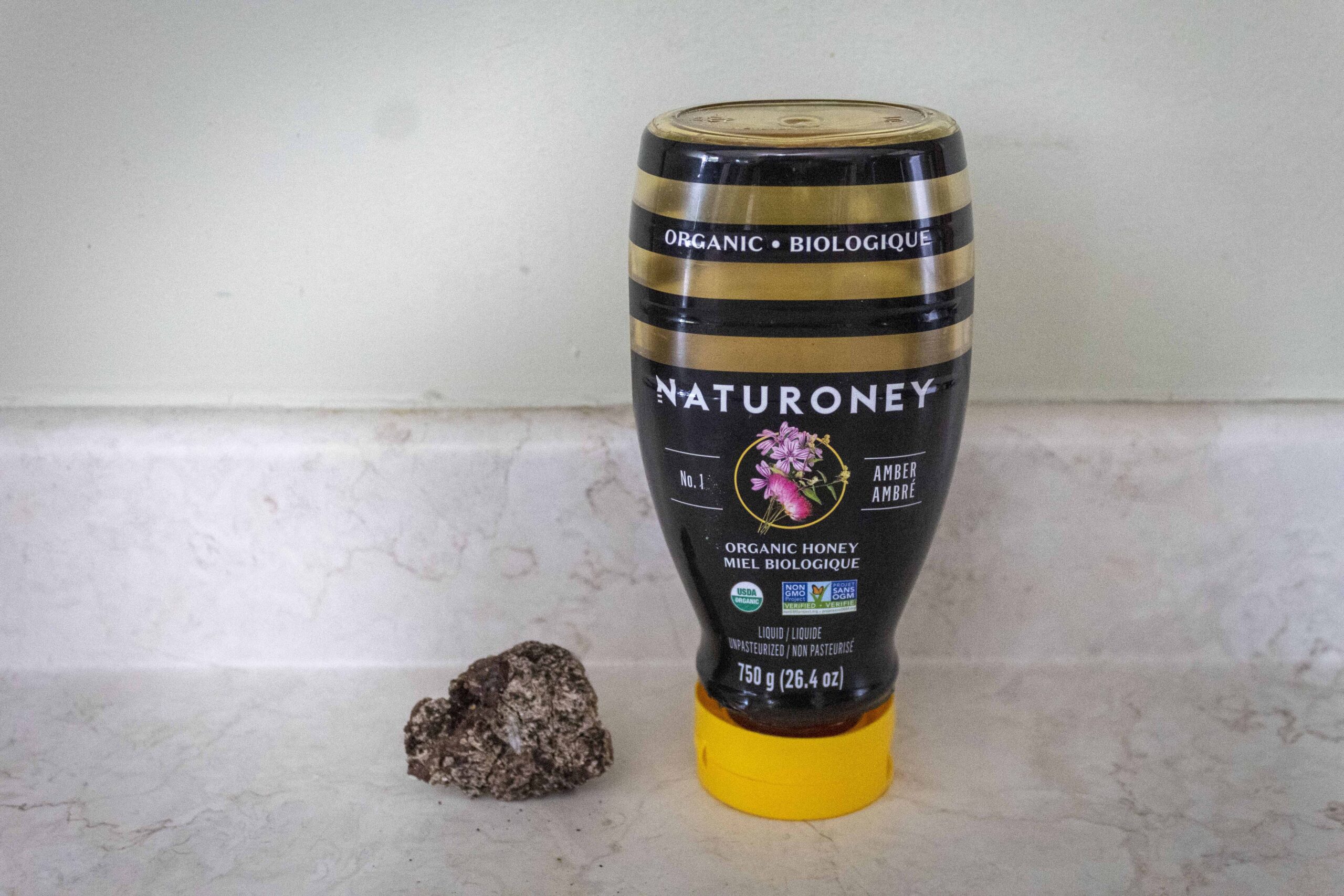
Ingredients:
- White Pine or Balsam Fir Resin
- Raw Honey
- Cinnamon (optional)
Instructions:
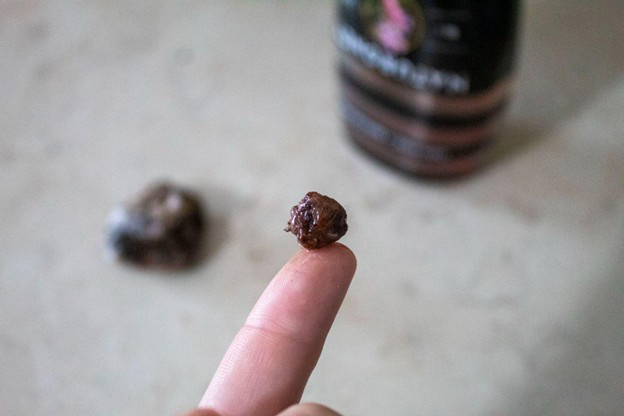
- Take a small piece of resin and mix it together thoroughly, into a ball, using your fingers
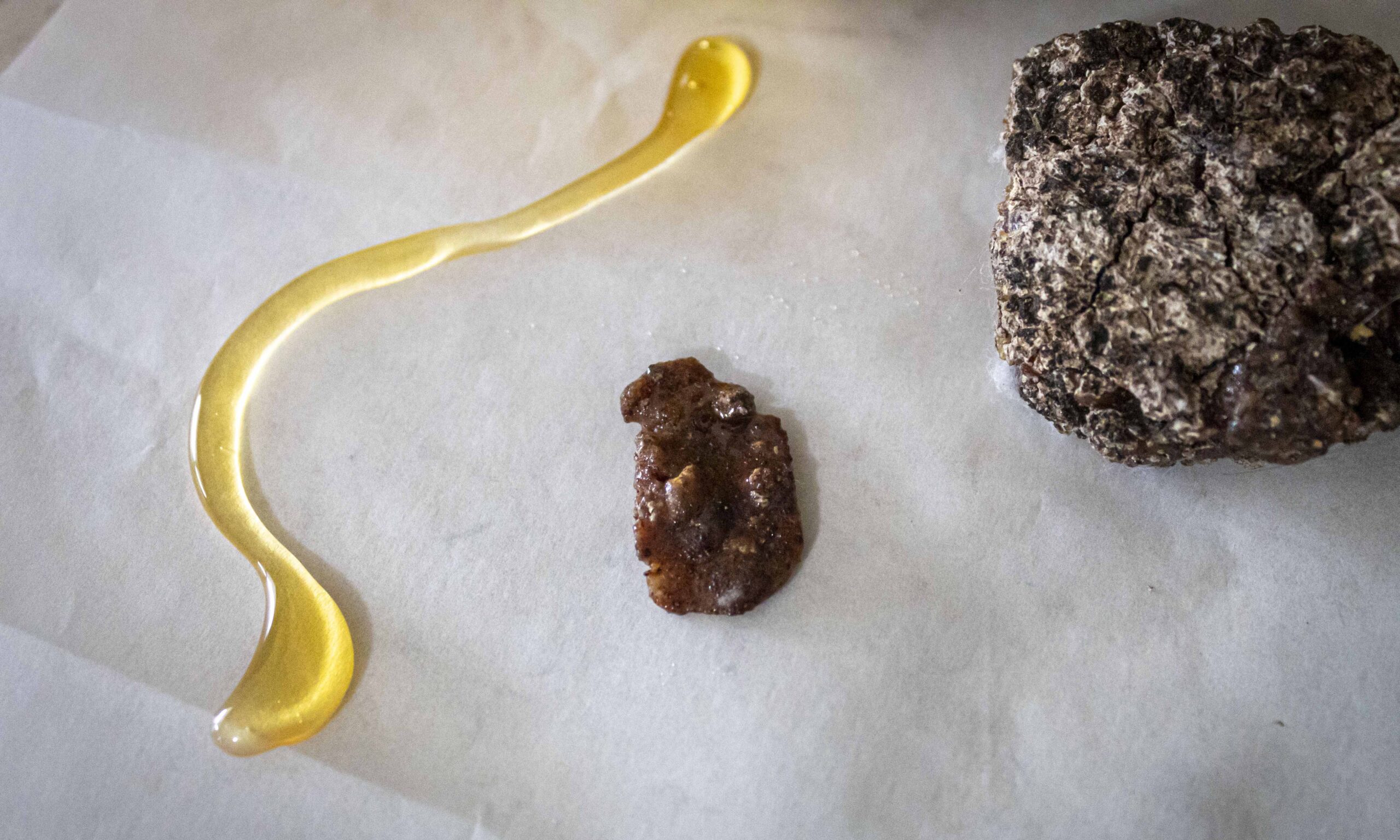
- Flatten the resin ball and drop a small amount of honey in the center of the resin, add a sprinkle of cinnamon if you would like
- Using your fingers, mix the resin and honey together thoroughly and roll it into a ball

- Flatten the ball into a thin tablet similar to the shape of a Listerine Breath Stip, to fit on your tongue, place the tablet on your tongue and do not swallow. Remove when necessary and toss away

Look, that breath strip recipe is a quick fix. But if your bad breath is coming from your gut, and for a lot of people, it is, you need to soothe what’s happening down there.
Your gut needs anti-inflammatory, soothing herbs that support healthy function and reduce the imbalances causing that smell to rise up. Plants like slippery elm, marshmallow root, licorice, these coat and heal your gut lining in ways that recipe above can’t touch.
There’s a balanced gut blend tincture with exactly those herbs, formulated to target gut issues that cause bad breath, bloating, and digestive chaos. It’s way more potent than home remedies because it’s dual-extracted and gets the full spectrum of medicinal compounds.
Click here for the gut blend that fixes bad breath from the inside out.
And remember—if bacteria in your mouth is the issue, that usnea tincture spray is antibacterial and can be a powerful support for oral health and the bad breath coming from there. Get it here.
Think Your Personal Care Products Are Safe? Think Again.
Here’s the thing about store-bought personal care products: they’re loaded with chemicals you can’t pronounce, and half of them do more harm than good.
I started making my own toothpaste, my own mouthwash, my own deodorant, and not only do they work better, but my skin doesn’t change color, my gums are healthier, and I’m not putting toxins in my body every single day.
If you want to learn how to make your own natural personal care products—toothpaste, mouthwash, deodorant, and more—there’s a complete guide that walks you through each recipe with video instructions. You’ll know exactly what’s going into your body, and you’ll save money while doing it. 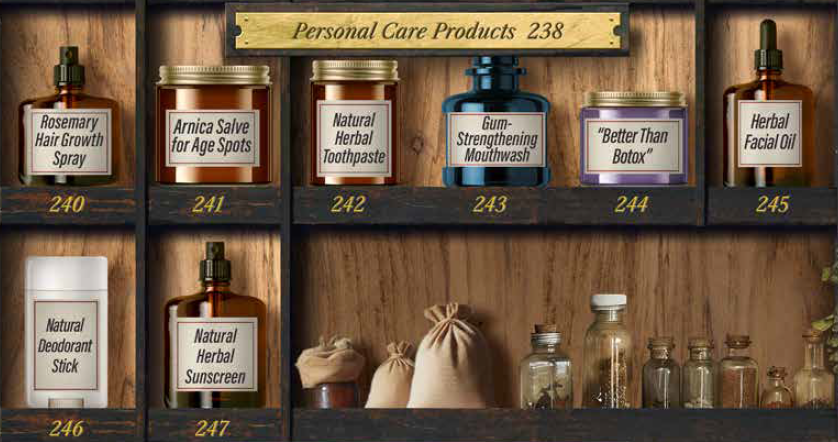
Click here to see the full recipes of personal care remedies you can make at home.