

The Most Powerful Remedies For Your Pet
Just as herbal remedies can soothe our skin, improve our digestion, or fight illness, they can be equally as powerful for our pets. However, not all herbal remedies are equal when it comes to our beloved furry friends.
While certain herbs contain notable benefits for our pets, others can be quite harmful, so it is important to understand which herbs can unlock powerful remedies for your pet and which herbs to avoid.
With that in mind, you can make a quick, easy salve made with safe herbs and natural ingredients that is versatile in treating various skin conditions in your pet, which is also safe for them to consume.
The Relationship Between Herbalism and Our Pets
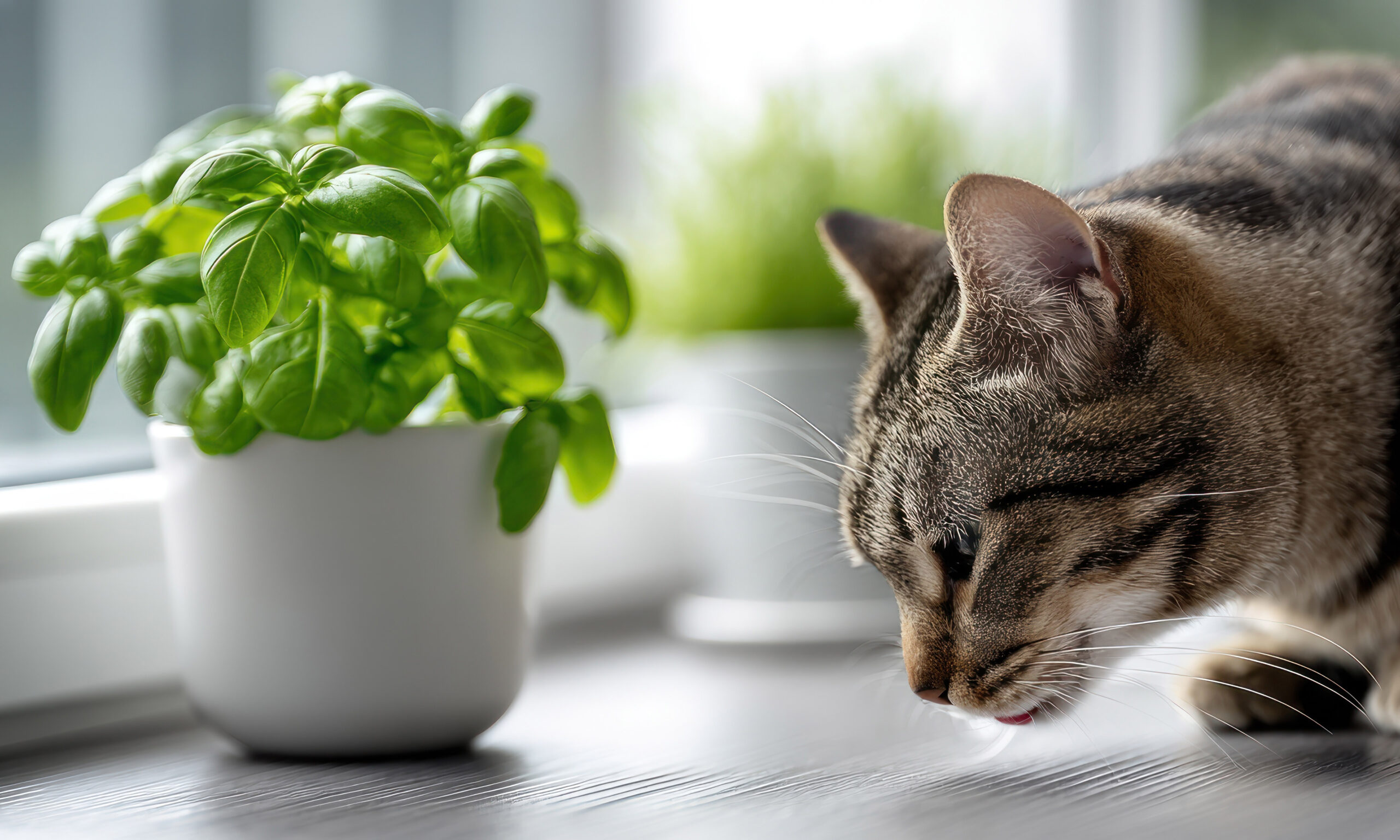
The history between herbalism and animal or veterinary treatment parallels that of human treatment in many ways.
While there are many differences between human beings and our furry best friends, there are several benefits to incorporating herbal remedies to improve your pet’s overall health and to assist with common ailments in ways that often produce minimal side effects.
Herbalism and pet care can become challenging because many people do not understand that what can be helpful for humans can also be harmful to pets.
Understanding the difference between safe and unsafe herbs to work with will ensure that you can harness the power of nature to enhance your pet’s life without putting them in harm’s way.
Why are Some Herbs Unsafe for Pets?
Part of what makes many herbs so appealing to humans is their fragrance, taste, and their ability to enhance certain foods, teas, or topicals. Even herbs with a more pungent aroma can be useful for many ailments.
It’s often easy to forget why fragrant herbs exist in the first place – mainly to repel pests and wildlife. Every plant’s mission is to pollinate and reproduce before it becomes subject to herbivory.
So many plants have evolved with protective measures in place, from powerful aromas to toxic compounds, in order to create an unpleasant experience for passing animals, signalling them to look elsewhere to forage.
Animals, including our pets at home, have a substantially more sensitive nose than we do. On average, human beings have 5 million scent receptors, while cats and dogs have approximately 20 million.
Looking at evolution, dogs and cats are primarily carnivores. However, many mammals are also attracted to fruit and capable of consuming certain fruits in moderation.
This is so plants can relocate their seeds, which are encased within the fruits and are able to be returned to the soil via digestion in a different location.
You will likely find more success in looking at natural remedies that include fruits and vegetables rather than strictly herbs and aromatics.
Non-Toxic Herbs
Some herbs are reasonably safe to work with when it comes to your pet, some of which can be incredibly useful for easing ailments, discomfort, and digestion.
It’s important to note that even if a herb is not toxic, your pet may have an allergy to a particular herb or develop an upset stomach. It’s important to always monitor your pet after working with any new ingredient.
Calendula: Also known as marigold, calendula is an excellent herb best used topically as an anti-inflammatory to treat rashes or other inflammation on the skin.
Basil: Basil can be another great herb to work with for pets as it has plenty of nutritional value, and serves as an excellent antioxidant and anti-inflammatory.
Dill: Dill is considered non-toxic to pets and can be quite a powerful digestive aid, as it is rich in calcium, iron, magnesium, phosphorus, and potassium.
Lemon Balm: Another mint family member that is non-toxic to cats and dogs, lemon balm can help reduce anxiety, treat skin ailments, and even help ease respiratory issues.
Is Your Pet Secretly Anxious?
You just learned that lemon balm can help reduce anxiety in pets. But here’s what most pet owners miss: the signs of anxiety aren’t always obvious.
Sure, some pets shake during thunderstorms or pace during fireworks. But anxiety also shows up as:
- Excessive licking or grooming
- Destructive behavior when you leave
- Restlessness or inability to settle
- Loss of appetite or digestive issues
- Aggression or sudden mood changes
This is completely normal. Domesticated animals live in our human world – with our schedules, our noises, our constant comings and goings. It’s stressful for them, even when we think everything’s fine.
This Lemon Balm Tincture gives you a concentrated, properly-extracted form of this calming herb. Just add a few drops to their water bowl or food.
About the alcohol: Tinctures contain grain alcohol for preservation and extraction. If you’re concerned, simply add the drops to warm (not boiling) water and let it sit for 5-10 minutes – the alcohol evaporates at 173°F, leaving only the beneficial herbal compounds.
Start with 1-2 drops for cats, 2-5 drops for small dogs (adjust for size). Monitor their response and consult your vet, especially if your pet takes medications.
Get the Lemon Balm Tincture here – gentle, natural calm for your anxious companion.
Sage: Safe (Salvia officanli) is another non-toxic herb that is both antibacterial and antifungal. Sage also has the power to calm an upset stomach, improve dental health, and alleviate allergy symptoms.
Thyme: Thyme is considered reasonably safe to give to cats and dogs, and its benefits can range from improved dental health to antiparasitic effects and antibacterial effects.
Herbs Within the Grey Area

There are some herbs that are considered within the grey area. While these herbs can be considered toxic, they can sometimes be safe and even beneficial in small doses.
While I am an animal lover, I am not a veterinarian so it is important to use caution if you work with any of these herbs and discuss with your veterinarian if you have any concerns about how much is safe to give to your pet.
- Chamomile: While some supplements containing chamomile aid digestion and treat topical ailments, high doses can be toxic, and long-term use can lead to bleeding tendencies.
- Parsley: Curly parsley can be reasonably safe to give to your pets in moderation; however, Italian Parsley or flat-leafed parsley can cause photosensitization (sunburn dermatitis), especially when consumed in large amounts.
- Mint: While many pet-safe herbs are members of the mint family, such as basil, mint can result in a very upset stomach and digestive issues. One particular species of mint to avoid is English Pennyroyal, which is toxic to cats and dogs.
- Cinnamon: While cinnamon can be considered non-toxic in very small amounts or in combination with other ingredients, be extremely careful with cinnamon oil. Cinnamon is highly potent and can be an irritant.
- Rosemary: Rosemary is considered non-toxic to dogs and cats, and can even be antibacterial, antioxidant, antiviral, anti-inflammatory, and antifungal in small doses. However, this very potent herb can be an irritant, cause upset stomach, and can even lower the seizure threshold in epileptic pets, so it should be used cautiously.
- Ginger: Ginger is highly effective when treating nausea and other digestive issues, but its potency means it should only be given in small doses, and avoid using it on the skin, as allergies are quite common, and it can burn the skin.
Herbs to Avoid
Lastly, there are some herbs that are simply unsafe to work with when it comes to your pets. These herbs include:
Onion: Onions are highly toxic for cats and dogs due to N-propyl disulfide. In addition to vomiting, onions cause their red blood cells to break down. Onion powder is also incredibly toxic to pets.
Garlic: Garlic contains Thiosulfate, which can also cause severe damage to your pet’s red blood cells.
Chives: This is another herb garden addition that should be kept away from your pets. This member of the Allium, like garlic, onions, and even shallots, is highly toxic and will damage your pet’s red blood cells.
Lavender: Toxic due to compounds linlool and linalyl acetate, which will cause vomiting, diarrhea, and is also an inappetent.
Cocoa powder: Cocoa powder contains theobromine and caffeine, both highly toxic to pets.
Nutmeg: While small exposure to nutmeg is typically benign, nutmeg can quickly cause an increased heart rate, blood pressure, abdominal pain, and even hallucinations and seizures, so it’s best to avoid it.
Don’t Go There If You Don’t Know What You’re Doing
You just read the list of herbs that can poison your pet. Garlic. Onions. Lavender. Nutmeg. The list goes on.
But here’s the scary part: the same uncertainty exists for YOUR own body too.
Popular wellness trends push herbs and supplements without teaching you which ones could actually harm you. Everyone’s taking ashwagandha, but do you know if it interacts with your thyroid medication? Turmeric is everywhere, but should you take it before surgery?
Just like some herbs must be avoided for pets, some should be avoided for people – depending on your unique body, conditions, and medications.
How do you learn what’s actually safe versus what’s just trendy?
You need real plant knowledge from someone who’s spent decades studying medicinal herbs. Someone who teaches you to identify, prepare, and use plants correctly – not just follow internet trends blindly.
Watch this free video where Dr. Nicole Apelian (herbalist, biologist, and survivor of 57 days alone in the wilderness) reveals the plant knowledge that can protect both you and your pets from dangerous mistakes.
Stop guessing. Start learning. Click here for free access to the video that separates safe herbal wisdom from dangerous misinformation.
Can you still treat your pet with herbal medicine?
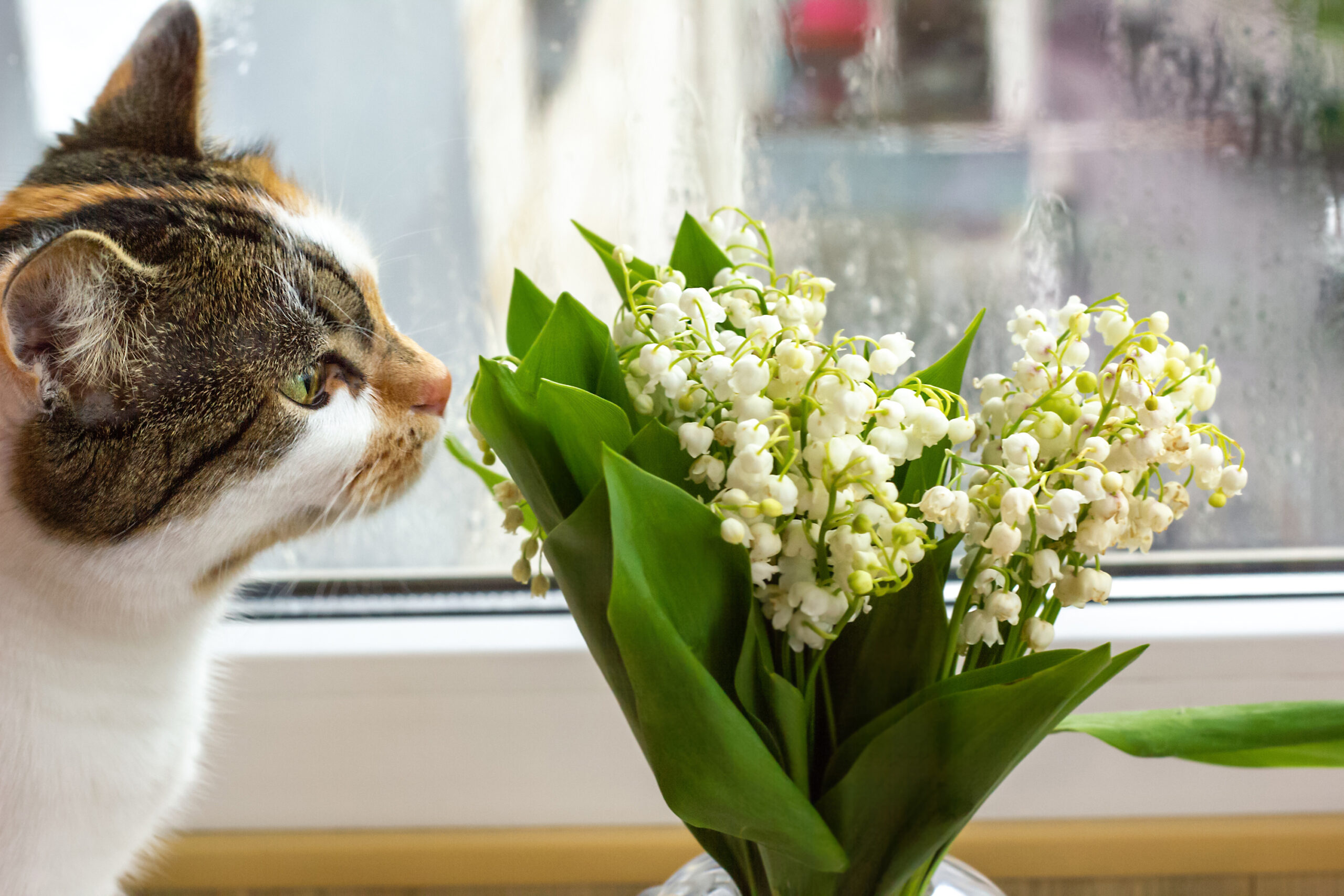
While you certainly can still work with herbal medicine for your pets, it’s always important to do your research, monitor your pet closely during treatment, and prepare to act if they start showing signs of discomfort or allergic reaction.
Our pets are, in most cases, smaller than we are, so a good rule of thumb is the milder, the better – keep your infusions on the weaker side, especially when you are introducing anything new to your pets. Start with small amounts and monitor accordingly.
Essential oils Essential oils are concentrated compounds of plants. It is a cornerstone of herbal medicine since those concentrated materials can be inhaled, absorbed, or ingested into the bloodstream much more rapidly.
However, this can be highly dangerous for our pets for the same reason it is beneficial to us. Essential oils also contain compounds like terpenes, ketones, and phenols, which can be absorbed into the skin, lungs, or digestive tract very quickly. Animals like cats and dogs cannot metabolize these compounds, so they build up in their liver to dangerous levels.
When Your Pet’s Liver Sends Warning Signs
You just learned that essential oils build up in your pet’s liver to dangerous levels. But do you know the signs of liver stress in pets?
- Yellowing of eyes or gums (jaundice)
- Loss of appetite or weight loss
- Vomiting or diarrhea
- Increased thirst and urination
- Lethargy or weakness
- Abdominal swelling
These symptoms show up when the liver is already struggling. Prevention is always better than treatment.
If your pet takes medications regularly (flea/tick treatments, pain meds, antibiotics), their liver is working overtime. Herbs like milk thistle and dandelion are commonly used by veterinary herbalists to support liver function and help the detox process.
This Liver Blend Tincture contains milk thistle, dandelion root, and schisandra berries – the same herbs you’d research for your pet’s liver health.
For pets: Consult your vet about dosage (typically 1-3 drops per 10 lbs body weight, once daily). The alcohol content evaporates when added to warm water.
For yourself: You’re researching liver support for your pet, but when’s the last time you thought about YOUR liver? Every medication you take, every glass of wine, every processed food – your liver handles it all. If you care about your pet’s liver health, shouldn’t you care about your own?
Support liver health here – for both of you.
Using Herbal Remedies Safely With Your Pet
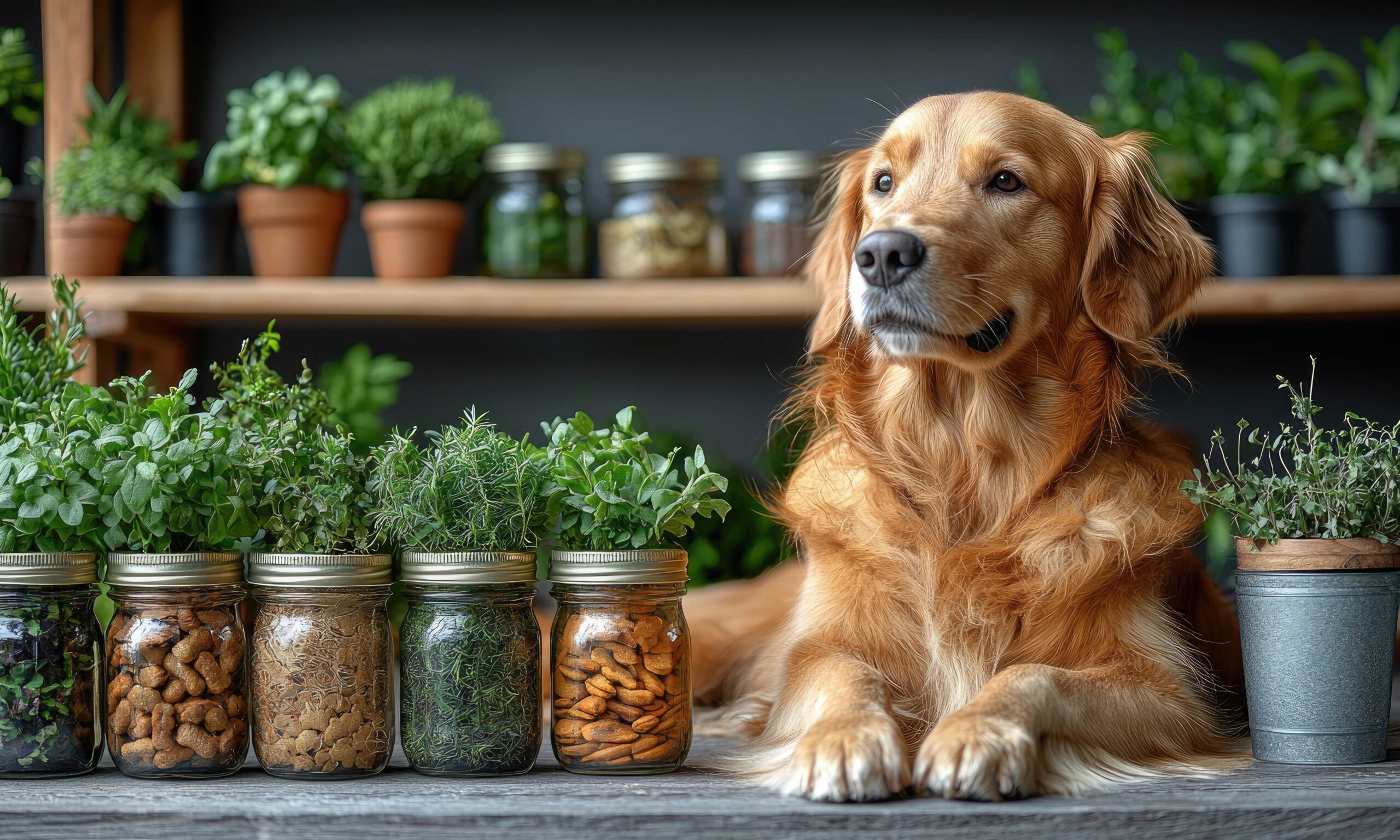
While deciphering which herbs and natural remedies are safe can be overwhelming, one of the best approaches is to use a cornerstone fruit, vegetable, or oil that is safe and beneficial for your pet, and then introduce small amounts of your pet-safe herb to result in a gentle but powerful remedy.
Here are some great examples of power remedies for your pet:
Oatmeal Bath Just as oatmeal baths or soaks work well for our dry, itchy skin, oatmeal baths can provide relief for your pet’s skin conditions as well!
This gentle remedy can soothe itchy skin, prevent dryness, and alleviate irritation and inflammation in the skin. You can give your pet a full-body oatmeal bath, or if you are looking to treat an isolated area of the skin (for example, a paw or leg), you can soak the affected area on its own.
Pumpkin Plain, cooked pumpkin is an excellent digestive aid that pets thoroughly enjoy. It’s an excellent source of fiber and universally beloved for its ability to ease digestive discomfort, including nausea, diarrhea, and upset stomach. It’s very gentle and easy to digest when cooked thoroughly.
Avoid pumpkin pie filling, which contains nutmeg, and avoid raw pumpkin, which is actually very difficult to digest. Pumpkin can be used in combination with other safe herbs to bake treats or frozen snacks that can help alleviate common digestive issues in your pet.
Coconut oil Coconut oil can have powerful topical benefits. It is particularly helpful for soothing skin irritations such as cracked, dry paws, hot spots, rashes, and other patches of itchy, dry skin, as it is highly nourishing. If your pet happens to lick the coconut oil on their skin, it is perfectly safe as well.
Yogurt Plain, unsweetened yogurt is great for dogs for the same reasons that it is healthy for people. It is high in protein and calcium, and is a probiotic, which is helpful for promoting great gut health.
There are, however, two caveats to using yogurt to assist with herbal remedies: the first is to make sure that your dog isn’t lactose intolerant or allergic, and the second is to be careful to ensure that the yogurt does not contain xylitol, which is highly toxic to pets.
Most cats and some dogs are lactose intolerant or have a dairy allergy, so introduce yogurt in very small doses and monitor your pet for signs of discomfort.
Blueberries Blueberries are another powerful antioxidant that is also very rich in vitamins and minerals. Plain, unsweetened fresh or frozen blueberries make an excellent treat that can be incorporated into your herbal remedies, particularly for dogs.
Cats can enjoy blueberries in small doses, but since they are primarily carnivores, avoid giving them large amounts as they can cause stomach upset.
DIY Calendula Salve with Coconut Oil
A great example of a gentle but powerful herbal remedy for your cat or dog is a Calendula Salve. This natural, skin-soothing remedy is ideal for easing irritated skin, dry patches, and is a great option for cracked or dry paws.
Calendula is a very soothing herb that is gentle on the skin and non-toxic to cats and dogs. Combine calendula with coconut oil, and you have a very powerful, moisturizing salve!
Ingredients:
- 1 tsp of fresh or dried calendula (or 2 tsp of dried calendula). If this is your pet’s first time working with calendula, you can make your infusion milder by using less of this herb.
- 0.75 oz Beeswax
- 4 oz Coconut oil
- Cheesecloth or a strainer
- 2 glass jars
- A small container or a salve tin

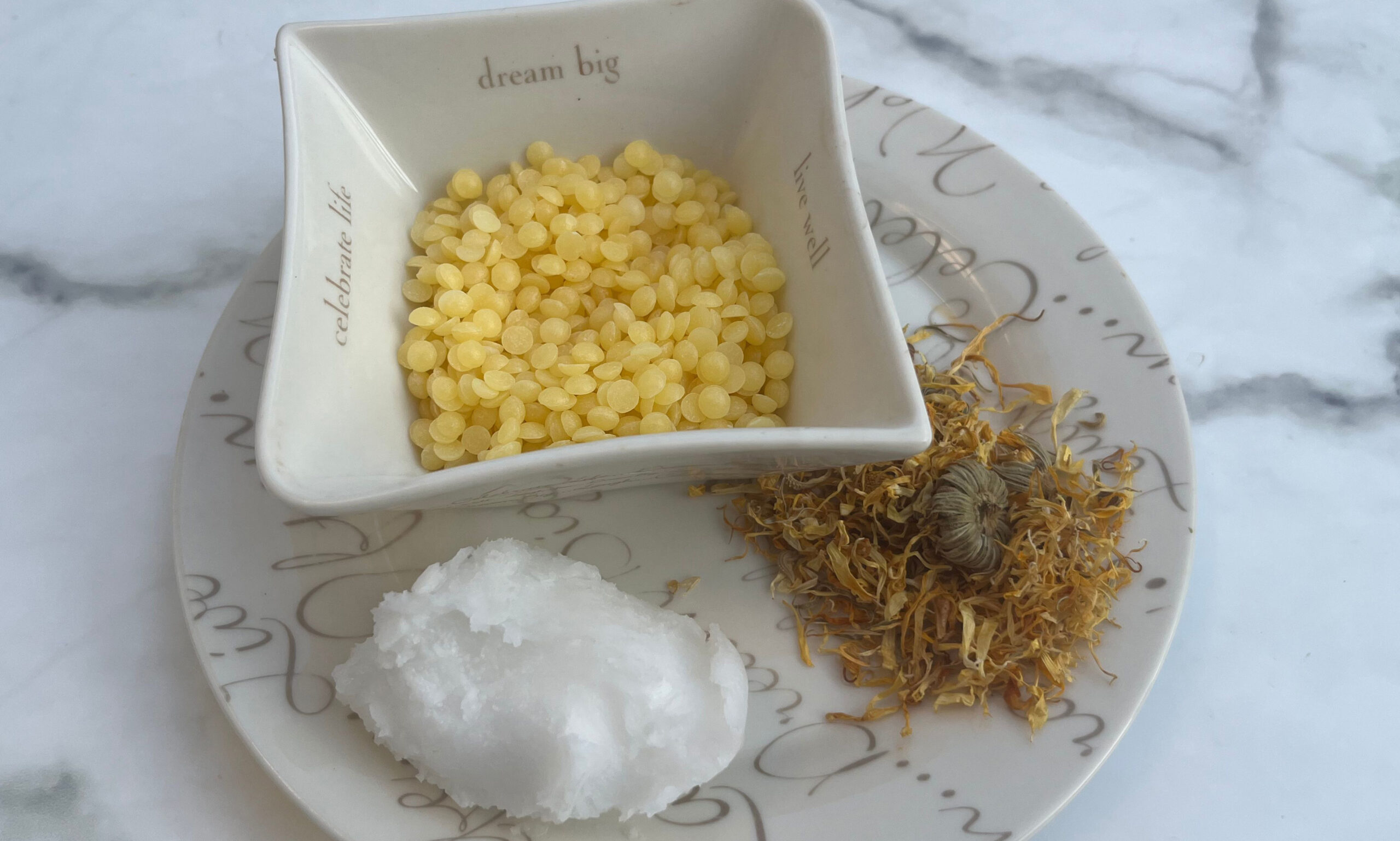
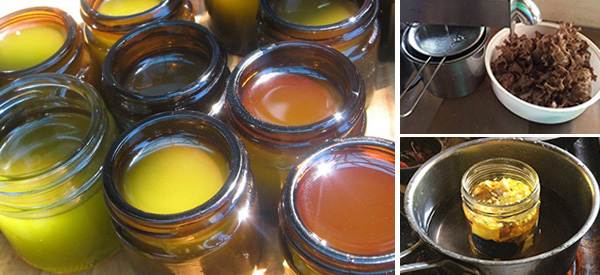
Make your Calendula-infused oil. First, combine oil and herbs in a jar and stir to ensure they are sufficiently covered.
Slow-Infusion (occasionally referred to as cold infusion) Leave your sealed jar in a cool, dark, dry place for 1-2 weeks to infuse.
Heat Method: If you prefer a quicker method, you can infuse your oil with calendula with the heat method.
- Fill a pot with enough water to submerge approximately half of your jar.
- Place your jar in the middle of the pot. Do not seal your jar with the lid.
- Simmer on low heat for approximately 2-4 hours. You will want to check on your pot regularly and add warm water if some evaporates. Do not let the water fully evaporate, as this can result in your glass jar breaking.
- Carefully remove your pot from the heat and allow the jar to sit in the warm bath until the water and infused oil have cooled.
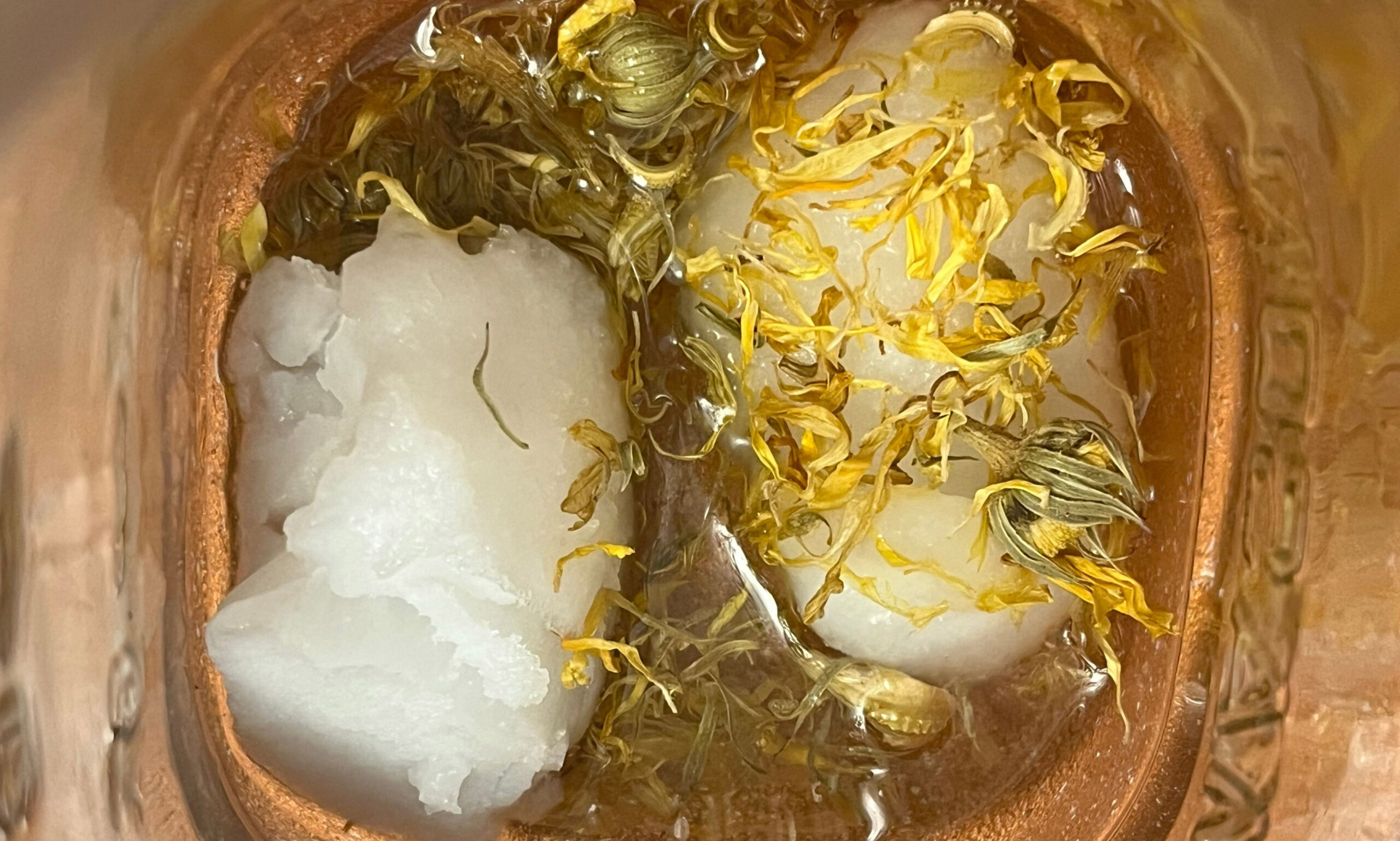
Straining: Using your cheesecloth or a strainer, pour your infusion into the second glass jar. If you used heat for infusion, make sure your infused oil has fully cooled before straining. Making your salve Now that your calendula-infused oil is ready, you can start making your calendula salve for your pet.
- Place a jar with your infused oil and beeswax together into a pot with simmering water on low heat.
- Allow your beeswax to completely dissolve in the oil.
- Remove your jar from the heat. Carefully pour the mixture into your salve container. Make sure to do this before it solidifies.
- Let your salve fully harden before adding a lid to your container.
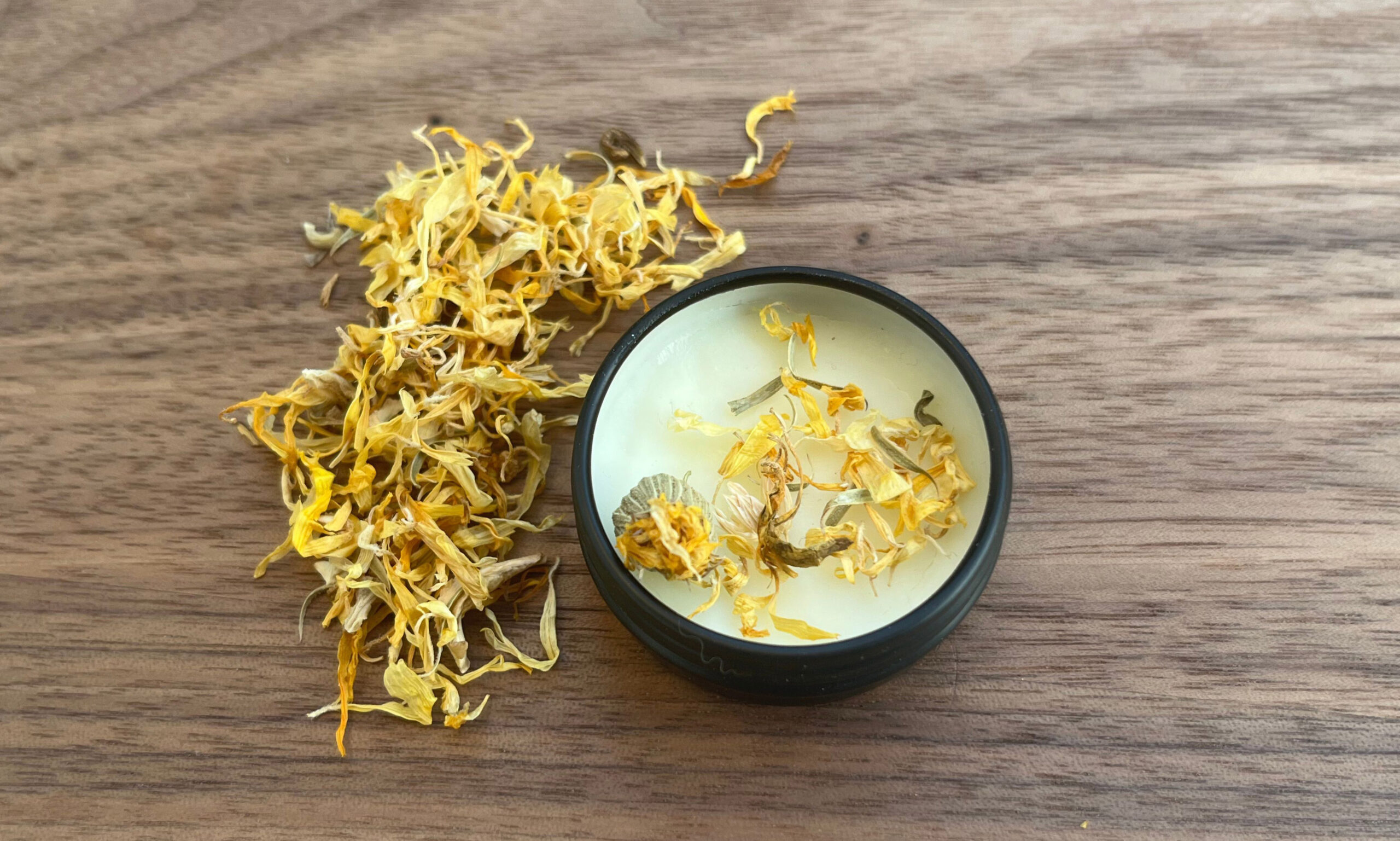
A helpful tip: When working with beeswax, you can adjust the consistency of the salve to your preference by adding more or less to your salve. Use slightly less beeswax for a softer salve, or add more if you are looking for a firmer texture, similar to a balm, which can be rubbed onto the skin.
Both are equally effective, this ultimately comes down to personal preference. A great way to test the final consistency is to take a teaspoon from your now melted salve and place it in the freezer for a few minutes.
This gives you an idea of what the final consistency will resemble. Of course, if you are aiming for a softer salve, start with half of the suggested amount here and slowly add more until you reach your desired texture.
Use and Storage
Before using your salve on your pet, especially if it is your first time using calendula or coconut oil topically, apply a small test patch to the skin and monitor it for signs of irritation. If no allergies or adverse effects are noted, apply it liberally to the affected area of the skin (such as their paws) as needed.
Try to avoid letting your animal lick the salve as much as you can. Although non-toxic, excessive licking can lead to other skin conditions, particularly if they enjoy the taste of the salve.
If you find that your pet is unable to help themselves and continues to lick at the area, you can leave it on for an hour and then gently rinse the area off with warm water, as that gives the calendula-infused coconut oil enough time to absorb into the skin.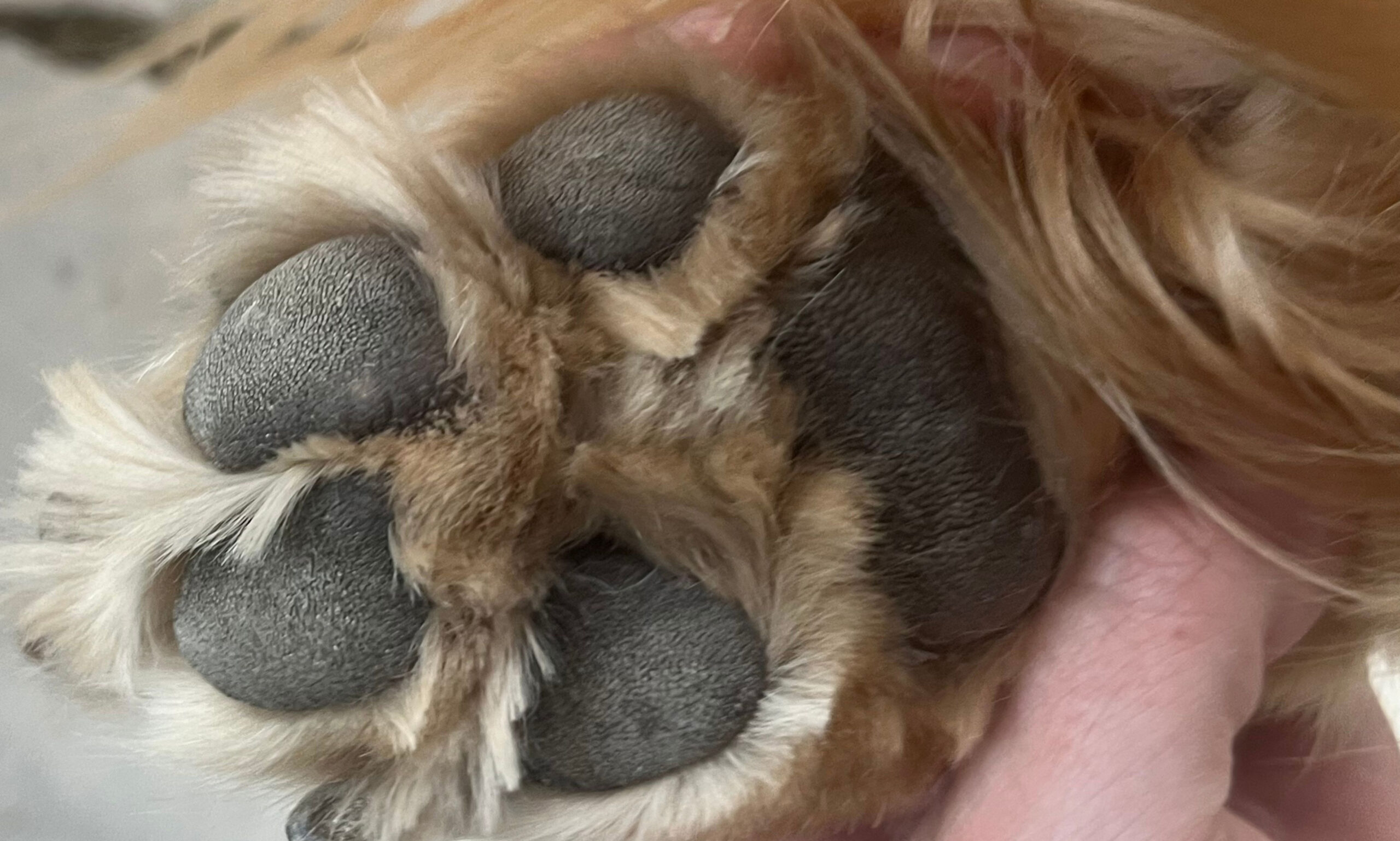 Storage: You can store your calendula salve in a cool location for 1-3 years.
Beyond Cats and Dogs: Natural First Aid for Your Backyard Flock
The calendula salve you just learned to make is perfect for cats and dogs. But what if you also raise chickens, ducks, rabbits, or goats?
Backyard poultry and small livestock have different needs and tolerances. The herbs that are toxic to cats (like lavender) are actually beneficial for chickens – helping repel mites and flies while soothing injuries.
This All-Purpose First Aid Salve contains calendula, yarrow, arnica, plantain, and lavender – a combination that’s been used by homesteaders for generations on:
- Chickens: Bumblefoot, pecking wounds, dry combs
- Ducks: Post-injury care, minor cuts
- Rabbits: Scratches, sore hocks
- Goats: Small wounds, scrapes
Why it’s safe for poultry/livestock but NOT cats or dogs:
Birds and ruminants metabolize plant compounds differently than carnivorous mammals. What harms a cat’s liver is harmless to a chicken’s system. Rabbits and goats tolerate these topical herbs well too.
Important: This salve is specifically for poultry, rabbits, and small livestock. Keep separate first-aid kits for different species.
Get the All-Purpose Salve here – one multi-purpose remedy for your entire homestead (just not for Fluffy and Fido!).

Is there a recipe book for medicinal tincture for pets and/or for homemade dog food?
Not true that garlic is toxic to dogs. It is a natural flea and tick repellent, as well as anti-microbial and anti-viral. Dosage depends on body weight. I’ve been giving our 30kg German Shepherd girl fresh, raw, finely chopped rested garlic for a few years now, after finding out vet industry lies about it (because they want you to buy their neurotoxic expensive “treatments”). The VeT industry neurotoxins poison your DOG, so the poison they ingest then gets transferred to the bug that latches onto them. WRONG approach. Garlic and coconut oil REPEL fleas and ticks, so they don’t feed off your dog and cause things like paralysis and disease.
Our girl is turning 10 this year, raw fed and natural therapies only. Vet last year thoughts she was 4 years old, not 9. Testament to doing right by your pet is to avoid the corporate vet.