The Anti-Inflammatory Herbal Sponge
Herbalism is full of timeless remedies that anyone can manage, and one of the easiest is the herbal sponge. Before drawing creams and pharmaceuticals, families would use cloths or natural sponges soaked in herbal infusions to pull toxins, reduce swelling, and tame fevers.
In this post, you’ll uncover the Anti-Inflammatory Herbal Sponge, a great way to draw out impurities and reduce inflammation in the body.
While this technique may be obsolete to some, its simplicity makes it a must-have for any home apothecary. We’ll explore the different types of sponges you can use, the best herbs for reducing inflammation, and give you a few ideas for making herbal sponges of your own.
Whether you’re dealing with a pesky arthritis flare-up, bug bites, or general irritation, there’s an herbal sponge recipe that will do the trick.
Why Herbal Sponges Work
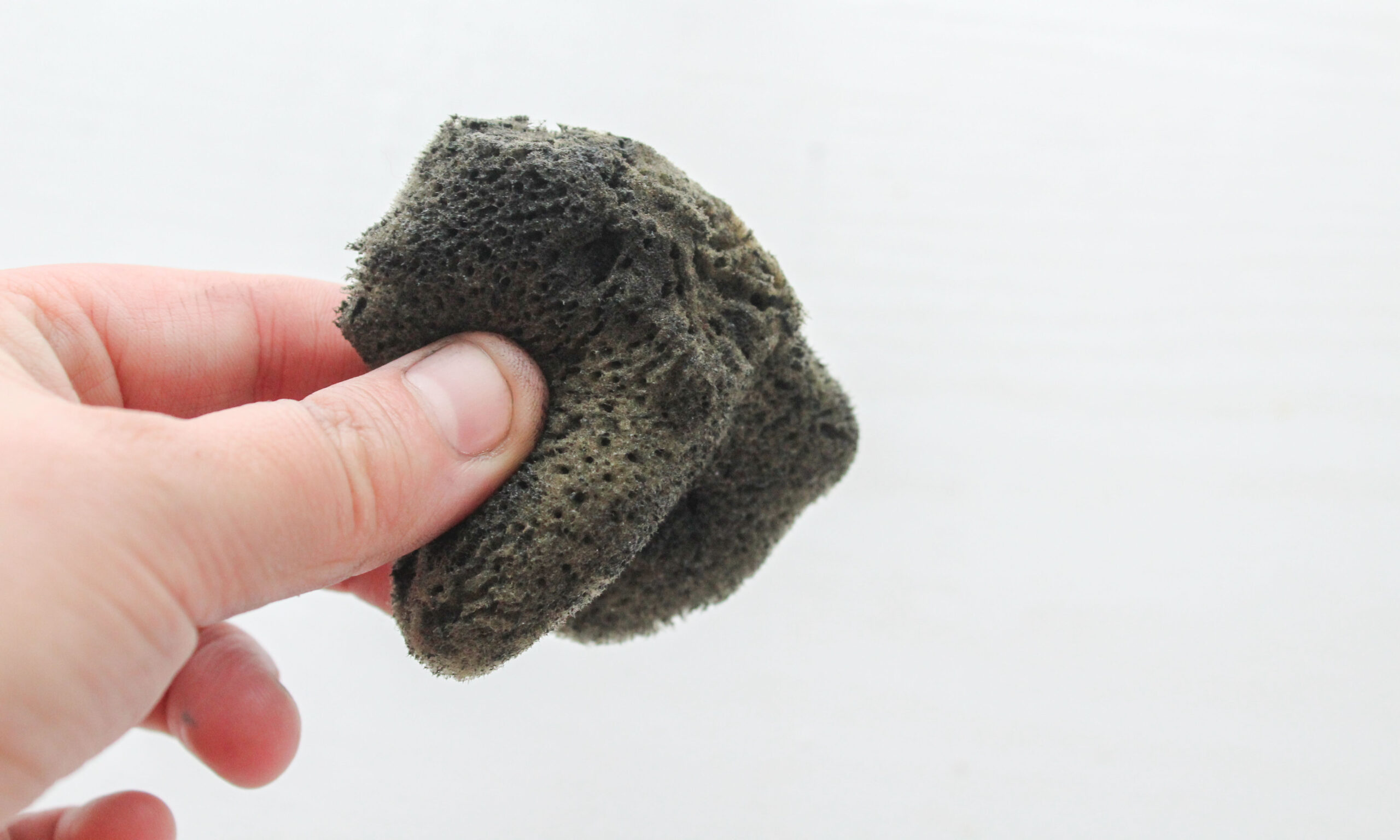
Herbal sponges may seem elementary, but they use a powerful combination of absorption and herbal penetration. One of the quickest ways to get relief is to apply herbs directly to the skin, and a sponge allows you to have a continuous flow of healing properties.
Natural sponges are excellent absorbers, but that absorption works two ways. Not only is your skin receiving plant compounds, but the sponge is also pulling out excess heat, toxins, and inflammation.
Yes, you can create a spray, which gives short-term relief, but soaking a sponge allows your skin to be in contact with the remedy far longer.
Many times, herbal sponges are soaked in warm liquid, which can increase circulation and release trapped fluids. Some prefer using cool liquids (especially on irritated skin).
Either way, because of their density, sponges hold temperature longer, boosting the remedy’s potency. With the right herbs, a natural sponge becomes a great tool that’s gentle enough for anyone to use.
Anti-Inflammatory Herbs You Should Know About
Everyone experiences inflammation from time to time. After all, it’s the body’s natural response to stress, injury, and infection. But when inflammation lingers, it becomes painful, causing aches, pains, swollen skin, and more.
Nature has a wide variety of herbs that can cool the heat and leave you feeling great. Understanding each one and why they work will give you endless customization options for your Anti-Inflammatory Herbal Sponge. Feel free to mix and match based on what you have on hand.
Chamomile: Another gentle option, it is readily available and easy to grow. It contains apigenin compounds, which calm the skin’s stress response. It’s also proven to reduce anxiety, helping the body heal further. Chamomile is an excellent pick for sensitive skin or babies.
Turmeric: The curcumin in turmeric is among the most studied anti-inflammatory compounds, and can fight swelling and infections. It’s vibrant yellow tone quickly stains whatever it comes into contact with, so proceed with caution.
Nonetheless, it’s a great budget-friendly option that warms the skin and encourages cell regeneration.
Comfrey: Similar to plantain leaf, comfrey also includes allantoin to reduce inflammation. It’s also known as “knit-bone” and is often used to heal not only tissue, but also bones.
Be mindful not to use comfrey on broken skin, as it’s so effective that it can cause wounds to heal before they’ve had time to eradicate all bacteria.
Plantain Leaf: One of nature’s best herbs for drawing out bacteria, plantain leaf is more than just a common weed. It features allantoin, which is wonderful for skin repair, making this herb extraordinarily soothing.
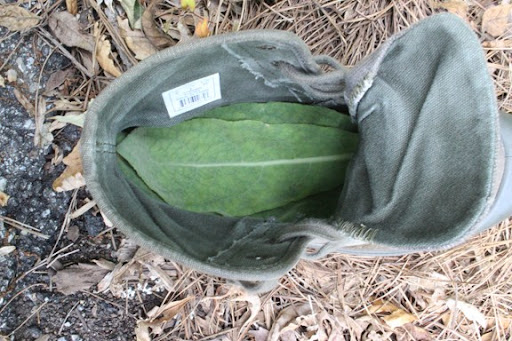 But here’s something wild: What happens if you put a plantain leaf in your shoe and walk around all day? The answer will surprise you—and your feet will thank you.
Click here to discover the strange plantain shoe trick.
Ginger: A great option if you’re in a pinch, ginger is naturally warming, anti-inflammatory, and can move fluids that stall healing. Ginger is a common addition to herbal sponges because of its availability and its heat, which can ease stiffness and soreness.
Calendula: One of the most reliable herbs for soothing inflamed skin, calendula’s bright petals are antimicrobial, reduce redness, and can even fight infections.
It’s a great choice for herbal sponges used to treat bug bites, rashes, acne, and even sunburns. Calendula provides both moisture and healing, making it a great option for potent herbal sponges.
Calendula & Plantain Cream combines both of these powerhouse herbs in one ready-made formula. It soothes bug bites, rashes, eczema, sunburns, acne, cuts, scrapes, and any inflamed or irritated skin. Apply it to anything that’s red, swollen, or painful—it reduces inflammation while promoting tissue repair.
Click here to get the Calendula & Plantain Cream ready to use. 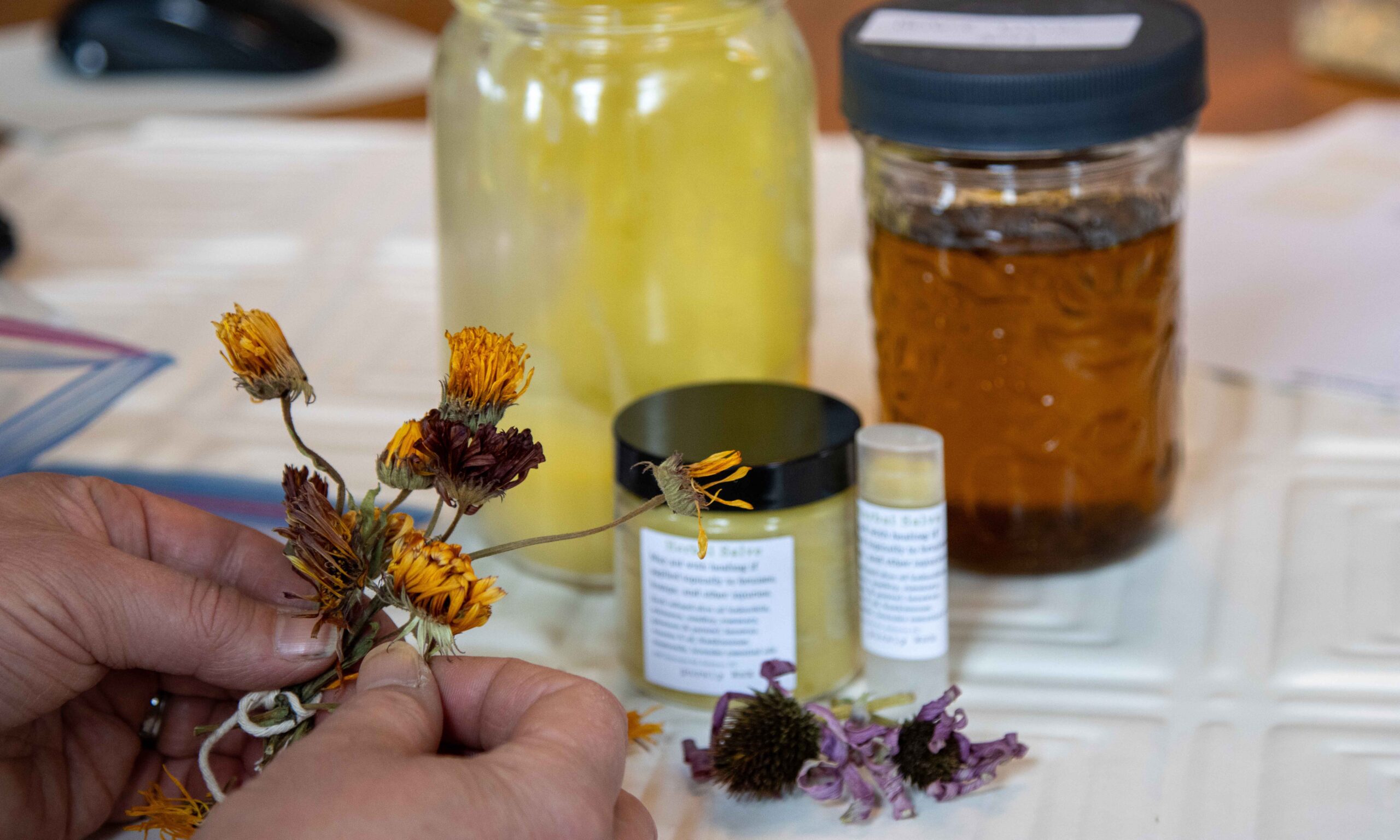
Okay, but what if the inflammation is internal? What are you gonna do—swallow the sponge? Hell no.
You need the same herbal support, but edible. This Plantain Tincture combines plantain with other gut-enhancing and gut-stabilizing plants to help with digestive inflammation and get you back on track with digestion—which is actually the root of all health or disease, especially considering the gut-brain connection.
Click here for the Plantain Tincture that heals inflammation from the inside out
When used alone or together, these herbs are a great toolkit to calm inflammation in any form. When combined in an herbal sponge, the elements work synergistically to nourish skin and remove impurities.
Herbal Sponge Recipe
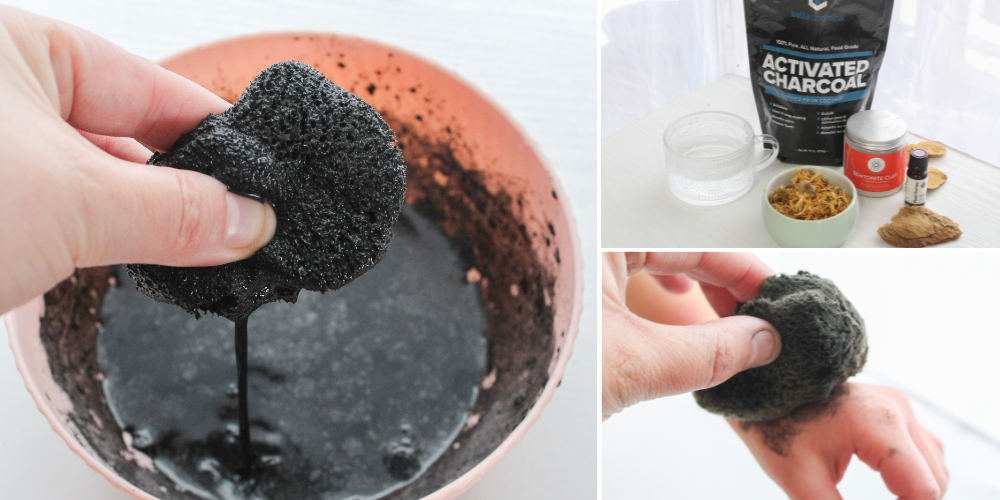
This simple Anti-Inflammatory Herbal Sponge recipe combines detoxing clays with soothing calendula flowers to pull impurities from the skin, reduce redness, and eliminate swelling. Here’s how to make this old-fashioned remedy.
Here’s what most people don’t realize: you can mess this recipe up easily. Add too much essential oil? Skin irritation. Steep calendula in boiling water instead of letting it cool? You destroy the medicinal compounds. Use the wrong type of sponge? It won’t absorb properly.
But here’s the bigger issue: if you don’t know why each step matters, you’re just following instructions blindly. You can’t adapt. You can’t teach others. You can’t earn respect as someone who actually knows herbal medicine.
I followed Nicole Apelian’s video course, and when I got the diploma, everything changed. People respected my knowledge. My family asked me for remedies instead of running to the pharmacy. My neighbors started coming to me with their health problems. I became known as “the herbalist” in my circle—not because I bragged, but because I could actually help people and had the certification to prove I knew what I was doing.
That acknowledgment? That empowerment? It’s real. And it changes how you see yourself.
Click here to get your herbalist diploma and prove you know your craft.
Ingredients:
- 2 tablespoons dried calendula flowers
- ½ cup water, boiling
- 1 tablespoon activated charcoal
- 1 tablespoon bentonite clay
- 3-4 drops lavender essential oil (optional)
- 1 cotton or natural sea sponge
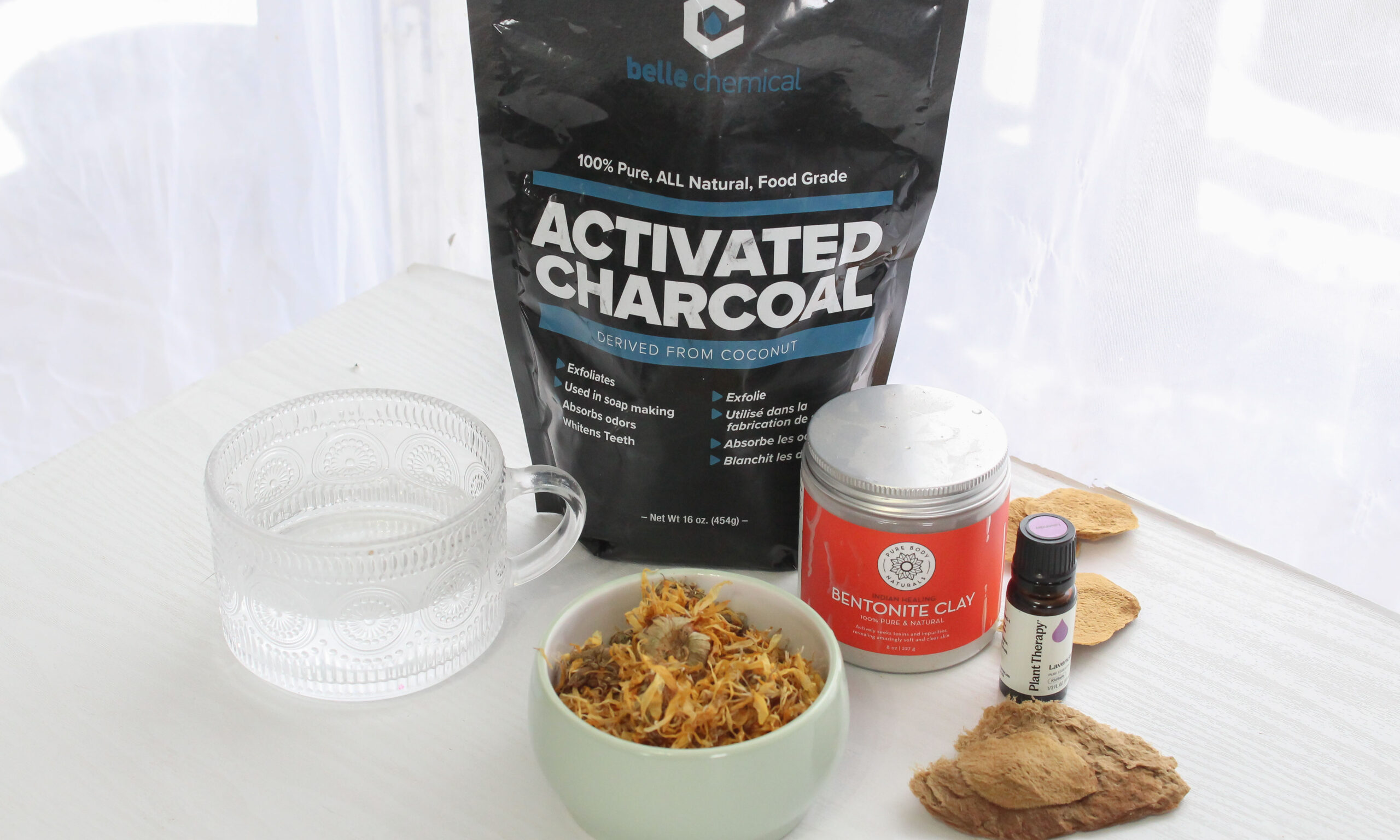
Step One: Place the calendula flowers in a strainer and steep in the hot water for 10 minutes. Let cool slightly. 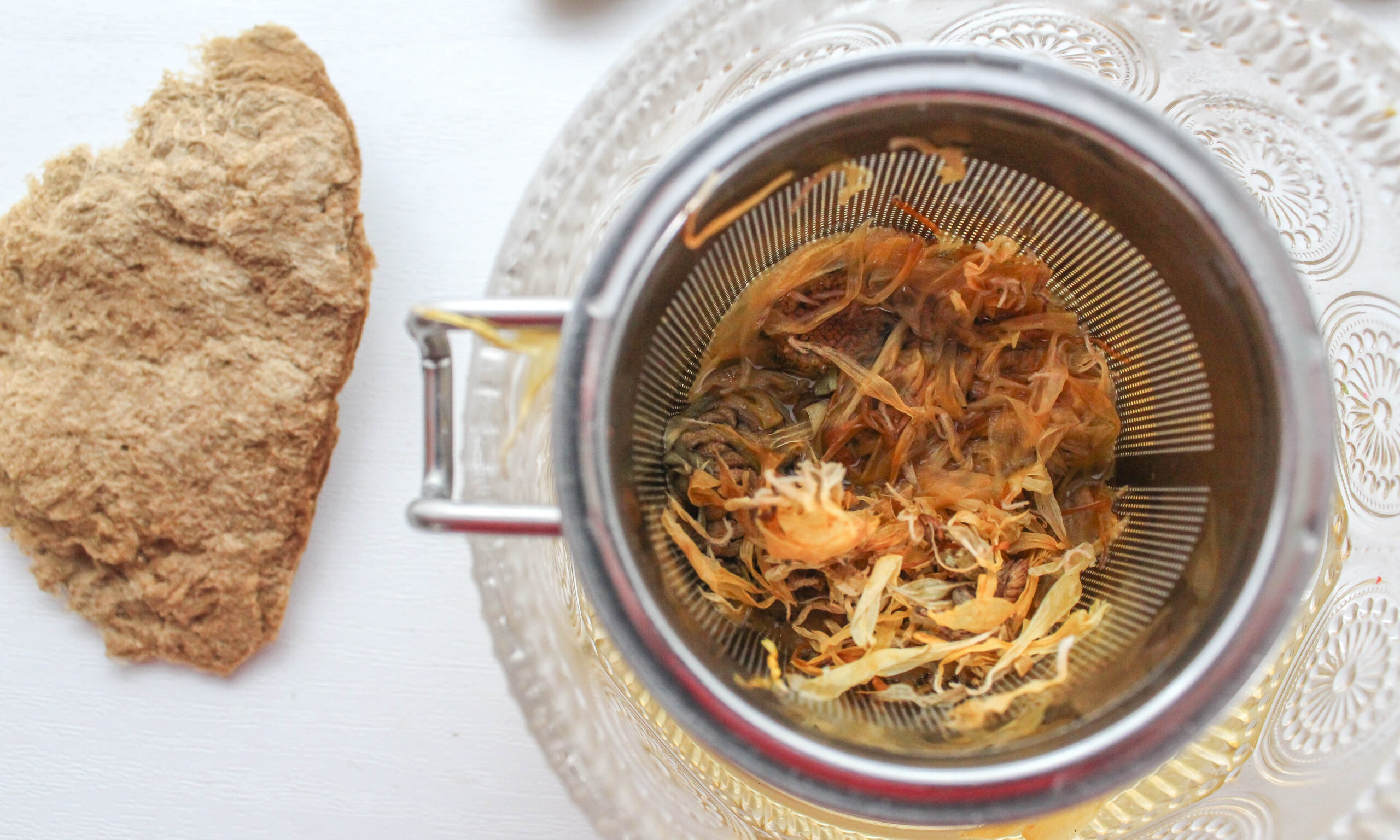
Step Two: In a bowl, mix the activated charcoal and bentonite clay. Add the essential oils and mix again. 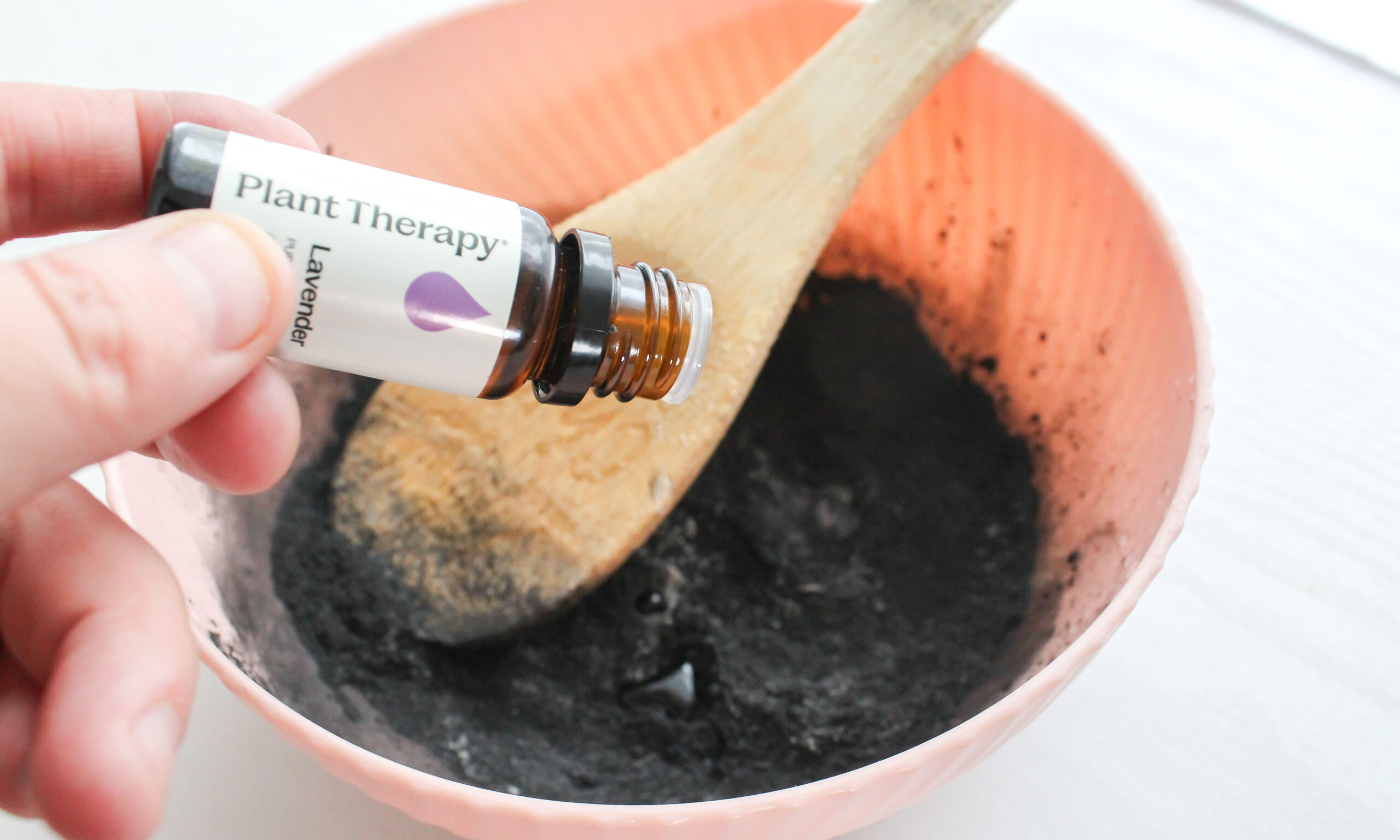
Step Three: Add the calendula tea and mix. Your mixture should be thin and absorbable by a sponge.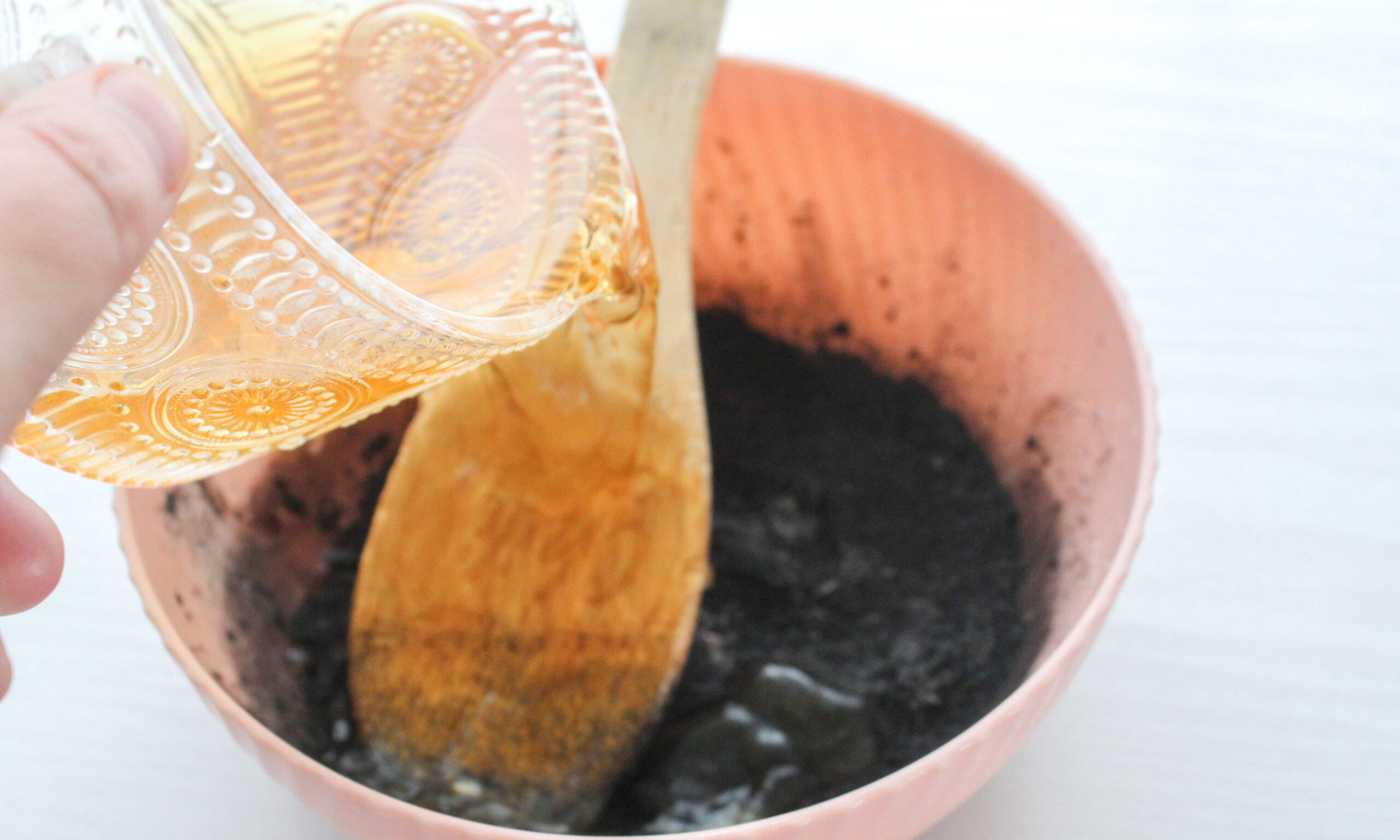
Step Four: Place the natural sea sponge in the herbal mixture and let it fully absorb the liquid. Squeeze gently, then apply to the affected area.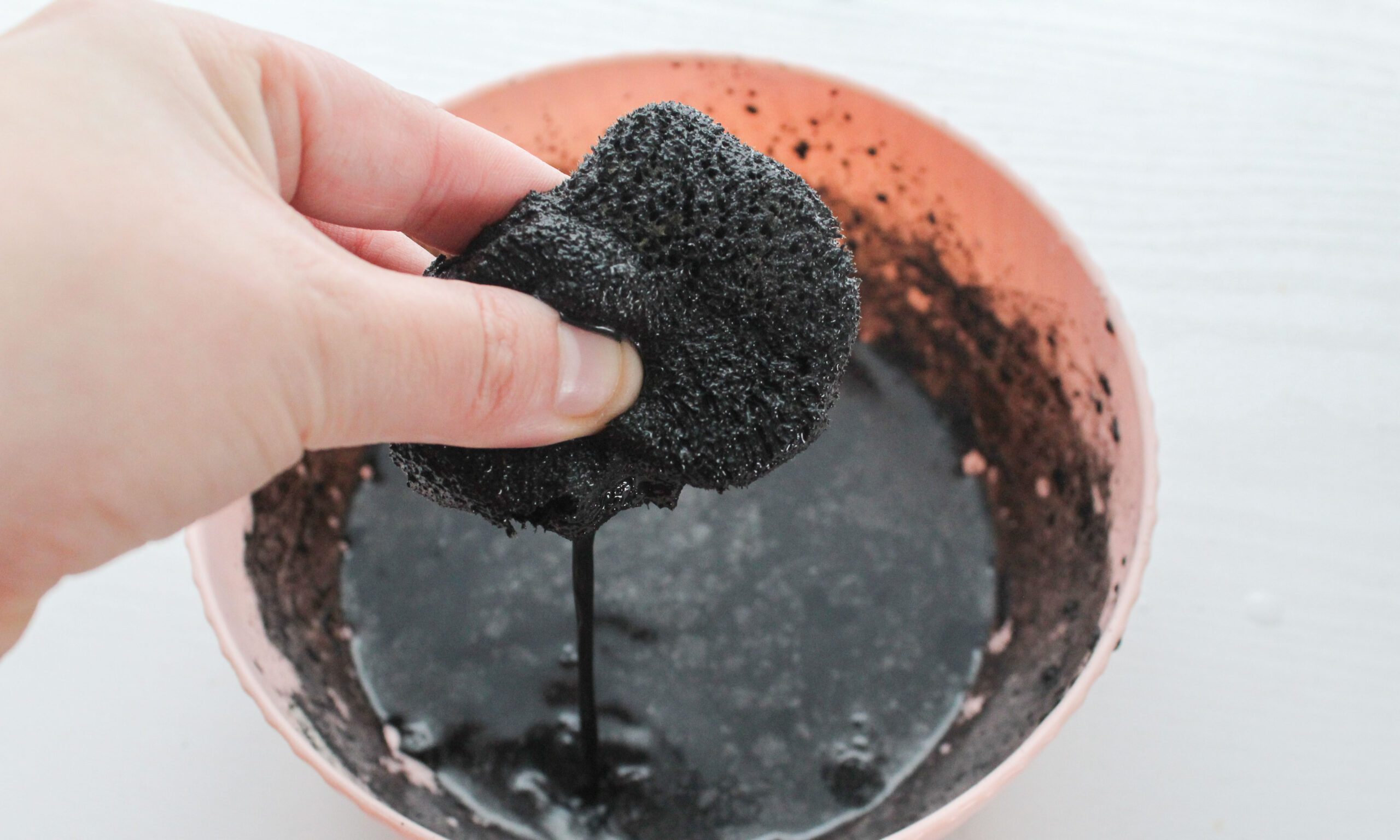
How to Use This Remedy
Press the sponge onto the affected area and hold it in place for 5-10 minutes, or until the mixture begins to dry. This allows the clays to draw out impurities while calendula soothes the skin. 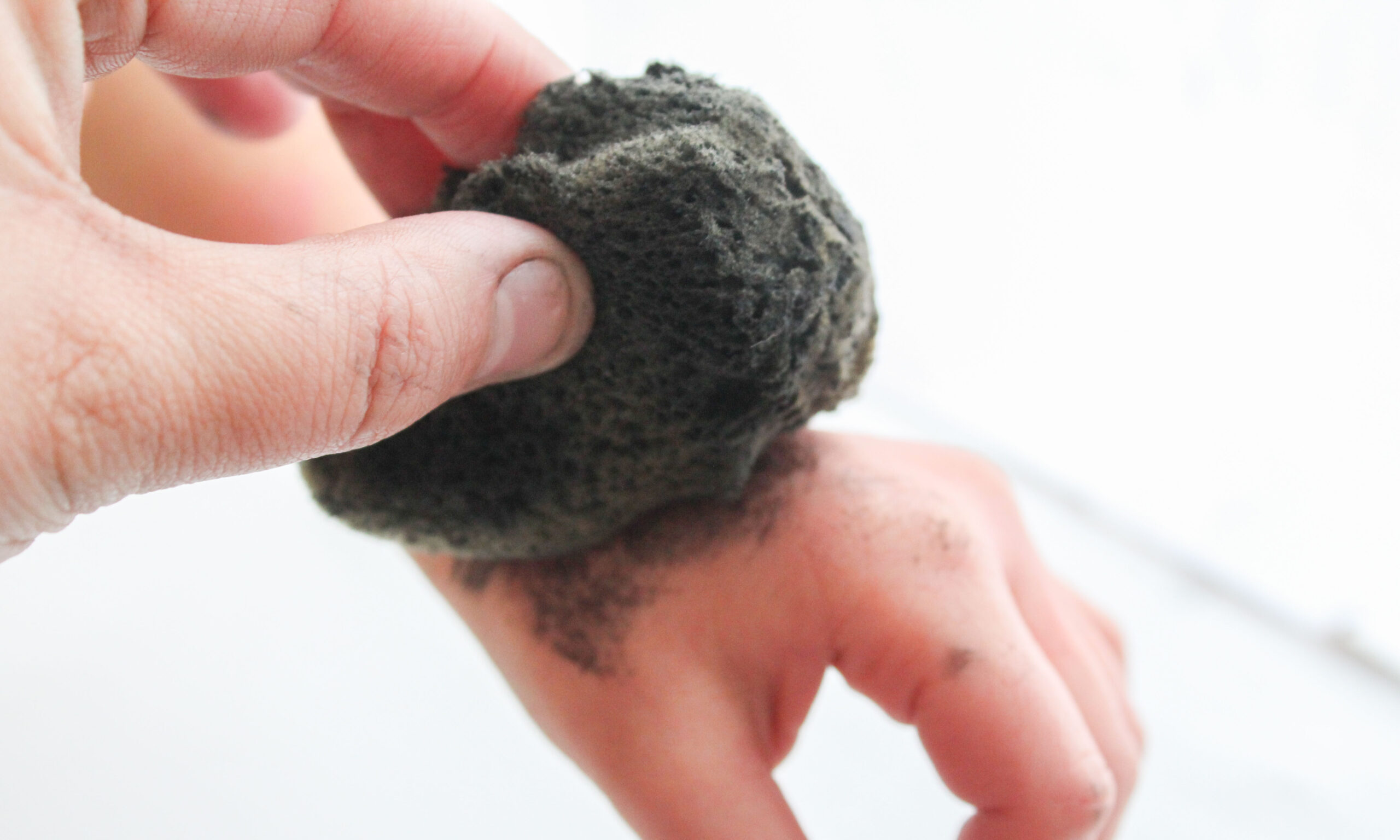
Repeat 2-3 times daily until symptoms improve. Most notice relief immediately, though some may need a day or two. Use right away or let it air-dry and store in a sealed jar. To reuse, simply moisten and squeeze gently before applying.
This remedy is safe for adults and children and works on bug bites, acne, splinters, or mild inflammation. Avoid broken skin, and do a patch test if you have sensitive skin. Warning: the clays may stain clothes and upholstery.
Your Ancestors’ Pharmacy (Before Big Pharma Existed)
This remedy was inspired by the most complete remedy book ever created—a collection of every recipe our ancestors knew, tested, and passed down through generations. The kind of knowledge that kept families alive before pharmacies existed.
Whether you already have it or you’ve been thinking about getting it, this is the kind of resource that changes lives. Not because it’s trendy. Because it works.
Inside you’ll find 250+ tested remedies like:
- Nature’s Aspirin – Pain relief without stomach damage
- Black Drawing Salve – Pulls out splinters, infections, toxins
- Herbal Sleeping Pills – Deep sleep without grogginess
- Amish Ibuprofen – Anti-inflammatory that rivals NSAIDs
- Joint Pain Reliever – Restores mobility and eases stiffness
- Antiseptic Balm – Disinfects cuts and wounds naturally
- Memory Elixir – Improves cognitive function by up to 75%
You already have most of the ingredients in your kitchen or yard. You just don’t know what to do with them. This book shows you exactly how—with precise measurements, step-by-step instructions, and safety guidelines.
But stocks are running dangerously low. This is a limited edition print, and once these are gone, there’s no guarantee they’ll reprint. These remedies are too powerful, too effective—and Big Pharma doesn’t want you making your own medicine for pennies when they can charge you $500/month for synthetic versions.
Every day you wait is another day you’re dependent on a system that profits from keeping you sick just enough to need their products—but never healthy enough to stop buying them.
Click here to secure your copy before they’re gone for good.
You may also like:
Frequently Asked Questions
What is an herbal sponge and how does it work?
An herbal sponge is a natural or cotton sponge soaked in herbal infusions that works through absorption and herbal penetration. The sponge delivers plant compounds directly to the skin while simultaneously pulling out excess heat, toxins, and inflammation. Because of their density, sponges maintain temperature longer than sprays, allowing continuous contact with healing herbs for extended periods.
What are the best anti-inflammatory herbs for topical use?
The best anti-inflammatory herbs for topical use include calendula (reduces redness and fights infections), chamomile (contains apigenin compounds that calm skin stress), turmeric (contains curcumin to fight swelling), plantain leaf (draws out bacteria and repairs skin), comfrey (heals tissue and reduces inflammation), and ginger (warming and moves stagnant fluids). These herbs can be used alone or combined for synergistic effects.
How do you make an anti-inflammatory herbal sponge at home?
To make an anti-inflammatory herbal sponge, steep 2 tablespoons of dried calendula flowers in ½ cup boiling water for 10 minutes. Mix 1 tablespoon activated charcoal, 1 tablespoon bentonite clay, and 3-4 drops lavender essential oil in a bowl. Add the cooled calendula tea and mix until thin. Soak a natural sea sponge or cotton sponge in the mixture until fully absorbed, then apply to affected areas for 5-10 minutes.
What can herbal sponges be used to treat?
Herbal sponges can treat various inflammatory conditions including bug bites, arthritis flare-ups, acne, rashes, sunburns, splinters, mild swelling, and general skin irritation. They’re effective for drawing out impurities, reducing redness, taming fevers, and soothing inflamed or irritated skin. The remedy is safe for adults and children when used on unbroken skin.
Can you use chamomile for inflammation on sensitive skin?
Yes, chamomile is an excellent choice for inflammation on sensitive skin. It contains apigenin compounds that calm the skin’s stress response and is gentle enough for babies. Chamomile also reduces anxiety, which helps the body heal further. It’s one of the safest anti-inflammatory herbs for those with sensitive skin or for use on children.
What is the difference between using a spray and a sponge for herbal remedies?
While sprays provide short-term relief, sponges allow your skin to remain in contact with the herbal remedy far longer. Sponges hold more liquid and maintain temperature better than sprays, which increases circulation and boosts the remedy’s potency. The continuous contact provided by a sponge enables better absorption of plant compounds and more effective drawing out of toxins and inflammation.
How long should you leave an herbal sponge on inflamed skin?
Leave the herbal sponge on the affected area for 5-10 minutes, or until the mixture begins to dry. This allows the clays to draw out impurities while herbs like calendula soothe the skin. For best results, repeat the application 2-3 times daily until symptoms improve. Most people notice relief immediately, though some may need a day or two of consistent use.
What does calendula do for inflamed skin?
Calendula is one of the most reliable herbs for soothing inflamed skin. Its bright petals are antimicrobial, reduce redness, and can fight infections. Calendula is particularly effective for treating bug bites, rashes, acne, eczema, and sunburns. It provides both moisture and healing properties, making it ideal for herbal sponges targeting inflammation and skin irritation.
Can you reuse herbal sponges or do you need to make fresh ones?
Yes, you can reuse herbal sponges. After initial use, let the sponge air-dry and store it in a sealed jar. To reuse, simply moisten the sponge and squeeze gently before applying to the affected area. However, for best results and hygiene, it’s recommended to make fresh batches regularly, especially when treating open wounds or infections.
Is turmeric safe to use on skin for inflammation?
Yes, turmeric is safe to use on skin for inflammation. The curcumin in turmeric is one of the most studied anti-inflammatory compounds and effectively fights swelling and infections. However, proceed with caution as turmeric’s vibrant yellow color quickly stains whatever it contacts, including skin, clothes, and upholstery. It’s a budget-friendly option that warms the skin and encourages cell regeneration.