Safflower
Safflower is one of those plants many people recognize by name but rarely understand fully. Often confused with saffron, safflower has its own long history as a food, medicine, dye plant, and oil source that stretches back thousands of years.
This hardy flowering plant has been used across Asia, the Middle East, and parts of Europe for circulation support, joint comfort, and skin health. Today, it remains valuable both in herbal practice and self sufficiency gardens.
Understanding safflower means understanding how one simple plant can serve multiple purposes when used correctly.
Short Herbal Summary Box
- Plant Name: Safflower (Carthamus tinctorius)
- Parts Used: Flower petals, seeds
- Traditional Uses: Circulation support, joint comfort, skin care, natural dye, oil production
- Preparation Methods: Tea, oil infusion, powdered petals
- Growing Notes: Drought tolerant, prefers full sun and well-drained soil
What Is Safflower?
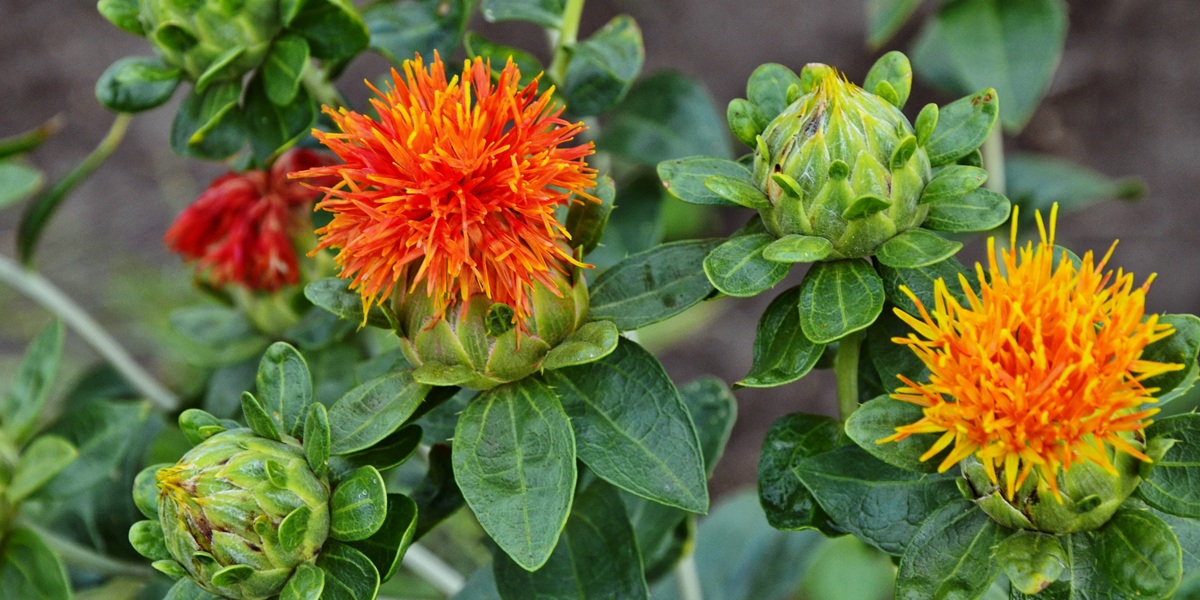
Safflower, botanically known as Carthamus tinctorius, is a thistle-like annual plant that produces bright yellow, orange, or red flowers.
It grows upright with spiny leaves and a deep taproot that allows it to tolerate drought better than many other herbs.
Historically, safflower was grown not only for medicine but also for:
- natural fabric dye
- cooking oil
- livestock feed
- traditional remedies
Unlike saffron, which comes from a crocus flower, safflower is an entirely different plant and is far more accessible.
Where Safflower Grows
Safflower prefers dry, sunny environments and well-drained soil.
It grows best in:
- warm climates
- open fields
- dry gardens
- semi arid regions
The plant is commonly cultivated in India, China, the Middle East, and parts of North America. Because of its deep root system, safflower can survive poor soil conditions where other plants struggle.
This makes it useful for homesteaders working with difficult ground.
How to Identify Safflower
Safflower is relatively easy to identify once mature.
Key identification features include:
- upright stems reaching 2 to 4 feet tall
- stiff, spiny leaves along the stem
- large flower heads resembling thistles
- bright yellow to deep orange petals
The flowers are the primary medicinal part of the plant, though the seeds are widely used for oil production.
Caution should be taken when harvesting due to the sharp spines along the leaves.
Traditional Uses of Safflower
Safflower has been used in traditional medicine systems for centuries, especially in Chinese and Middle Eastern practices.
Historically, it was used to support:
- healthy blood circulation
- joint comfort
- menstrual balance
- cardiovascular wellness
- skin vitality
The dried flower petals were often brewed into teas or added to herbal blends.
In traditional systems, safflower was considered a warming herb, used to promote movement and flow within the body.
Safflower and Circulation Support
One of safflower’s most well-known traditional uses is circulation support.
Herbal practitioners historically used safflower to encourage healthy blood movement, especially in cases of stiffness, cold extremities, or discomfort linked to poor circulation.
Because of this action, safflower was often included in formulas designed for joint mobility and recovery after physical strain.
It was not viewed as a stimulant but rather as a gentle mover.
Skin and External Uses
Safflower has also been used externally.
Infused oils made from safflower flowers were traditionally applied to:
- dry skin
- minor irritation
- areas of tension
The plant’s natural compounds were believed to nourish the skin and support healing when applied gently.
Safflower oil is still widely used today in natural skincare products due to its light texture and compatibility with most skin types.
How Safflower Was Prepared
Traditional preparation methods included:
- drying the flower petals for tea
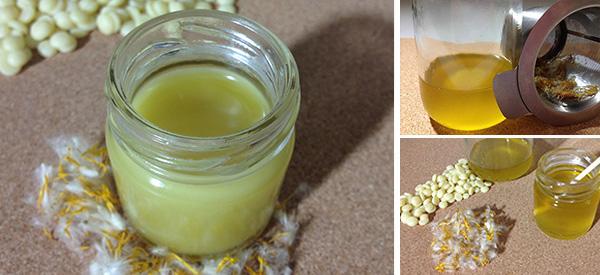
- infusing petals into oil
- grinding dried petals into powders
- combining safflower with other supportive herbs
A common preparation was safflower tea, made by steeping dried petals in hot water for short periods.
Because safflower is considered warming, it was typically used in moderation and not consumed continuously.
Safflower Oil
Safflower seeds produce a light colored oil that has been widely used as both food and medicine.
Traditionally, safflower oil was valued for:
- supporting heart health
- maintaining healthy cholesterol balance
- nourishing the skin internally and externally
The oil is high in linoleic acid and has remained popular due to its neutral taste and long shelf life.
In survival or self sufficiency settings, safflower oil offers a valuable plant based fat source.
Safety and Cautions
Safflower should be used with care.
Because it supports circulation, it has traditionally been avoided by:
- pregnant women
- individuals with bleeding disorders
- those using blood thinning medications
As with all herbs, proper identification and moderate use are essential.
Safflower is not meant for long term daily consumption without guidance.
Why Safflower Still Matters Today
Safflower is not flashy. It is not trendy. And it does not promise miracles.
What it offers instead is reliability.
It grows in tough soil.
It serves multiple purposes.
It has a long documented history.
For herbalists, gardeners, and preparedness minded individuals, safflower represents the kind of plant that quietly earns its place.
It reminds us that some of the most useful herbs are not rare or exotic, but practical and time tested.
Recommended
If you want to go deeper into traditional herbal medicine, knowing the plant is only the beginning.
What truly matters is understanding how to prepare it, store it, and use it safely when modern medicine is not available.
That is exactly why many herbalists and preparedness minded families turn to The Forgotten Home Apothecary.
Inside, you will discover:
- How to make shelf stable herbal remedies at home
- Step by step methods for tinctures, salves, teas, and infused oils
- Old world healing techniques passed down through generations
- How to build a practical home apothecary from simple plants
- Which remedies are most valuable during emergencies
This is not theory or folklore.
It is hands on knowledge designed for real life, real families, and real situations.
If you want the confidence that comes from knowing how to care for yourself when help is far away, The Forgotten Home Apothecary is a powerful place to start.
Because the herbs may grow in the field, but the knowledge must live in your home.
You may also like:
 DIY Recipes for Pain Relief, Detox, Memory, & More!
The Best Natural Painkiller That Grows in Your Own Backyard (Video)
The Plant That Helps Every Part of The Body At Once
Fennel Tea: A Soothing Brew with Ancient Roots and Modern Benefits