

Nature’s Diclofenac (the active substance in Voltaren)
Pain and inflammation affect all of us at some point. Whether it’s an acute issue like a sprained ankle, or a more chronic condition like osteoarthritis, easing discomfort is important for supporting your body and overall quality of life.
Pharmaceutical options are widely available, but they can come with unwanted side effects.
Fortunately, herbs are a gentle and effective alternative, helping to support the body through all types of painful conditions.
Risks and Side Effects of NSAIDs
Nonsteroidal anti-inflammatory drugs (NSAIDs) like diclofenac are commonly used to reduce pain, swelling, and inflammation from conditions such as arthritis, muscle injuries, or menstrual cramps.
While they can provide short-term relief, research shows that using these types of medications in high doses or for extended periods of time can have risks.
Some NSAIDs can cause gastrointestinal irritation, ulcers, or bleeding, and long-term use may increase the risk of cardiovascular or kidney problems.
For people living lifestyles or managing conditions that cause chronic pain or inflammation, it is especially important to consider these potential side effects.
In this case, herbal alternatives can be a great way to ease discomfort and swelling, without the added risks.
Listen, as much as we love herbal remedies, let’s be real:
We all take painkillers sometimes. When you’re in acute pain, you need relief now – and herbal remedies aren’t always instant.
So if you do take NSAIDs or any pills, here’s what you need to know: protect your gut from the damage they cause.
Those stomach ulcers and digestive issues from NSAIDs? Your gut lining is literally being torn apart. Once compromised, everything falls apart – weakened immunity, spreading inflammation, tanked nutrient absorption.
The smart approach? Take protective herbs alongside pills to repair damage as it happens.
Remedies like Reishi, Turkey Tail, Slippery Elm, Marshmallow, and Lion’s Mane – all proven to soothe intestinal inflammation and support healthy gut function.
It’s mandatory damage control. If you’re taking pills that harm your gut, you need something repairing it simultaneously.
This Gut Blend contains all of the above, the smartest insurance for anyone taking medications.
Herbs for Pain and Inflammation
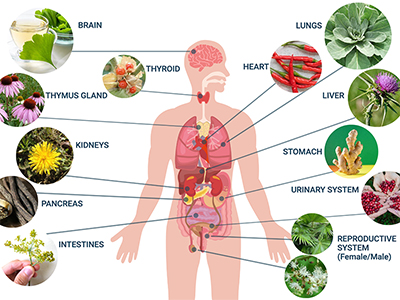
For centuries, herbs have been used to naturally ease aches and calm inflammation, supporting the body without harsh side effects. Here are a few herbs that have been shown to be especially effective.
Turmeric
Turmeric (Curcuma longa) is a powerful anti-inflammatory herb with a long history of use in both Ayurvedic and traditional Chinese medicine. Traditionally used for joint pain, modern research now demonstrates its ability to reduce muscle aches and symptoms of osteoarthritis.
Ginger
Ginger (Zingiber officinale) is a warming herb that is used both orally and topically to help ease pain and inflammation. Modern research supports its effectiveness for a variety of conditions, including menstrual cramps, muscle soreness, osteoarthritis, and chronic back pain.
Valerian
Valerian (Valeriana officinalis) is a calming herb that is often used for insomnia. Its powerful relaxing effects also help to ease painful conditions like muscle spasms, menstrual cramps, and pain that is related to excess tension. It can be particularly helpful when pain causes restlessness and difficulty sleeping.
But why Valerian? Pain prevents you from reaching Stage 3 and 4 sleep – the deep phases where your body repairs tissue, reduces inflammation, and resets your nervous system.
You might sleep 8 hours, but never hit deep sleep because pain keeps pulling you back. You wake exhausted and still in pain.
Valerian targets exactly this. It helps your brain transition into those crucial deep sleep stages where real healing happens. That’s why it’s used specifically for pain-related sleep issues.
But valerian needs proper extraction to work. Weak tea won’t cut it.
This valerian tincture is specifically formulated for rest and recovery – double-extracted for therapeutic doses. A few drops 30 minutes before bed gives your body the deep sleep it needs to heal.
Get it here and break the pain-insomnia cycle.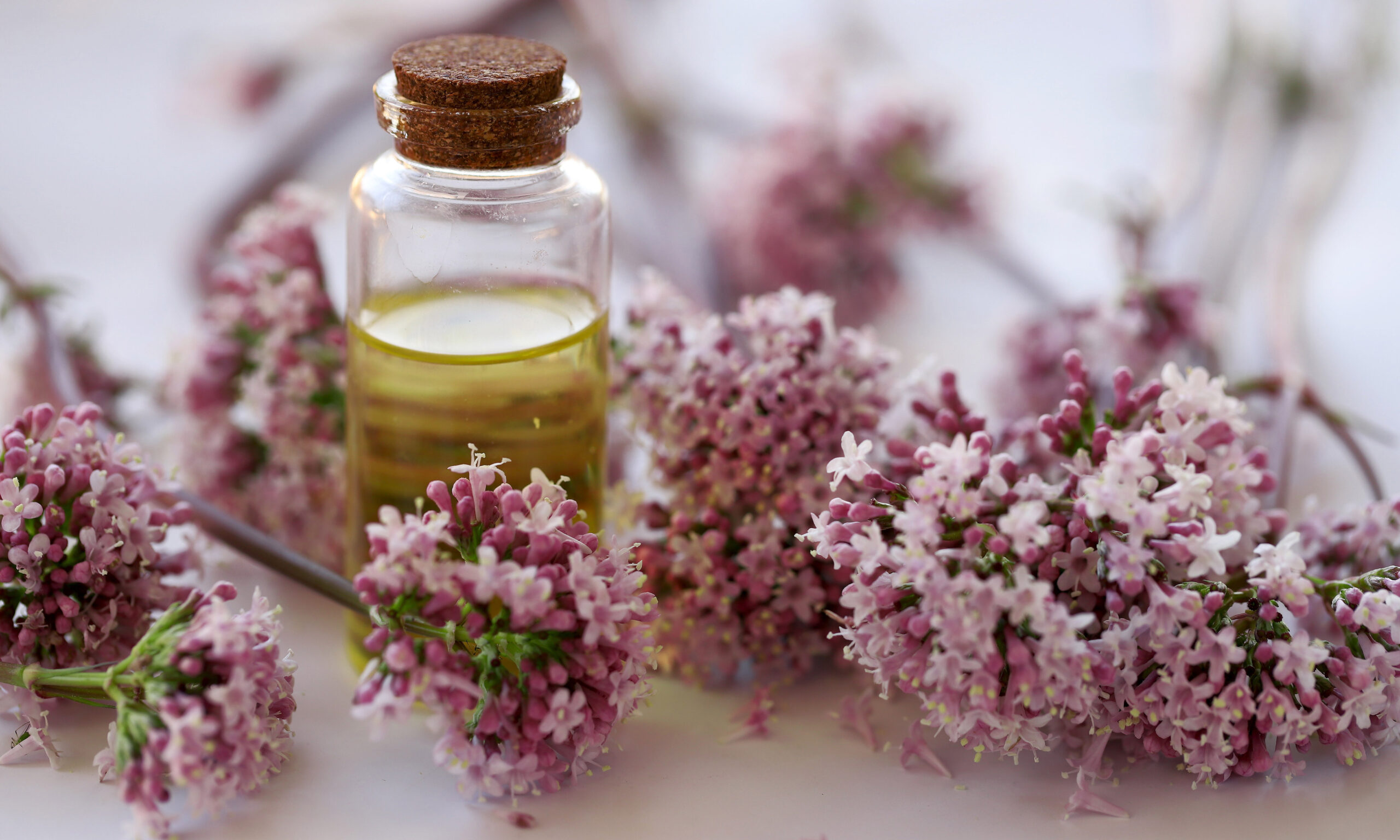
St. John’s Wort
St. John’s wort (Hypericum perforatum) is best known as a mood boosting herb, but it is also helpful for nerve pain and inflammation. Herbalists commonly infuse the flowers into oil and use this preparation topically for aching muscles, bruises, sciatica, and nerve pain.
Willow
Willow bark (Salix spp.) has a long history of use as a natural pain reliever. It contains salicin, a compound similar to aspirin. Research shows it can help ease muscle soreness, joint pain, and inflammation.
Black Peppercorn
Though best known as a culinary spice, black pepper (Piper nigrum) is also a helpful addition to the medicine cabinet. It has warming, stimulating properties that help to reduce inflammation. Black pepper’s active constituent, piperine, also helps to improve the bioavailability of certain compounds, including the curcumin in turmeric.
Cayenne
Cayenne (Capsicum annuum) contains capsaicin, a constituent with powerful anti-inflammatory and pain-relieving properties. When applied topically, capsaicin desensitizes pain receptors, and can help provide relief from muscle aches, arthritis, and nerve pain.
A Word of Caution About Cayenne:
Cayenne is powerful for pain relief – but making it yourself can go very wrong. Get proportions wrong and you’ll burn your skin. Touch your eyes? Hours of regret. The oil gets everywhere.
That’s why I recommend professionally-prepared cayenne salve. The Joint & Movement Salve contains cayenne with St. John’s Wort, arnica, and cottonwood buds – precisely measured for maximum relief without burn risk.
Yes, it’s still spicy (that’s how you know it works). But it’s therapeutic, not damaging. Apply to joints, muscles, or nerve pain and feel the warming relief penetrate deep.
Just wash hands after (this is real cayenne), and avoid sensitive areas.
Get the Joint & Movement Salve here – cayenne’s power without the DIY danger.
Skullcap
Skullcap (Scutellaria lateriflora) is a gentle yet powerful herb that has long been used to support the nervous system. Traditionally used for stress headaches, muscle tension, and chronic pain, it helps calm the mind and relax the body. Skullcap is particularly helpful in situations when pain is worsened by stress or anxiety, as it eases both physical tightness and emotional upset.
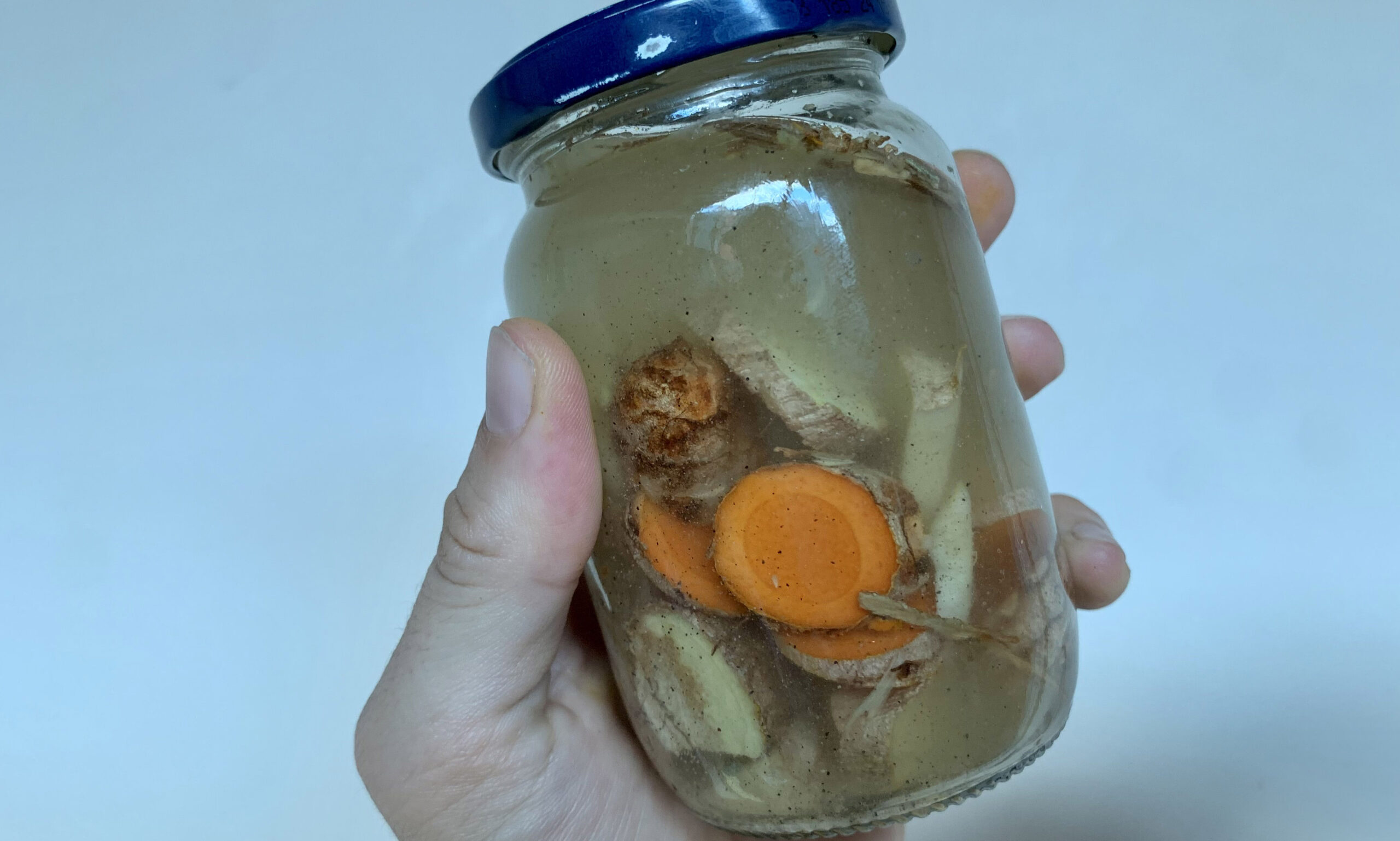
Make Your Own Pain Relief Tincture
Creating your own herbal tincture is a simple and effective way to support your body when you’re dealing with pain and inflammation. This blend combines a few powerful herbs known for their soothing and anti-inflammatory properties.
Ingredients:
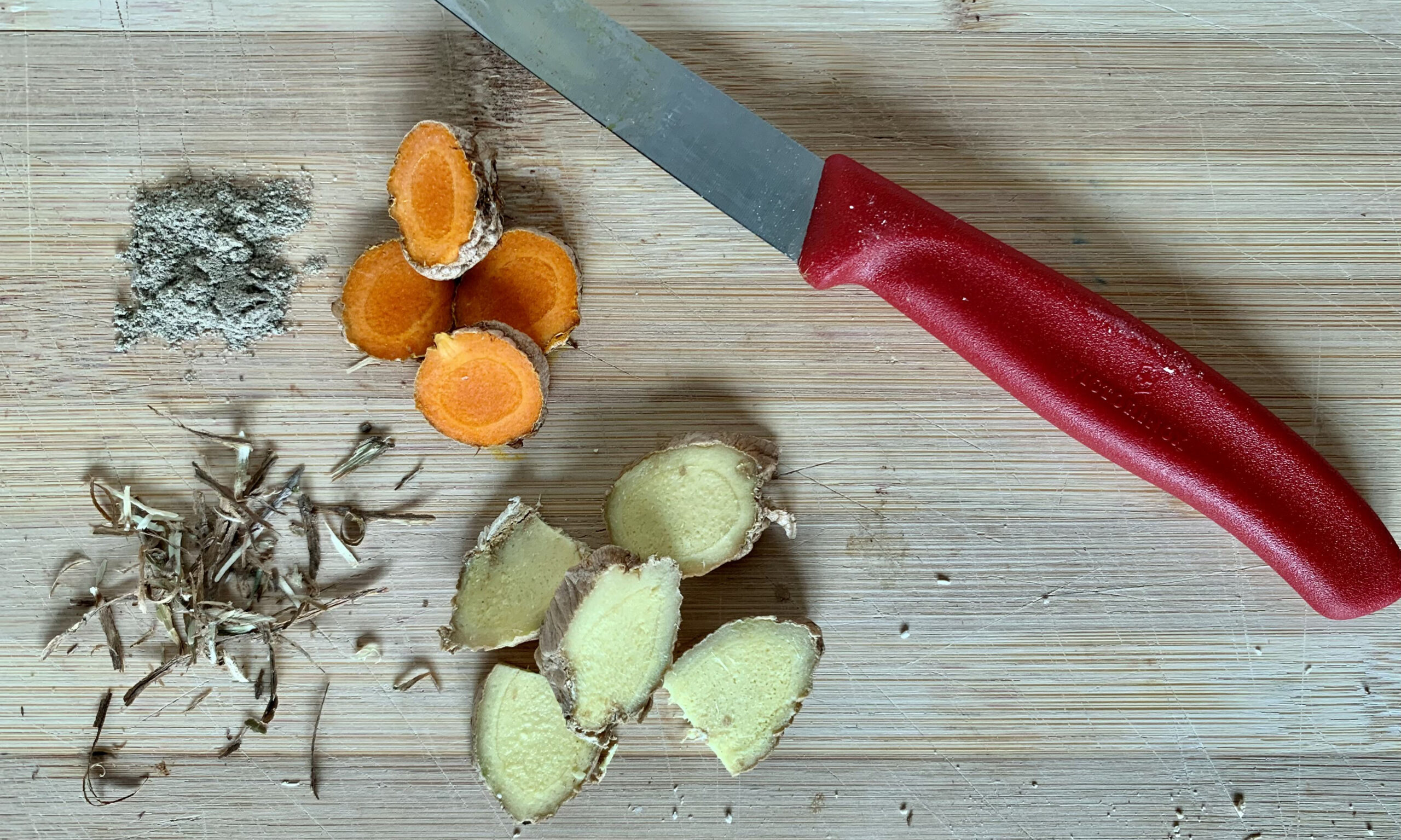
- 1 Tbsp turmeric, dried
- 1 Tbsp ginger root, fresh
- 2 Tbsp willow bark
- A pinch black peppercorn
- Approximately 150 ml of 80 proof alcohol
Instructions:
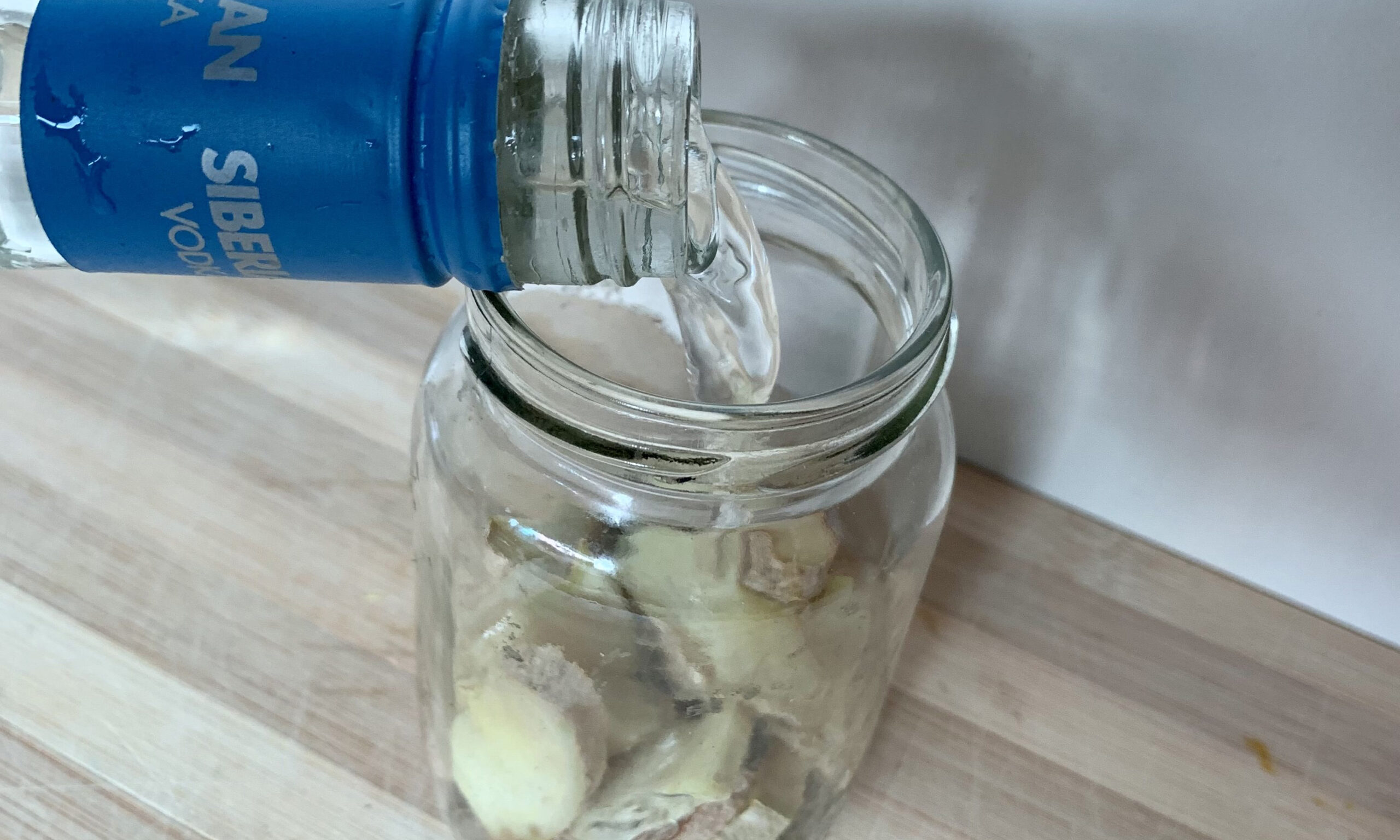
- Add the turmeric, ginger, willow bark, and black pepper to a jar.
- Pour vodka over top, making sure the plant matter is submerged by at least an inch.

- Cover tightly with a lid. Shake well.
- Let steep for 6-8 weeks, shaking occasionally.
- Strain out the plant matter and rebottle the tincture.

The Complete Pain Relief System Your Body’s Been Begging For
Think about your daily routine. You wake up stiff. You reach for something and wince. You climb stairs and feel every step. You sit too long and stand up slowly. You go to bed aching.
That’s not living. That’s surviving in constant discomfort.
Now imagine addressing pain from every angle:
- Internal support with anti-inflammatory tinctures that reduce systemic inflammation
- External relief with penetrating salves that ease muscles and joints on contact
- Gut protection so NSAIDs (if you take them) don’t destroy your digestive system
- Deep sleep so your body can actually repair itself overnight
That’s exactly what the Joint & Movement Bundle provides. It includes:
Joint & Movement Salve – Cayenne, St. John’s Wort, and arnica for topical relief
Balanced Gut Blend Tincture – Reishi, Turkey Tail, and healing herbs to protect your gut
Stinging Nettle Tincture – Reduces inflammation and supports mobility
Reishi Mushroom Tincture – Adaptogenic support against stress-induced pain
Turkey Tail Mushroom Tincture – Immune and gut health to address root causes
This isn’t just symptom management. It’s a complete system that works with your body to reduce pain, improve mobility, and restore quality of life.
Every product is wild-harvested or organically grown. Every tincture is double-extracted for maximum potency. Every formula is crafted by Dr. Nicole Apelian herself.
Get the Joint & Movement Bundle here and stop living in pain. Your body deserves better.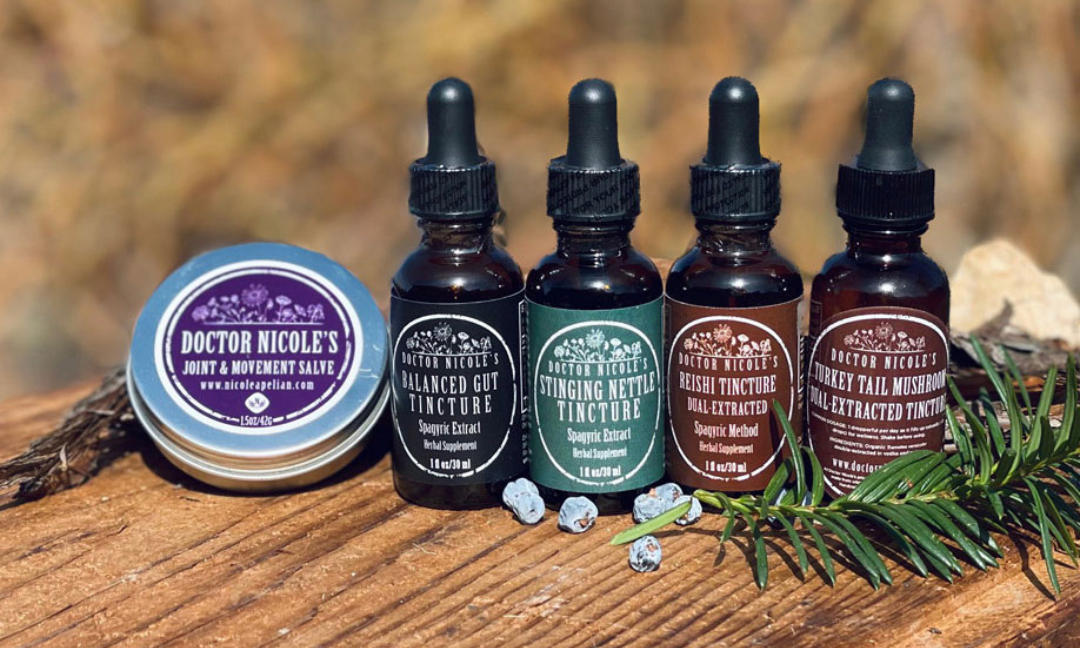
Holistic Pain Management
Managing pain naturally isn’t as simple as taking an herb. Unlike pharmaceuticals that provide fast relief, herbs work best when combined with supportive therapies that address underlying issues.
Stress, sleep, diet, and emotional well-being all affect pain. Using herbs as part of a whole-body approach supports your body and improves overall health, which eases pain and inflammation.
Heat and cold soothe pain – heating pads ease muscle tension, ice packs reduce inflammation.
Gentle movement like yoga, stretching, and short walks keeps joints flexible and eases stiffness.
Massage improves circulation and releases tension. Using herbal-infused oils makes it more effective.
Rest is powerful for recovery. Quality sleep allows muscles and joints to repair, reduces inflammation, and resets the nervous system.
NSAIDs have their place, but nature provides gentler alternatives. Combining herbal remedies with supportive practices addresses root causes of pain instead of masking symptoms. This holistic approach may improve vitality and quality of life over time.
The Complete Protocol You’re Missing
Heat helps. Cold reduces swelling. Movement keeps joints flexible. Massage releases tension. Rest allows repair.
But here’s the truth: these only work when combined correctly, with the right timing, alongside the right remedies.
Wrong sequence? You worsen inflammation. Too much rest? Stiffness. Wrong herb with your medication? Dangerous interactions.
Pain management isn’t one thing – it’s orchestrating dozens of elements into a complete protocol.
The Holistic Guide to Wellness contains 45 complete protocols including Pain Management, Rheumatoid Arthritis, Osteoporosis, Inflammation, Anxiety & Stress, and Sleep.
Each tells you what to do, when, and why – morning, afternoon, evening routines that address root causes.
Get your complete pain management roadmap here and finally heal the way your body was meant to.
Alcohol raises blood pressure, is there an alternative to alcohol to make tinctures?
Apple Cider vinegar or glycerin. Since the amount that is recommended to take per dose is so small, I wouldn’t think it would have any effect on BP. Usually less than 1/2 t.
How to use it? What is the dosage? Thanks.
Thanks for the recipe! What is the dosage and how often can it be taken daily please 🙂
wondering why dried turmeric not fresh? thank u