
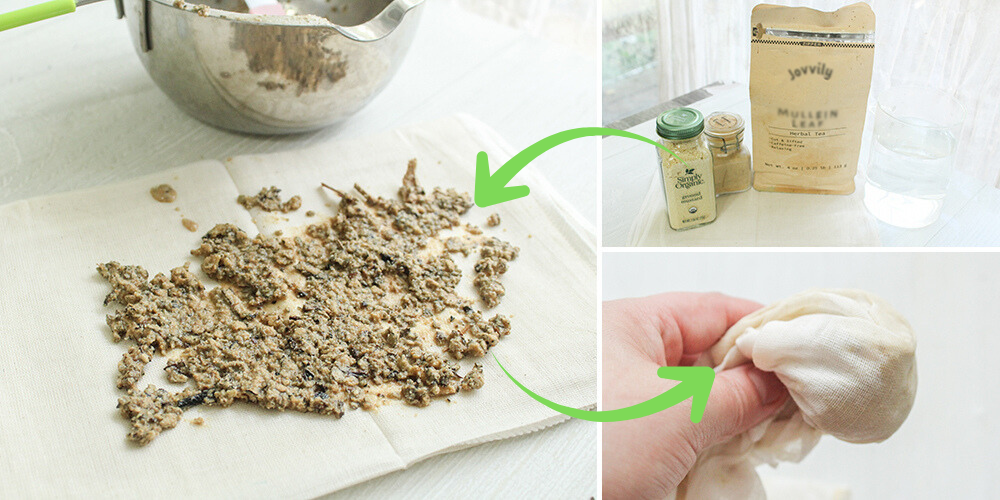
Herbal Poultice Body Map
If you’re new to herbalism, one of the first things you should learn to do is make a poultice.
Before there were medicinal patches or ointments, people created pastes out of various herbs and placed them in a thin cloth, which was then tied and put on the body.
These remedies could draw out infections, soothe chest colds, and support total healing. After all, what’s more powerful than giving herbs direct contact with your skin?
In this post, we’ll clue you in on the Herbal Poultice Body Map that will show you how to apply different poultices to various parts of the body for fast relief.
We’ll give you the recipe for our Chest Congestion Poultice, which has been proven to loosen stubborn mucus. Plus, you’ll be empowered to create your own poultices with the herbs that are available to you.
If you’ve ever been curious about how to utilize ancient remedies…this is a great place to start.
Why Do Poultices Work?
A poultice may seem slightly outdated, but there’s a reason they work so great, and scientific evidence to back it. Poultices require moistening the herbs into a paste, which allows their active compounds to be absorbed into the skin. This gives you the most targeted relief.
Many poultices utilize both heat and moisture, a combination that penetrates deeper into the skin than other remedies, such as a salve. You can actually feel your body healing as heat dilates blood vessels and gets the plant’s compounds where they need to go in record time.
Not only can heat ensure a speedy delivery of medicinal compounds, but it also relaxes muscles and soothes aches and pains. When you combine heat with potent herbs, you get a multifaceted remedy that works just as well as over-the-counter options.
Depending on the herbs used, poultices can also be anti-inflammatory, reducing oxidative stress in the body and helping it heal faster. They can also be made with drawing agents like bentonite clay or plantain to remove infection.
Essentially, poultices are wonderful because you choose the type of healing benefits. And you’ll soon discover that your customization options are endless.
I’ve covered the basics here to get you started. But if you’re serious about deepening your plant knowledge, the kind that lets you confidently help your family when they need it most, I learned everything from Nicole Apelian’s courses.
She’s spent 30 years studying with indigenous healers and battling her own MS with plant medicine. Her approach bridges ancient wisdom with practical, modern use.
Whether you’re just curious or want to build real skills, her teachings are the most complete resource I’ve found. Here’s the free lesson she gives.
Herbal Poultice Body Map
The greatest benefit of an herbal poultice is that you can apply it to whatever part of the body needs healing. Different parts of the body benefit from various herbs, and it can be hard to determine what to put where!
This Herbal Poultice Body Map will give you a selection of herbs to help you make an educated decision when crafting your poultice. Here’s a guide to the most common applications.
Chest and Lungs: If you’re struggling with congestion or blocked airways, try a poultice made with mullein, whose anti-inflammatory compounds are great for relieving mucus blockage. You can also use warming herbs like ginger and mustard to boost circulation and loosen mucus.
I actually discovered mullein’s power the hard way. My sister recommended a mullein tincture when I was dealing with persistent congestion, and what came up was… honestly shocking.
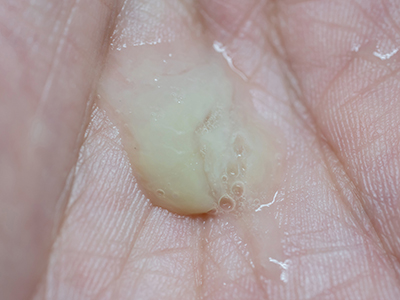 I’m attaching a photo, though fair warning, it’s not pretty. I had no idea that much buildup was sitting in my airways. Since then, mullein has become a staple in my cabinet.
It’s one of those herbs that makes you realize your body might be carrying more than you’re aware of, and breathing freely again is a gift.
Here’s the mullein tincture I took, for when you’ll need it.
Head and Neck: Some of the most common areas for aches and pains, the head and neck benefit greatly from cooling herbs like peppermint and eucalyptus. These herbs include menthol, which is excellent for migraines. Place your poultice on your forehead, or if experiencing muscle tension in the neck, add relaxing chamomile and set it on the neck. You’ll feel the tension fading in no time.
Joints: Your knees, elbows, and wrists take a lot of pressure, leading to chronic pain. Anti-inflammatory herbs like turmeric, ginger, comfrey, and rosemary can reduce pain and support tissue repair, particularly for those with osteoarthritis.
If you’d rather skip making your own and want something ready to use, I keep this joint-warming salve on hand. It’s the one I reach for when my knees act up after hours standing.
Digestive System (Abdomen): Cramping, bloating, gas, and digestive issues can benefit from poultices made with chamomile, fennel, ginger, and peppermint. The best part is that all of these herbs are safe for children. You can also use a digestive poultice to assist with menstrual cramps.
Skin Issues: Poultices form a protective layer over the skin, reducing scarring and encouraging wound healing. This remedy is great for rashes, minor cuts, and bug bites. Try plantain, calendula, slippery elm, and yarrow.
For times when you need something immediately and don’t have fresh herbs available, I always keep this first aid salve stocked. It’s affordable, works consistently, and has gotten me through everything from kitchen burns to my kids’ scraped knees. Click here to get yours.
General Detox: You may have seen foot pads promising to detox the body. While many of these are gimmicks, you can make your own detox poultices that genuinely work. Make a paste of ground onion, bentonite clay, and ginger to draw toxins and reduce swelling.
As you see, any part of your body can benefit from a poultice. And, by matching the right herb to the right area, you can offer your family a host of healing options.
Choose which areas bother you the most, then stock your home apothecary with the most beneficial herbs.
How to Make a Chest Congestion Poultice
Though simple, a Chest Congestion Poultice is one of your top weapons against stubborn phlegm and ragged breathing. With a few ingredients and basic supplies, you can make a topical treatment that doesn’t require a trip to the store. Here’s how to add this recipe to your wellness arsenal.
Ingredients:
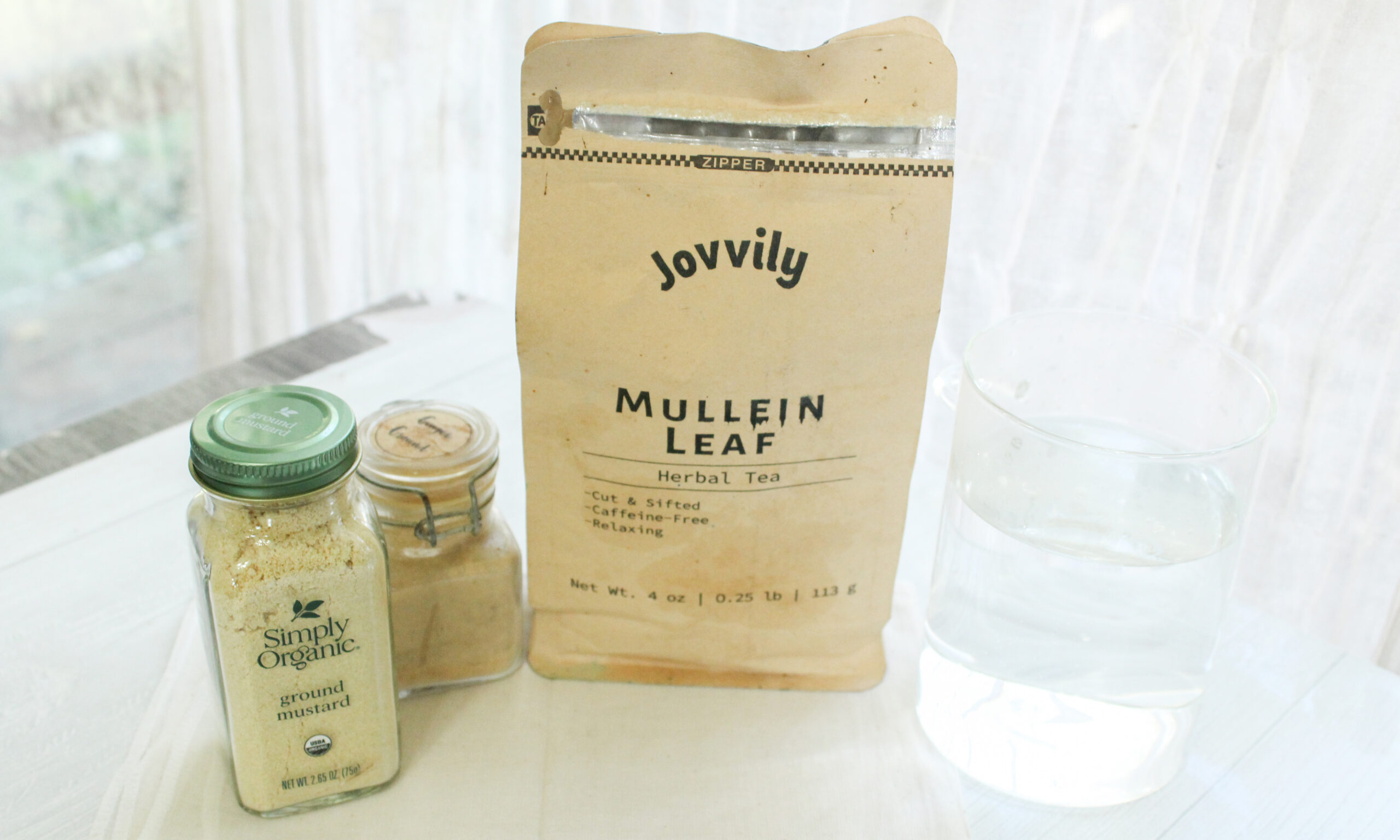
- 2 tablespoons dried mullein leaves
- 1 tablespoon grated fresh ginger or 1 teaspoon dried ginger powder
- 1 teaspoon mustard seed powder
- Hot water
Instructions:
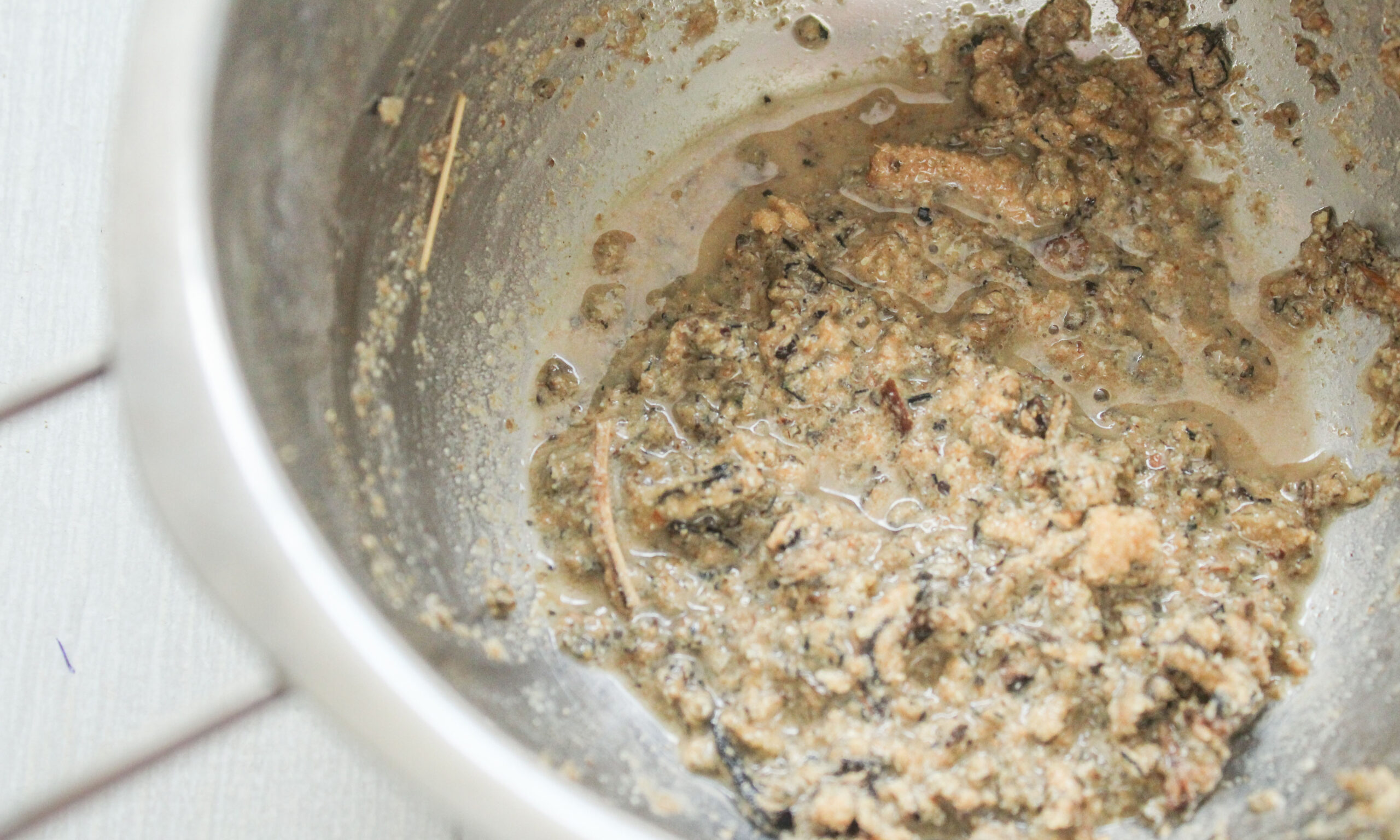
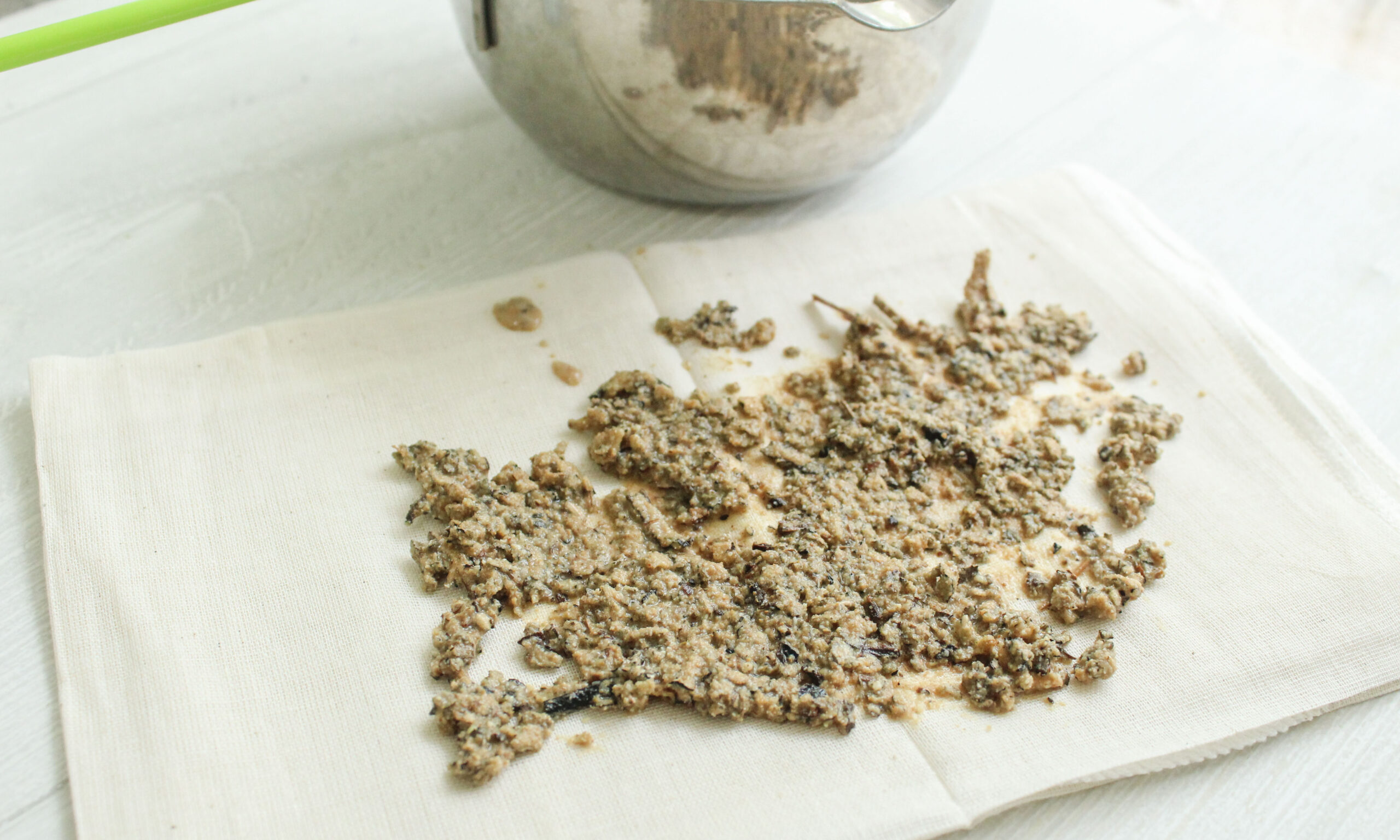
- Mix the mullein, ginger, and mustard seed powder in a small bowl with enough hot water to form a thick paste. Start with 1 tablespoon, then add more, a tablespoon at a time, until you reach your desired consistency.

- Spread the paste evenly onto a piece of cloth or cheesecloth. Fold the fabric so the herbs are enclosed but still in contact with the skin. Apply the poultice to the chest while warm (but not hot enough to burn). Cover with a towel to trap heat and leave in place for 20–30 minutes. Remove and rinse with water.
How to Use This Remedy
People of all ages can use poultices, but keep the stronger herbs for teenagers and adults. If making a poultice for young children, stick with tamer herbs like chamomile, lavender, calendula, and plantain. If you have sensitive skin, a patch test is always a good idea to avoid any surprises later. 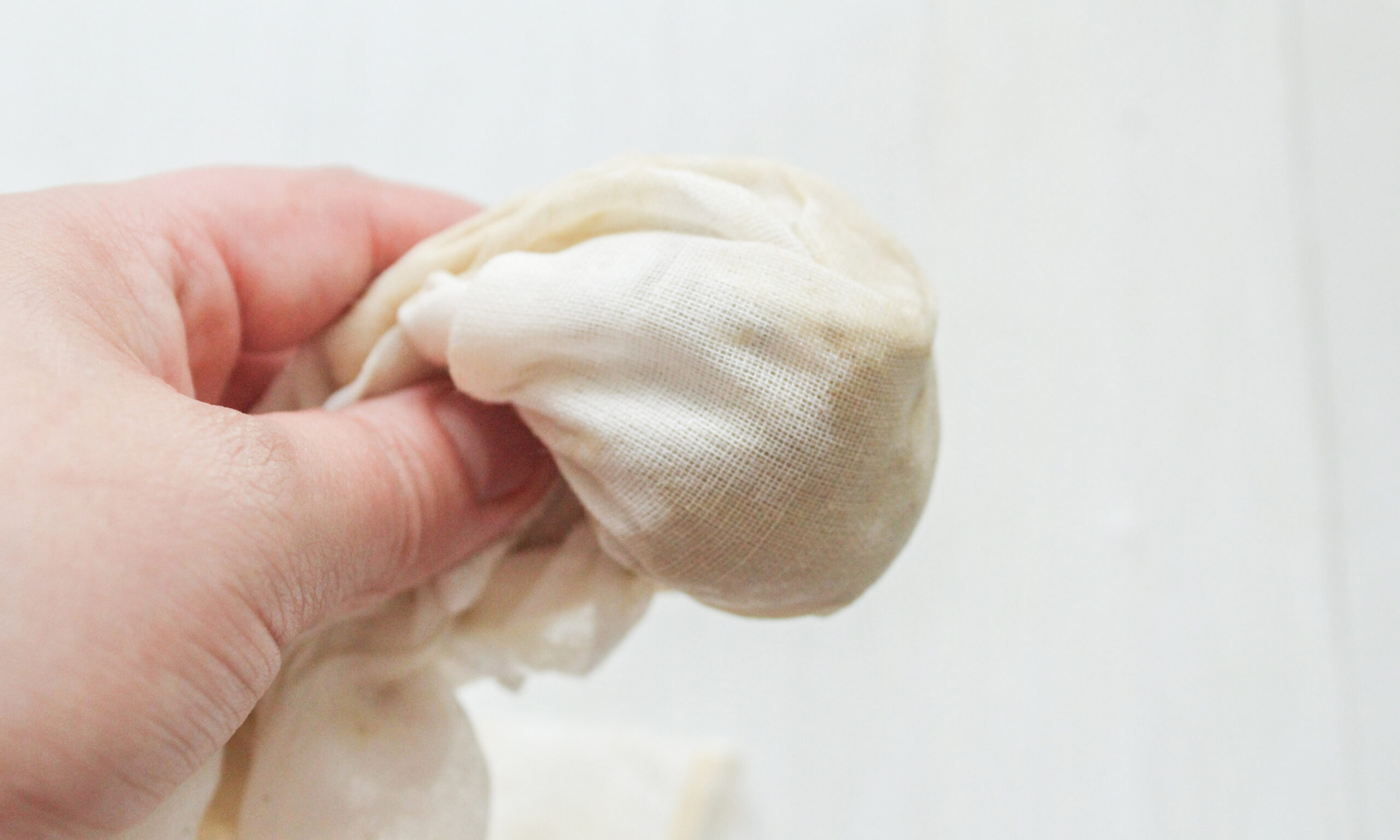
Poultices can be applied 1-2 times a day until symptoms improve, or if you’re dealing with chronic aches, your poultice can be used a few times a week as part of your pain relief protocol. If your skin feels dry, follow up with a carrier oil to lock in moisture.
Where To Find The Complete Plant Knowledge
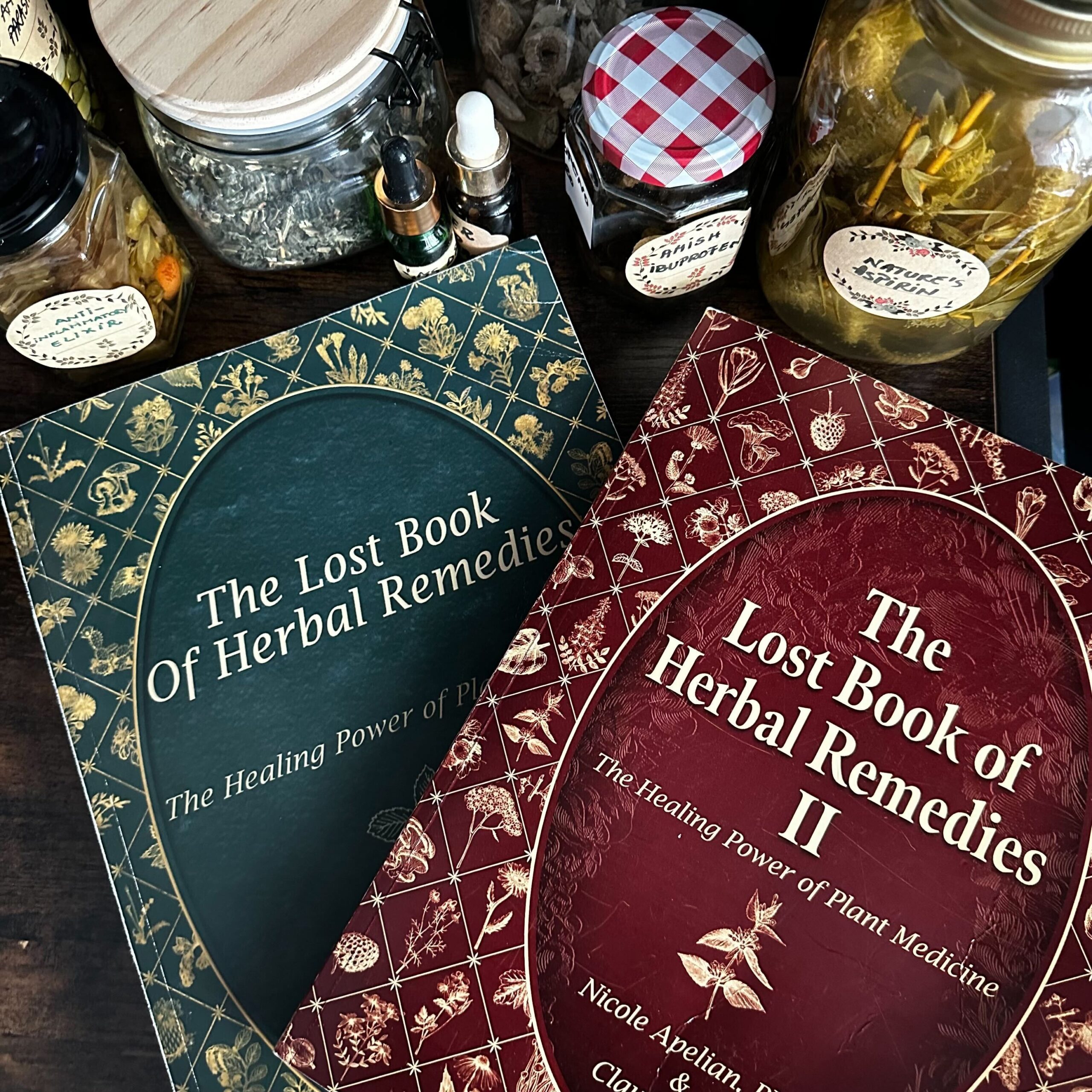
Here’s something most people don’t know: Nicole Apelian recently released a second volume of her herbal remedies book.
She calls it The Lost Book of Herbal Remedies II, and honestly, it feels like she held back some of her best material for this.
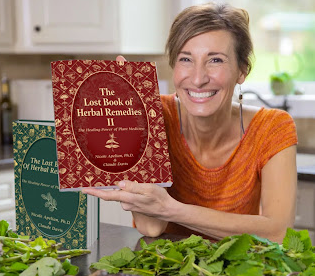 Inside, you’ll find 139 completely new plants (none repeated from the first book), over 207 step-by-step remedies, and techniques she didn’t have room to cover before, like herbal jellies, smoking blends, and ice cube remedies that preserve medicine for months.
The photography alone is worth it: extreme close-ups that make identification foolproof, even for beginners.
The catch? It’s a limited physical edition. They’re not printing extras, and once they’re gone, that’s it. If you already have the first book, you can grab this one for $37 (which includes three bonus guides worth $87).
If you don’t, well… you might want to think about why you’re still reading this.
This is the kind of knowledge that doesn’t just sit on a shelf. It becomes the thing you reach for when someone you love is hurting and conventional options aren’t cutting it. Get your copy here before they’re gone.

Do you have it available digitally for those of us outside the US?
Hello Malu!
Please let us know for which region you’d like to get it and we will assist you.
Looking forward to your reply, thank you!