
Having a Bad Day? Here’s How Herbalists Turn It Around Fast
The Sympathetic Nervous System, Stress, & You
All of us have experienced it at one point or another: a morning where nothing seems to go right: surprise delays, children acting out, an alarm clock that decided to not go off. It can set the tone for the rest of your day and set the stage for ongoing stress and upset.
And it can also be challenging to get everything back on track. Many have observed that workplace conflicts tend to erupt when someone has started the day on the wrong foot and wasn’t able to rebound from the setback.
The root of the problem? Our stress response to these challenges that triggers our sympathetic nervous system — otherwise known as the fight or flight response. This is an important system if we are facing an immediate threat to our well-being, such as being chased by a wild animal or if our safety or that of a loved one is in jeopardy.
But it isn’t helpful if it is associated with spilled coffee down the front of your shirt, an unexpected traffic jam, or pressures from family or work. In fact, when our sympathetic nervous system is activated, our ability to reason, focus, and think clearly is significantly compromised — and these are the exact mental states we need in day-to-day life when things go wrong.
So how do we turn the situation around quickly? 
When You Need a Reset, Do This
To efficiently get your day back on track, the first step is to activate the parasympathetic system. You can do this via the vagus nerve that runs from our intestinal tract to the brain — otherwise known as the gut-brain axis.
The techniques below all involve types of bodywork that can quickly switch you from the sympathetic system to parasympathetic, many times in just a minute or two. Let’s get started.
Breathe. While it may seem obvious, you would be surprised how often we hold our breath or have shallow breathing when we are under stress, which in turn triggers the fight or flight response. Instead, we can consciously focus on our breath to interrupt this mechanism and instead activate the parasympathetic system.
My favorite breathing technique that will help you to achieve calm in three minutes or less is called the Senobi Breathing Exercise.
Get out into nature. When we are spinning with stress and our day is running behind, the last thing on our mind is to take a break and venture out into nature. But even a few minutes in a nearby park or out in your garden will make a world of difference in how you approach the rest of your day.
It will soothe the stress response so that you are more efficient overall with clarity and focus. Think of it as an important morning reset for your body and mind to get things back to a positive note.
Once the fight or flight response is interrupted, you want to flood your system with feel-good hormones. And the quickest way to do this is exercising, hugging someone you love, or spending a bit of time petting your pet.
All three encourage the release of endorphins and serotonin, whereas when we connect with a pet or a person, oxytocin also floods our system. There is a good reason it is called “the love hormone”!
I would also like to add that focusing on gratitude is also helpful, particularly if you are short on time or stuck in traffic. It too helps to reset your day. The best part? It can be done anywhere — even while driving or contending with a fussy child.
When you have your day back on track where you are calm and settled, it is important to examine the source of stress so that you can streamline your day. More often than not, stress rears its head when we feel out-of-control with too many items on our to-do list.
If there is one minor wrench thrown into the equation, it seems as though everything comes tumbling down — and the stress response kicks in.
Instead, we now have the clarity to evaluate our list and prioritize what absolutely must get done and eliminate those areas that are not quite so important. You can also delegate or ask for help if you are feeling overwhelmed. This will give you an additional sense of control and order, which lowers your stress load further.
Lastly, if you find that starting the day on the wrong foot is the norm rather than the exception, there is a good chance other areas of your life are in need of attention. When we go full-steam and are reacting to life instead of responding, it’s time to evaluate our priorities and downtime.
It’s not just about eliminating stress-causing aspects of our life, but also adding in areas that give us joy to replenish mind, body, and spirit. This can include spending time in nature, working on a hobby, reading, connecting with loved ones and a spiritual community, unplugging, and “do nothing” days.
Additionally, don’t underestimate the power of deep, rejuvenating sleep. Poor rest the night before is one of the top reasons our morning (and subsequently, the rest of the day) goes wrong. When we don’t wake-up refreshed and revitalized, our thinking is muddled, energy lags, and patience hits an all time low.
Herbal Solutions
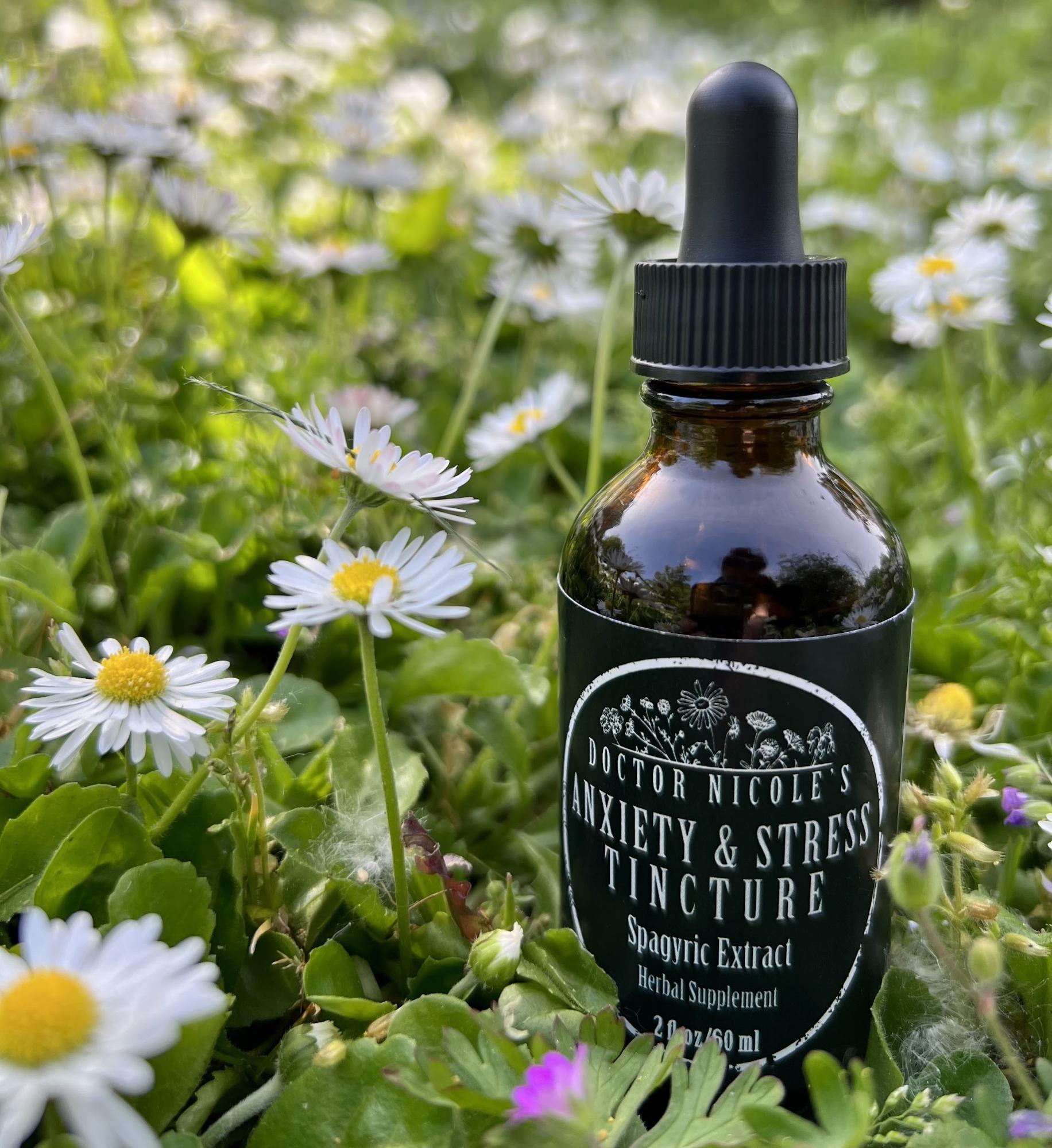 When I am facing a particularly stressful season of life, along with the above suggestions, I reach for our Anxiety & Stress Blend in the apothecary. It is formulated with a potent combination of calming botanicals that soothe the stress response quickly so that I can continue with my day — clear, balanced, and efficient.
What’s more, when taken regularly, it helps to prevent stress from taking hold in the first place due to the powerful adaptogenic herbs ashwagandha and reishi. It also contains lemon balm to calm nervousness and lion’s mane for boosting cognitive function.
If I’m experiencing poor sleep, I turn to our Sleep Blend. It helps me to fall asleep faster and stay asleep longer by promoting healthy sleep patterns.
This powerful formula contains valerian that helps to increase levels of the calming neurotransmitter GABA. Hops also boosts GABA in the brain, reduces body temperature to promote sleep, and acts as a safe and effective sedative.
Both chamomile and passion flower calm the nervous system and ease anxiety, while magnesium glycinate supports healthy REM patterns.
I hope these suggestions have been helpful. If you are ready to take your health and well-being to the next level, visit the apothecary today to learn more!

Editor’s Note:
Nicole introduces two powerful tinctures above—and they work. But what if you want to make them yourself? What if you need remedies for the dozen other stress-related symptoms she didn’t cover here—insomnia that won’t quit, adrenal fatigue, brain fog, digestive issues triggered by chronic stress?
That’s why Nicole created what’s become her best-selling book ever. It’s the result of decades in the field as a trusted herbalist—all her knowledge condensed into one recipe book that addresses nearly every ailment naturally, using only herbs.
Inside, you’ll learn how to make remedies like:
- Herbal Sleeping Pills – Deep, restorative sleep without grogginess or dependency
- Memory Elixir – Improves cognitive function by up to 75% (perfect for stress-induced brain fog)
- Stress-Free Elixir – Take a few drops whenever you need to wind down naturally
- Natural Brain Booster – Sharpen focus before big meetings or stressful events
- Amish Ibuprofen – Calm inflammation caused by chronic stress
- Herbal Parasite Flush – Yes, stress weakens your gut and makes you vulnerable
- Bowel-Balance Elixir – For the digestive chaos stress creates
- Restorative Liver Tea – Detox after your body’s been flooded with stress hormones
These aren’t gentle suggestions. They’re 250+ tested recipes with exact measurements, step-by-step instructions, and dosage guidelines. The kind of remedies that actually work—not because they mask symptoms, but because they address root causes.
And here’s what matters: this book is printed in limited edition. Once these copies are gone, there’s no guarantee they’ll reprint. Stocks are already running low, and every day more people discover what our ancestors knew—that the best medicine doesn’t come from a pharmacy charging $500/month. It comes from plants you can grow, forage, or buy for pennies.
Watch Nicole explain why this book is unlike anything else she’s ever created—and see the powerful remedies inside that can transform how you handle stress, sleep, anxiety, and everything else life throws at you.
Click here to watch Nicole’s message and secure your copy before they’re gone.
You may also like:
Frequently Asked Questions
What triggers the sympathetic nervous system?
The sympathetic nervous system is triggered by stress, perceived threats, or challenges like traffic, work pressure, or morning disruptions. It activates the fight or flight response, releasing cortisol and adrenaline while compromising your ability to think clearly and focus.
How do I calm my nervous system fast?
Activate your parasympathetic nervous system through deep breathing exercises, spending time in nature, hugging loved ones, or petting animals. These techniques can shift you from fight or flight to calm in 1-2 minutes by stimulating the vagus nerve.
What is the vagus nerve and what does it do?
The vagus nerve is the main nerve connecting your gut to your brain (the gut-brain axis) and controls your parasympathetic nervous system. Stimulating it through breathing, cold exposure, or meditation helps reduce stress and inflammation throughout the body.
What are the symptoms of an overactive sympathetic nervous system?
Symptoms include rapid heartbeat, shallow breathing, difficulty focusing, irritability, digestive issues, and feeling overwhelmed by minor setbacks. Chronic activation can lead to anxiety, high blood pressure, poor sleep, and weakened immune function.
Does deep breathing actually reduce stress?
Yes, deep breathing directly activates the parasympathetic nervous system by stimulating the vagus nerve, which signals your brain to calm down. It lowers cortisol levels, slows heart rate, and can reduce stress in as little as 3 minutes.
What is ashwagandha good for?
Ashwagandha is an adaptogenic herb that reduces cortisol levels, helps manage stress and anxiety, improves sleep quality, and supports cognitive function. It works by regulating the body’s stress response and has been used in Ayurvedic medicine for thousands of years.
How does nature reduce stress?
Nature reduces stress by lowering cortisol levels, decreasing heart rate and blood pressure, and activating the parasympathetic nervous system. Even 5-10 minutes outdoors can improve mood, focus, and mental clarity while reducing fight or flight activation.
What hormones are released when you hug someone?
Hugging releases oxytocin (the love hormone), endorphins, serotonin, and dopamine while reducing cortisol. These hormones promote bonding, reduce pain and anxiety, improve mood, and strengthen the immune system.
Why can’t I sleep when I’m stressed?
Stress keeps your sympathetic nervous system activated, releasing cortisol and adrenaline that prevent melatonin production and keep your brain alert. This creates a cycle where poor sleep increases stress, which further disrupts sleep patterns and cognitive function.
What is the best natural remedy for anxiety and stress?
The best natural remedies include adaptogenic herbs like ashwagandha and reishi, calming herbs like lemon balm and chamomile, regular exercise, deep breathing techniques, and adequate sleep. Combining multiple approaches works better than relying on a single remedy.