
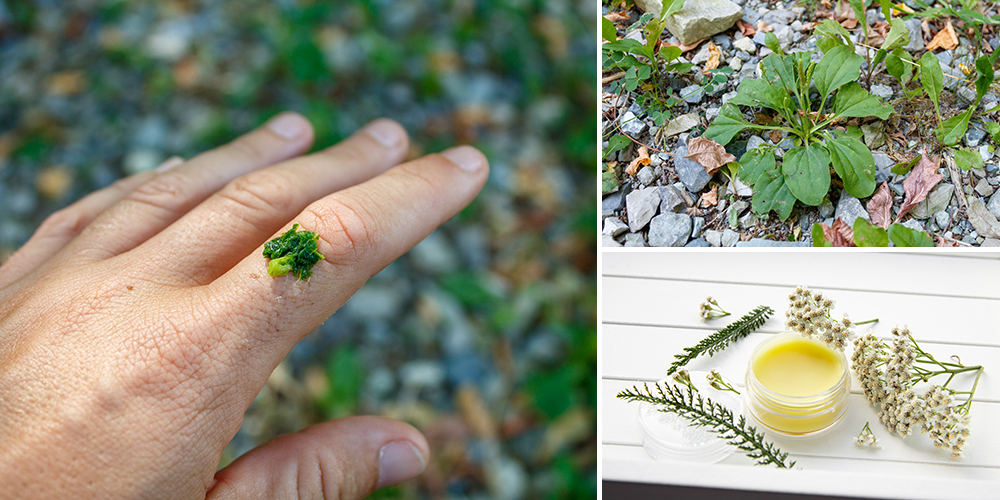
Forgotten Herbal Remedies for Infections and Wounds
It’s easy to forget what outfit you wore 9 days ago, or the meal you ate and absolutely loved 6 months back.
It’s also not a big deal if you forget these things because it’s unnecessary to remember and has no negative impact, or impact at all, on you and the world if you forget such a thing.
On the other hand, if the majority of people in the world were to forget about the natural remedies that the earth has provided us, this vital knowledge will become lost forever, and future generations won’t know how to heal themselves; that will be detrimental.
Get to know these useful herbal remedies, and even take notes to keep these memories alive, and whenever you, or your grandkid’s grandkids, have a wound or an infection, they’ll know what to do.
Usnea Tincture
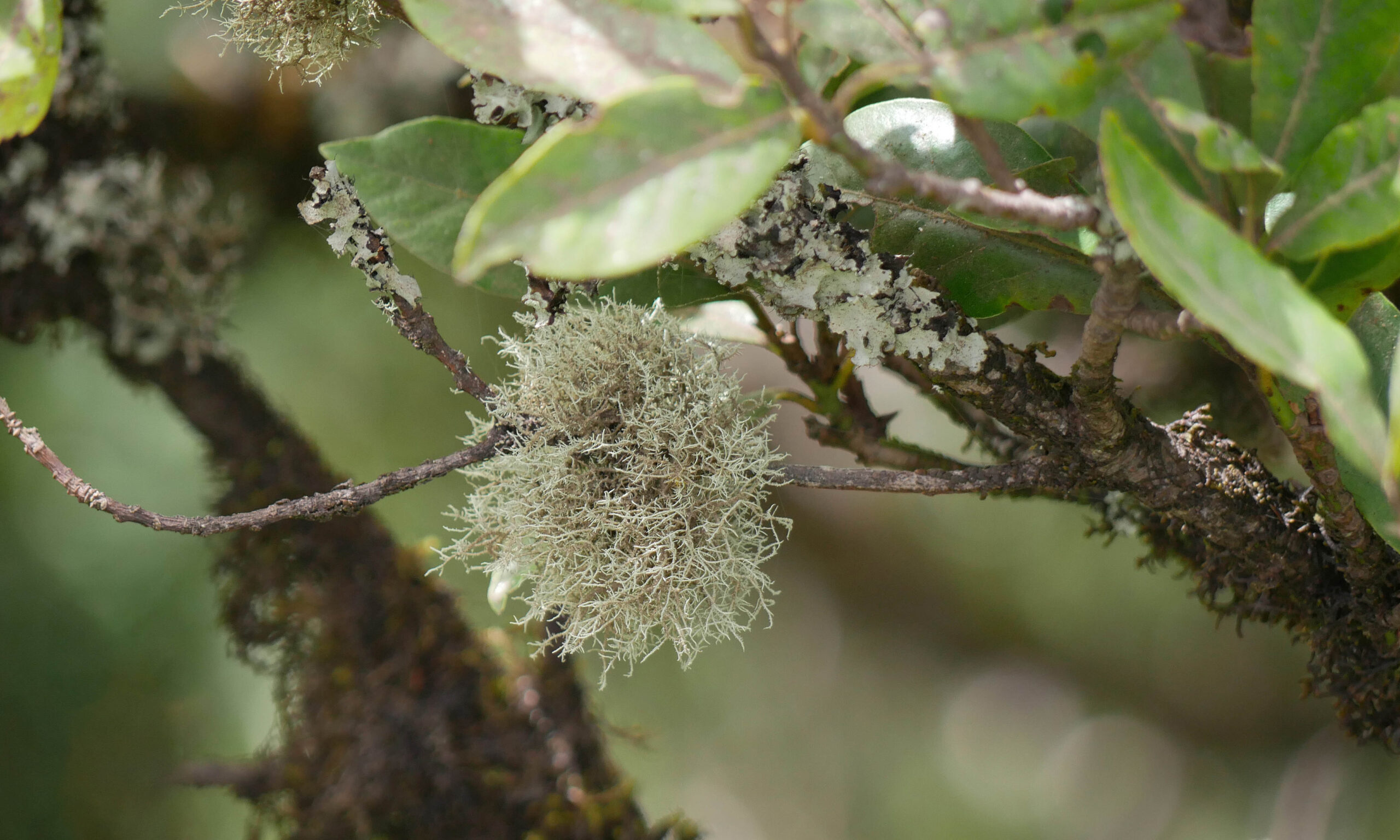
The second metabolites found in usnea have potent medicinal properties and are currently used around the world to combat some of the world’s deadliest diseases, including cancer.
The include useanol, lecanorin, lecanorin E, evernic acid, 3-methylevernic acid, barbatinic acid, orcinol, O-methyl orcinol, ethyl everninate, and many more, too hard to pronounce, are the second metabolites that usnea boasts.
Because of these, usnea is a notable antioxidant, antiproliferative, antimicrobial, and anticancer.
Making a tincture is the best way to utilize the benefits for wounds and infections. To make a tincture, fill half a jar with dried usnea and then fill to the top with 80-proof or grain vodka.
Set aside and shake daily for 4-6 weeks. When the time is up, strain the tincture into an amber dropper bottle.
To use it for wounds and infections, add 10 drops to 1 ounce of distilled or sterile water. Use it to clean wounds and infections with gauze or a cotton cloth.
Now, if you’re like me and prefer to skip the mess, there’s actually an easier way. You can turn this into a spray instead. Just pour the finished tincture into a clean spray bottle.
Honestly, this is what I do now because it’s so much more practical. You’re not touching the wound with cloths that might not be completely sterile, and you get even coverage every time. Just a few spritzes and you’re done.
I’ve tried making my own for years, but between you and me, the 4-6 week wait got old fast. These days, I get my usnea spray already made from an apothecary I trust completely.
After trying supplies from at least half a dozen different places (some were honestly terrible), I finally found one that’s actually worth recommending. If you’d rather have it ready to go, this is where I get mine.
Reishi Mushroom Salve 
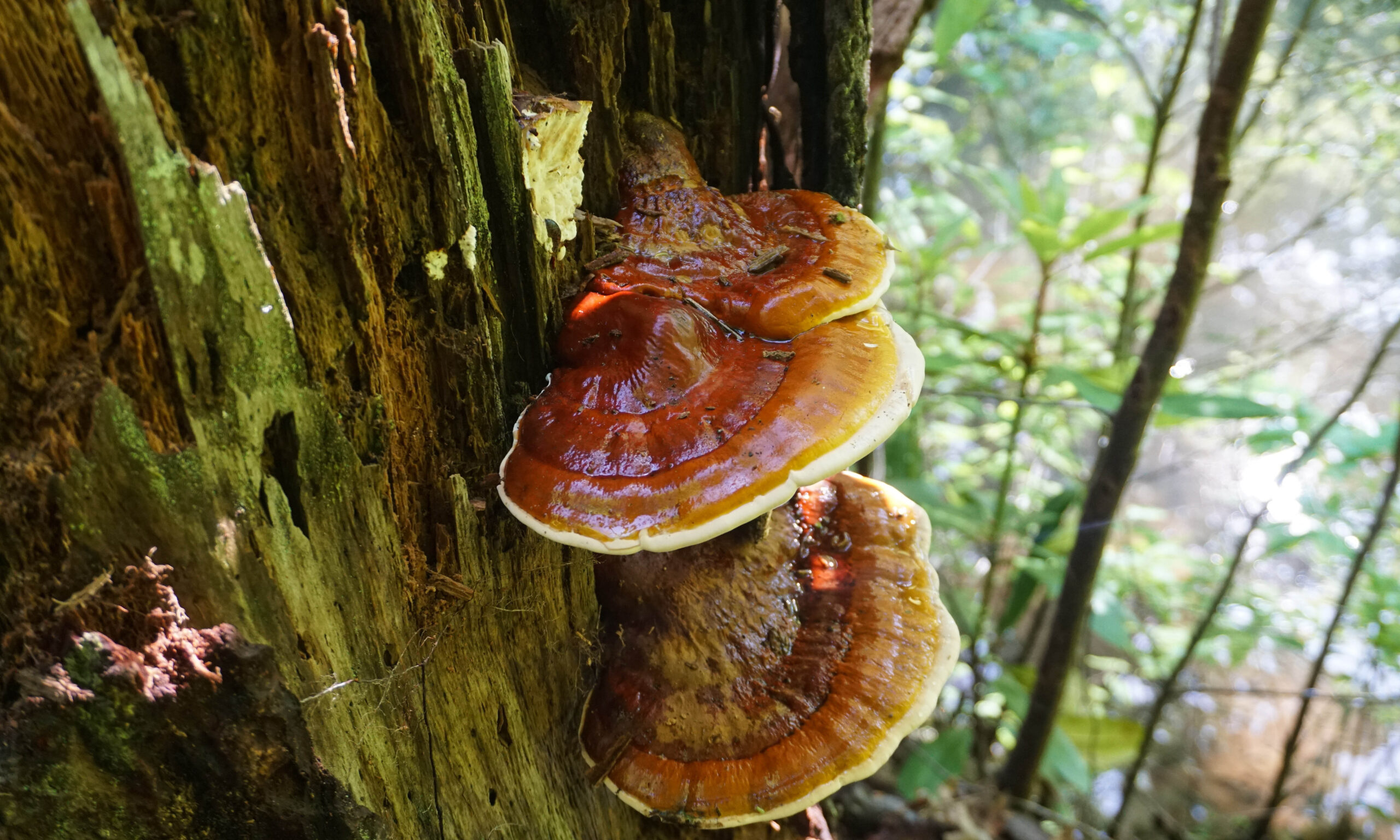
Reishi mushrooms contain peptidoglycans, polysaccharides, and titerpenes, which are the source of the medicinal properties that reishi mushrooms express.
It is an all-cure herb that has been used for over 2000 years and studied vigorously. It’s most significant in Chinese medicine.
When it comes to wounds and infections, reishi mushroom salve increases the speed of wound contraction, increases collagen accumulation, and increases total protein count.
To make one, mix 1-20 drops of reishi mushroom tincture into a melted mixture of a 1:2 ratio of coconut oil and beeswax and let it stiffen.
Apply the salve to the wound up to five times a day or whenever you are applying a new bandage.
Here’s the thing about reishi: it’s incredible medicine, but actually getting your hands on quality reishi is harder than you’d think.
Sure, you could forage it yourself, but unless you live near wild forests and can climb trees (which I definitely can’t), you’re pretty much out of luck. I spent months trying to find reishi growing near me before I gave up.
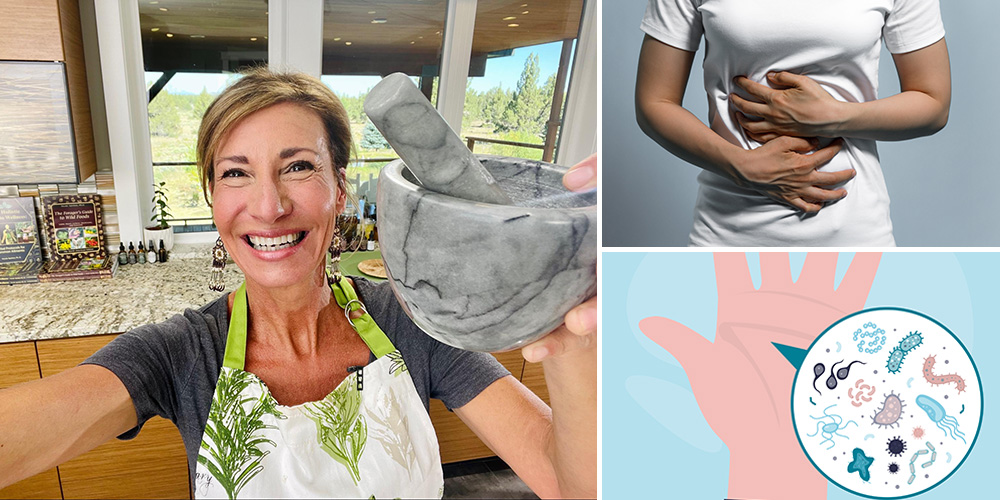
That’s when I started sourcing 100% organic reishi mushroom tincture instead. I get mine from herbalist Nicole Apelian, she’s been on the show Alone, actually survived in the wilderness for 57 days, and really knows her plants.
Her reishi tincture is handpicked and properly extracted. Once you have her tincture, making the salve takes maybe five minutes. Heat your oils, add the drops, pour, done. So much easier than climbing trees in the woods.
Yarrow Infused Oil
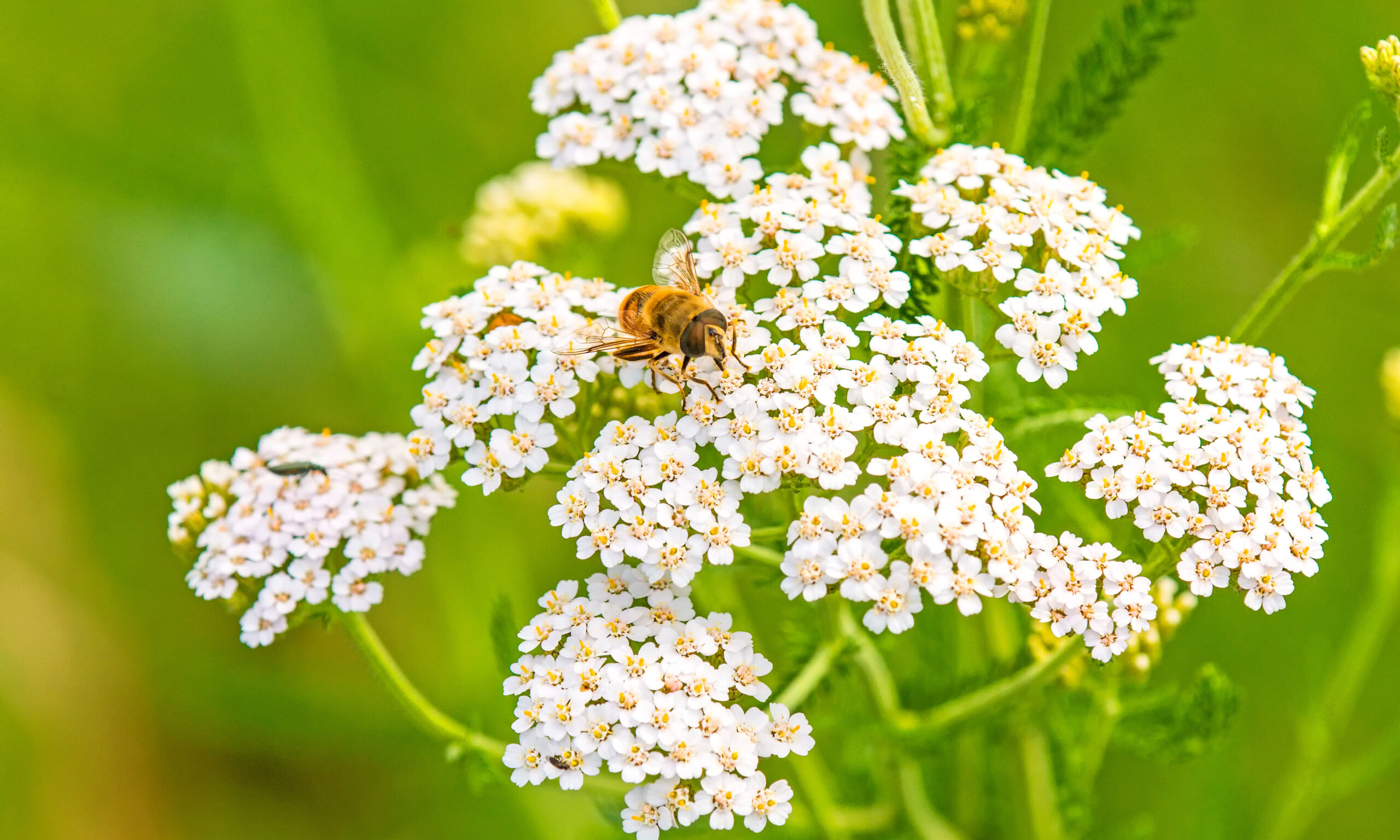
Yarrow contains numerous amounts of medicinal compounds, the most prominent being the coumarins, flavonoids, isovaleric acid, salicylic acid, sesquiterpines, and sterols.
These make yarrow an effective antibacterial, anti-inflammatory, antioxidant, antiseptic, and expectorant.
Yarrow is commonly infused with oil to make a topical treatment for wounds. Fill a jar completely with fresh or dried Yarrow leaves and flowers. Pour in organic olive oil and fill one inch from the top, and let steep at least overnight.
Using your clean fingers, rub it onto wounds and infections whenever the affected area is dry.
You know, yarrow takes me back. When I was a kid, my mom and I used to pick it from the fields around our house. We’d come home with armfuls of it, and she’d show me which parts to use. Those are some of my best memories.
But I don’t live there anymore. Where I am now, the fields are right next to busy roads, everything’s covered in car exhaust and who knows what else. I’m not comfortable using plants that have been soaking up gas fumes and road chemicals. It’s just not the same.
I tried for a while to find clean yarrow, driving out to different spots, but honestly? It became expensive and time-consuming.
Eventually, I found a yarrow tincture from a supplier that actually sources from clean locations. The reviews sold me, people are getting real results. 
It’s cheaper than the gas I was burning trying to forage, and it’s already prepared. Sometimes the old way isn’t always the practical way anymore.
Click here to get the best price quality Yarrow tincture!
Self-heal Tea Wash
There are specific compounds within self-heal, less confusingly known as Prunella vulgaris, that give it the name self-heal. It’s an all-healing plant, and what makes it an antioxidant, anti-inflammatory, and antimicrobial is the phenolic acids caffeic and rosmarinic.
Make a self-heal tea wash by steeping 2 tablespoons of dried self-heal flower and leaves in 250ml of boiled water for 15 minutes and removing the plant matter from the water when steeped.
Soak a sterile gauze pad in the self-heal tea wash and apply it to the wound or infection, leave on for 15 minutes. Reapply 2-3 times a day.
A Remedy You Will Always Remember
Remedies such as the ones above involve using tools, cooking methods and multiple ingredients, which can make some remedies difficult to remember.
This remedy has only one ingredient, and you don’t need tools to make it; that’s what makes this remedy so unforgettable and easy to pass down to future generations.
The one and only ingredient is broadleaf plantain, also known as greater plantain or Plantago major.
Learning to identify this plant allows you to harvest your own medicine safely, so you don’t have to purchase from a store. Plantain is easy to recognize and hard to mistake for another plant.
Now, plantain is one of the easier plants to identify safely. But here’s what worries me: most medicinal plants aren’t that straightforward. They have lookalikes. Some of those lookalikes are poisonous. Seriously poisonous.
If you’re in an area where you can source plants yourself, you really need a proper identification guide. I’m talking about one with high-quality images that show you exactly what to look for, not some pixelated photos from the internet.
The Lost Book of Herbal Remedies II has saved me more than once from making a potentially dangerous mistake.
Real field photos, close-ups of the details that matter, clear identification markers. It’s the kind of guide that could literally save your life if you’re serious about foraging your own medicine.
Nicole Apelian tells you about her new book here.
This recipe is authentic to its origin and uses chewing, or rocks, as a mortar and pestle. Chewing plantain leaves to make a poultice is authentic and sticks to herbal medicinal beliefs.
It’s believed that when your saliva is mixed with the medicinal plant, the plant senses your body’s energy and learns what your body needs, creating a natural synergy.
It is possible to harvest a stockpile of fresh leaves at the beginning of the harvesting season, dry the plantain leaves thoroughly and store them properly.
If you prefer not to chew, simply add a few drops of water or coconut/olive oil, stir, and let sit for 15 minutes to become a paste.
Greater Plantain Poultice
Ingredient: 1-3 fresh, young Greater Plantain Leaves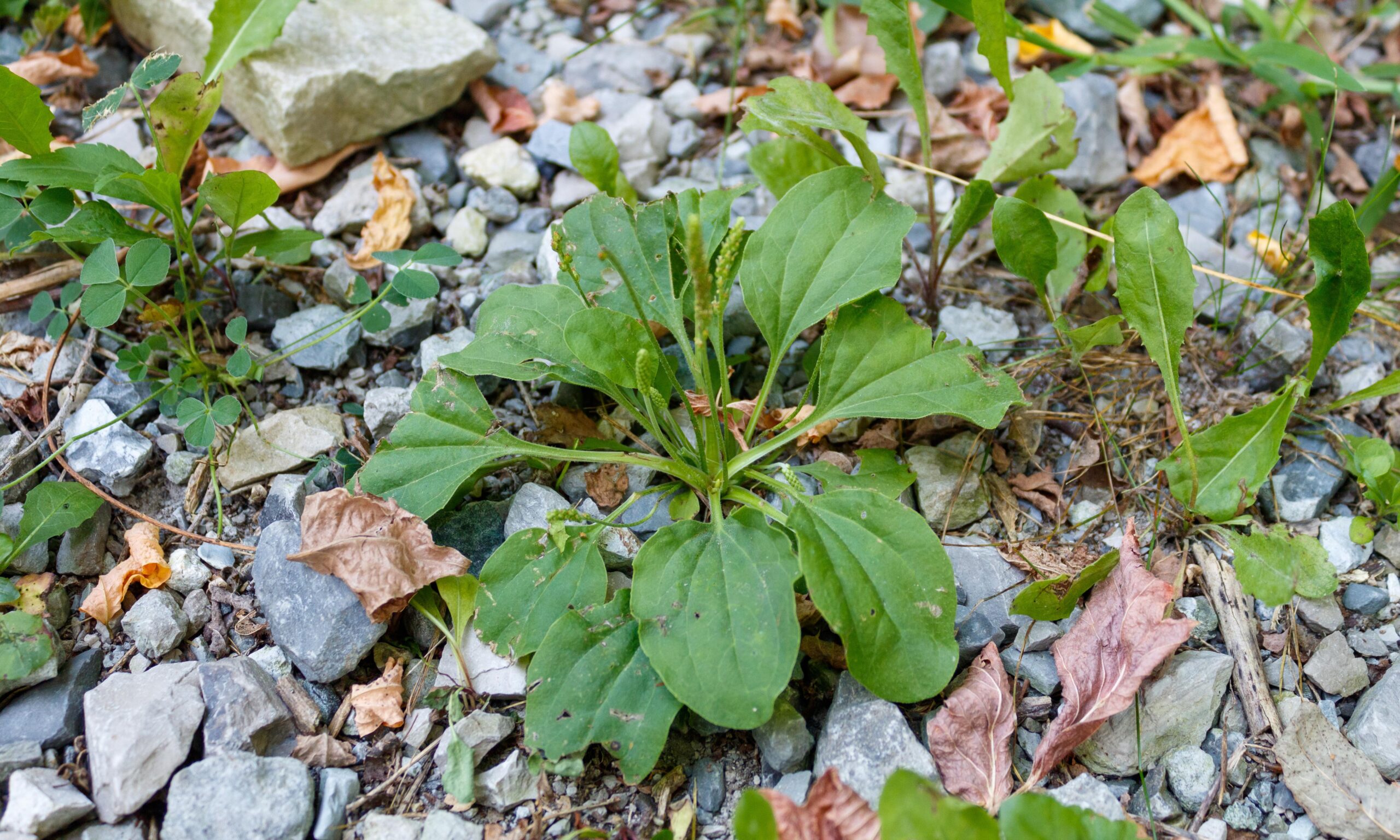
Instructions:
- Go for a walk, identify Greater Plantain, and harvest the healthy young leaves (smallest) by ripping them out at the base. Brush off any debris, wash the leaves if you can with lake, river, or bottled water
- Chew the leaves and stem into a paste. If you prefer not to chew the leaves, find 2 palm sized rocks, roll the leaves into a ball with your hands, place the ball between the 2 rocks and grind together (this might require some technique, but it doesn’t need to be perfect; the point is to activate the plants essential oils, when you see plant juices you have done the trick)
- Place the poultice onto your wound, covering completely, bandage or leave until dry, remove and reapply
This Is Why Your Remedies Don’t Look The Same
Look, I’ve shared some remedies here that can genuinely help with wounds and infections. But this is just scratching the surface.
What I’ve learned over the years is that reading about a remedy and actually making it correctly are two very different things.
You can have the right ingredients and still end up with something weak or ineffective if you don’t know the little details: how long to steep, what temperature works best, how to tell when it’s actually ready.
That’s exactly why video guidance matters so much. The Lost Remedies Academy shows you how to make remedies step-by-step, the way a real herbalist would make them.
You see the consistency you’re aiming for, the color changes that tell you it’s working, the techniques that make your remedies actually potent instead of just… plant water.
They cover things like:
- The Pain Control Tincture
- Parasite-Killing Herbal Candy
- The Potent Wound-Healing Cover
- Anti-Fungal Salve
- The Only Antioxidant Extract You’ll Ever Need
- Bug-Bite Rescue Salve
- Herbal Lymphatic Drain Compresses
And honestly, that’s just a handful. There are over 200 remedies with full video demonstrations. You’re not guessing. You’re not hoping you did it right. You’re making medicine that actually works, the first time, every time.
If you’re serious about learning this, really learning it, not just reading about it, click here to learn how you do it.
I appreciate all the information here, but I’m looking for something to take by mouth, because not every infection can be treated topically. The testimonial about the woman’s son with a sinus infection is good, but doesn’t say what was used. 🤷♀️. This article is a bit lacking in the help I was looking for 🫤