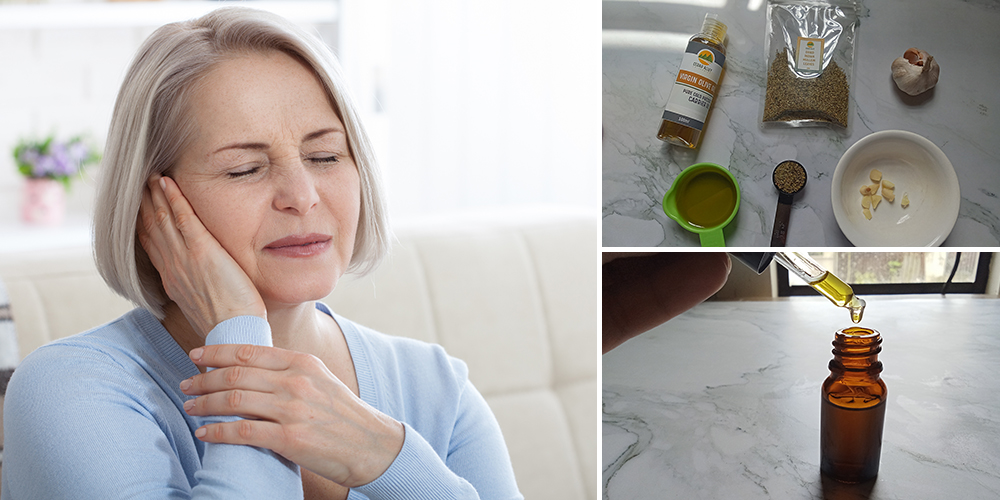
How Do You Flush Out An Ear Infection?
If you hear advice about not using cotton products on your ears, you have to believe it. At the very least, it may impact the earwax and potentially harm the inner ear if you push it too far.
The biggest problem with cotton swabs is the lint that they leave inside your ear. The size of the lint is insignificant, but debris can build up over time and cause havoc in your ear.
It becomes a breeding ground for bacteria and fungi, leading to an ear infection that is too painful and affects your hearing and sense of balance. ENTs usually prescribe an otic antibiotic, sometimes containing corticosteroids, to manage the pain and swelling in an ear infection.
They may also recommend flushing the ear before applying the eardrops at home using common ingredients such as vinegar, oil, or alcohol.
Causes and Symptoms of Ear Pain and Infections
The infection of the middle ear is medically called otitis media, and otitis externa if it occurs in the outer ear or ear canal. Foreign objects are just one of the many reasons the ear gets infected.
The buildup of earwax or fluid, due to a problem with the eustachian tube, also causes ear infections. Upper respiratory infections, such as the common cold, allergies, sinusitis, and throat problems, also contribute to ear problems.
Otitis externa (swimmer’s ear) occurs when water is frequently trapped in the ear canals and invites infection. Be cautious when using earplugs and hearing aids, as they can scratch the ear canal, making it susceptible to infections.
Pain, itching, and irritation are the common signs of an ear infection, accompanied by a feeling of pressure inside the ear. Sometimes, the skin in the ear canals peels off, or it leaks a smelly, watery substance or thick pus.
Ear problems may also affect the jaw, causing discomfort when moving it or when eating. An ear infection happens to anyone, but it is more prevalent in children than in adults.
Bottle-fed infants are highly at risk of otitis media, especially when they feed lying on their backs, causing milk to flow into the eustachian tube. 
Ear Flushing to Alleviate Infection
A warm or cold compress, and lying with the head elevated, eases the discomfort of the ear. However, if the problem persists for more than two days, and symptoms like severe pain, fever, drainage, or hearing loss occur, it is necessary to visit the doctor.
Doctors may conduct ear flushing in a clinical setting when needed. Upon screening, they may advise at-home ear irrigation to manage the infection, depending on the condition of the ear.
Some may even recommend DIY home flushing in an active infection, along with antibiotic ear drops and oral antibiotic treatment.
To alleviate ear pain and infection caused by earwax, the following home remedies help.
Again, it is best to see your doctor before using a DIY ear flush to avoid further complications. Most of these products and ingredients are also used diluted to prevent irritation.
Vinegar
Diluted vinegar, such as apple cider or cane vinegar, may break down earwax and ease ear pain. Vinegar diluted in equal parts with water or rubbing alcohol (70% isopropyl) is highly recommended. Vinegar prevents bacteria and fungi from thriving, while alcohol dries up the ears to kill these germs.
Hydrogen Peroxide
 A solution of 3% hydrogen peroxide mixed with an equal part of warm water is best for swimmer’s ear.
It will remove trapped water in the ear canal and flush away dirt.
Hydrogen peroxide is an oxidizing agent that kills bacteria, but must be used cautiously and sparingly.
Tea Tree Oil
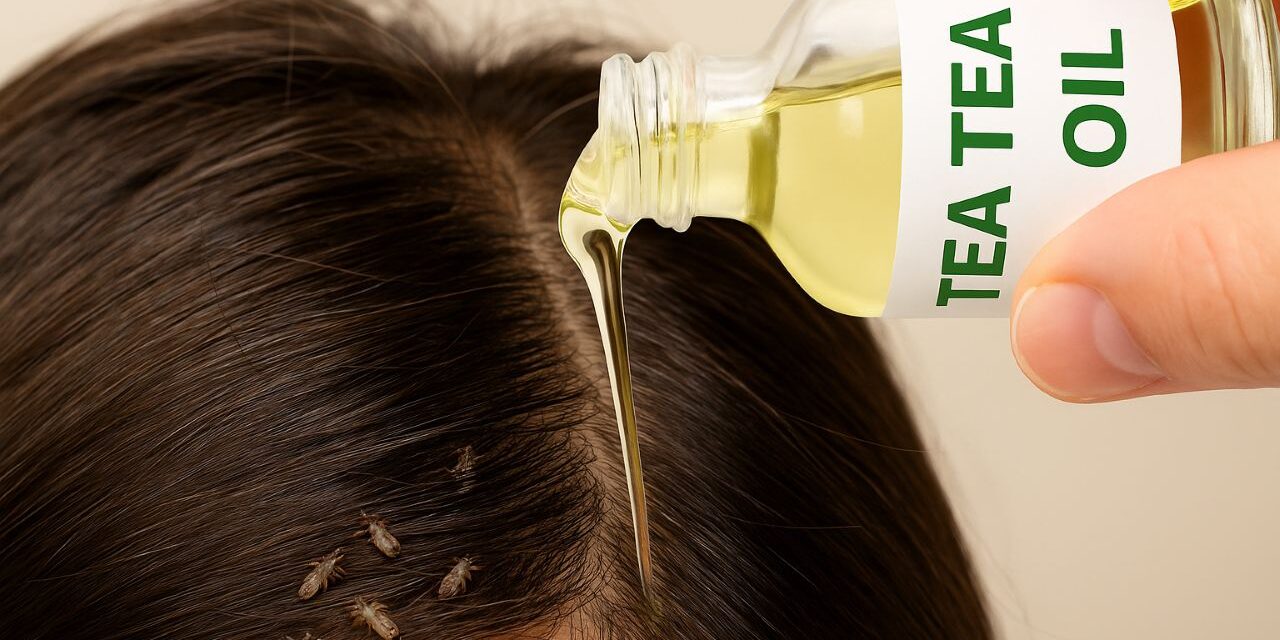
Tea tree oil, when diluted with a carrier oil, helps reduce inflammation and irritation in the ear canal. Tea tree oil is a well-known antibacterial and antiseptic that kills germs upon contact.
It is too potent in its concentrated form and must only be used when diluted with the tea tree oil to a carrier oil ratio of 1:10.
Coconut Oil
Coconut oil is often used as an ear lubricant that softens and removes earwax. Pure coconut oil also has an excellent antibacterial property that eases infections and prevents them from worsening. It is best to use coconut oil when it is warm to reduce inflammation.
Garlic Oil
 Garlic (Allium sativum), although a pungent spice, is also a natural antibacterial and antifungal agent. It can kill microorganisms and clear ear infections, or prevent an infection from happening in the first place.
Garlic oil is prepared by steeping fresh garlic in oil and leaving it overnight before using it as an ear drop.
Mullein Leaves
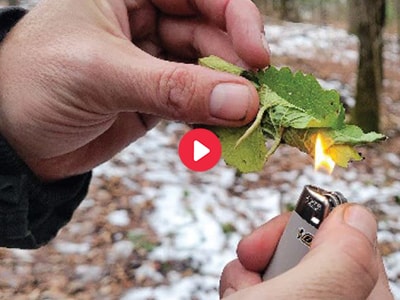
Mullein leaf (Verbascum Thapsus) is traditionally used for ear ailments because of its antibacterial and astringent properties.
It is sometimes used in herbal ear drop formulations along with other herbs. Infusing it in olive oil also makes an effective ear pain relief and a natural remedy for ear infections.
Mullein is one of those herbs that seems gentle but packs serious medicine. Before using it though, you should know it has a few companions that amplify its effects, and a couple of herbs you’ll want to avoid mixing it with.
If you’re building a home apothecary and want to understand which herbs work synergistically (and which ones clash), this resource breaks down mullein’s properties, interactions, and best companion herbs.
Olive Oil
Warm olive oil is a gentle and effective ear flush that cleans the ear and prevents infections. Olive oil is best for people with sensitive skin, as it is a natural moisturizer that supports the skin’s healing process and soothes inflammation.
Extra virgin olive oil is the best type due to its higher concentration of compounds, but pure olive oil is also acceptable.
Homemade Herbal Medicinal Sprays
One of the best preventive measures you can take is keeping an antimicrobial herbal spray on hand. Certain herbs, like calendula, thyme, oregon grape, and goldenseal, have natural antibacterial properties that can stop infections before they start.
But the most powerful one I’ve come across is usnea.
Usnea (also called Old Man’s Beard) is a lichen that contains usnic acid, a compound with potent antifungal and antibacterial effects. A few sprays of usnea tincture in the ear canal creates an environment where fungi and bacteria simply can’t thrive.
The beauty of it is that you’re not limited to just ear care. You can spray it on toes prone to athlete’s foot, use it for nail fungus, or apply it to minor cuts and scrapes.
Making your own usnea tincture is straightforward: fill a jar with dried usnea, cover it completely with high-proof alcohol (at least 80 proof), and let it infuse in a dark place for 4-6 weeks, shaking it every few days. Strain it, transfer to a spray bottle, and you’ve got yourself a natural antibiotic that lasts for years.
Of course, that’s a 6-week wait. If you’d rather skip the prep and have something ready now, this usnea tincture spray is already potent and affordable. I keep one in my bathroom cabinet and another in my travel kit.
DIY Ear Flush
Our ears are delicate sensory organs; therefore, we must be cautious when attempting an at-home remedy. Some ENTs do recommend DIY ear flush, provided you do not have a perforated eardrum.
So, if you feel pain or have an ear discharge, consult the doctor to make sure it is not due to a tear or hole in the tympanic membrane. For a DIY ear flush, you may use vinegar or oil solutions.
Diluted vinegar is good for mild infections like swimmer’s ear and may be used as an ear rinse after swimming. However, a vinegar solution may irritate as it acidifies the ear. For a gentler ear flush, choose oil solutions instead.
It is used for regular cleansing, softening hardened earwax, and soothing ear inflammation. The recipe calls for garlic and mullein infused in olive oil.
If you do not have mullein, you may skip it in the recipe and use garlic by itself.
Mullein Garlic DIY Ear Flush Recipe
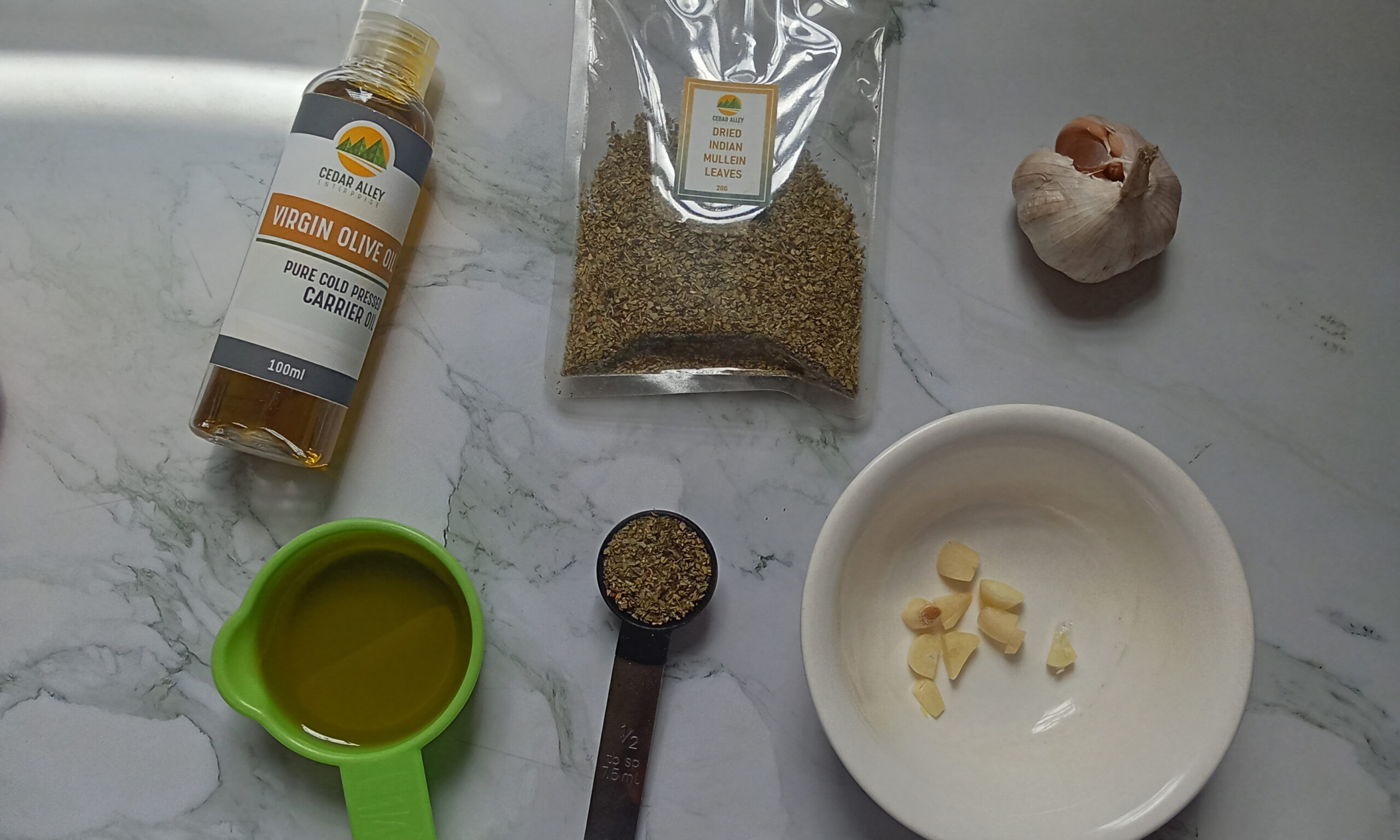
Ingredients
- ¼ cup olive oil
- ½ tbsp dried mullein leaves or flowers
- 1 clove garlic

Steps
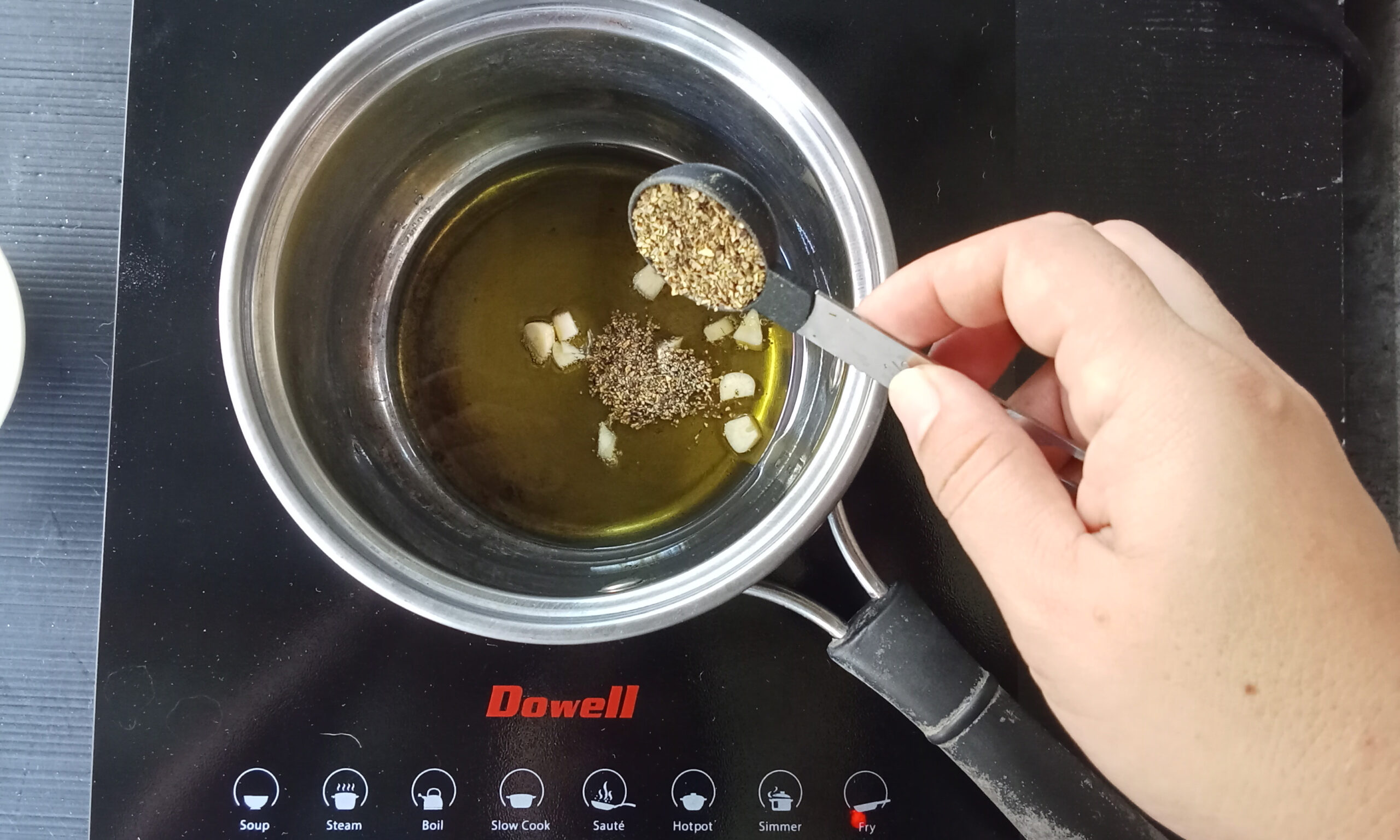
- Heat oil in a pot over low to medium-low heat, just enough to warm it but not boiling. Add the mullein and garlic.
- Lightly sauté for at least 2 to 3 minutes or until the garlic is fragrant.
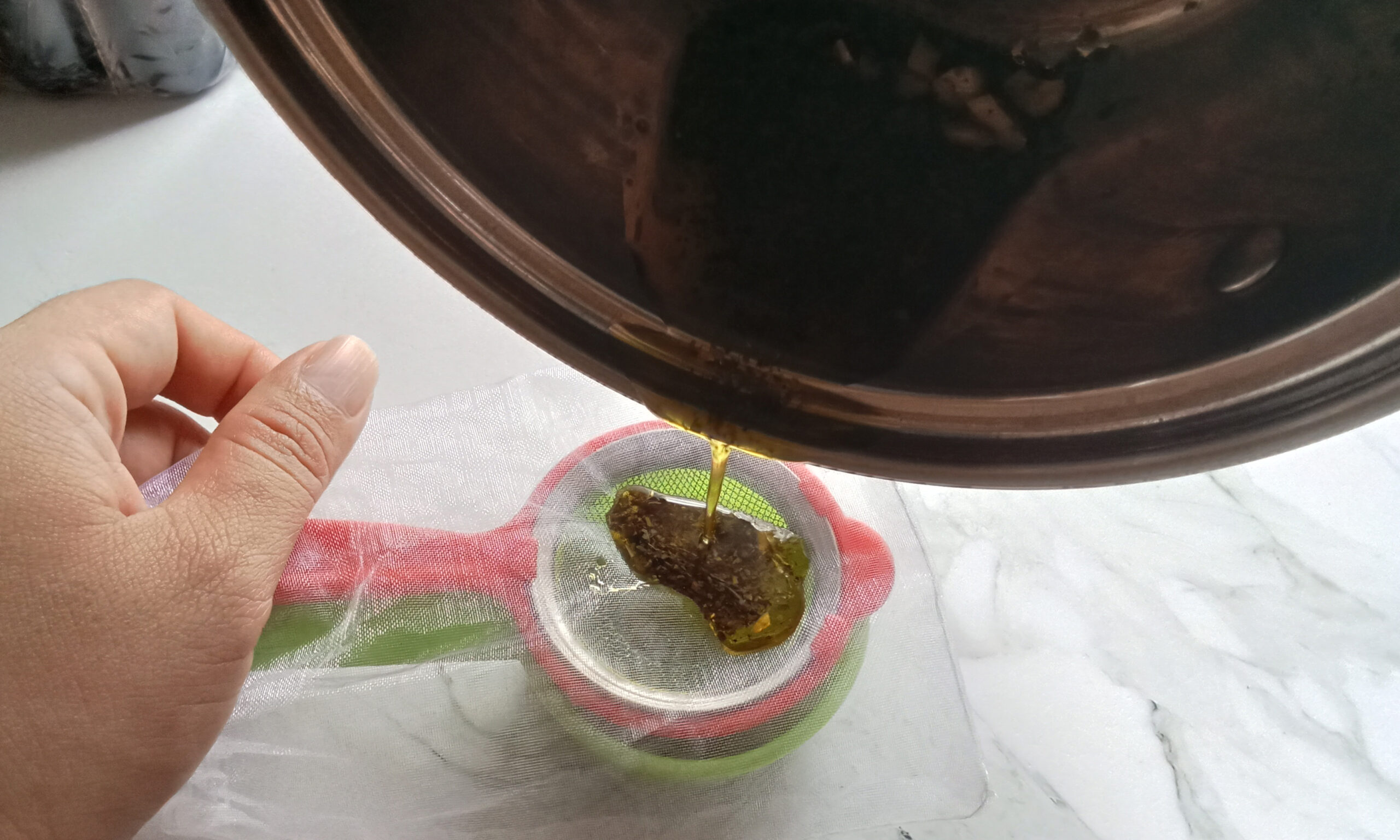
- Strain the oil through a fine cloth.
- Transfer to an amber dropper bottle.
To use: Submerge the dropper bottle in a bowl of hot water to slightly warm the oil. Apply 2 to 3 drops of the mullein-garlic oil in the infected ear. Lie on your side and gently massage the ear to allow the oil to enter the ear canal. Wipe off any excess oil from the outer ear with a clean cloth. 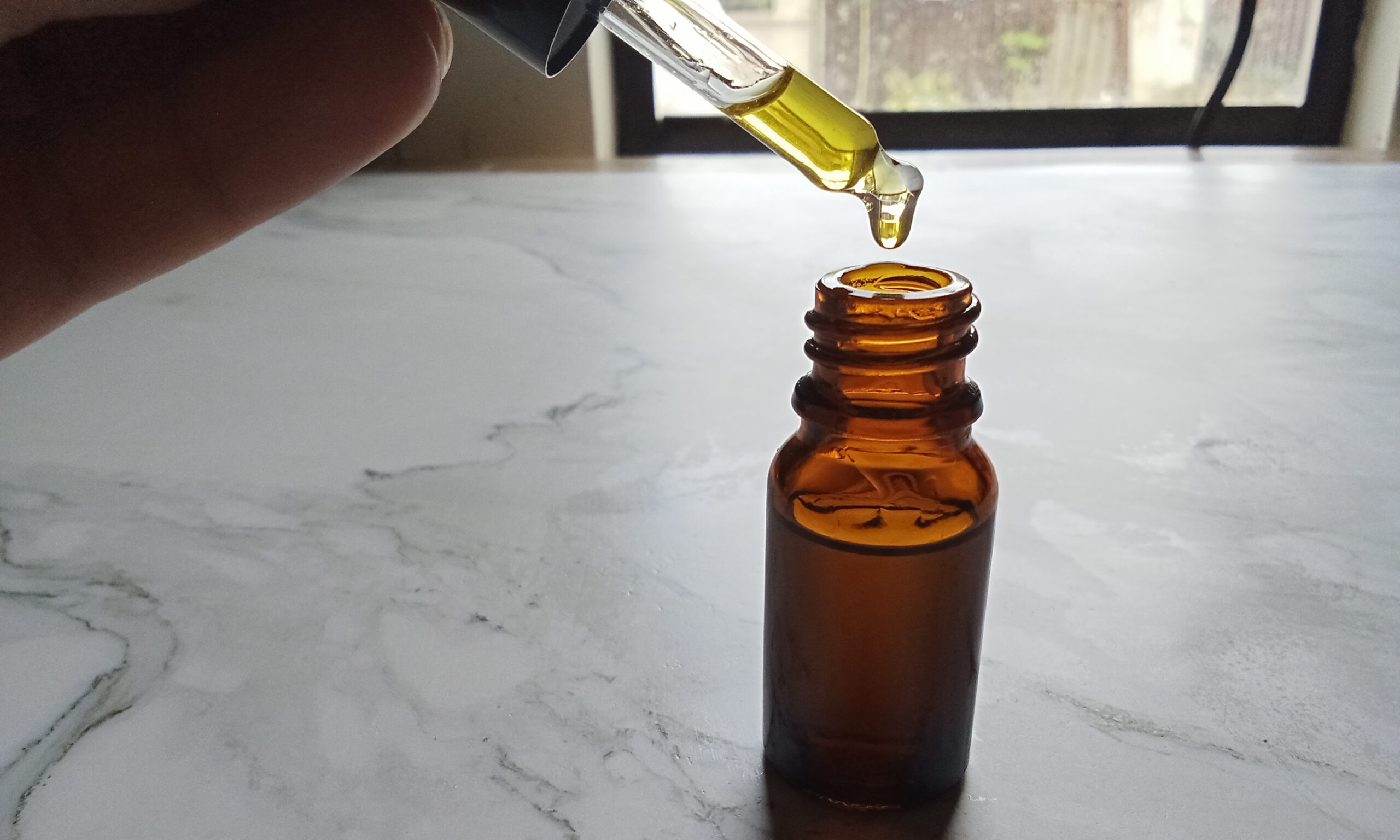 Use it twice a day for an infection. The infused oil may not last very long without preservatives. It may be kept in the fridge for at least 3 months, and discard it once the smell turns rancid.
Auditory and Visual System Remedies
This mullein-garlic flush is exactly the kind of remedy our grandparents would have reached for without a second thought. They understood something we’re just remembering: you don’t need a pharmacy for every ailment.
A well-stocked home apothecary with a dozen key remedies can replace most of what you’d find in the medicine aisle, for a fraction of the cost.
I’m talking about elderberry syrup instead of Tamiflu. Yarrow salve instead of Neosporin. Herbal tinctures instead of prescription antibiotics that come with side effects and copays. The recipes you’ve seen here are just the beginning.
The reality is, pharmacies aren’t always accessible. Medications get backordered. Prices keep climbing. And when supply chains hiccup, like we’ve all witnessed, the people who know how to make their own remedies aren’t panicking. They’re prepared.
If you want to build that kind of resilience, The Forgotten Home Apothecary is the blueprint. It walks you through creating a complete medicine cabinet from scratch: remedies for pain, infections, respiratory issues, wounds, digestive problems, and more.
Click here to check it out while it’s still pre-inflation 2025 price.
All with ingredients that cost pennies compared to their pharmaceutical counterparts. This isn’t just about saving money (though you will). It’s about having the peace of mind that comes from knowing you can take care of your family, no matter what’s happening outside your door.