Chlorella – Powerful Green Algae With Deep Detox Roots
Chlorella is one of those remedies that looks unimpressive at first glance but quietly does a lot of heavy lifting inside the body. It’s a single-celled freshwater algae, bright green, microscopic in size, and packed with nutrients that are difficult to find together in one natural source.
For decades, chlorella has been used around the world as a nutritional support and detox aid, especially in situations where diets were limited or exposure to toxins was a concern. Today, it’s gaining renewed attention among people looking to support their bodies naturally in an increasingly polluted world.
This guide breaks down what chlorella is, why it matters, how it’s traditionally used, and what to watch out for.
What Is Chlorella?
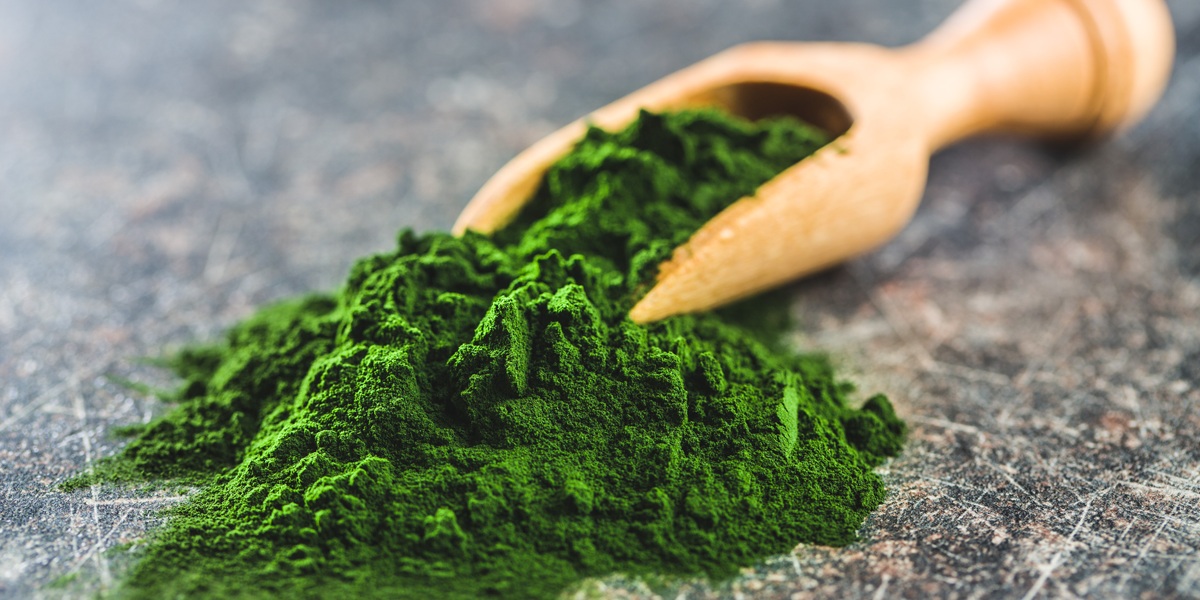
Chlorella is a freshwater algae that grows naturally in clean, mineral-rich water. Unlike seaweeds, it does not come from the ocean and does not contain iodine in significant amounts. Its deep green color comes from its extremely high chlorophyll content.
What makes chlorella unique is its tough cell wall. In nature, that wall protects the algae. For human use, it must be carefully broken so the nutrients inside can be absorbed. High-quality chlorella supplements are always “cracked cell wall” products.
Because of this structure, not all chlorella products are equal. Poorly processed chlorella can pass through the body without delivering much benefit, which is why sourcing and preparation matter so much with this algae.
Traditionally, chlorella was valued not just for what it contained, but for how concentrated it was. A very small amount could deliver meaningful nutrition, making it useful in situations where food variety was limited.
Why Chlorella Is So Valued
Chlorella is often described as a “green superfood,” but that label doesn’t explain why it’s actually useful. Its value comes from how many systems it supports at once.
Chlorella contains:
• Chlorophyll for cleansing and oxygen support
• Complete plant protein with essential amino acids
• B vitamins that support energy and nervous system health
• Iron, magnesium, zinc, and trace minerals
• Natural antioxidants
What makes this combination special is balance. Instead of overwhelming the body with one isolated compound, chlorella delivers small amounts of many nutrients that work together.
This is one reason chlorella is often chosen by people who prefer whole-food approaches rather than synthetic supplements. It supports nutritional foundations instead of targeting a single symptom.
Chlorella and Detox Support
One of chlorella’s most well-known uses is detox support. Its cell wall has a natural ability to bind to certain toxins, including heavy metals, helping the body escort them out rather than recirculating them.
This doesn’t make chlorella a quick cleanse. Instead, it’s traditionally used gently and consistently, allowing the body’s own detox systems, such as the liver and digestive tract, to work more efficiently.
Unlike harsh detox methods that force rapid elimination, chlorella is usually introduced slowly. This gives the body time to adapt and reduces the chance of discomfort.
For people living in modern environments filled with pollutants, chlorella is often seen as ongoing support rather than a short-term fix.
Immune and Digestive Benefits
Chlorella also supports immune function in a quieter way. Its nutrients help nourish gut bacteria, and a healthy gut plays a central role in immune balance.
Many traditional users report improved digestion over time, including better regularity and less digestive sluggishness. This is partly due to chlorella’s fiber content and partly due to its support for gut lining health.
A healthier digestive system means nutrients are absorbed more efficiently. Over time, this can improve overall vitality, especially in people who feel depleted or run down.
Because immune strength begins in the gut, chlorella’s digestive support is one of its most valuable long-term benefits.
How Chlorella Is Traditionally Used
Chlorella is most commonly taken in powder or tablet form. Tablets are often preferred by beginners because the taste of chlorella can be strong and earthy.
Traditional use emphasizes gradual introduction. This respects the body’s pace and reduces the chance of detox-related discomfort.
A common traditional approach includes:
• Starting with a small amount once daily
• Slowly increasing over one to two weeks
• Taking it with meals
This slow buildup allows the body to adjust while still gaining benefits.
When and How to Take Chlorella
Chlorella is usually taken in the morning or early afternoon. Because it can support energy and cleansing processes, some people prefer not to take it late in the evening.
It’s often paired with clean water to help move bound toxins out of the body efficiently.
Some people also combine chlorella with other green foods or simple, whole meals. This reinforces its role as nutritional support rather than a standalone remedy.
Cycling chlorella is common. Many users take it for several weeks, then pause briefly before resuming, allowing the body time to reset.
Precautions and Who Should Avoid It
Although chlorella is natural, it isn’t for everyone. Because it supports detox pathways, starting too fast can cause temporary effects such as headaches, fatigue, or digestive upset.
These reactions are usually a sign to reduce the amount rather than stop completely.
People who should use caution include:
• Those with autoimmune conditions
• Individuals with algae sensitivities
• People taking immune-modulating medications
As with all traditional remedies, personal response matters more than generalized advice.
Chlorella in a Self-Sufficient Lifestyle
For those interested in long-term resilience, chlorella represents concentrated nutrition that stores well and requires no preparation.
It can be especially valuable during times when fresh greens are unavailable, gardens are dormant, or diets become repetitive.
While chlorella doesn’t replace real food, it can support nutritional gaps during stress, travel, or emergency situations.
This is why it continues to appear in conversations about preparedness, traditional wellness, and sustainable living.
A Natural Companion to Traditional Survival Foods
When nutrition becomes limited, the body relies heavily on stored reserves and efficient absorption. This is where nutrient-dense foods and supplements work best together.
Traditional survival diets focused on calorie-dense staples, but they also relied on nutrient-rich additions to prevent weakness and deficiency.
This is why combining remedies like chlorella with time-tested survival foods creates a more complete approach to long-term resilience.
Strengthen Your Nutrition With Lost SuperFoods
If you’re serious about building real nutritional security, supplements alone aren’t enough. You also need reliable, long-lasting foods that keep your body strong when fresh options are scarce.
Lost SuperFoods reveals forgotten staples that sustained entire communities through famine, travel, and hardship.
Inside, you’ll discover:
• Shelf-stable foods that last for years without refrigeration
• Nutrient-dense meals designed for strength and endurance
• Ancient recipes used when resources were limited
• Foods that support energy, immunity, and recovery
• Practical ways to stock a pantry that truly nourishes
Chlorella can support your body, but traditional survival foods keep it fueled. Together, they create a foundation that modern diets often lack.
Final Thoughts
Chlorella isn’t a miracle cure, and it isn’t meant to be rushed. Its strength lies in steady, supportive use that works with the body rather than forcing change.
When used thoughtfully, it offers a rare combination of nutrition, detox support, and long-term wellness benefits in a simple green form.
You may also like:

The Holistic Guide To Wellness Package (Video)
DIY Green ”Purge” for a Mucus-Free Body