Chew On This Root to Stop Tooth Decay
Tooth decay plagues many people regardless of age, demographic, or even health status. The most common treatments for tooth decay include fluoride-filled toothpastes, mouthwashes that leave teeth sensitive, or expensive dental treatments that few can afford.
Tooth decay is nothing new, and nature has many tried and true remedies to stop damage in its tracks. In this post, we’ll uncover holistic ways to create strong teeth.
We’ll put the spotlight on licorice, one of the best bacteria-fighting elements. You can chew on this root to stop tooth decay and boost oral health.
In the past, licorice root was merely a chewing stick, but we’ll give you the recipe for an amazing licorice mouth decoction that also includes myrrh and clove. Keep reading to learn why you should add licorice to your wellness routine.
How to Boost Oral Health Without Toxins
Great oral health starts at the root, no pun intended. While modern medicine paints oral health as brushing and flossing, like anything else, oral health is holistic. Here are a few ways that you can improve oral health naturally.
Chew on herbal sticks and roots: Rooted herbs like licorice can be a natural toothbrush, strengthening teeth and removing plaque. Plus, chewing licorice or neem sticks releases their antibacterial compounds, killing germs that cause bad breath.
Clean Up Your Diet: Tooth enamel is delicate and can be stripped by an abundance of soda and citric acid. Your teeth need healthy minerals like calcium and magnesium to repair themselves.
One of the easiest ways to boost oral health is to clean up your diet by incorporating leafy greens, seaweed, and other vitamin-rich foods. Avoid sugar, which feeds bacteria and disrupts your oral microbiome.
But keep in mind… tooth decay isn’t just about what you’re putting on your teeth—it’s about what you’re putting in your body. Certain foods actively feed the bacteria causing decay, while others starve them and strengthen your enamel naturally.
If you want to learn which foods are secretly feeding tooth decay and which ones protect and remineralize your teeth, click here for the complete dietary protocol.
But if you need immediate support while you adjust your diet, the Gut Tincture developed by Nicole Apelian, contains reishi, turkey tail, plantain, slippery elm, marshmallow, and lion’s mane, all herbs that support healthy digestion and reduce the bacterial imbalances contributing to tooth decay. Better gut health means better oral health.
Oil pulling: One of the oldest Ayurvedic practices, oil pulling involves swishing a carrier oil in your mouth to remove bacteria and “pull” stubborn toxins. Research concludes that oil pulling can reduce sores and plaque.
Start slow, with 2 minutes, then work your way up to 10. The most common carrier oils with which to oil pull are sesame and coconut oil. Sesame oil has an acquired taste, but it won’t clog drains like coconut oil.
Keep Hydrated: Without enough saliva, your mouth acids aren’t neutralized, leaving you susceptible to decay. Help your body’s saliva production by drinking enough water. To retain minerals (and add a boost of detoxing power), add a pinch of mineral salt. 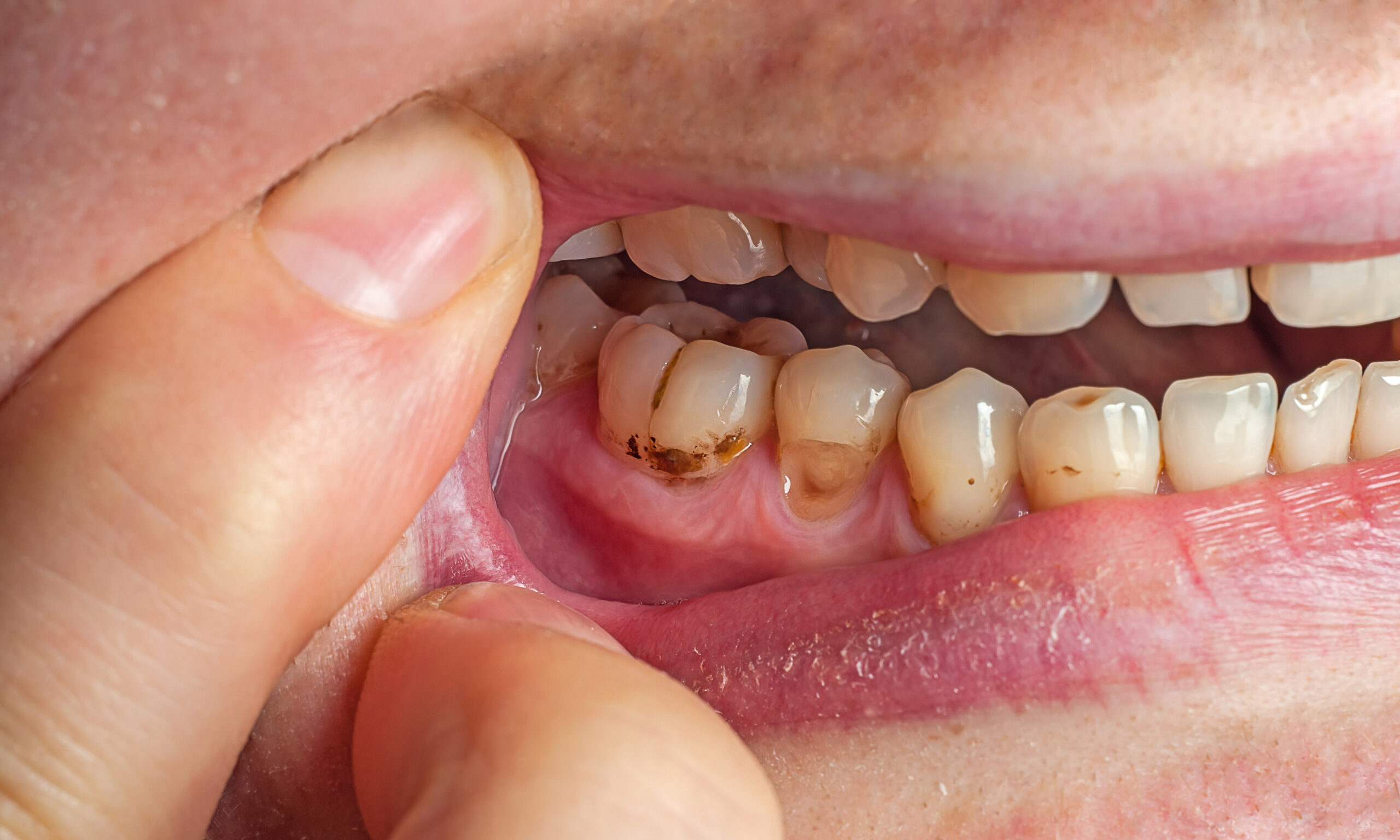
Incorporate Herbal Remedies: Herbs like peppermint, myrrh, licorice, and clove are antimicrobial, making them ideal for oral health remedies. You can make your own toothpaste or herbal mouth rinse, like the recipe in this post. You’ll be surprised at how well these simple herbs work!
There’s one herb I need to mention that’s often called “nature’s antibiotic”: Usnea.
This lichen is specifically effective against Streptococcus mutans—the exact bacteria responsible for most cavities. While licorice fights bacteria and oil pulling reduces plaque, usnea actually kills the bacteria causing decay in the first place.
To make usnea tincture: fill a jar with dried usnea, cover with high-proof alcohol (like vodka), seal, and let sit for 4-6 weeks, shaking occasionally. Strain and transfer to a small spray bottle. Spray between your teeth and on your gums 2-3 times daily.
But if you want to skip the 6-week wait and start saving your receding gums and decaying teeth now, get it here ready-made.
Practice Healthy Habits: Herbal remedies are a great supplementary tool, but you also have to put in the work. Regular brushing and flossing can stimulate the gums, remove plaque and debris, and create a healthy foundation. Enjoy licorice root, but don’t forget your daily habits, which can make a huge difference in the long run.
Why is Licorice Root Effective Against Tooth Decay?
Licorice root has been used as a natural sweetener for decades, but its benefits go far beyond that. In Chinese medicine, licorice root was the go-to for mouth sores, halitosis, and gum infections. Today, we see several scientific studies that confirm the power of this unassuming root.
Licorice root contains antibacterial compounds that are particularly effective against Streptococcus pyogenes, one of the main contributors to tooth decay. By incorporating licorice into your oral care routine, you can prevent plaque buildup and reduce cavities.
Anti-inflammatory herbs like licorice root are also wonderful for reducing gum disease. Reducing inflammation in the gums helps them heal faster, in a way that reverses the damage done. Licorice can also disrupt biofilms in the mouth, a type of sticky bacteria that doesn’t come off with brushing or flossing.
And, unlike many artificial sweeteners found in some tooth products, licorice root doesn’t promote bacterial growth. Licorice root is readily found at online apothecaries and some local grocery stores, so give it a try.
Many varieties are shredded, making them an excellent substitute for traditional chewing gum. You might consider licorice root a mouthwash and toothbrush in one!
Why Most Tooth Products Fall Short
Commercial toothpastes and mouthwashes are loaded with ingredients that make things worse. Sodium lauryl sulfate strips your mouth’s protective layer. Triclosan disrupts your oral microbiome.
Fluoride is in your toothpaste, drinking water, tea, processed foods, medications, and pesticide residues. Most personal care products are the same: deodorants with aluminum, shampoos with sulfates, lotions with parabens. It adds up fast.
What if you could make all of it yourself? Here are just some of the personal care remedies you’ll find in The Forgotten Home Apothecary:
- Rosemary Hair Growth Spray
- Arnica Salve for Age Spots
- Natural Herbal Toothpaste
- Gum-Strengthening Mouthwash
- “Better Than Botox” Herbal Facial Oil
- Natural Deodorant Stick
- Natural Herbal Sunscreen
Right now is honestly the best time to get this book. Prices on everything are climbing because of inflation. Books included. This is one of those things you’ll wish you grabbed while it was still affordable.
Plus, if you know someone who’s curious about natural remedies or tired of putting chemicals on their body every day—this makes an incredible gift. You could genuinely change someone’s life by introducing them to plant-based personal care. You might even save their health.
Get The Forgotten Home Apothecary here to benefit of 78% OFF.
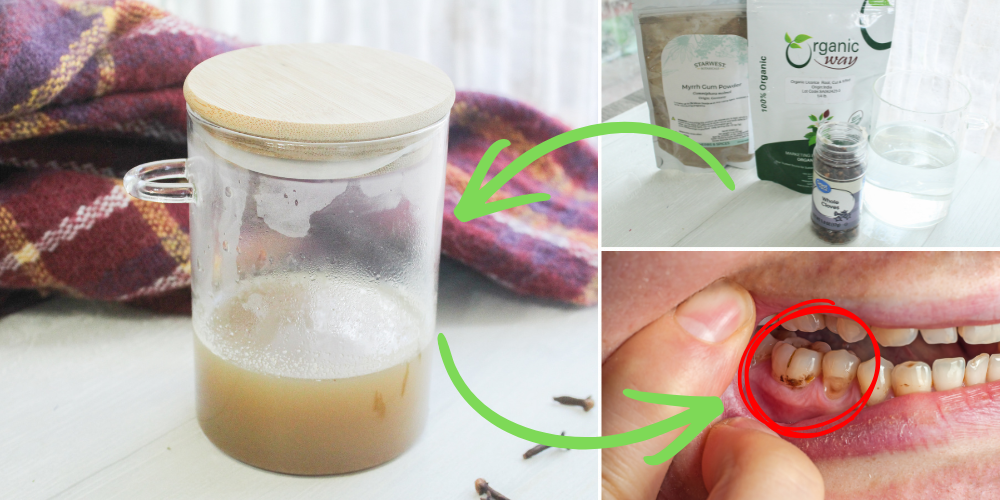
How to Make a Licorice and Myrrh Mouth Decoction
This Licorice and Myrrh Mouth Decoction is a great alternative to traditional mouthwashes, which can disrupt your oral microbiome. If you can brew a pot of tea, you can easily make this remedy! It comes together in less than 30 minutes and makes enough for a week’s supply.
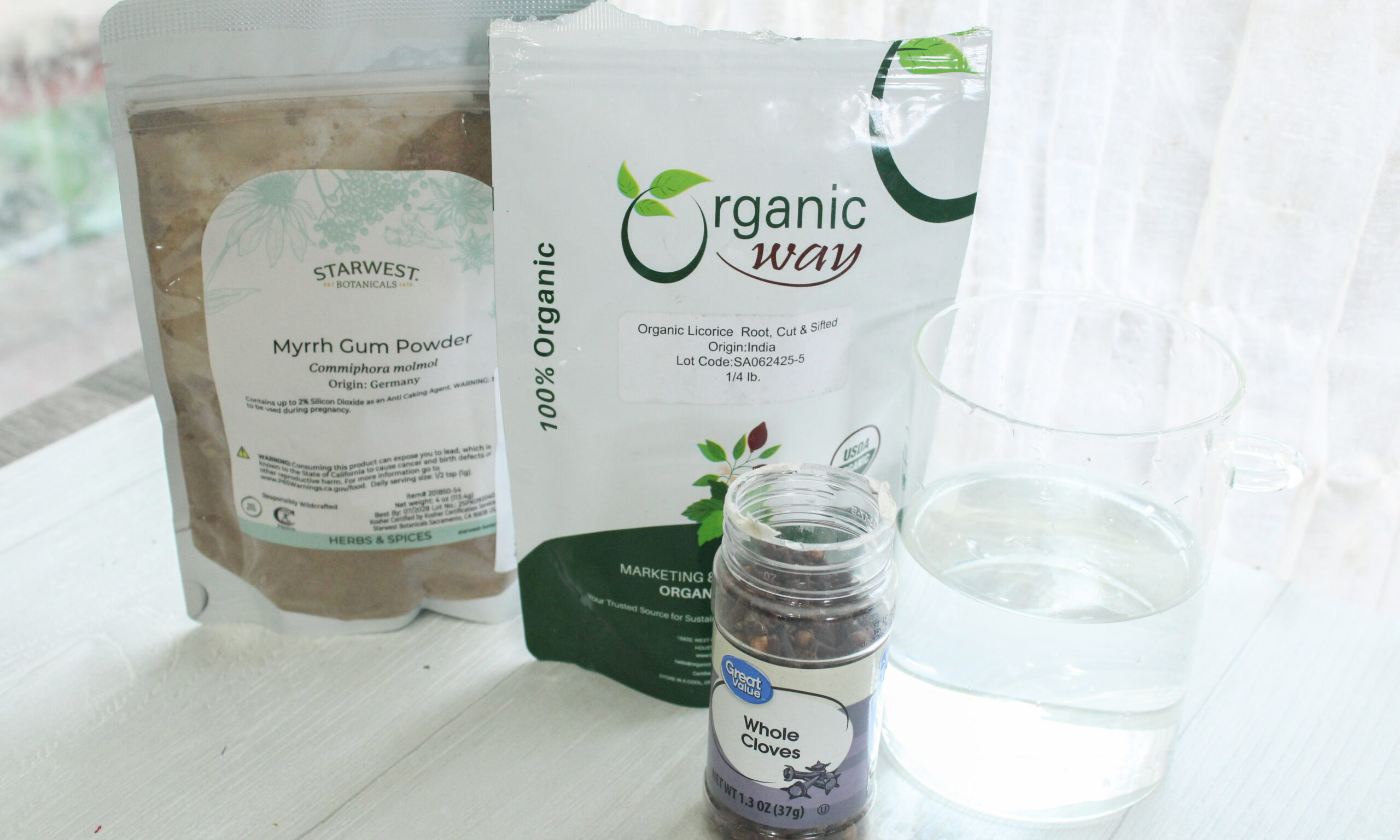
Ingredients:
- 2 tablespoons dried licorice root, chopped or shredded
- 1 teaspoon myrrh resin or powder
- 2 cups water
- 2–3 whole cloves (optional)
I didn’t truly understand how to unlock the full potential of herbs until Nicole Apelian herself taught me the logic behind remedy-making. Now I can look at any plant and know instinctively how to create a tincture, salve, or tea from it. It’s not about memorizing recipes—it’s about understanding the principles.
That knowledge has saved me thousands on pharmaceutical supplements and doctor visits. Click here to learn this logic—it’s simpler than you think, but incredibly powerful once you grasp it. Lets continue with the recipe:
Instructions:
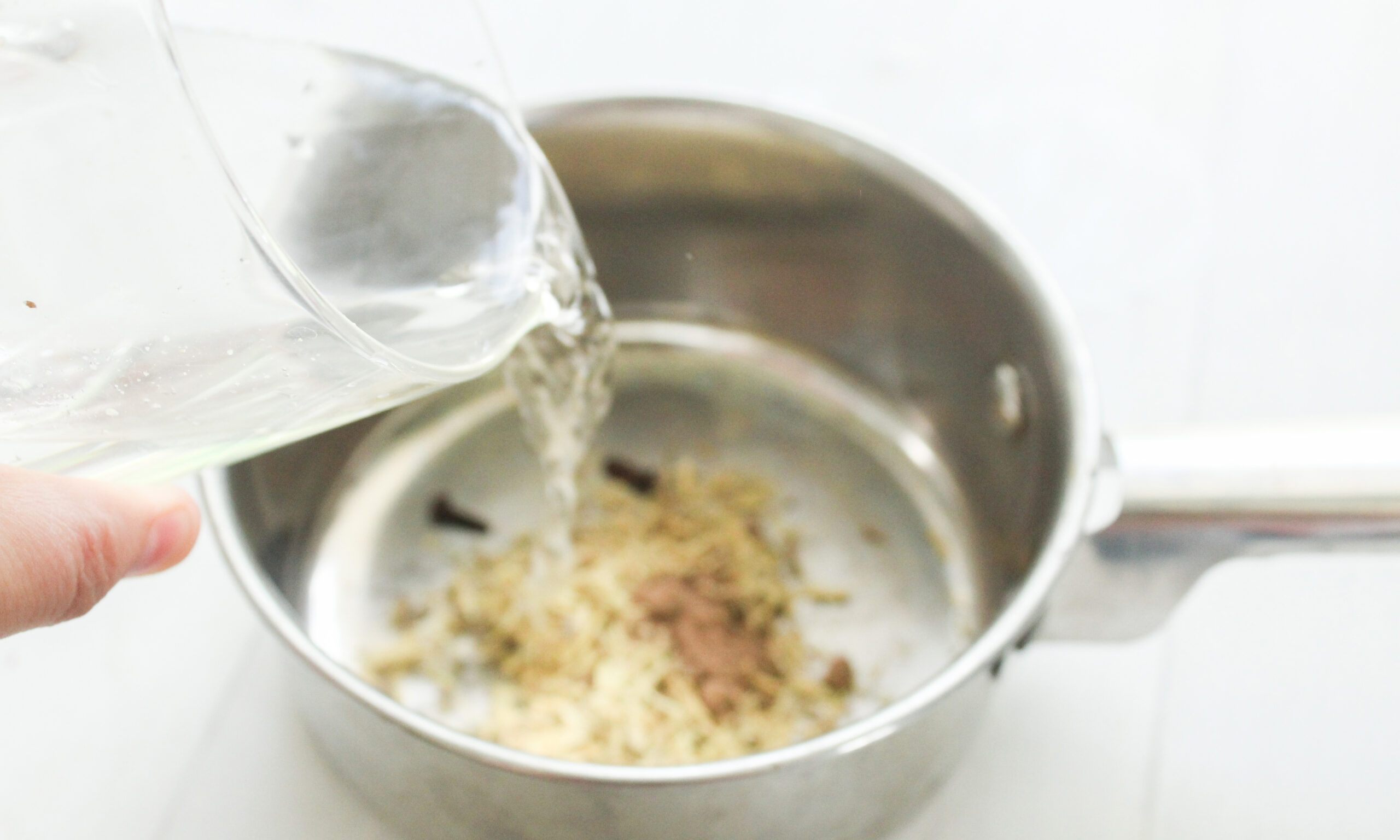
- Combine the dried licorice root, myrrh resin or powder, water, and cloves (if using) in a small saucepan.

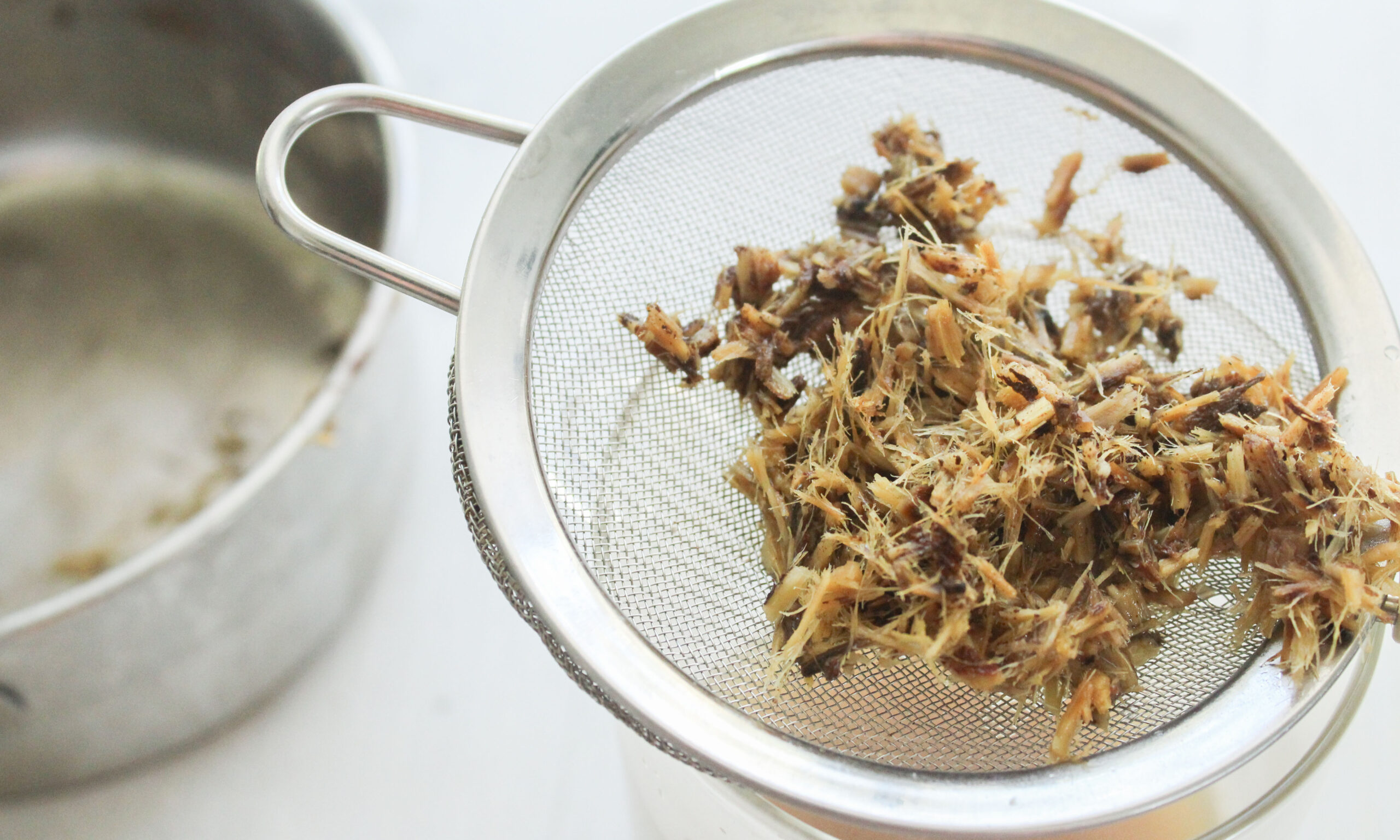
- Bring to a boil, reduce the heat, and simmer gently for 15–20 minutes. Strain and allow the liquid to cool completely. Store in a clean glass jar or bottle in the refrigerator for up to 5 days.
How to Use This Remedy
When used consistently, this Licorice and Myrrh Mouth Decoction can freshen breath, reduce harmful bacteria, and support gum health. It’s safe enough to use every day! To use, 1-2 times a day, swish 1-2 tablespoons in your mouth for about 30 seconds, then spit. Do not swallow the concoction.
Both adults and older children can use this remedy. If using it with children under 6, be sure to monitor to ensure they spit out the rinse. Proceed with caution if you have high blood pressure, as licorice root (when used regularly) can raise blood pressure in sensitive individuals. If pregnant or nursing, consult with your health care provider before using.
Store your Licorice and Myrrh Mouth Decoction in the refrigerator for best results. Use within 5 days to experience this remedy’s full potency. If your decoction changes color, starts to have an odd smell, or has a film on top, discard it and make a fresh batch.
You should note that while effective, this remedy is not a replacement for brushing and flossing, but a tool to be used alongside healthy habits.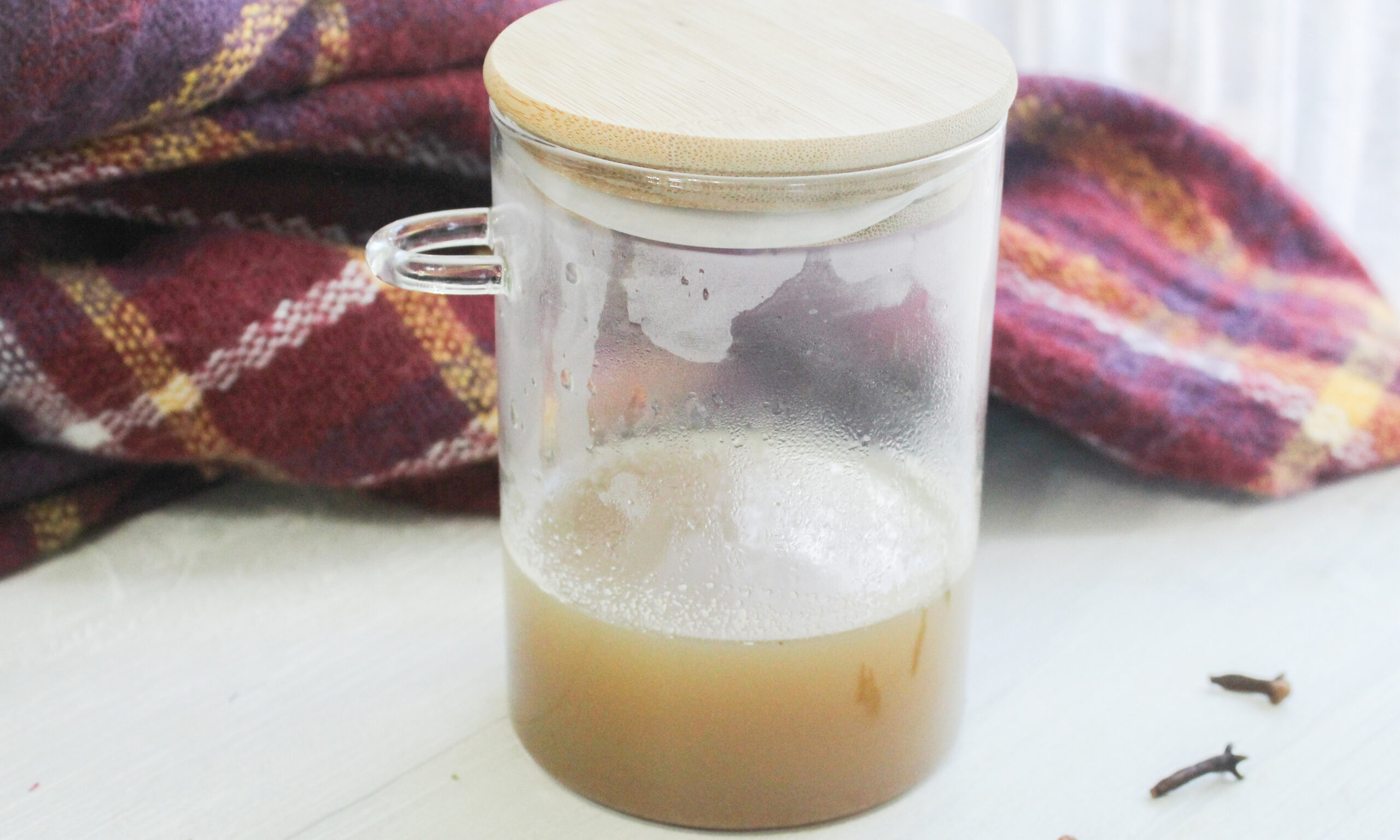
The Even More Powerful Alternative
This licorice and myrrh decoction works beautifully for daily maintenance. But if you’re dealing with stubborn cavities, persistent bad breath, or ongoing gum issues, there’s something more powerful.
That Usnea Tincture Spray is more concentrated and aggressive against tooth decay bacteria than even licorice. While licorice disrupts biofilms, usnea destroys Streptococcus mutans on contact.
Use them together: swish with licorice rinse in the morning, then spray usnea between your teeth throughout the day. After meals, after coffee, anytime you need a reset.
If you’re serious about stopping tooth decay naturally, usnea is non-negotiable. Get it here.
You just learned how to make a natural mouth decoction at home. But that’s just the beginning of what you can create.