
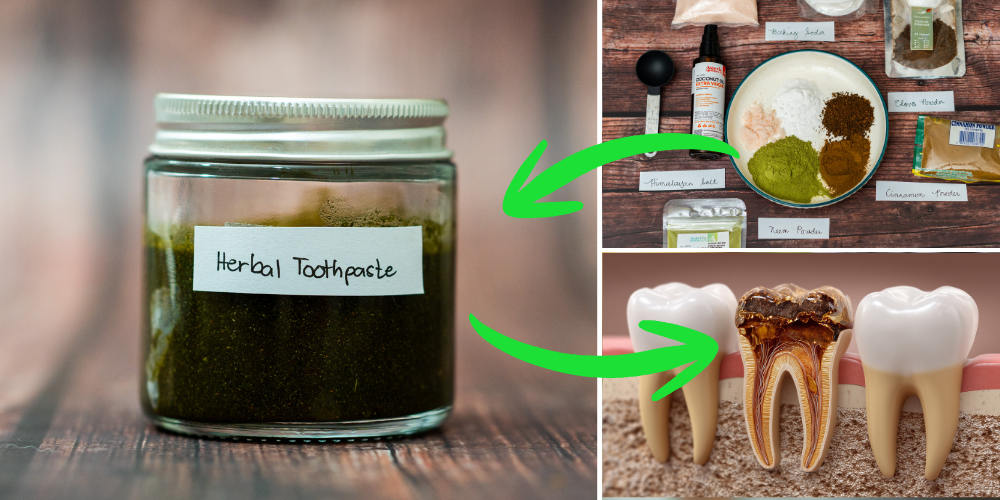
Cavities? Try This.
The tooth enamel is hard, even harder than steel. However, it chips and breaks easily in temperature changes and chemical exposures.
Over time, the enamel may erode, creating cracks and tiny holes in the surface. The holes become breeding grounds for bacteria and may lead to cavities (dental caries).
Once the tooth begins to decay, it spreads and worsens unless it gets treated. Dental fillings, sealants, or tooth extraction are the most common treatment options.
Some herbs and natural remedies may also help. Although they do not exactly heal an existing cavity, herbs contain compounds that prevent it from spreading. It may also prevent the formation of new tooth cavities and reduce inflammation.
Bad Habits That Cause Cavities 
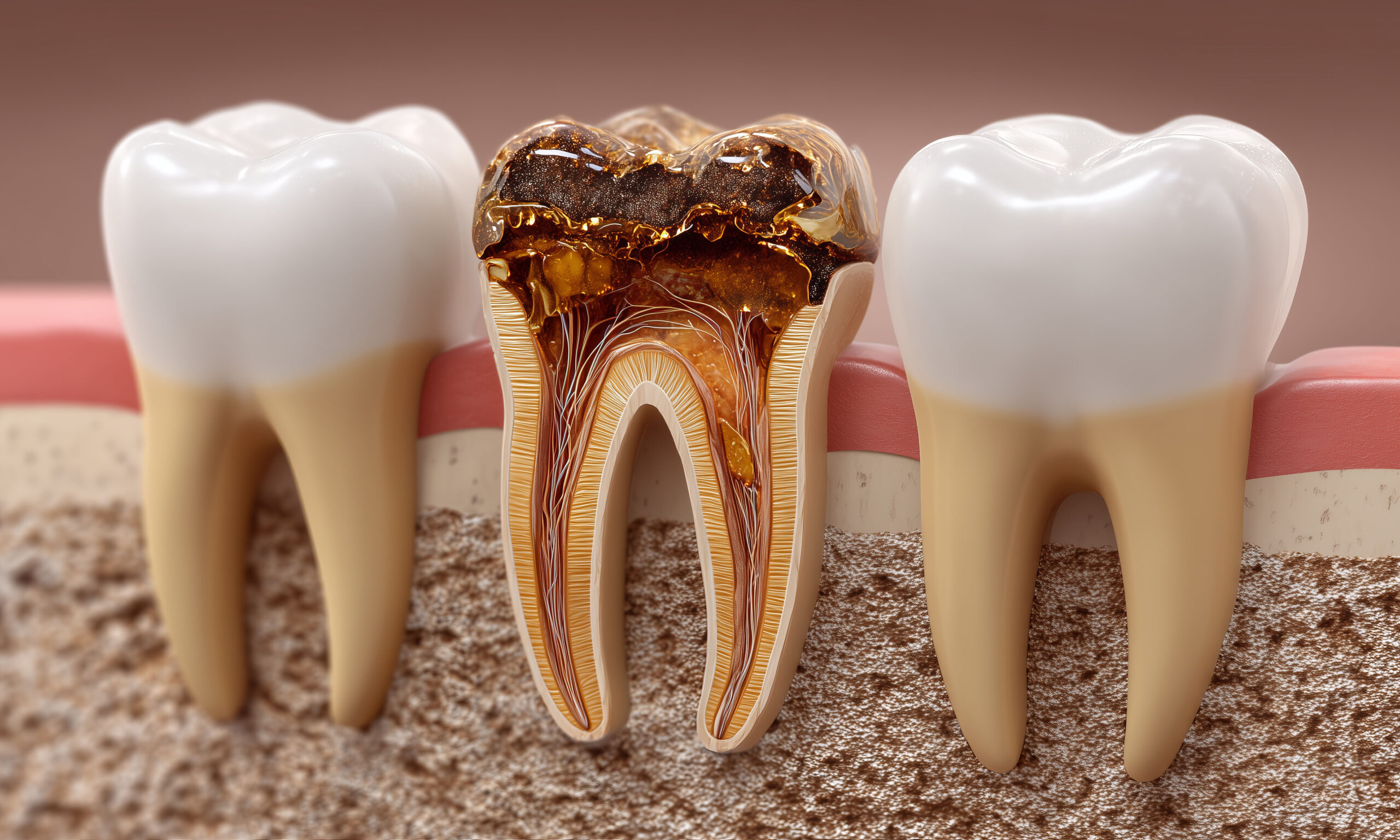
Bacteria in the mouth are the primary cause of tooth decay.
Interestingly, we are all born with our mouths colonized by microbes, including bacteria and fungi. The oral microbiome is not all bad, but some of them are harmful.
Bacteria such as Streptococcus mutans and Lactobacillus reside between teeth and produce acid. The acid can dissolve the enamel and later affect the dentin or inner layer of the teeth.
How does sugar relate to tooth decay?
Sugar and starches from food and drinks are food for the bacteria. Snacking on this food encourages the growth of harmful bacteria, which produce more acid that attacks the teeth. Bacteria and food particles form a thin biofilm called plaque that causes damage if not removed immediately.
Poor oral hygiene, such as improper or infrequent brushing and flossing, contributes to tooth decay.
If you have dry mouth because of dehydration, smoking, or taking certain medications, you are at risk of developing cavities. Saliva lubricates the mouth, washes away food particles, and neutralizes acids. It becomes harmful when the salivary glands produce less saliva.
In older adults, salivary gland production decreases, which is why tooth loss due to dental caries is prevalent in this age group. The elderly are prone to dental problems, often because of dry mouth from taking many medications.
Caffeine, spicy or acidic foods, alcohol, mouthwash, and dental braces are also contributing factors of cavities.
Acid due to acid reflux, heartburn, or eating disorders that include repeated vomiting may damage the teeth and lead to cavities and tooth erosion.
Here’s what most dentists won’t tell you: the real solution to tooth decay isn’t just better brushing, it’s fixing what’s happening in your gut. Acid reflux, heartburn, and digestive issues literally dissolve your enamel from the inside. You brush twice a day and still get cavities? That’s why.
A proper anti-inflammatory diet addresses the root cause. If you want to learn which foods are secretly triggering acid damage to your teeth and causing your gums to recede, click here for the dietary protocol.
But if you need immediate relief while you fix your diet, the Balanced Gut Tincture has been a game-changer for people dealing with acid reflux and heartburn.
It contains reishi, turkey tail, plantain, slippery elm, marshmallow, and lion’s mane, all herbs that soothe your intestinal tract and stop that acid from coming back up. Less acid reflux means less enamel erosion. It’s that simple.
The Role of Fluoride

Fluoride is a naturally occurring mineral that is important in strengthening enamel, remineralizing teeth, and inhibiting bacterial growth.
The lack of fluoride weakens the enamel, leading to faster deterioration.
As a mineral, it incorporates into the enamel and forms a compound fluorapatite. It makes teeth more resistant to acids and protects against cavities. It is also essential in decreasing tooth sensitivity.
Fluoride is found in fluoridated water and is an ingredient in many dental products, such as mouthwash, toothpaste, and dental varnish.
Although fluoride is a significant mineral for strengthening teeth, excessive intake is also harmful. Too much of it can cause fluorosis, or visible white or brown spots on teeth, and it may interact with some medications.
If fluoride was only in your toothpaste, you’d probably be fine. But here’s what they don’t tell you: it’s in your drinking water, your tea, processed foods, non-stick pans, certain medications, pesticide residues on produce… it adds up fast. That’s when it becomes toxic.
You don’t need to eliminate it completely, you just need to cut it where you can control it. Start with your toothpaste (I’ll share a recipe below).
But here’s the problem: fluoride accumulates in your body over years. Your bones. Your pineal gland. Your tissues.
That’s why periodic detoxing matters. There’s one specific plant that’s exceptional at binding to fluoride and flushing it out, along with pounds of other chemical buildup you didn’t even know was there. People report feeling clearer, lighter, less foggy after just one week of using it.
I’m not going to name it here because honestly, once you see what it does, you’ll understand why it’s not talked about more.
Click here to discover the #1 detox plant you should be taking at home. One week. That’s all it takes to see the difference.
Herbs for Dental and Oral Health

Promoting dental health starts with good oral hygiene and a proper diet. Regular dental visits for professional teeth cleaning and oral exams may prevent most dental issues.
For fluoride, you can get the required amount mostly from tap or bottled water that contains it.
Sugar-free gum is widely used in promoting salivary production. However, gums may contain xylitol, which is beneficial to health but may also be harmful in excess.
Some herbs offer better oral health support with fewer side effects than commercial dental products. These herbs contain bioactive compounds that help reduce bacterial buildup and mouth acid levels for better cavity protection.
Neem
Herbal neem toothpaste is gaining popularity as an ethical and natural oral care product. Neem (Azadirachta indica) is effective against Streptococcus mutans and reduces its ability to colonize the mouth, thereby reducing the risk of plaque formation.
Neem bark is processed into an extract or powder and used in commercial toothpaste. In traditional practices, folks chew fresh neem twigs or fray their ends to use as disposable toothbrushes.
Cinnamon
Cinnamon’s potent antibacterial property can dispel bacteria to prevent tooth decay. It is an antioxidant that helps protect the teeth from oxidative damage while promoting fresh breath.
Cinnamon toothpastes and rinses are commercially available. However, you can reap its benefits by simply sprinkling cinnamon on your toothbrush and brushing as usual.
Clove
Clove (Syzygium aromaticum) is a valued spice for dental health, often used as an anesthetic oil for toothache or an ingredient in toothpastes. Cloves contain eugenol, which numbs the gums and fights decay-causing bacteria in the mouth.
Clove oil infusion may reduce inflammation and prevent cavities and gum infections.
I saved clove for last, but it’s actually the most powerful of them all for toothaches. When I was a kid, my mom would hand me whole cloves to chew instead of letting me have gum or candy. I was amazed at how it numbed my entire mouth.
I’m sure she didn’t know the science behind eugenol and its analgesic properties—she just knew it worked.
Quick Clove Oil Recipe for Toothaches:
- Mix 3-4 drops of pure clove essential oil with 1 teaspoon of coconut oil
- Dip a cotton ball in the mixture
- Apply directly to the painful tooth or gum area
- Leave for 10-15 minutes, then rinse
- Repeat 2-3 times daily as needed
I didn’t truly understand how to unlock the full potential of herbs until Nicole Apelian herself taught me the logic behind remedy-making. Now I can look at any plant and know instinctively how to create a tincture, salve, or tea from it. It’s not about memorizing recipes—it’s about understanding the principles.
That knowledge has saved me thousands on pharmaceutical supplements and doctor visits. Click here to learn this logic. it’s simpler than you think, but incredibly powerful once you grasp it.
Other Ingredients That Prevent Cavities
We may not realize it, but some of our everyday pantry essentials also help boost dental health. You may use them if you want to avoid the chemicals and alcohols that come in commercial dental products.
Himalayan Salt
Himalayan salt supports better oral health and protects against cavities. Salt is generally used to reduce bacteria by creating a less hospitable environment for them to thrive.
A salt gargle or a salt brush neutralizes the acid produced by bacteria and increases salivary production. It may also help remineralize the enamel, making it more resistant to decay.
Coconut Oil
Oil pulling, or swishing with organic oil, particularly virgin coconut oil, is gaining popularity in oral care. Although VCO cannot reverse a structural hole in the teeth, it may prevent it from spreading and from forming new ones.
Coconut oil contains lauric acid, which reduces oral bacteria and prevents plaque buildup. You may use it for oil pulling or as a component in homemade toothpaste.
Usnea
There’s one herb I need to mention that’s often called “nature’s antibiotic“ or even “nature’s doxycycline“ because of its powerful antibacterial properties: Usnea.
This lichen is specifically effective against Streptococcus mutans, the exact bacteria responsible for most cavities. While clove numbs pain and coconut oil reduces plaque, usnea actually kills the bacteria causing the decay in the first place.
Now, I’m not suggesting you go forage usnea in forests and chew on it (that would be… intense). But you can use it in tincture form, and it’s surprisingly convenient.
The Usnea Tincture Spray works like a breath freshener spray, except it’s actively killing harmful bacteria in your mouth every time you use it.
Here’s what I do: spray it between my teeth where cavities love to hide. Spray it on my gums. The best part? It’s completely safe to swallow, so it continues working as it goes down your throat—which means it also helps prevent winter sore throats and respiratory infections.
It’s such an all-in-one remedy. I keep multiple bottles, one at home, one in my bag, one in my car. I have an irrational fear of losing my teeth, and this one remedy has become the cornerstone of my oral health routine. Nothing else targets cavity-causing bacteria this effectively.
Baking Soda
Baking soda is great for neutralizing acids by regulating the mouth’s pH levels. It is a natural remedy for many health problems, such as plaque and gingivitis, when used short-term.
Baking soda helps prevent cavities and tooth decay and keeps them from worsening. It also neutralizes odor, which helps freshen breath. Although abrasive, baking soda is milder than commercial toothpastes for teeth whitening.
Homemade Herbal Toothpastes
For a while, a myth about the colored bars at the back of every toothpaste circulated.
Allegedly, the colors indicate the ingredients such that green means natural, blue means natural + medicine, red means natural + chemical, and black means pure chemical.
Experts refuted the claims, saying it has nothing to do with formulation. The colors indicate the manufacturing code for the machines used to cut and seal the toothpaste tubes.
What users should watch out for are the chemicals and other concerning ingredients in toothpastes. Sodium Lauryl Sulfate (SLS), triclosan, parabens, and artificial coloring and flavorings may cause harmful side effects.
If you want a natural, safer product, here is an herbal toothpaste you can make at home to help prevent cavities.
Herbal Anti-Cavity Toothpaste
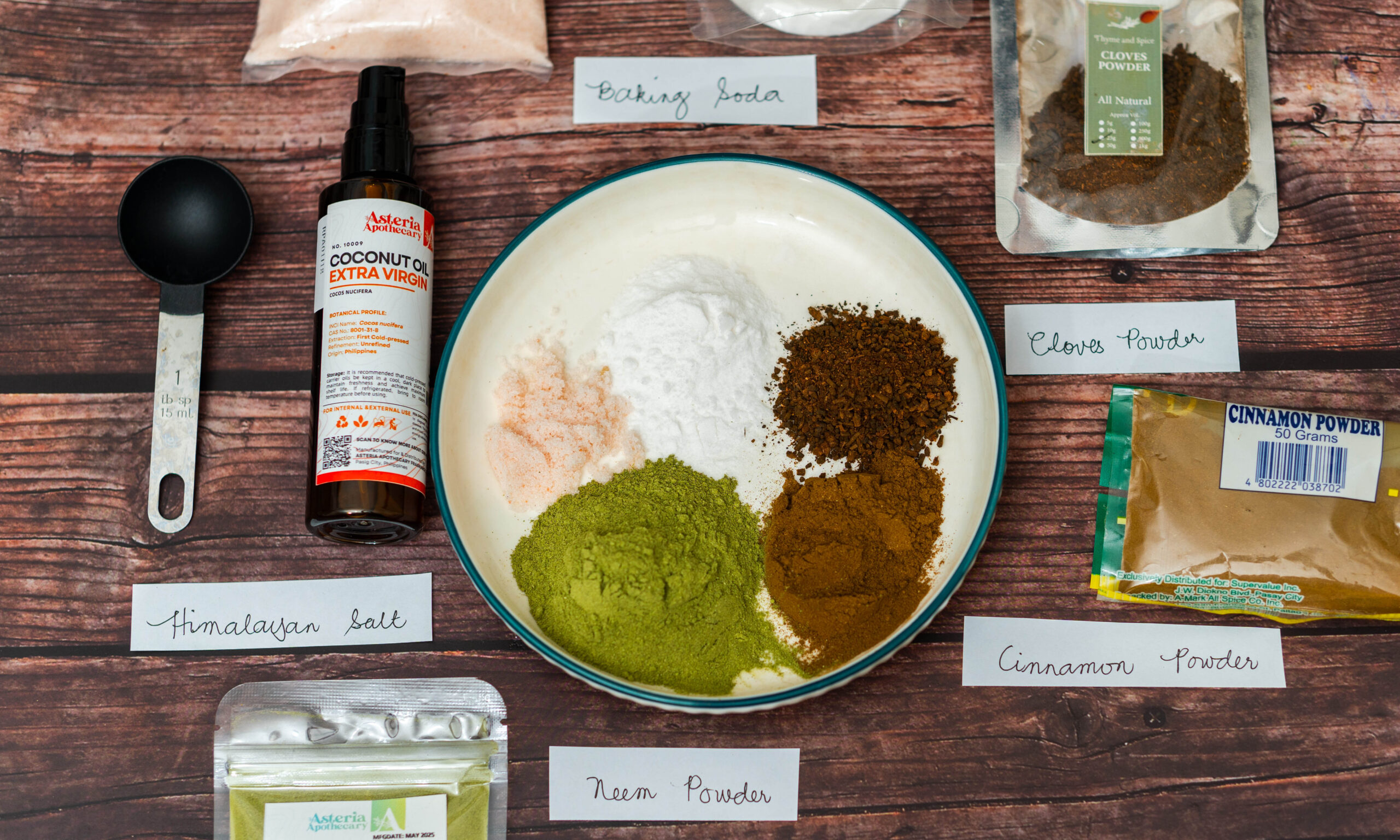
Ingredients
- 3 tbsp neem powder
- 1 tbsp cinnamon powder
- 1 tbsp clove powder
- 1 tbsp baking soda
- ½ tbsp Himalayan pink salt
- 5 tbsp virgin coconut oil
Steps
- Mix neem powder, cinnamon, clove powder, baking soda, and Himalayan salt. Then, add coconut oil.
- Mix well to form a thick paste.
- Transfer the herbal toothpaste into a clean jar.
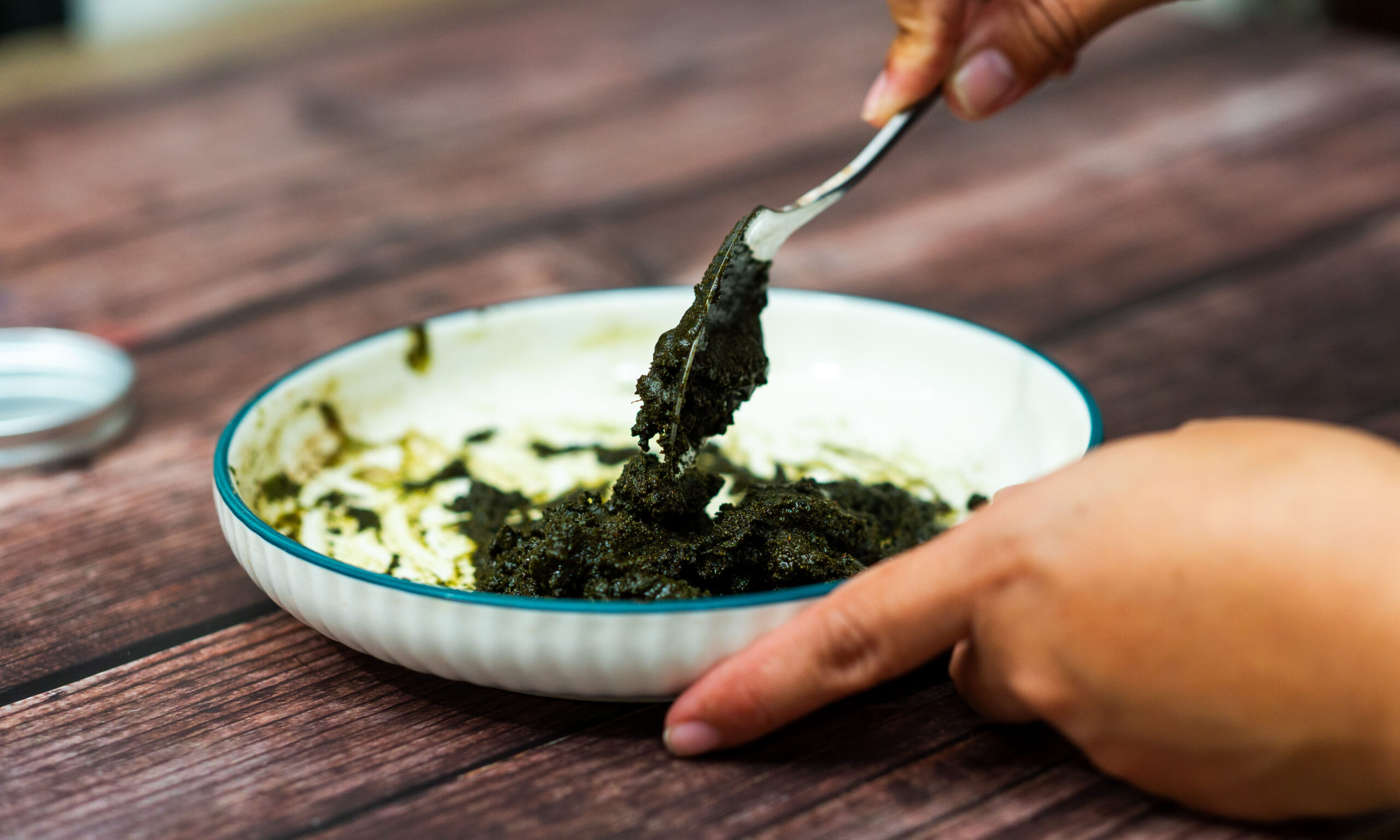
To use: Use the herbal toothpaste like you would with commercial toothpaste, brushing gently but thoroughly. Start by using it once a day until you get used to its bitter taste, then gradually increase to twice a day. Rinse your mouth well after use. 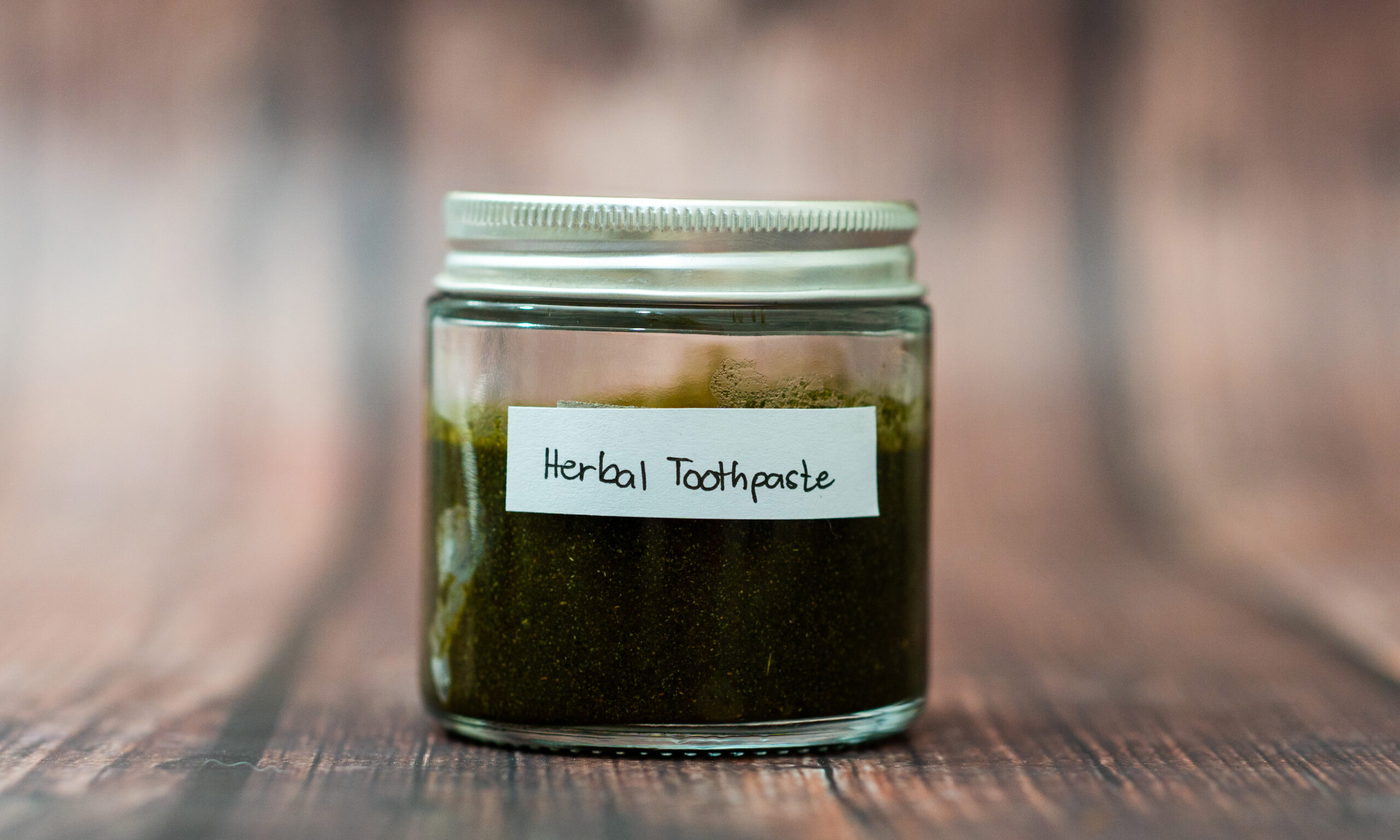
You just learned how to make natural toothpaste at home. But that’s just the beginning of what you can create.
How To Replace Any Personal Care Product
Most personal care products are loaded with chemicals you can’t pronounce. Deodorants with aluminum. Shampoos with sulfates. Lotions with parabens. Mouthwashes with artificial dyes and alcohol. Fluoride everywhere.
What if you could make all of it yourself? Here are just some of the personal care remedies you’ll find in The Forgotten Home Apothecary:
- Rosemary Hair Growth Spray
- Arnica Salve for Age Spots
- Natural Herbal Toothpaste
- Gum-Strengthening Mouthwash
- “Better Than Botox”
- Herbal Facial Oil
- Natural Deodorant Stick
- Natural Herbal Sunscreen
Right now is honestly the best time to get this book. With 2026 around the corner, prices on everything are climbing because of inflation. Books included. This is one of those things you’ll wish you grabbed while it was still affordable.
Plus, if you know someone who’s curious about natural remedies or tired of putting chemicals on their body every day—this makes an incredible gift. You could genuinely change someone’s life by introducing them to plant-based personal care. You might even save their health.
Get The Forgotten Home Apothecary here before prices go up in 2026.
What natural product can help to rebuild teeth enamel as we age?
Calcium Fluoride in Tissue Salts and Homoeopathy, a natural mineral found in the ground, that will help build enamel (With Calc Phos) and help elasticity to prevent receding gums.
Floride is only good for the enamel in your teeth, nothing else. It is very bad for the rest of your body, and it also calcifies the Pineal Gland, in your brain… There has been a lot of scientific studies done on this, check it out. It slows down your ability to think creatively and think with speed beyond the next task/step.
It was why Adolf Hitler put it in the water in the 1930s in Germany, to get more control of the population. The American Government started putting in the water in the late 40’s early 50s, for the large influx of immigrants after WWII.
As opposed to Calcium Fluoride in Tissue Salts and Homoeopathy, a natural mineral found in the ground, that will help build enamel (With Calc Phos) and help elasticity to prevent receding gums.