
Brahmi (Bacopa monnieri): Ancient Clarity From a Humble Herb
Brahmi is a small creeping herb with a remarkably large reputation. Known for centuries in Ayurvedic medicine, it was used to support memory, concentration, and emotional steadiness. Brahmi gained such respect in India that it was often recommended to scholars, monks, and young students who relied on focused thought and calm nerves. It became a symbol of clarity, and its use was considered a way to nourish the mind rather than stimulate it.
Today, herbalists value Brahmi not as a quick fix, but as a gentle tonic that feeds the brain and nervous system over time. Its benefits accumulate gradually, making it a perfect herb for those who feel mentally fatigued, chronically stressed, or overwhelmed by busy thoughts. Brahmi teaches the body to balance itself, not to rely on constant stimulation. In a world full of noise, this is a quiet and steady remedy.
🌿 How to Identify Brahmi
True Brahmi (Bacopa monnieri) is a succulent creeping plant that thrives in wet environments. You’ll find it near ponds, swamps, riverbanks, rice fields, and anywhere that holds standing water. Its stems creep along the ground and take root anywhere they touch, forming small dense clusters.
Identification features:
- Small, thick, oval leaves
- Fleshy stems that snap easily
- Opposite leaf pattern (two leaves at a time along the stem)
- Small white flowers with a hint of purple or blue
- Mildly bitter, slightly salty taste when chewed
Because Brahmi is often confused with Gotu Kola (Centella asiatica), especially in herbal markets, correct identification is important. The comparison table below will help prevent mix-ups.
🌱 How to Grow Brahmi at Home
Brahmi is surprisingly easy to grow once you understand its needs. It prefers constantly moist soil and partial sunlight. If allowed to dry out, it wilts quickly — but if given water, it flourishes rapidly and roots almost anywhere. Many herbalists grow Brahmi in shallow dishes or pots kept inside larger trays filled with water.
Growing tips:
- Use consistently wet soil or even shallow water
- Place in partial shade or filtered sunlight
- Start new plants easily from cut stems
- Pinch back growth to encourage thicker patches
Harvesting:
Harvest anytime throughout the growing season by snipping the tender upper stems. Brahmi can be used fresh or dried, though drying should always occur in shade to preserve its compounds and flavor. Fresh Brahmi is excellent for oils, tinctures, and teas; dried Brahmi stores well for several months.
🌿 Benefits of Brahmi
✨ Memory and Cognitive Support
Brahmi contains natural compounds called bacosides, which support nerve communication and protect delicate brain tissues. For centuries, it has been used to assist students, elders, and anyone struggling with mental fatigue or forgetfulness. Unlike caffeine, Brahmi does not force alertness — it feeds clarity slowly by enhancing the body’s own processes. Over time, this gentle nourishment supports easier learning, better recall, and clearer thinking.
Brahmi remains especially valued in modern herbal practices for aging minds. As we grow older, our ability to remember and focus can weaken. Brahmi supports healthy circulation to the brain, protects neurons from damage, and encourages sharper cognitive function without overstimulation. It is not a quick stimulant but a long-term companion for mental vitality.
🌸 Nervous System Balance
Brahmi is an herbal nervine, meaning it soothes and strengthens the nervous system. It naturally calms without creating drowsiness, making it helpful for anxiety, irritability, or overstimulation from fast-paced living. People who feel tense but still need to think clearly often benefit greatly from Brahmi. It encourages a state of relaxed focus, quieting the nervous system while keeping the mind awake.
This soothing effect can reduce stress-related headaches, restless thoughts, muscle tension, or sudden emotional fatigue. Brahmi supports the body’s ability to adapt to stress instead of simply dulling the reaction. The result is calmness that feels balanced and grounded — not heavy or sedated.
🌙 Support for Restful Sleep
Brahmi is not a sedative, yet it supports natural sleep by relaxing the nervous system. For people who lie awake replaying the day’s worries, Brahmi can gently ease the mind enough to rest. This is especially useful for those who want better sleep but don’t want grogginess the next day. Rather than forcing sleep, it prepares the body for it, making slumber a natural result of nervous system balance.
Over time, consistent use can help break the cycle of stress-driven insomnia. Calmer nerves mean less tension in the body, slower mental chatter, and deeper, more restorative sleep. Brahmi helps the body relearn how to unwind at night, making bedtime a place of peace instead of restlessness.
🍵 How to Use Brahmi
 Brahmi Tea
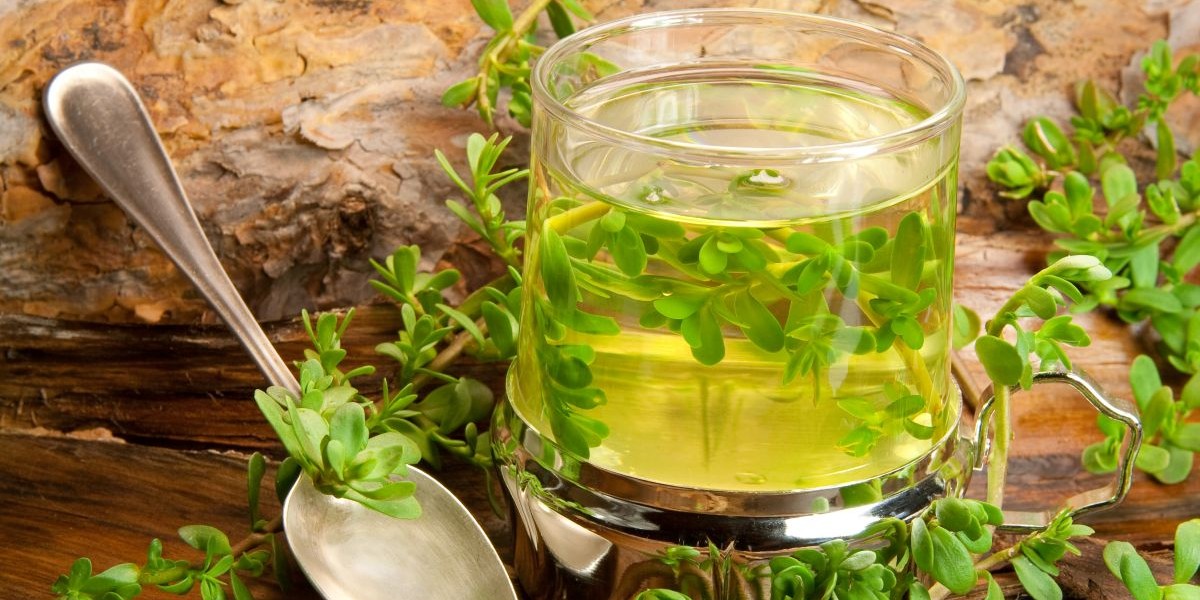 Brahmi Tea
Brahmi tea is often used for steady cognitive support and mild stress relief.
- 1–2 teaspoons fresh or dried Brahmi
- Steep in hot (not boiling) water for 10 minutes
Brahmi’s flavor is bitter-salty, so it blends beautifully with peppermint, chamomile, or lemon balm for a smoother taste. Tea is best taken daily for long-term results.
Brahmi Tincture
A tincture is a concentrated herbal extract stored for long-term use.
- Chop fresh Brahmi and place loosely in a jar
- Cover with 40% alcohol (vodka or brandy)
- Steep 4–6 weeks, shaking occasionally
- Strain and bottle
Suggested dose: 1–2 ml, up to 3 times daily. Tinctures are helpful for people who want Brahmi without frequent brewing.
Brahmi Oil
In Ayurveda, Brahmi oil is applied to the scalp to support clarity and calmness.
- Simmer Brahmi in coconut or sesame oil on low heat for 3–4 hours
- Strain while warm and store
Warm Brahmi oil massaged onto the scalp before bed is said to quiet the mind and support healthy hair growth.
⚠️ Cautions
Brahmi is generally safe, gentle, and well-tolerated. However, because it influences the nervous system and cognition, it should be introduced slowly. Some individuals may experience digestive sensitivity, particularly if taking large doses on an empty stomach. Drinking tea after meals or starting with low tincture doses helps prevent discomfort.
Pregnant individuals should avoid high doses unless guided by a knowledgeable practitioner. In very cold or dry climates, Brahmi may feel slightly cooling and should be balanced with warming herbs like ginger. As with all herbs, it’s wise to observe how your body responds and adjust as needed.
🌿 Brahmi vs. Gotu Kola
| Feature | Brahmi (Bacopa monnieri) | Gotu Kola (Centella asiatica) |
| Leaf Shape | Small, thick, oval | Round, fan-shaped |
| Texture | Succulent & fleshy | Thin, leafy |
| Growth | Creeping roots at nodes | Creeping vine |
| Best Use | Memory, nerves, cognition | Circulation, brain, skin |
| Also Sold as “Brahmi”? | True Brahmi | Yes, but incorrectly |
🌱 Final Thoughts
Brahmi stands out because it does not push the body — it teaches it. Rather than forcing alertness or sedation, Brahmi nourishes the nervous system gradually, supporting clear thinking and emotional balance as part of everyday life. This makes it a powerful herb for students, professionals, elders, and anyone who wants greater clarity without strain.
We live in a time when our minds are constantly overstimulated but rarely nourished. Brahmi offers a reminder that true clarity comes from strengthening the systems that support it. A cup of Brahmi tea or a daily tincture can become a quiet daily ritual that restores the mind gently, without demanding anything from the body it cannot sustain.
📘 Discover the Wisdom of Traditional Herbal Remedies
If Brahmi’s gentle power inspires you, then you’ll love The Forgotten Home Apothecary, a detailed guide to making classic herbal remedies from plants you can grow, forage, or keep in your kitchen. It walks you through the everyday medicines that were once common knowledge — ointments for burns, teas for anxiety, bitters for digestion, salves for wounds, and nourishing tonics like Brahmi.
Inside, you’ll learn how to:
🌿 Craft your own tinctures, oils, and teas
🌿 Use herbs safely and effectively at home
🌿 Build a daily wellness routine with natural remedies
🌿 Replace commercial products with traditional medicine
This isn’t just a book — it’s a return to the wisdom that kept families healthy long before modern pharmacies.
👉 Explore The Forgotten Home Apothecary and reclaim the herbal skills that belong in every home.
You may also like:
 DIY Recipes for Pain Relief, Detox, Memory, & More!
The Best Natural Painkiller That Grows in Your Own Backyard (Video)
DIY Recipes for Pain Relief, Detox, Memory, & More!
7 Herbs That Support Healthy Blood
Top 10 Anti-Inflammatory Herbs and Spices You Should Eat Every Day