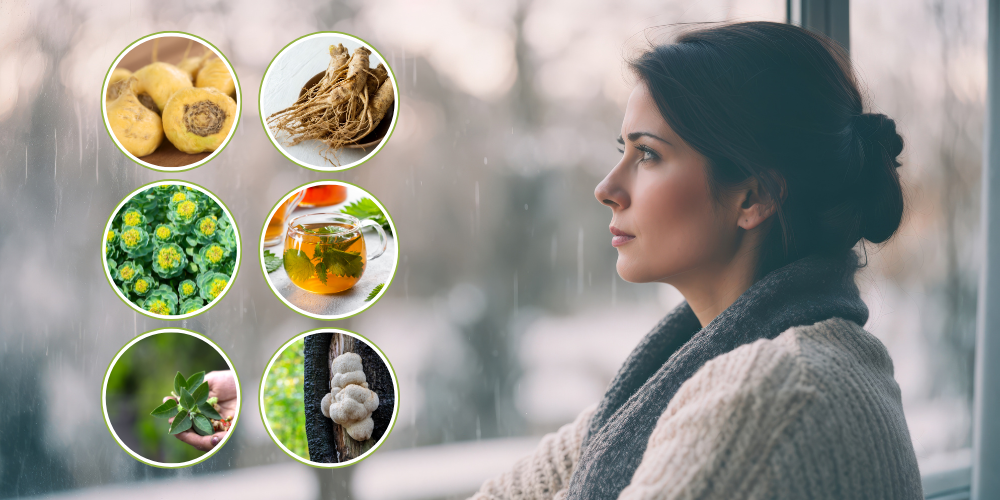
7 Herbal Energy-Boosters to Combat Winter Fatigue and Seasonal Depression
You can feel it coming.
The alarm goes off in the dark. You drag yourself out of bed in the dark. Maybe you drive to work and come home in the dark. Or maybe you’re retired, but you used to bounce out of bed for morning walks—now you can barely motivate yourself to get dressed.
And somewhere between October and March, you realize you’ve become a different person—slower, foggier, heavier. Like someone turned down the dimmer switch on your energy and your joy.
Your doctor calls it “seasonal affective disorder” if it’s bad enough. Most people just call it the winter blues. But here’s what’s actually happening inside your body: shortened daylight is hijacking your brain chemistry.
The Science Behind Your Winter Slump
Less light means plummeting serotonin (your feel-good hormone) and spiking melatonin (your sleep hormone)—except the melatonin hits during the day, leaving you exhausted when you need to be awake.
Your internal clock is broken. Your mood crashes. Your energy disappears. And every January, you tell yourself “this is just how winter is.”
But what if it doesn’t have to be?
What if there are plants, used for centuries in the darkest, coldest regions on Earth, that can actually rebalance what winter disrupts? Not antidepressants with their laundry list of side effects. Not stimulants that borrow from tomorrow’s energy. Adaptogens that help your body handle stress, darkness, and cold the way nature intended.
Science is finally catching up to what traditional healers always knew. And these seven herbs have the studies to prove they work.
7 Herbs That Fight Winter’s Grip
Ginseng: The Classic Winter Energizer
This is the superstar “strengthening” herb used for centuries to boost energy and stress resistance. A 2023 review of 19 clinical trials found Asian ginseng root “may have a small beneficial effect on general fatigue.” Users report feeling more energized and less tired—exactly what you need when winter drags you down.
Some studies suggest mood benefits, possibly by improving mental clarity and stress resilience. Typical doses: 200-400mg of standardized extract daily. Short-term use (up to a few months) is generally safe in healthy adults.
By wintertime, people sip ginseng tea or take capsules and report feeling sharper and more awake on dreary days. This is your foundation herb for fighting winter sluggishness.
Lemon Balm (Melissa): The 2,000-Year Calm
This lemon-scented herb in the mint family has been calming nerves for 2,000 years. Modern studies confirm it acts as a gentle anxiolytic and antidepressant with cognitive benefits—perfect for winter blues when anxiety and low mood strike.
Human trials found 300-600mg of lemon balm extract increased calmness within 1-3 hours without reducing alertness. An 8-week study of people with mild-to-moderate depression showed 2,000mg daily led to antidepressant effects comparable to low-dose Prozac. Another trial in adolescents with PMS found 1,200mg daily reduced anxiety and depression scores over 3 months.
Lemon balm modulates GABA receptors (promoting anti-anxiety effects) while influencing serotonergic systems involved in mood. This multi-faceted action explains both its relaxation effect and cognitive benefits like improved attention.
Typical dose: 300-600mg for acute stress relief, or up to 1 gram daily for ongoing mood support. Often taken as tea (1-2 teaspoons dried herb) or capsules. Generally very safe with no serious adverse effects reported in trials.
Two thousand years of use. That’s how long humans have been turning to lemon balm when life gets too heavy.
And winter? Winter makes everything heavier. The darkness, the isolation, the cold. Your mood drops, your anxiety spikes, and you’re stuck in a cycle you can’t break.
Lemon balm stops that cycle. It modulates GABA receptors to calm anxiety while influencing serotonin to lift mood. Not one or the other—both. That’s rare.
You could make your own tincture. Steep dried lemon balm in vodka for 4-6 weeks, strain, done. Or you could have it ready today—properly extracted, full-spectrum, waiting for the next time winter tries to drag you under.
Click here for the lemon balm tincture that’s been calming minds for 2,000 years.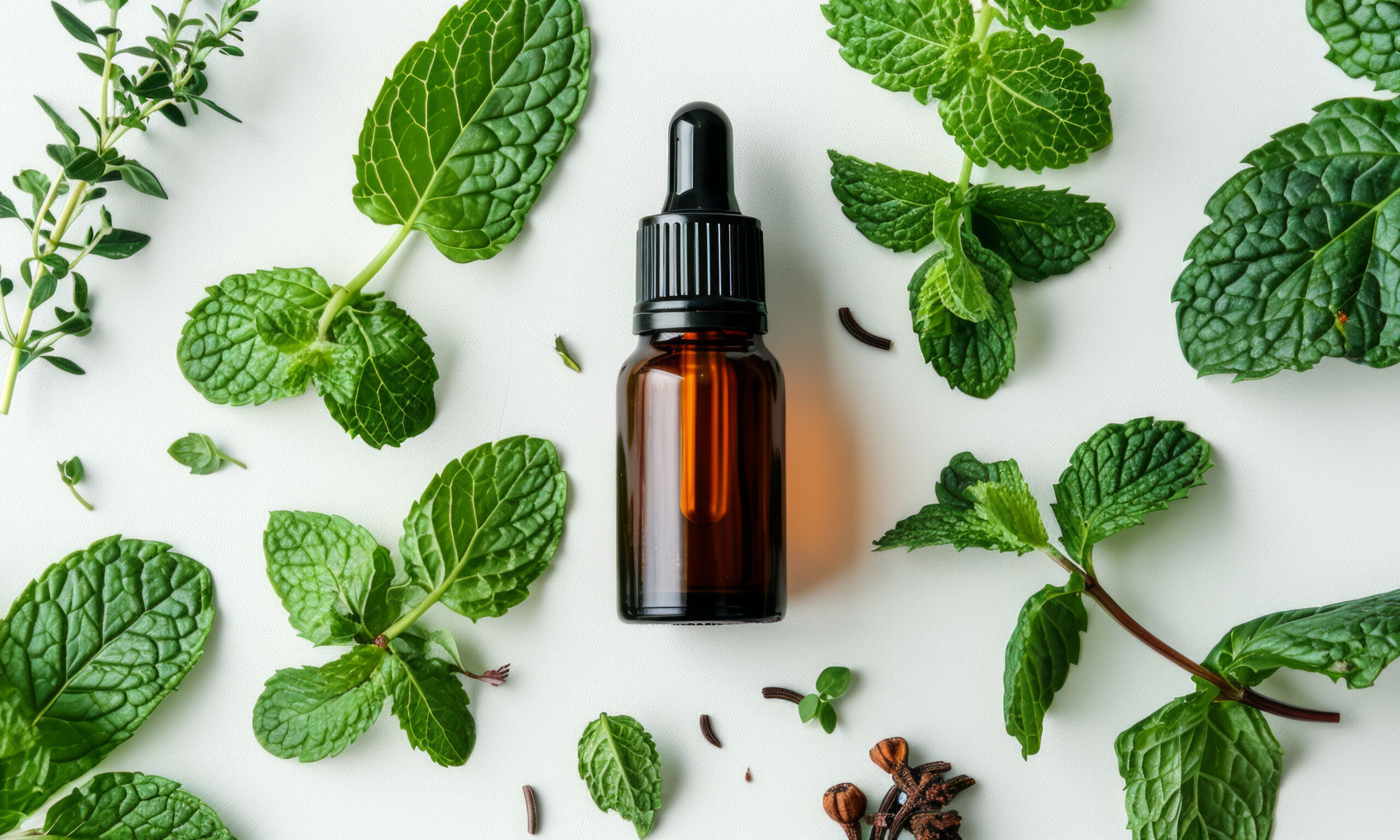
Rhodiola: Nature’s Stress-Fighter
This “golden root” comes from Siberia—people who know dark, brutal winters. It’s an adaptogen that improves endurance and mood under stress. Clinical studies show people taking rhodiola had “reduced fatigue in stressful situations” and improved cognitive performance.
Merck Manuals notes rhodiola “reduced fatigue” and “improved endurance and work performance” in trials. Another analysis found it among the most effective adaptogens at blocking stress-induced fatigue.
Typical dose: 200-400mg daily standardized to rosavins/salidroside. Users feel more energetic and alert, especially when days are short and stress is high. This is your go-to when you’re run-down and overwhelmed.
Maca: Andean Stamina Root
Native to the high Andes, maca root is traditionally used to increase stamina and vigor. A 2024 scientific review notes maca has shown “potential for combating fatigue” and “enhancing physical performance” in studies.
Athletes report improved endurance. One study found maca improved overall wellbeing and feeling “vigorous,” likely by affecting energy metabolism and hormones.
Maca is very safe and food-like—people typically take 1-3 grams daily of powdered root. Many mix it into smoothies or cocoa as a gentle pick-me-up. The effect isn’t jittery caffeine, but grounded, steady uplift. If your energy dips in the afternoon, maca helps you power through.
Lion’s Mane: The Brain Rebuilder
This shaggy white mushroom supports brain health and mental function—crucial when winter fog and fatigue hit. A 2024 systematic review noted lion’s mane shows “enhancement of mood and cognitive function” in middle-aged and older adults.
In a trial of 30 menopausal women, 2 grams daily for 4 weeks led to significantly lower depression and anxiety scores compared to placebo. An 8-week study in overweight adults found lion’s mane led to a 29% reduction in depression and 33% reduction in anxiety. A pilot study in adults 18-45 showed a single 1.8g dose improved cognitive processing speed within 60 minutes, and after 4 weeks participants reported reduced stress levels.
Lion’s mane contains hericenones and erinacines that cross the blood-brain barrier and stimulate nerve growth factor (NGF) synthesis, supporting growth and maintenance of neurons. One human trial noted it increased BDNF levels alongside improved mental health scores.
Typical dose: 1-3 grams daily of mushroom extract. Common regimen is around 2g daily. Takes a few weeks of daily use to notice effects on mood or memory. Generally well tolerated as it’s an edible food mushroom.
Winter fog isn’t just tiredness. It’s your brain struggling to function without adequate light, without the neurochemicals it needs to think clearly.
Lion’s mane doesn’t just mask that fog—it rebuilds what winter is breaking down. It stimulates nerve growth factor, literally helping your brain grow new neurons and repair damaged ones.
The studies prove it: reduced depression, reduced anxiety, faster cognitive processing, lower stress. This isn’t temporary relief. This is your brain getting stronger.
 If you’re watching your memory slip, your focus fade, your mental sharpness disappear into the winter haze—lion’s mane is the mushroom that can pull you back.
You could source it, extract it yourself, wait weeks. Or you could start rebuilding today.
Click here for the lion’s mane tincture that helps your brain fight back against winter’s fog.
Ashwagandha: Calming Energy Tonic
This Ayurvedic herb relieves stress and fatigue—a rare combination. In one 12-week trial, adults with mild fatigue taking ashwagandha extract noted a boost in “energy levels and mental clarity” and rated stress as more manageable than placebo.
Another study found overweight adults with low energy using 300-600mg daily reported significantly reduced fatigue compared to placebo. The World Federation of Biological Psychiatry now provisionally recommends ashwagandha for anxiety disorders, citing its anti-fatigue effects.
It helps your body adapt to stress, naturally lifting that winter “blah” feeling. Taken as tea or capsules, many find it gently energizes them without overstimulation—perfect for dark, sluggish months.
Winter multiplies stress. Shorter days, less sunlight, trapped indoors. Your cortisol stays elevated, your nervous system stays wired, and you’re exhausted yet anxious at the same time.
Ashwagandha helps. But combined with lemon balm, lion’s mane, and reishi? It’s exponentially more powerful. Ashwagandha lowers cortisol. Lemon balm eases anxiety. Lion’s mane supports cognitive function. Reishi protects against burnout.
Making your own means sourcing four herbs, waiting 6 weeks, hoping you got ratios right—hard when you’re already overwhelmed.
There’s a blend with all four, properly extracted, ready to use today.
Click here for the anxiety and stress tincture that keeps you steady when winter tries to break you.
Stinging Nettle: The Nutrient Powerhouse
This isn’t your typical energizer, but nettle is cherished as a nourishing “winter tonic” packed with nutrients that combat fatigue and bolster vitality during low-energy months. While direct research on nettle for SAD is limited, its high iron and mineral content supports energy in powerful ways.
Nettle leaves provide significant vitamin A, calcium, magnesium, and iron—100g contains roughly 1.6mg of iron (10-20% of daily requirement) plus vitamin C to aid absorption. Iron is crucial for preventing anemia and fatigue. One review notes nettle consumption increases red blood cell counts, improving oxygenation and energy levels.
Herbalists consider nettle (especially the seed) an adaptogen supporting adrenals and stress response. It contains compounds that may modulate inflammation—chronic inflammation contributes to fatigue, so by reducing inflammatory cytokines, nettle might indirectly combat fatigue and brain fog.
Typical dose: 1-2 cups of nettle leaf tea daily (steep 2 teaspoons dried leaves per cup). Or 300-500mg capsules taken 2-3 times daily. Can also be cooked like spinach for meals.
Very safe once dried or cooked (don’t eat fresh/raw—it stings!). Pregnant women should avoid. May interact with diuretics, blood pressure, or blood sugar medications.
Nettle was one of the most prized herbs centuries ago. Our ancestors knew winter drained vitality, and nettle was their answer—packed with iron, calcium, magnesium, vitamin K. Everything your body craves when energy disappears.
Here’s what makes nettle legendary: it doesn’t just give you minerals. It supports your adrenals, reduces inflammation, and actually helps your kidneys function better—meaning your body absorbs and uses those minerals instead of flushing them out.
Those synthetic vitamin tablets? Some of them contribute to kidney stones. Nettle prevents them while delivering the same nutrients. That’s the difference between isolated chemicals and whole-plant medicine.
I keep nettle tincture on hand for everything. A few drops in water for energy. A few drops in tea for minerals. A few drops when winter makes me feel depleted.
Click here for the nettle tincture that delivers the vitality winter tries to steal.
Your Winter Survival Plan
These herbs won’t magically replace sunshine. But they tip the balance in your favor by easing stress, sharpening your mind, and bolstering stamina when daylight is scarce.
Combined with good sleep, healthy food, and whatever light exposure you can get, herbs like ginseng, rhodiola, and ashwagandha make your body more resilient to winter’s drag.
Start now. Don’t wait until you’re deep in the fog. Many adaptogens work best when you build them up over weeks, creating reserves before you need them most.
Quality matters. Use standardized extracts from reputable suppliers. Cheap supplements often contain nothing useful.
Talk to your doctor if you’re on medications or have health conditions. These are powerful plants, not placebos.
Here’s how I learned about these plants.
I picked up bits and pieces from my mom. Then more from scattered internet searches. But nothing ever made complete sense. It was all fragments, conflicting advice, no real understanding.
That changed when I found pure plant knowledge. No ads. Nobody trying to sell me supplements. Just a heartwarming herbalist who wanted to teach people about plants.
Dr. Nicole Apelian. She’s documented over 900 plants and their medicinal properties in her books. No hype. No marketing garbage. Just decades of real knowledge from someone who lived with indigenous healers and survived 57 days in the wilderness using only plants.
I was so moved by her approach that I want to share the video that made me finally see the full picture of medicinal plants. Everything clicked after watching this.
Click here to watch the video that changed how I understand plant medicine.
The Truth About Winter
You don’t have to accept exhaustion, brain fog, and low mood as “just winter.” Our ancestors used plants from the coldest, darkest regions—Siberian rhodiola, Himalayan ashwagandha, Andean maca—to stay strong when the sun disappeared. Those plants are still here, and now science confirms they genuinely help your body adapt to darkness and cold.
For DIY lovers, this is your bible. 250 remedies with step-by-step instructions so you can make your own medicine and never depend on anyone else again.
For everyone else, this is the best insurance policy you’ll ever buy. When pharmacies run out of what you need, when your favorite supplement is out of stock, when you’re sick of side effects from pills that barely work—this book is your only reliable source.
Here are 10 winter remedies you need before the season hits: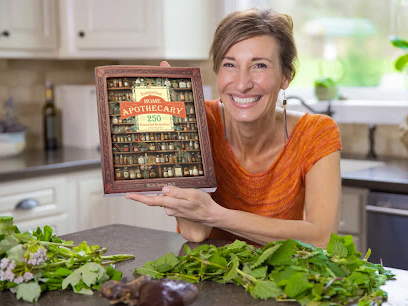
- White Cell Boosting Juice
- Amish Amoxicillin
- Lymphatic Cleanser
- Natural Brain Booster
- Memory Elixir
- Herbal Capsules for Cortisol Balance
- Stress-Free Elixir
- Herbal Sleeping Pills
These aren’t “nice to have.” These are the remedies that get you through winter when your body is under siege from darkness, cold, and constant exposure to illness.
The Forgotten Home Apothecary has all 10 of these plus 240 more remedies—organized by body system so you can find exactly what you need in seconds.
Click here to get the complete winter survival apothecary before the season hits hardest.