5 Herbs Better Than Store Bought Remedies
Your medicine cabinet is full of expensive Band-Aids.
Not literal Band-Aids—though you’ve got those too. I’m talking about the bottles of ibuprofen that wreck your stomach. The antacids that stop working after a week. The sleep aids that leave you groggy. The antidepressants with side effects worse than the depression.
You spend hundreds of dollars a year on these products because you’ve been told they’re the only things that work. Meanwhile, clinical trials are proving that certain plants can match—and sometimes beat—those synthetic compounds, with fewer side effects and a fraction of the cost.
I’m not talking about folk remedies your great-aunt swears by. I’m talking about peer-reviewed, placebo-controlled studies published in medical journals. Meta-analyses. Systematic reviews. The kind of evidence that makes doctors sit up and pay attention.
Here’s what they found: turmeric reduces arthritis pain as effectively as ibuprofen. Peppermint oil treats IBS better than many prescription drugs. Ashwagandha lowers anxiety comparable to pharmaceutical anti-anxiety medications. Elderberry cuts flu recovery time in half.
The evidence is there. The studies are real. And most of these herbs are sitting in your kitchen right now or growing in your backyard.
Let me show you what the research actually says.
From Willow Bark To Nature’s Aspirin
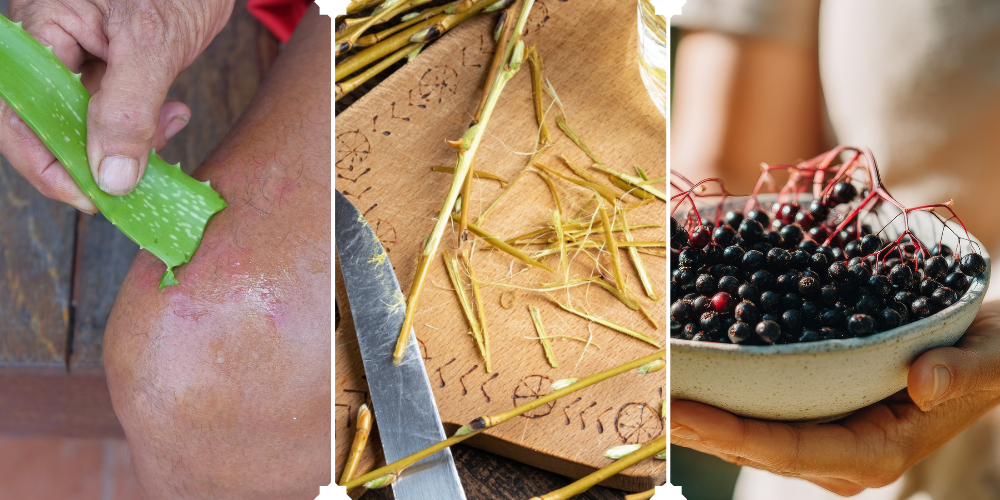
White willow bark contains salicin, aspirin’s precursor. Clinical reviews report daily doses of willow bark extract provide significant relief of low back pain and arthritis pain beyond placebo. A Cochrane review found moderate-quality evidence that willow bark is “probably better than placebo for short-term improvements in low-back pain.”
Users find it works similarly to low-dose aspirin or ibuprofen for muscle aches and headaches—with fewer gastrointestinal problems.
Practical use: Standardized willow bark extract for chronic back pain or headaches. Avoid if allergic to salicylates.
Willow bark works. The studies prove it. But here’s what most people don’t know: there’s a specific way to prepare it that maximizes salicin extraction and makes it shelf-stable for months.
Nicole Apelian spent years perfecting the Nature’s Aspirin recipe—the exact ratios, the preparation method, the dosage guidelines. It’s all documented on page 137 with step-by-step instructions and photos so you know you’re doing it right.
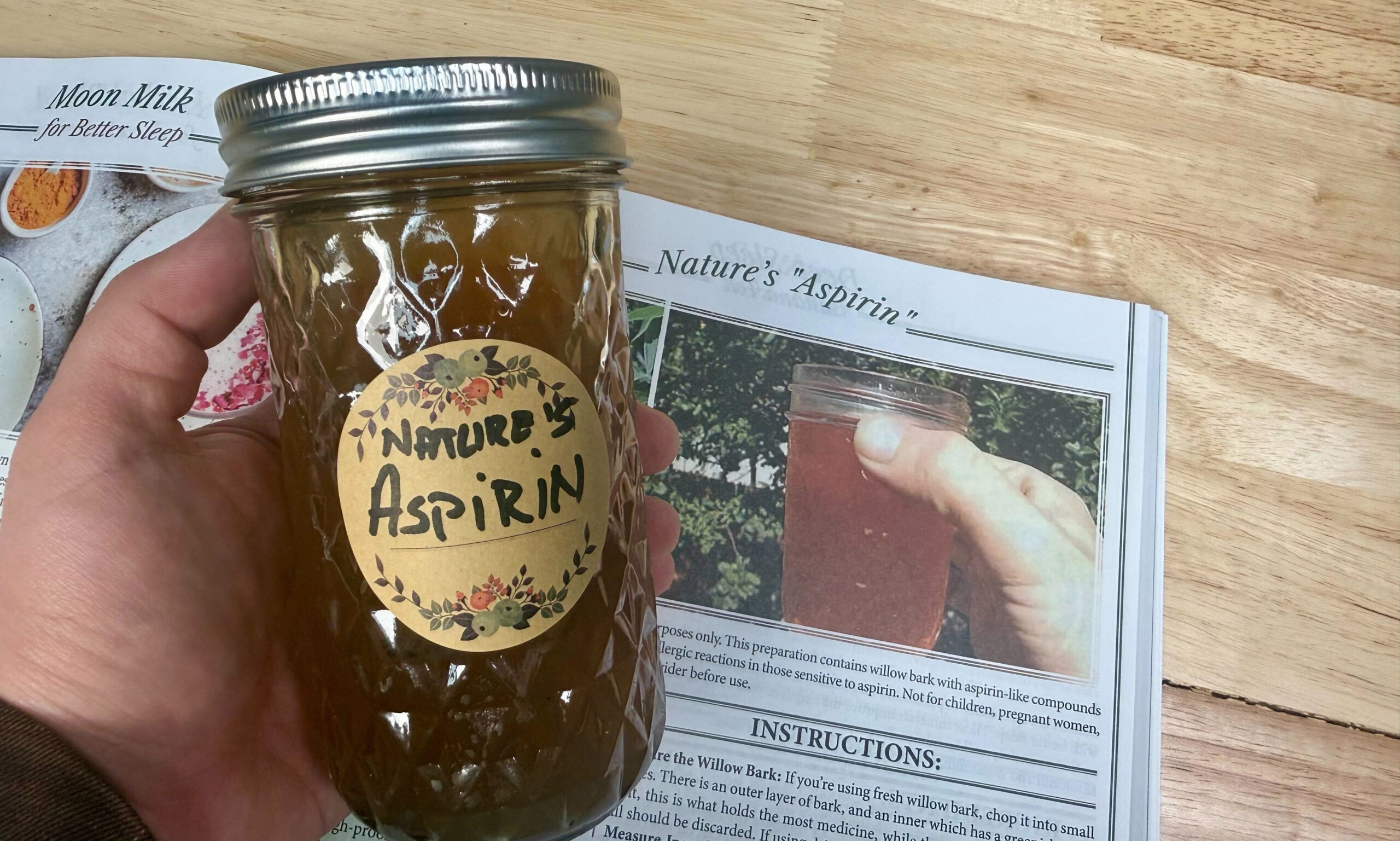
See that image above? That’s me, holding the actual page. That’s the recipe I followed. And if I can make it, so can you.
You don’t need a pharmacy degree. You just need the right instructions.
Click here to get the complete Nature’s Aspirin recipe and make your own medicine at home.
Peppermint Oil for IBS Relief
Enteric-coated peppermint oil capsules are proven for irritable bowel syndrome. A 2022 review found peppermint oil significantly improved IBS symptoms: subjects reported less abdominal pain, bloating, and gas compared to placebo.
The menthol content relaxes intestinal muscles, acting similarly to prescription antispasmodic drugs. Major GI guidelines now recommend peppermint oil as first-line IBS treatment.
Unlike antacids or pain relievers, it directly targets gut cramps with only mild side effects (occasional heartburn).
Practical use: Enteric-coated capsules for IBS flare-ups. Works as well as—and more gently than—standard IBS medications.
Peppermint works for IBS. But your gut is far more complex than just cramping.
Leaky gut. Inflammation. Bacterial imbalance. Damaged intestinal lining. Food sensitivities. Bloating that won’t quit. Peppermint alone can’t fix all of that.
You need a complete gut formula—herbs that coat and soothe (slippery elm, marshmallow root), herbs that reduce inflammation (reishi, turkey tail), herbs that support gut-brain connection (lion’s mane), and yes, plantain for tissue repair.
This balanced gut blend addresses the root causes, not just the cramping. It’s dual-extracted, shelf-stable, and tackles gut issues from every angle.
Click here for the gut tincture that goes deeper than peppermint capsules.
Aloe Vera
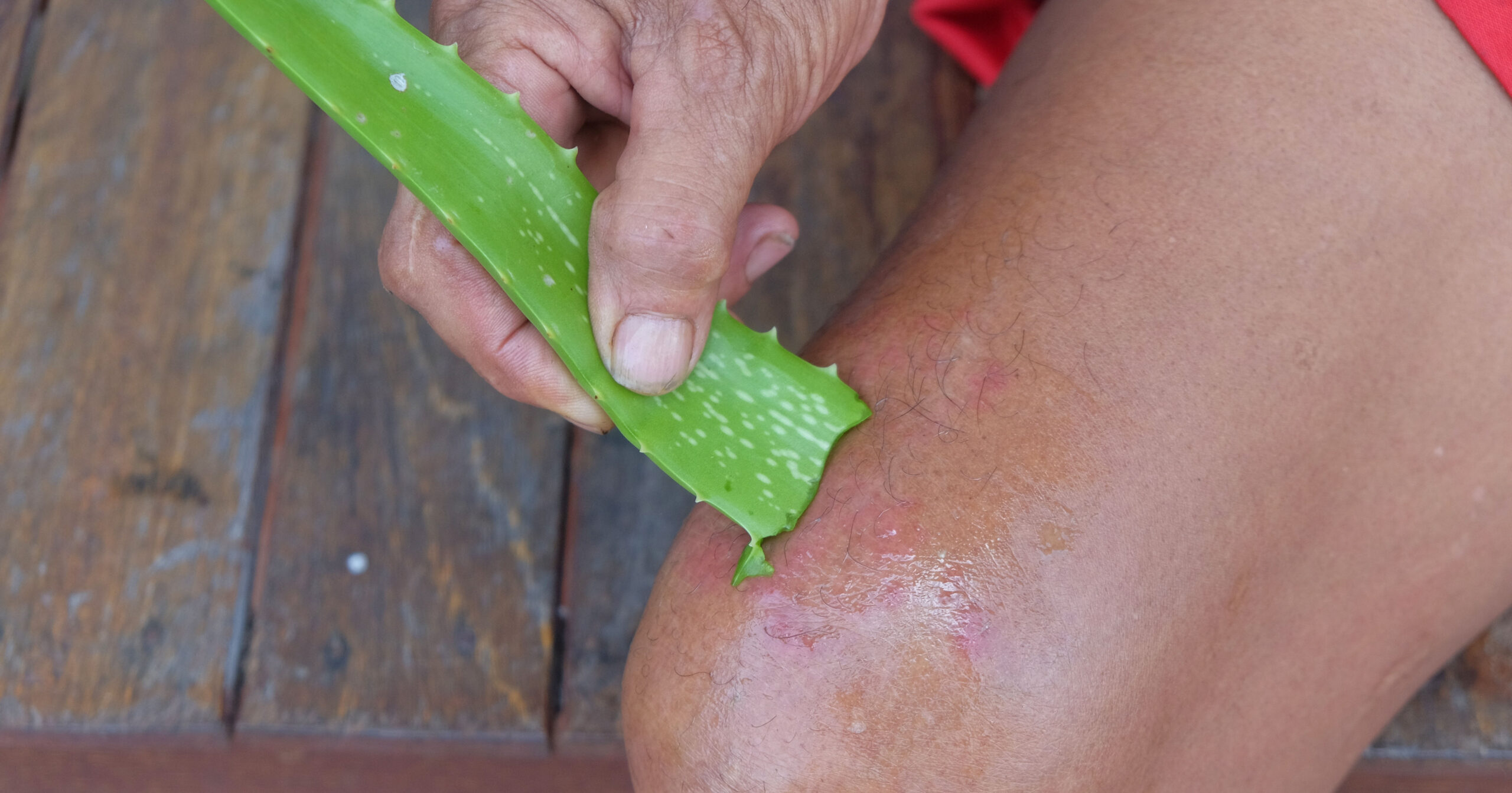
Clinical trials show applying aloe gel speeds recovery from first- and second-degree burns and reduces pain. In burn patients, aloe dressings healed wounds faster than standard dressings and cut healing time by days.
Aloe soothes sunburns, rashes, and minor irritations better than many store-bought creams. Its anti-inflammatory polysaccharides and antioxidants nourish damaged skin.
Practical use: Keep a live aloe plant in your kitchen. Break off a leaf for immediate burn relief. Often outperforms synthetic burn gels or antibiotic ointments.
Aloe works for burns. But what about cuts, scrapes, rashes, cracked winter hands, insect bites, bruises?
You’d need aloe, calendula, arnica, yarrow, plantain, balm of gilead, lavender—each one sourced separately, prepared individually, stored in different containers.
Or you could get them all in one tin—properly infused in oil, preserved in beeswax, ready to use on anything. It’s cheaper than a single ER co-pay and more effective than most drugstore creams.
Click here for the all-purpose salve that handles what aloe alone can’t.
Elderberry: Flu Fighter That Cuts Recovery Time in Half
Elderberry (Sambucus nigra) is widely used to fight colds and flu, and some research suggests it may help. A 2004 randomized controlled trial of adults with influenza A/B tested elderberry syrup against placebo. The results were striking: patients taking elderberry experienced symptom relief about 4 days sooner than those on placebo and significantly reduced their use of additional rescue medications.
While more research is needed to confirm these effects consistently, this trial suggests elderberry’s antioxidant compounds may inhibit virus replication and boost immune response, helping the body fight off infection faster.
Practical use: Elderberry syrup at first sign of congestion, sore throat, or cough. Based on this study, it may shorten your recovery time and reduce your need for additional symptom medications. First-line natural option when flu symptoms hit.
Elderberry syrup works. But here’s the problem: syrups are sugar-based, which means they can harbor bacteria, go bad quickly, and actually feed the pathogens you’re trying to fight.
A tincture is different. Alcohol-extracted elderberry pulls out compounds syrup can’t touch, lasts for years without refrigeration, and delivers concentrated medicine without the sugar.
You can even make your own syrup by adding a few drops of tincture to honey—instant elderberry syrup whenever you need it, without the shelf-life worries.
This is concentrated, dual-extracted elderberry. The kind that makes a difference when flu hits hard.
Click here for the elderberry tincture that outperforms syrup. 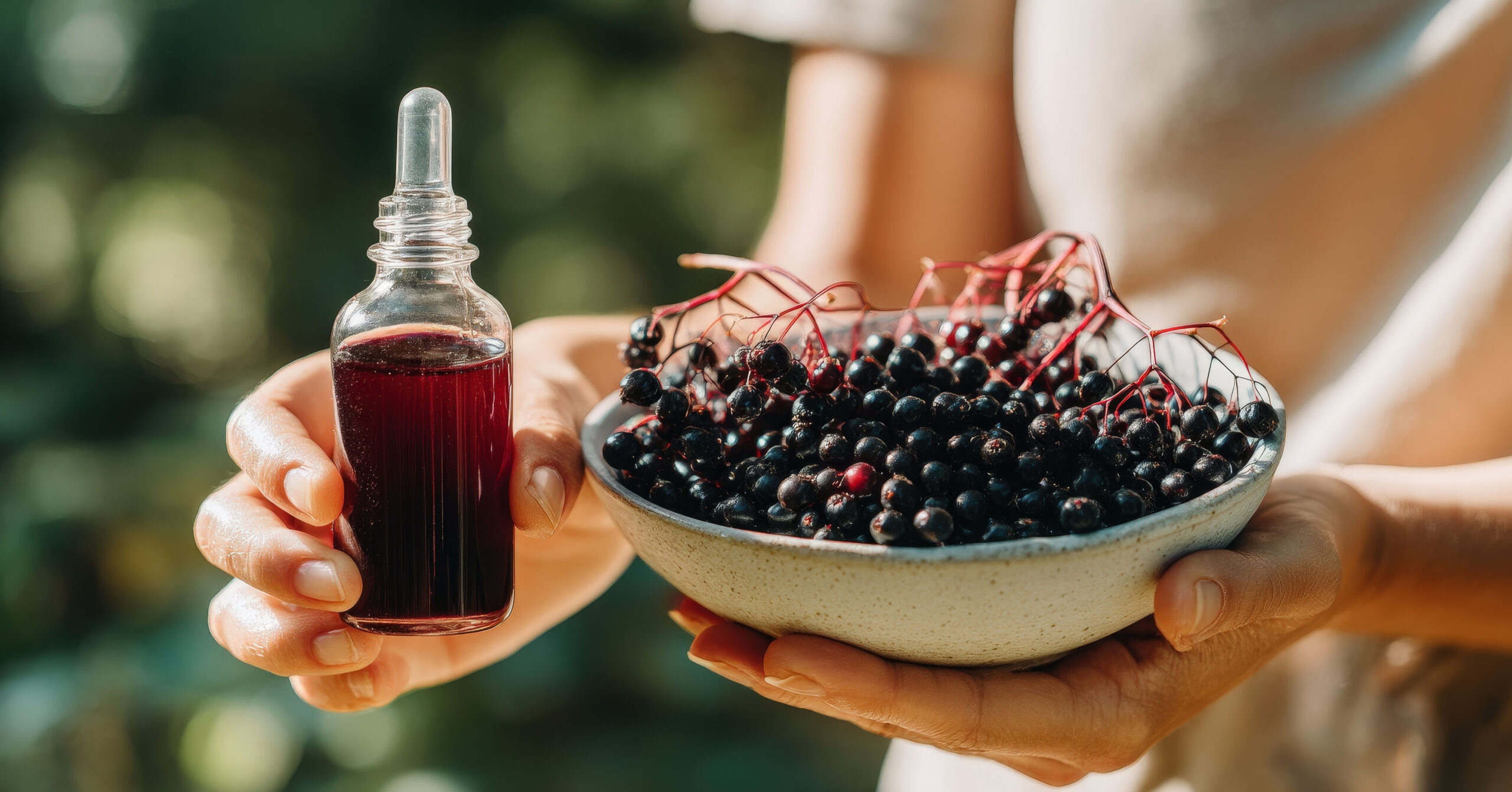
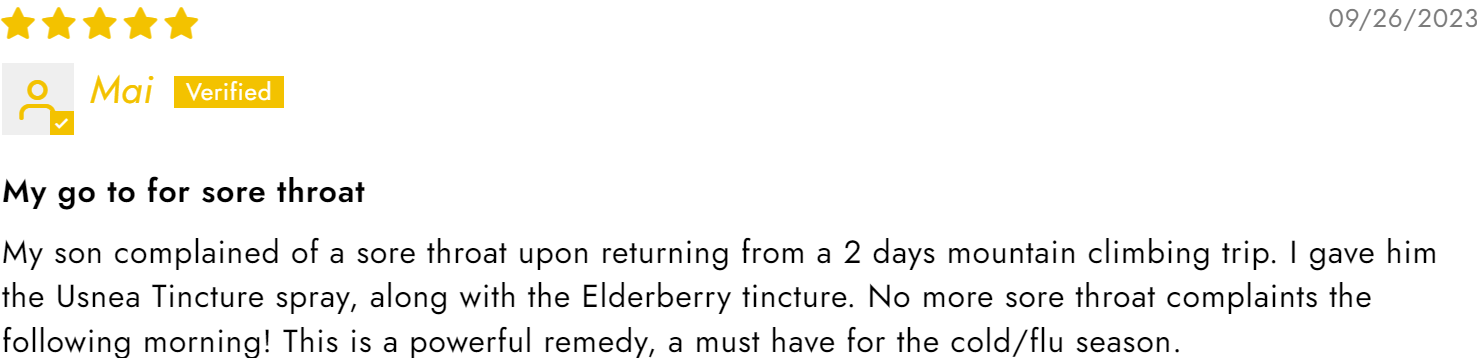
And if you really want to stop a cold in its tracks? Pair it with usnea—nature’s antibiotic. Together, they’re unstoppable. Here’s what someone said about this combo:
Ashwagandha: Stress Relief That Matches Pharmaceuticals
A 2021 systematic review of clinical studies found ashwagandha root extract significantly lowered stress and anxiety levels compared to placebo. Participants taking 300-600mg daily reported feeling calmer and less anxious, with reduced cortisol levels.
Several trials noted improvements in sleep, fatigue, and overall well-being. In some cases, ashwagandha’s benefit was comparable to low-dose anti-anxiety medications for mild-to-moderate stress.
Practical use: Daily ashwagandha for chronic stress instead of reaching for benzodiazepines. Well-tolerated, non-addictive, builds resilience over time.
The world is getting worse. Wars, economic collapse, personal crises, family stress—it’s everywhere. Nobody is safe from it.
And if you don’t manage that stress, you won’t function. You’ll start failing at work. At home. At life. Your body breaks down, your mind shuts off, and suddenly you’re stuck in a cycle you can’t escape.
Ashwagandha gives you that peace. That resilience. It doesn’t numb you—it makes you strong enough to handle what’s coming.
This is the ashwagandha tincture I use when the world feels too heavy. It works.
Bonus: 5 More Herbs You Should Already Know
You already know turmeric reduces inflammation as well as ibuprofen—just add black pepper to boost absorption by 2000%. Ginger stops nausea better than Dramamine and works for morning sickness, motion sickness, and post-surgery nausea.
Garlic lowers cholesterol and blood pressure like a mild statin, without the side effects. Cinnamon drops fasting blood glucose by ~25 mg/dL in diabetics, acting like a natural metformin.
These aren’t fringe remedies—they’re backed by meta-analyses and clinical trials. Your spice rack is a pharmacy.
The Truth Your Doctor Won’t Tell You: Why You’ll Never See These Studies on TV
Have you noticed I cite studies throughout this article? Real clinical trials. Meta-analyses.
But have you ever seen these studies on TV? Have you ever heard a doctor mention that turmeric works as well as ibuprofen, or that elderberry cuts flu recovery in half?
No. Because they bury them.
They know about these studies. The European Medicines Agency knows. Major medical guidelines know. But they don’t tell you. Because if you knew the herbs in your backyard work as well as their $50 prescriptions, they couldn’t take your money.
They profit from your ignorance. From your dependence. From keeping you sick just enough to need their products—but never healthy enough to stop buying them.
Now you know the studies exist. What are you going to do about it?
You can keep buying their pills. Or you can learn to make your own remedies—the ones backed by science they don’t want you to see.
Learn NOW. Before it’s too late. Before they regulate these plants out of existence. Before the next crisis empties the pharmacies and you’re left helpless.
Nicole Apelian will teach you—on video—how to identify medicinal plants and turn them into the remedies backed by the studies they’re hiding from you.