
10 Plant-Based Collagen Boosters
Wrinkles come first. Then your knees start hurting. Then cuts take weeks to heal. Then you can’t twist like you used to. If any of this sounds familiar, you need to read this.
Right now, you’re producing less collagen than you did last year. And this isn’t just about wrinkles—collagen is the protein holding your entire body together.
It’s what keeps your joints flexible so you can move without pain. It maintains your tendons and ligaments. It keeps your bones strong, your gut lining intact, your blood vessels elastic.
After 25, you lose about 1% of your collagen every year. That’s why your knees hurt. Why your shoulders are stiff. Why healing takes longer. Why your skin sags and your joints ache.
The beauty industry sells you $200 serums that can’t penetrate your skin. But certain plants can trigger your body to make its own collagen from the inside out—not just for your face, but for joints, bones, and connective tissue throughout your body.
Let me show you the 10 best.
Gotu Kola
This herb has been used in traditional medicine for wound healing, and research confirms why—gotu kola’s active compounds significantly increase collagen synthesis in wounded skin. It literally prompts your fibroblast cells to produce more collagen where you need it.
That’s why gotu kola extracts are used for healing wounds, scars, and stretch marks. If you want skin that repairs itself faster and stronger, this is your plant.
Use it: Gotu kola tea or capsules (500-1000mg daily). Topical creams work too for scars.
Stinging Nettle
Nettle does double duty. It contains compounds that block the enzymes that break down collagen and elastin. So it protects what you’ve already got. But it also stimulates new collagen production in skin cells.
You’re both preserving and building. That’s rare.
Use it: Daily nettle tea (tastes earthy, very mineral-rich) or add powdered leaves to smoothies.
Nettle is a complete package. Calcium, magnesium, and vitamin K—all in one plant. And those effervescent vitamins people pop? They can contribute to kidney stones. Nettle prevents them while delivering the same minerals.
Too bad it stings when you harvest it. That’s why I keep a nettle tincture on hand. A few drops in shampoo for hair growth. A few drops in tea for minerals. A few drops in water for digestion. One plant. Endless uses.
Click here for the nettle tincture I use for bones, hair, kidneys, and everything else.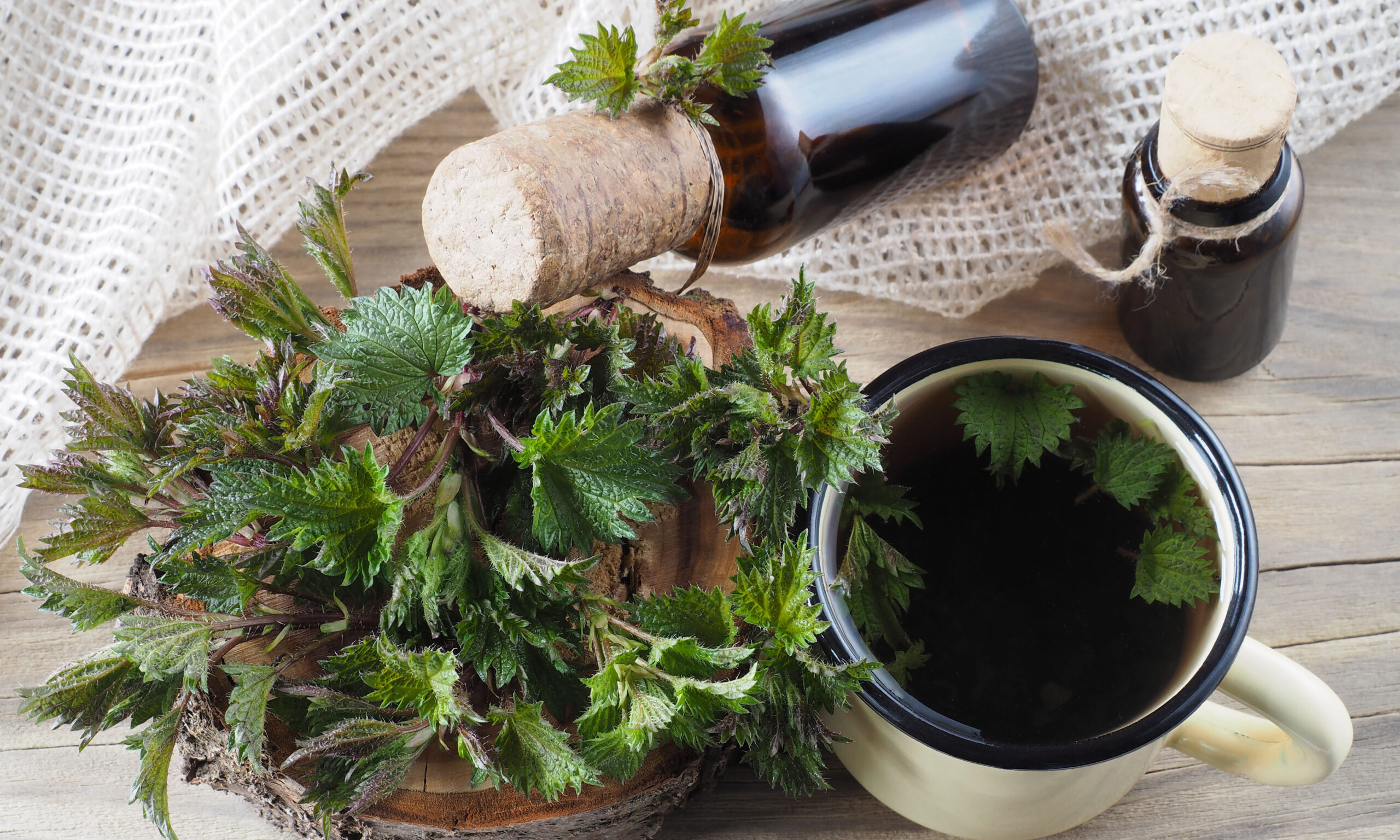
Aloe Vera
Everyone knows aloe for sunburns. But taking it internally boosts your skin’s collagen from the inside. In a clinical trial, women who ingested aloe vera gel saw significant wrinkle reduction, improved skin elasticity, and increased collagen production.
Aloe’s mucopolysaccharides stimulate the fibroblast cells that generate collagen and elastin. The result? Plumper, more hydrated skin without injections.
Use it: Aloe vera juice (2-4 oz daily) or gel supplements. Make sure it’s for internal use.
Panax Ginseng
Ginseng increases your body’s own collagen production. In one study, women who took red ginseng for 24 weeks had fewer wrinkles and higher collagen levels in their skin than placebo.
Ginseng’s compounds activate collagen genes and protect existing collagen from UV damage. This is why Asian cultures have used it for centuries as an anti-aging tonic.
Use it: Red or white ginseng tea, or standardized capsules (200-400mg daily).
Turmeric
Curcumin, turmeric’s active compound, speeds wound healing by promoting collagen synthesis and tissue remodeling. By taming inflammation, it creates the perfect environment for new collagen fibers to form.
This helps scars heal stronger and supports joint cartilage. It’s not just for your face—it’s rebuilding connective tissue throughout your body.
Use it: Add to meals, make golden milk (turmeric + ginger + black pepper + milk), or take curcumin supplements with black pepper for absorption.
Make it work for you: Start your morning with golden milk. It’s made of warm milk with turmeric, ginger, and black pepper (the pepper boosts curcumin absorption by 2000%). Add fresh ginger to tea. Cook with both regularly. Your joints will thank you.
I had no idea how to make golden milk properly until I found the recipe in The Forgotten Home Apothecary. Now I make it almost every morning, and my joints feel like they’ve aged backward.
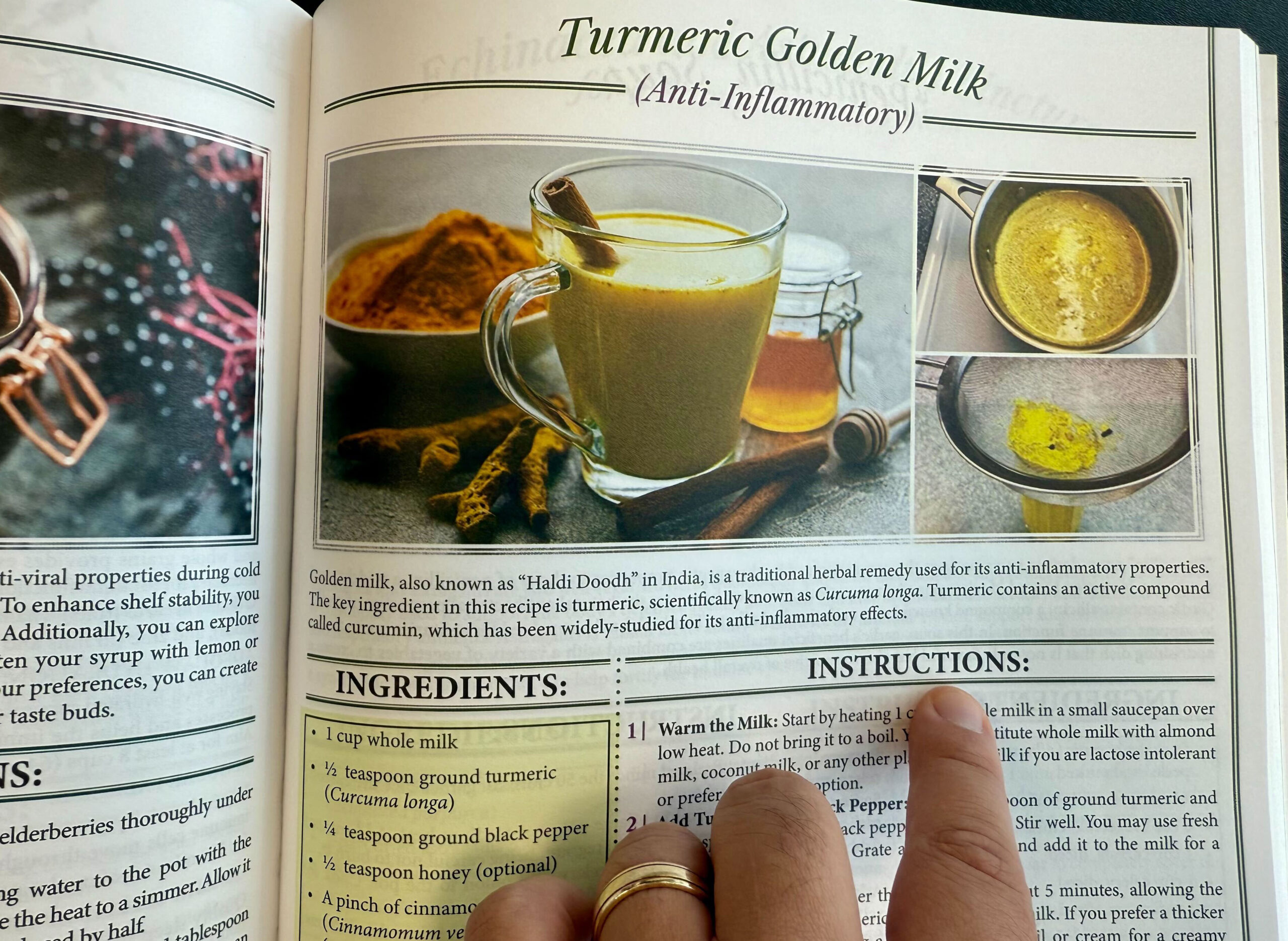
That image above? That’s the exact traditional formula that actually delivers results—not some watered-down version.
Click here to see the full step-by-step golden milk recipe that changed everything.
Soy (Genistein)
Soybeans contain genistein, a compound that inhibits the enzymes that break down collagen—especially after UV damage. In a study on UV-aged mice, a soy-rich diet led to fewer wrinkles and more collagen than the control diet.
Human trials showed improvements in skin elasticity after weeks of soy supplementation. If you’re worried about sun damage aging your skin, this is your ally.
Use it: Organic soy foods (tofu, tempeh, edamame) or soy isoflavone supplements.
Amla (Indian Gooseberry)
Amla has one of the highest natural sources of vitamin C—which is essential for collagen synthesis. Your body literally cannot make collagen without vitamin C.
But amla goes further: extracts increase procollagen production in skin cells while decreasing the enzymes that break collagen down. It’s providing the raw material and signaling your cells to make more.
Use it: Amla powder in smoothies, amla supplements, or drink amla juice (diluted—it’s sour).
Horsetail
Horsetail is loaded with silica—a mineral that’s absolutely essential for collagen formation. Your body literally can’t build collagen without it. Horsetail provides bioavailable silica that becomes the building blocks for collagen in your skin, bones, and nails.
One study found horsetail extract sped up healing by boosting collagen production in wound tissue. Your nails get stronger. Your hair grows thicker. Your skin firms up.
Use it: Horsetail tea or capsules (300-500mg daily).
Horsetail rebuilds collagen in your bones and joints over time. But what about the pain you’re feeling right now?
If you need relief for stiff knees, aching shoulders, lower back pain, or arthritis—there’s a salve that works in seconds, not weeks.
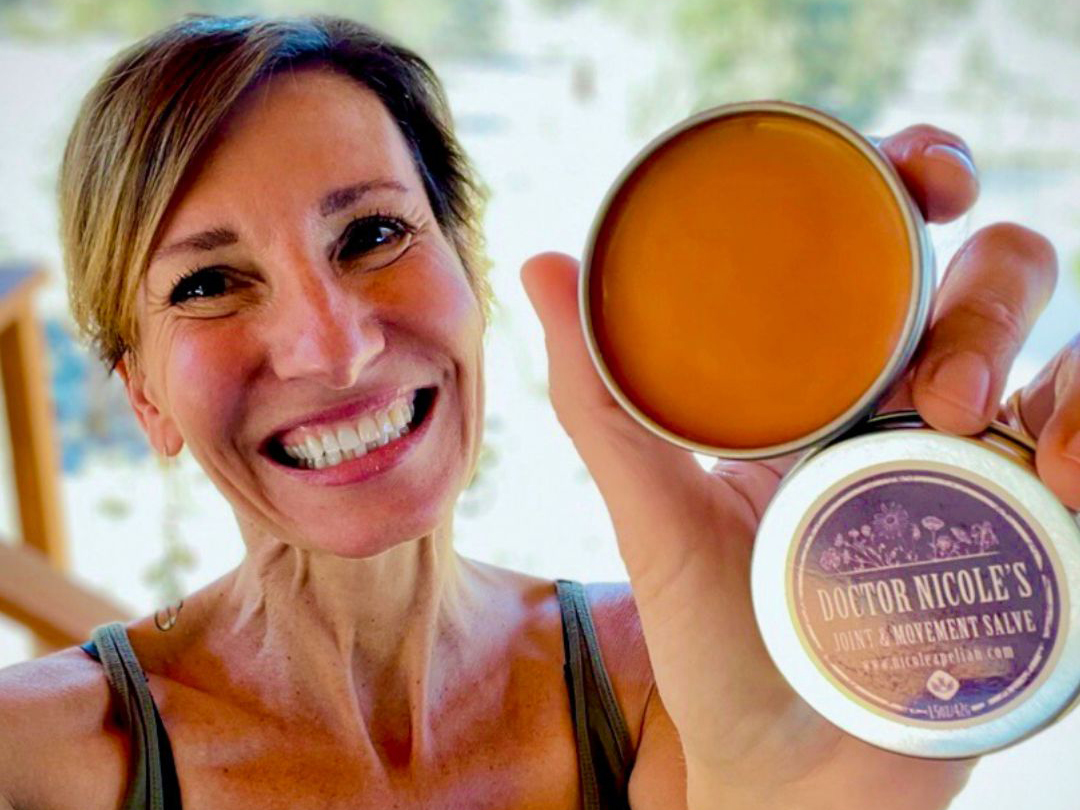 It combines arnica (pain relief and bruising), calendula (tissue repair), St. John’s Wort (nerve pain), cayenne (deep warming circulation), Solomon’s seal (joint flexibility), and frankincense (inflammation).
Each herb targets a different aspect of joint health.
Together, they deliver relief faster than most oral supplements—and you feel it within seconds of applying.
Winter stiffens joints and makes every movement hurt. Rub this on your knees, wrists, ankles, lower back—anywhere that aches.
Click here for the Joint & Movement Salve that delivers fast, powerful relief.
Sea Buckthorn
These orange berries are packed with vitamins C and E and omega fatty acids. Sea buckthorn seed extract significantly boosted collagen generation and reduced collagen-degrading enzymes in UV-exposed skin cells.
It effectively counters UV damage by both boosting new collagen and protecting what’s already there. If you’ve spent years in the sun, this is your repair plant.
Use it: Sea buckthorn juice (diluted) or capsules of sea buckthorn oil. Topical serums work externally too.
Rosehip
Rosehips—the fruits of wild roses—are rich in vitamin C, polyphenols, and a unique anti-inflammatory compound. Studies on rosehip powder showed improvements in skin elasticity, moisture, and wrinkle reduction after 8 weeks.
Researchers believe rosehip stimulates collagen synthesis and repair in tissues. Rosehip oil applied topically can fade scars and fine lines by nourishing the collagen matrix.
Use it: Brew rosehips into tangy tea, mix rosehip powder into smoothies, or apply rosehip seed oil to skin as a serum.
These are just a few plants. There are hundreds more—turmeric for inflammation (as effective as NSAIDs for arthritis), St. John’s Wort for depression (proven as effective as standard antidepressants for mild cases), echinacea for immune support.
The question isn’t whether plant medicine works. The question is: will you know which plant to reach for when you need it?
Dr. Nicole Apelian has documented over 900 medicinal plants across two comprehensive books: The Lost Book of Herbal Remedies and The Lost Book of Herbal Remedies II. Together, they cover everything from the “painkilling plant” growing in backyards to nature’s antibiotic that probably grows near your house right now.
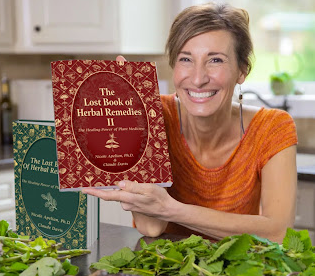 Each plant comes with high-quality color photos, detailed identification instructions, and step-by-step remedy recipes. You’ll know exactly what to harvest, when to harvest it, and how to turn it into medicine you can actually use.
Right now, Nicole has prepared a special bundle offer for both books at a better price—but only for a limited time to clear remaining stock.
Click here to secure your copies while they’re still available.
The Truth About Collagen (And Why Big Pharma Doesn’t Want You Making Your Own)
You can’t rub collagen on your face and expect it to work. The molecules are too big. They sit on top of your skin and do nothing except make $200 creams feel luxurious.
But you can give your body the tools it needs to make its own collagen—using plants that are probably already in your kitchen.
Turmeric. Ginger. Rosehips. Nettle. Aloe. Most of these are sitting in your spice rack or growing in your yard right now. You just don’t know what to do with them.
Maybe you’re afraid of using the wrong amount. Maybe you don’t know how to extract the active compounds. Maybe you’re worried about hurting yourself rather than helping.
That’s exactly what Big Pharma is counting on. They want you dependent on their $50 collagen pills and $200 serums. They need you to believe plants are too complicated, too risky, too “folk medicine” to actually work.
But here’s the truth: The Forgotten Home Apothecary contains 250+ tested remedy recipes—exact measurements, step-by-step instructions, safe dosages—for a fraction of what you’d spend on a single month of supplements.
Here are just some of the most powerful remedies inside:
- Nature’s Aspirin
- Better Than Collagen Pills
- Amish Ibuprofen
- Memory Elixir
- Herbal Sleeping Pills
- Joint Pain Reliever
- “Freezing” Sugar Balancer
- Black Drawing Salve
- Antiseptic Balm
You already have most of the ingredients. You just need the recipes.
This book is printed in limited edition. Once these copies are gone, there’s no guarantee they’ll reprint. The content is too powerful. The remedies work too well. And Big Pharma doesn’t want you making your own medicine for pennies when they can charge you $500/month for the synthetic version.
Click here to get The Forgotten Home Apothecary before they pull it for good.
You may also like:
Frequently Asked Questions
1. What plants boost collagen production naturally?
The top collagen-boosting plants are gotu kola, stinging nettle, aloe vera, panax ginseng, turmeric, horsetail, soy, amla, sea buckthorn, and rosehip. They provide essential minerals like silica and vitamin C, stimulate collagen-producing cells, and protect existing collagen from breaking down.
2. How can I increase collagen in my face naturally?
Increase facial collagen by consuming aloe vera juice (2-4 oz daily), drinking gotu kola or rosehip tea, taking amla supplements for vitamin C, and using rosehip oil topically. Results typically appear after 8-12 weeks of consistent use.
3. What is the best herb for collagen production?
Horsetail is one of the best herbs for collagen production because it provides bioavailable silica—an essential mineral your body needs to build collagen. Gotu kola is also highly effective as it directly stimulates fibroblast cells to produce more collagen in skin tissue.
4. Does turmeric help with collagen production?
Yes. Turmeric’s active compound, curcumin, promotes collagen synthesis and tissue remodeling by reducing inflammation. This creates the ideal environment for new collagen fibers to form in skin, joints, and connective tissue. Take it with black pepper to boost absorption by 2000%.
5. What vitamin helps your body make collagen?
Vitamin C is essential for collagen synthesis—your body cannot make collagen without it. Amla (Indian gooseberry) has one of the highest natural vitamin C concentrations and also signals cells to increase collagen production while decreasing collagen-degrading enzymes.
6. How do you rebuild collagen in joints naturally?
Rebuild joint collagen with horsetail (provides silica building blocks), turmeric (reduces inflammation and supports cartilage), stinging nettle (protects existing collagen), and ginseng (activates collagen genes). Consistency for 8-12 weeks is key for noticeable joint improvement.
7. What destroys collagen in the body?
UV sun exposure, chronic inflammation, high sugar intake, smoking, stress, and aging all destroy collagen. Certain enzymes (collagenases and elastases) naturally break down collagen, which is why plants like nettle and soy that block these enzymes are so valuable for collagen preservation.
8. Can you rebuild collagen after 50?
Yes. While collagen production slows after 50, your body can still rebuild it with the right support. Plants like gotu kola, horsetail, amla, and ginseng provide the minerals, vitamins, and compounds needed to stimulate new collagen production at any age.
9. What foods are high in collagen?
Plants don’t contain collagen directly, but they trigger your body to make its own. The best collagen-supporting foods are: turmeric, ginger, nettle, aloe vera, soy products, amla, rosehips, and sea buckthorn. These provide vitamin C, silica, and compounds that stimulate collagen synthesis.
10. How long does it take to restore collagen?
Restoring collagen takes 8-12 weeks of consistent use of collagen-boosting plants. You’ll notice firmer skin, stronger nails, improved joint flexibility, and faster wound healing. Collagen production is gradual—consistency matters more than intensity.